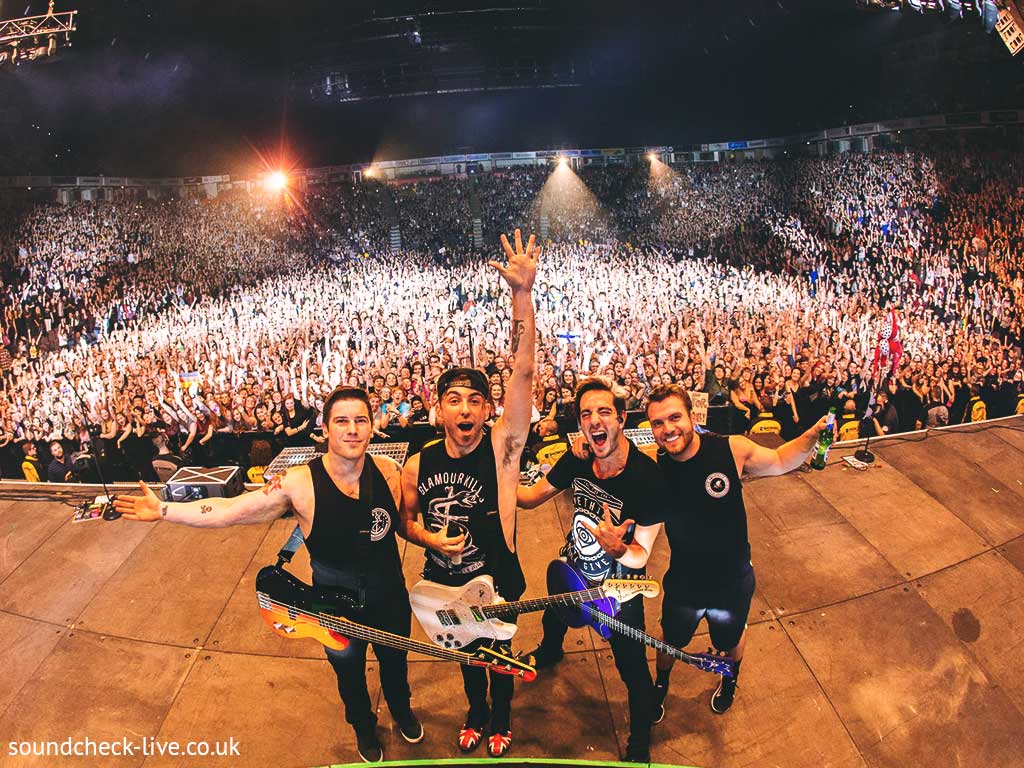
As of 2026, the American pop-punk band All Time Low is not cancelled. While the group faced significant social media backlash and serious allegations of misconduct in late 2021, they successfully navigated the legal system through defamation lawsuits and have continued to tour and release music, maintaining a prominent position in the alternative music scene.
The phrase "All Time Low cancelled" became a viral search term in October 2021 following a series of anonymous allegations on social media platforms like TikTok and Twitter. For fans and observers, the situation was a complex intersection of "cancel culture," legal battles over digital anonymity, and the evolving standards of accountability within the music industry. To understand the current standing of Alex Gaskarth, Jack Barakat, Zack Merrick, and Rian Dawson in 2026, one must look back at the detailed timeline of the controversies, the legal maneuvers that followed, and the band’s professional trajectory over the last five years.
The Origins of the 2021 Allegations
The primary catalyst for the "cancellation" attempt began in late October 2021. An anonymous TikTok user posted a video alleging that a member of a popular pop-punk band had engaged in inappropriate behavior with her when she was a minor. While the band was not initially named, commenters quickly pointed toward All Time Low, specifically guitarist Jack Barakat.
Following the initial viral video, several other anonymous accounts surfaced on Twitter (now X), sharing stories that painted a picture of a "culture of misconduct" surrounding the band’s touring environment in the mid-to-late 2000s and early 2010s. These allegations ranged from specific instances of sexual grooming to more general claims of inappropriate interactions with young fans.
The speed at which these claims spread was a testament to the power of social media in the modern era. Within 48 hours, the hashtag #AllTimeLowIsOver became a trending topic, and the band faced immediate pressure from sponsors, festival organizers, and their own fan base.
The Band’s Formal Denial and Legal Strategy
On October 25, 2021, All Time Low issued a comprehensive statement across their social media platforms. They categorically denied the allegations, labeling them as "completely and utterly false." The band emphasized that they had always prioritized the safety and well-being of their fans and were "shattered" by the claims being made against them.
Unlike many public figures who choose to wait for the news cycle to pass, All Time Low took an aggressive legal stance. In early 2022, the band filed a defamation lawsuit in the Los Angeles Superior Court. The lawsuit was unique because it was filed against "John and Jane Does"—the anonymous individuals behind the social media accounts.
The "John Doe" Lawsuit Explained
The primary goal of the band's legal team was to use the discovery process to compel social media platforms to reveal the identities of the accusers. This strategy was designed to move the conflict from the "court of public opinion" to a literal court of law.
- Subpoenas to Platforms: The band sought to identify the IP addresses and registration data of the accounts that posted the initial allegations.
- Burden of Proof: By filing for defamation, the band signaled that they were willing to put their own histories under the microscope to prove the claims were fabricated.
- Deterrence: The legal action served as a deterrent against further unsubstantiated claims, emphasizing that digital anonymity does not grant immunity from libel laws.
By 2023, the intensity of the social media storm had subsided significantly as the legal process ground forward, and no concrete evidence or named plaintiffs stepped forward to substantiate the anonymous digital claims.
Impact on Tours and Professional Engagements
While the band was never "cancelled" in the sense of being permanently banned from the industry, the 2021-2022 period did see material impacts on their schedule.
Initially, there were calls for the band to be removed from major festival lineups. However, most promoters took a "wait and see" approach. The band continued to perform, though the atmosphere at shows was notably different for a period, with increased security and a visible effort by the band to reinforce fan safety protocols.
| Event/Platform | Status During Controversy (2021-2022) | Current Status (2026) |
|---|---|---|
| Headline Tours | Some dates postponed or under-protested | Fully active; 2025-2026 World Tour sold out |
| Festival Bookings | Minor cancellations; Reading & Leeds scrutinized | Mainstage staples at major alt-festivals |
| Streaming Services | Playlisting slightly reduced temporarily | Back to standard rotation on "Pop Punk's Not Dead" |
| Social Media Presence | Comments restricted/monitored | Active engagement with "Future Hearts" community |
| Legal Standing | Active defamation litigation | Litigation concluded; no charges ever filed against band |
The Evolution of Fan Safety in Pop-Punk
The allegations against All Time Low did not happen in a vacuum. They followed a decade of reckoning within the pop-punk and alternative scenes regarding the "Warped Tour culture" of the 2000s. The industry as a whole has moved toward much stricter standards of conduct between artists and fans.
In the years following the 2021 controversy, All Time Low and their management implemented several "best practice" changes that have since become industry standards for bands of their size:
- Third-Party Oversight: Hiring independent safety coordinators for VIP meet-and-greet sessions.
- Clearer Venue Guidelines: Working with venues to ensure that "barricade culture" is safe and that young fans have access to help if they feel uncomfortable.
- Transparent Communication: Regularly updating fans on the band's code of conduct and how to report any inappropriate behavior by touring crew or affiliates.
By 2026, these measures helped rebuild the trust that was shaken during the peak of the "cancel" movement. The band’s longevity is often attributed to this proactive approach rather than a defensive or dismissive one.
The Discography and Career Trajectory Post-2021
A major reason why the "All Time Low cancelled" narrative failed to stick permanently was the band's continued musical output and commercial success. Music history shows that bands with active, loyal fan bases are often more resilient to social media controversies than those in the mainstream pop sphere.
In 2023, the band released their ninth studio album, Tell Me I'm Alive. The album was a commercial success, debuting high on the Billboard Alternative Airplay charts. It was seen as a "return to form" and a signal that the band was moving past the shadows of 2021. This was followed by a massive 20th-anniversary celebration of the band’s career, which solidified their legacy status.
In the 2024-2026 period, the band has transitioned into "elder statesmen" of the genre. Much like Blink-182 or Green Day, they have survived various cycles of public scrutiny, emerging as a staple of the alternative music landscape. Their ability to sell out arenas in 2026 proves that for the majority of their audience, the 2021 allegations remain an unproven chapter of the past.
Analyzing the "Cancel Culture" Dynamics
The All Time Low situation is often cited by media studies experts as a prime example of the limitations of "cancel culture." It highlights the divide between digital accusations and legal reality.
When a subject is "cancelled," it usually implies a total withdrawal of support. For All Time Low, the "cancellation" was more of a "segmentation." A portion of the online community permanently distanced themselves from the band, while the core "Hustler" fan base (the band's official fan club) remained largely supportive, citing the lack of named accusers and the band's willingness to go to court as reasons for their continued loyalty.
Why the "Cancellation" Did Not Last:
- Lack of Physical Evidence: Unlike other cases in the music industry where photos, texts, or videos corroborated claims, the All Time Low allegations remained largely anecdotal and anonymous.
- Proactive Legal Response: By suing for defamation, the band took a risk that suggested they had nothing to hide. This shifted the narrative from "guilty until proven innocent" to "awaiting legal discovery."
- Consistent Engagement: The band did not go into hiding. They continued to show up, play shows, and interact with fans, which prevented the "vacancy" that usually allows a cancellation narrative to solidify.
Frequently Asked Questions
Was anyone in All Time Low ever arrested?
No. There have been no arrests, police investigations, or criminal charges filed against any member of All Time Low related to the 2021 allegations or any other incidents. The matter remained entirely within the realm of social media claims and the band's subsequent civil defamation lawsuit.
What happened to the lawsuit All Time Low filed?
The defamation lawsuit filed in 2022 was primarily a "John Doe" suit intended to identify anonymous posters. Over time, as the viral nature of the claims faded and the individuals behind the accounts did not come forward to defend their statements in a legal setting, the intensity of the litigation slowed. In most cases involving anonymous social media defamation, the goal is the removal of the content and a public deterrent rather than a multi-million dollar payout.
Did Jack Barakat leave the band?
No. Jack Barakat has remained the lead guitarist and a backing vocalist for All Time Low throughout the entire period from 2021 to 2026. Despite being the primary target of many of the anonymous claims, he has continued to tour and record with the group.
Are they still allowed to play major festivals?
Yes. As of 2026, All Time Low is a regular fixture on major festival lineups worldwide, including When We Were Young, Lollapalooza, and various European festivals. While there was a brief period of scrutiny by promoters in 2022, the lack of substantiated claims led the industry to continue booking them.
Where can I find the band's official statements on this?
The band’s official statements are archived on their verified social media accounts (X and Instagram) from October 2021. Additionally, their legal filings are matters of public record in the California court system.
Practical Guidance for Fans and Observers
If you are navigating the history of "All Time Low cancelled" in 2026, it is essential to distinguish between social media discourse and verified facts. For those looking to stay informed or make their own decisions about supporting the band, consider the following steps:
- Review the Legal Outcomes: Look for court dismissals or settlements rather than summarized TikTok videos. In this case, the lack of follow-through by anonymous accusers in a legal forum is a significant data point.
- Monitor Fan Safety Reports: Check recent tour reviews and fan community forums for current feedback on the band’s touring environment. In 2026, the consensus among concert-goers is that their shows are among the most professionally managed in the genre.
- Evaluate Current Content: Listen to the lyrics and themes of their post-2021 albums. Many artists process their public controversies through their music, providing a window into their perspective on the events.
The case of All Time Low serves as a significant case study in how modern entities survive digital-era controversies. By 2026, the band has moved from being "cancelled" to being "vindicated" in the eyes of their industry peers and a large majority of their global audience.