The history of live-action Superman portrayals spans nearly 80 years, encompassing 10 primary actors across theatrical films, television series, and movie serials. From Kirk Alyn’s 1948 debut to David Corenswet’s 2025 introduction in the DC Universe (DCU), these iterations have defined the superhero genre through evolving special effects, narrative tones, and cultural relevance.
Since the character’s inception by Jerry Siegel and Joe Shuster in 1938, the transition from page to screen has been the benchmark for cinematic heroism. To understand the full scope of Superman’s live-action journey, one must examine the distinct eras of production: the black-and-white serials of the 1940s, the television dominance of the 1950s, the blockbuster revolution of the 1970s and 80s, the modern television resurgence, and the competing cinematic universes of the 21st century.
The Birth of the Live-Action Legend: Kirk Alyn (1948–1950)
The first actor to ever portray Superman in a live-action format was Kirk Alyn. He starred in two 15-part theatrical serials produced by Columbia Pictures: Superman (1948) and Atom Man vs. Superman (1950). During this era, the technical limitations of cinema made depicting flight a massive hurdle. Production teams famously chose to use hand-drawn animation for the flying sequences, transitioning from Alyn’s live performance to a cartoon character whenever the Man of Steel took to the skies.
Alyn’s performance captured the "aw-shucks" earnestness of the Golden Age Clark Kent, though he was never credited on screen for the role in the first serial; the marketing claimed that "Superman" played himself to preserve the illusion for younger audiences. While these serials were massive hits, they are often overshadowed by the television boom that followed.
The Television Pioneer: George Reeves (1951–1958)
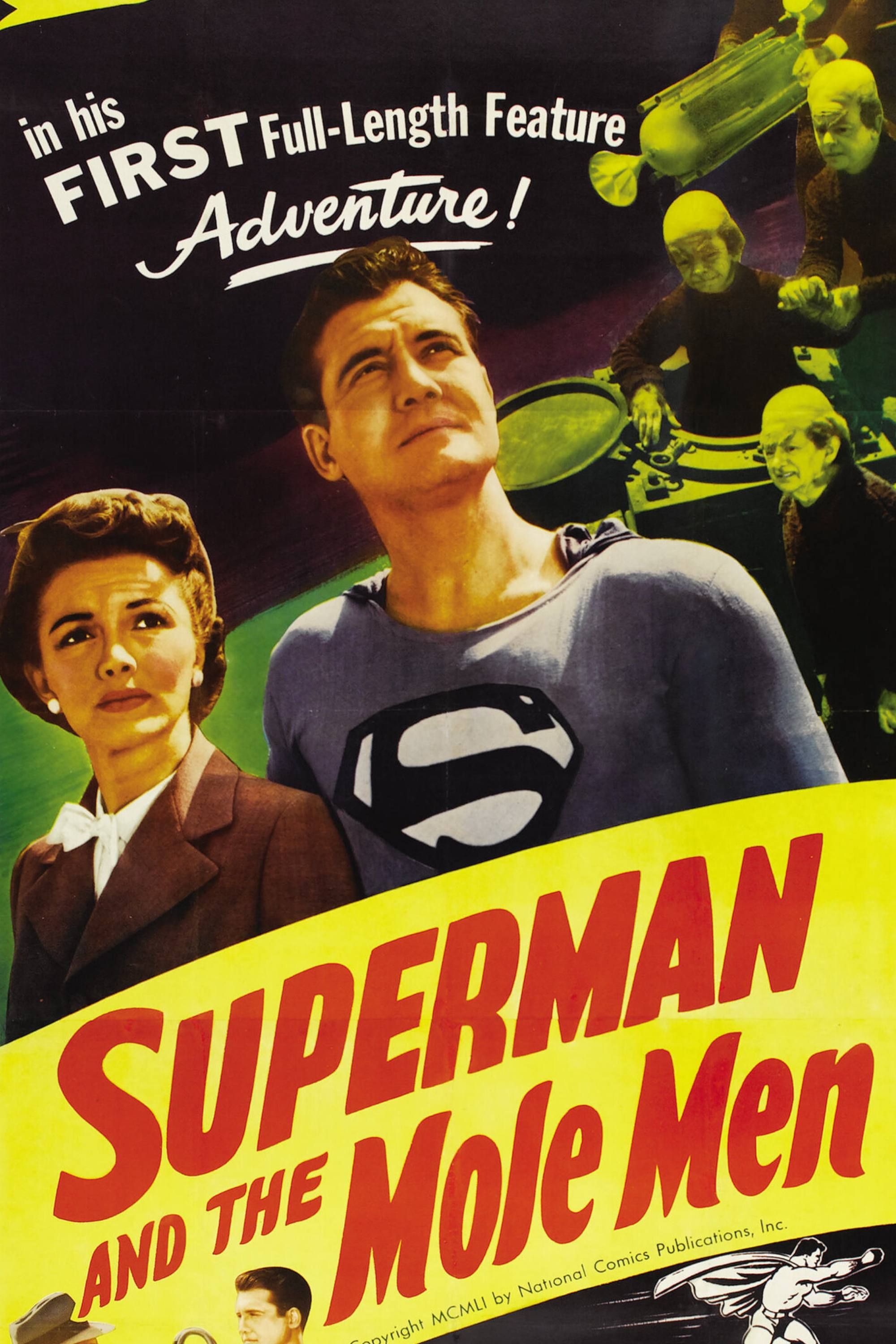
In 1951, George Reeves took over the mantle in the feature film Superman and the Mole Men, which served as a pilot for the landmark television series Adventures of Superman. This iteration remains one of the most culturally significant versions of the character. Reeves brought a physical presence and a paternal authority to the role that defined the character for the "baby boomer" generation.
The series ran for six seasons and 104 episodes, transitioning from black-and-white to color in 1954. Reeves’ Superman was less about cosmic threats and more about stopping organized crime and helping the citizens of Metropolis. His tragic death in 1959 ended the series prematurely, leaving a legacy that linked Superman inextricably with the medium of television for decades.
The Definitive Cinematic Era: Christopher Reeve (1978–1987)
The modern superhero blockbuster was born in 1978 with Richard Donner’s Superman: The Movie, starring Christopher Reeve. Reeve’s portrayal is widely considered the gold standard for the character. He famously utilized his background in theater to create a distinct physical dichotomy between the clumsy, bumbling Clark Kent and the commanding, graceful Superman.
Reeve starred in four theatrical films:
- Superman: The Movie (1978): Introduced the origin story and the iconic John Williams score.
- Superman II (1980): Featured the classic battle against General Zod (Terence Stamp).
- Superman III (1983): A more comedic entry involving Richard Pryor and a split personality for the hero.
- Superman IV: The Quest for Peace (1987): A final, lower-budget entry focused on nuclear disarmament.
The 1978 film’s tagline, "You will believe a man can fly," was supported by groundbreaking wirework and front-projection techniques that won a Special Achievement Academy Award for Visual Effects. Even as of 2026, Reeve's performance remains the template for actors attempting to balance the humanity and divinity of the character.
The Nineties Television Resurgence: Dean Cain (1993–1997)
Following the hiatus of the character on the big screen, television reclaimed the Man of Steel with Lois & Clark: The New Adventures of Superman. Starring Dean Cain, this series shifted the focus toward the romantic relationship between the leads. In this iteration, the showrunners leaned into the philosophy that "Clark is the reality, and Superman is the secret identity."
Dean Cain’s Clark Kent was a modern, confident investigative journalist rather than the "mild-mannered" disguise of previous eras. This series was instrumental in humanizing the character for a younger audience, focusing on the domestic life of the Kents and the soap-opera elements of the Daily Planet.
The "No Flights, No Tights" Era: Tom Welling (2001–2011)
In 2001, The WB (later The CW) launched Smallville, a prequel series that chronicled the teenage years of Clark Kent before he became Superman. Tom Welling played the role for ten seasons, making him the longest-running live-action Clark Kent in history.
The series adhered to a strict "No flights, no tights" rule for most of its run, focusing instead on Clark’s burgeoning powers, his friendship-turned-rivalry with Lex Luthor (Michael Rosenbaum), and his eventual journey toward his destiny. While Welling only appeared in the iconic suit in the very final moments of the series finale (largely via CGI), his portrayal explored the psychological burden of being an alien on Earth with more depth than any previous live-action project.
The 21st Century Cinematic Returns: Routh and Cavill
After nearly two decades without a solo Superman film, two distinct actors took on the role for the big screen between 2006 and 2023.
Brandon Routh (2006)
Director Bryan Singer attempted to revive the Christopher Reeve continuity with Superman Returns. Brandon Routh was cast largely for his physical resemblance to Reeve. While the film was praised for its visual splendor and Routh’s respectful performance, it was criticized for being overly nostalgic and lacking action. Routh would later reprise a version of this character in the 2019 Crisis on Infinite Earths television crossover, finally giving fans a chance to see his "Kingdom Come" inspired version of the hero.
Henry Cavill (2013–2023)
In 2013, Zack Snyder’s Man of Steel introduced Henry Cavill as a more muscular, brooding, and modern Superman. Cavill’s tenure was the cornerstone of the DC Extended Universe (DCEU). His films included:
- Man of Steel (2013): A visceral look at the first contact and the destruction of Metropolis.
- Batman v Superman: Dawn of Justice (2016): The first live-action meeting of the "World's Finest."
- Justice League (2017/2021): The ensemble team-up film, notably improved in the four-hour Zack Snyder's Justice League director's cut.
Cavill’s Superman was characterized by a search for purpose in a world that feared him, utilizing advanced CGI and high-intensity action choreography that redefined how Superman’s power levels were depicted on screen.
The Modern Television Guardian: Tyler Hoechlin (2016–Present)
While the DCEU was active in theaters, Tyler Hoechlin debuted as Superman in the "Arrowverse" on The CW’s Supergirl. This eventually led to his own series, Superman & Lois, which premiered in 2021. Hoechlin’s portrayal is noted for balancing the epic scale of superheroism with the grounded struggles of fatherhood.
The series is frequently cited for having cinematic-quality visual effects on a television budget and for returning to a more optimistic, compassionate version of the character. As of the mid-2020s, Hoechlin's performance has been hailed as one of the most emotionally resonant versions of the Man of Steel ever produced.
The New DC Universe: David Corenswet (2025–2026)
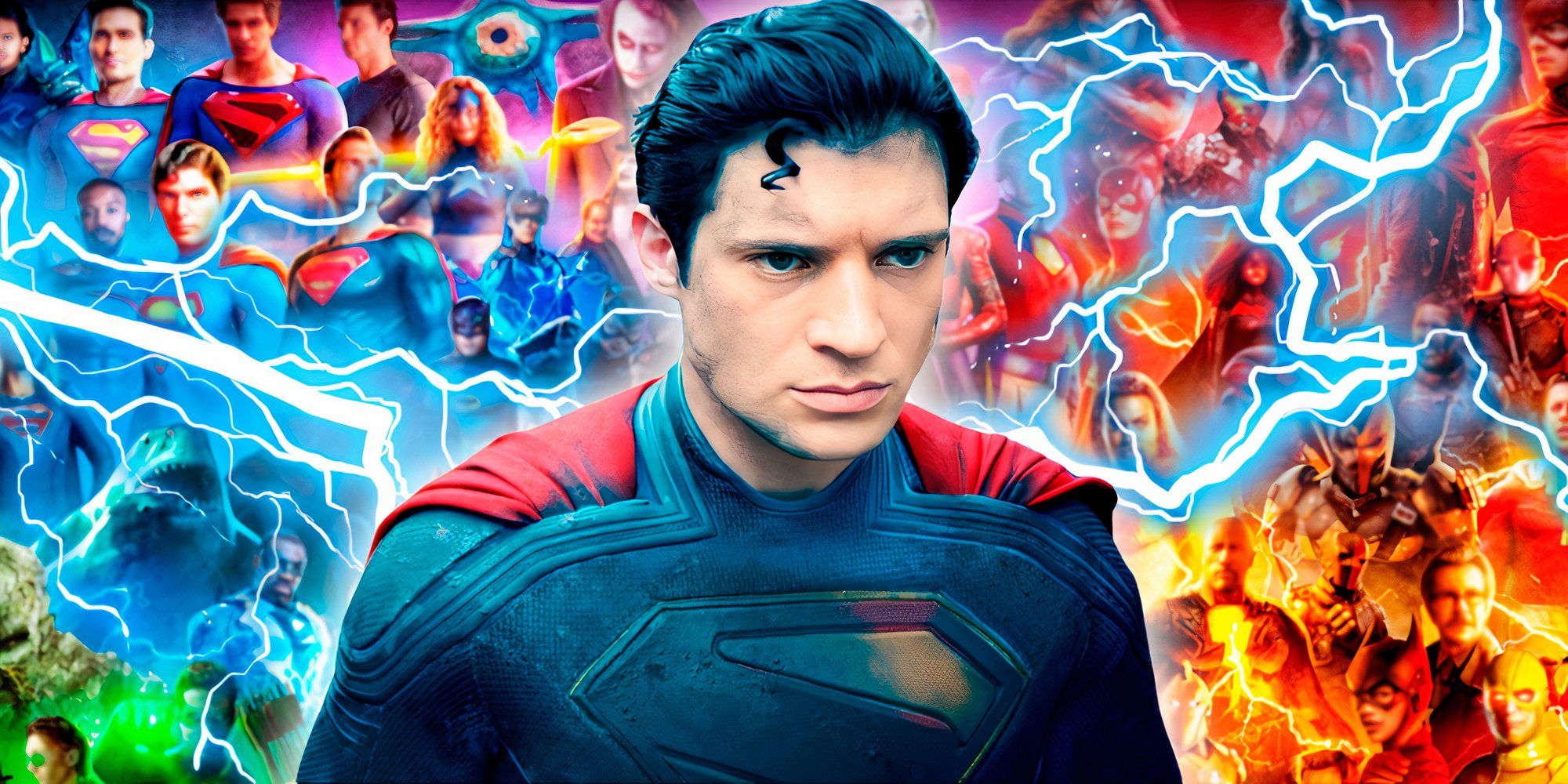
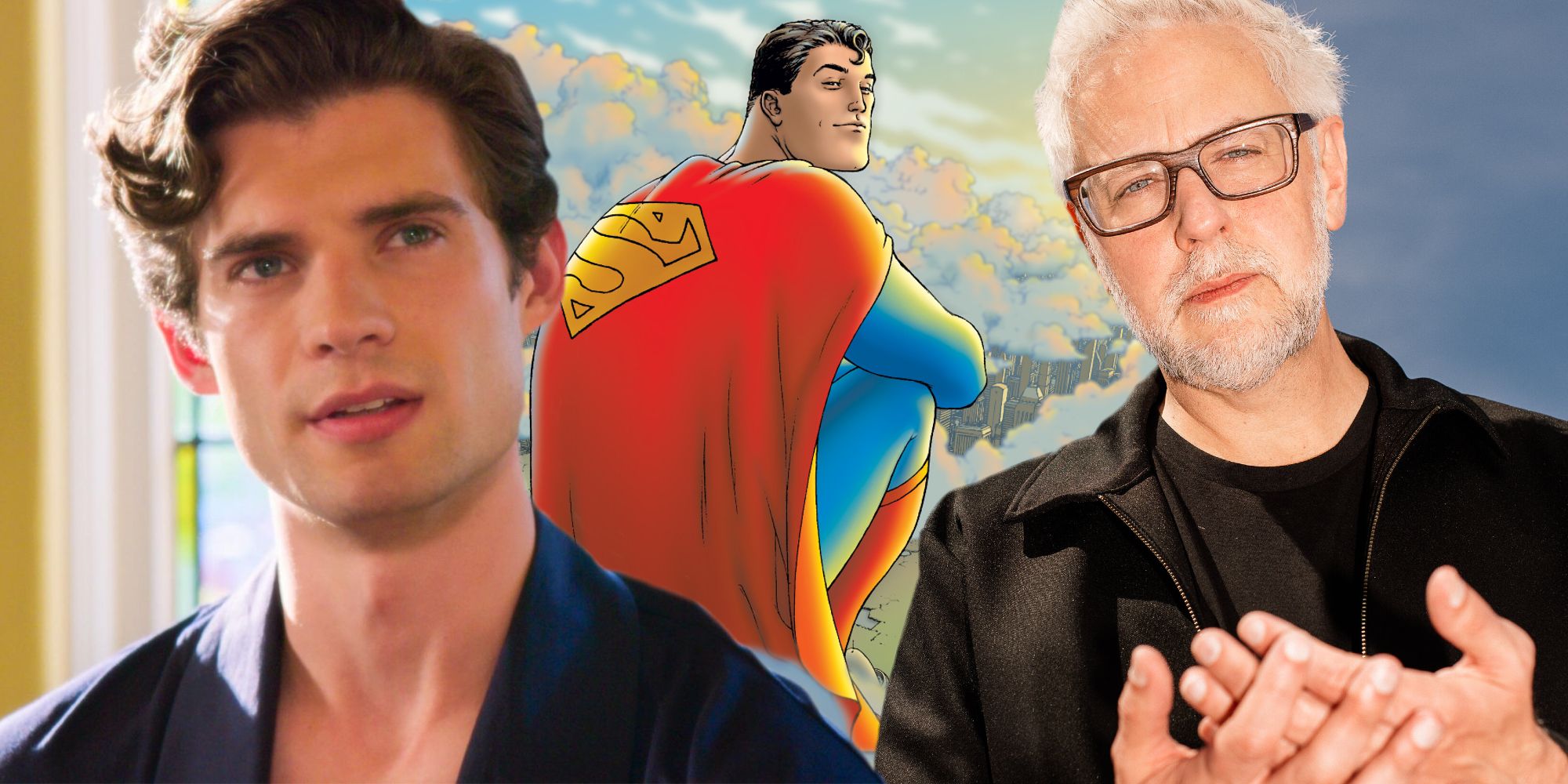
With the conclusion of the DCEU, DC Studios co-CEOs James Gunn and Peter Safran initiated a total reboot. The flagship project, Superman (originally titled Superman: Legacy), was released in July 2025 starring David Corenswet.
Corenswet's version of the character marks a return to a younger, bright-eyed hero who embodies "truth, justice, and a better tomorrow." Set in a world where superheroes already exist, Corenswet’s Superman focuses on his Kryptonian heritage and his human upbringing. His suit, featuring the iconic yellow trunks and a stylized "S" shield, signaled a departure from the darker aesthetic of the previous decade.
Comparison of Live-Action Superman Actors
The following table provides a breakdown of the primary live-action portrayals, including their media type and the specific years they were active in the role.
| Actor | Primary Title | Years Active | Media Format |
|---|---|---|---|
| Kirk Alyn | Superman (Serial) | 1948–1950 | Theatrical Serial |
| George Reeves | Adventures of Superman | 1951–1958 | Film & TV Series |
| Christopher Reeve | Superman: The Movie | 1978–1987 | Theatrical Film |
| John Haymes Newton | Superboy (Season 1) | 1988–1989 | TV Series |
| Gerard Christopher | Superboy (Seasons 2-4) | 1989–1992 | TV Series |
| Dean Cain | Lois & Clark | 1993–1997 | TV Series |
| Tom Welling | Smallville | 2001–2011 | TV Series |
| Brandon Routh | Superman Returns | 2006 | Theatrical Film |
| Henry Cavill | Man of Steel | 2013–2023 | Theatrical Film |
| Tyler Hoechlin | Superman & Lois | 2016–2024 | TV Series |
| David Corenswet | Superman (2025) | 2025–Present | Theatrical Film |
The Technical Evolution of Superman’s Powers
Depicting "the Man of Tomorrow" has always required the peak of available technology. In the 1940s, this meant literal cartoons. By the 1950s, George Reeves was suspended on hidden wires in front of a rear-projection screen, which often limited the hero's movement to a static horizontal flying pose.
The 1978 Superman film revolutionized this with Zoptic front projection. This allowed the camera to zoom in on Christopher Reeve while the background background moved independently, creating the illusion of acceleration. Today, David Corenswet and Tyler Hoechlin benefit from digital doubles and The Volume (LED wall technology), allowing for seamless interaction between the actor and a fully realized digital Metropolis.
Heat vision and X-ray vision have also evolved from simple optical flashes and overlays to complex particle physics simulations. The "Sonic Boom" effect introduced during the Henry Cavill era added a layer of physical realism—showing the environmental impact of a person moving at supersonic speeds—which has become a staple of the character's modern visual language.
Frequently Asked Questions
Who played Superman for the longest period?
Tom Welling holds the record for the longest-running live-action portrayal of Clark Kent. He starred in Smallville for 10 consecutive seasons from 2001 to 2011, appearing in 217 episodes. However, if counting only the fully realized "Superman" persona, Tyler Hoechlin and George Reeves are among the most prolific in terms of total screen time.
Why was Brandon Routh replaced by Henry Cavill?
Brandon Routh was not technically replaced; rather, the studio decided to move in a different creative direction. Superman Returns (2006) was a soft sequel to the Christopher Reeve films. When it underperformed at the box office relative to its massive budget, Warner Bros. opted for a complete reboot with Man of Steel (2013), casting Henry Cavill to start a new shared universe (the DCEU).
Are there any live-action Superman actors who appeared in other Superman projects?
Yes, the franchise is famous for its legacy casting. Kirk Alyn and Noel Neill (the original Lois Lane) appeared in the 1978 film. Christopher Reeve appeared in Smallville as Dr. Virgil Swann. Dean Cain and Teri Hatcher appeared in Supergirl. Most notably, Brandon Routh played a version of Superman again in the 2019 Crisis on Infinite Earths TV event despite having starred in the 2006 film.
Is David Corenswet’s Superman part of the same universe as Henry Cavill’s?
No. David Corenswet’s 2025 Superman is the beginning of the DC Universe (DCU), a new continuity helmed by James Gunn. This is a complete reboot and is not narratively connected to the DCEU (the "Snyderverse") that featured Henry Cavill.
Did any actor play Superman and then play a different superhero?
Several have. Brandon Routh played Superman in 2006 and later played Ray Palmer (The Atom) in the Arrowverse. Ben Affleck, who played Batman in the DCEU, previously played George Reeves (the Superman actor) in the film Hollywoodland.
Finding Your Favorite Superman
Each era of live-action Superman reflects the values and technical capabilities of its time. For those seeking a classic, hopeful hero, the Christopher Reeve films remain essential viewing. If you prefer a deep dive into the character's psychology and development, Smallville offers the most comprehensive journey. For modern viewers interested in high-octane action and contemporary stakes, the Henry Cavill and David Corenswet films provide the most updated interpretations.
To truly understand the evolution of the superhero genre, one should start with Superman: The Movie (1978) to see the blueprint, followed by Man of Steel (2013) to see the deconstruction, and finally the 2025 Superman to witness the character's modern rebirth.