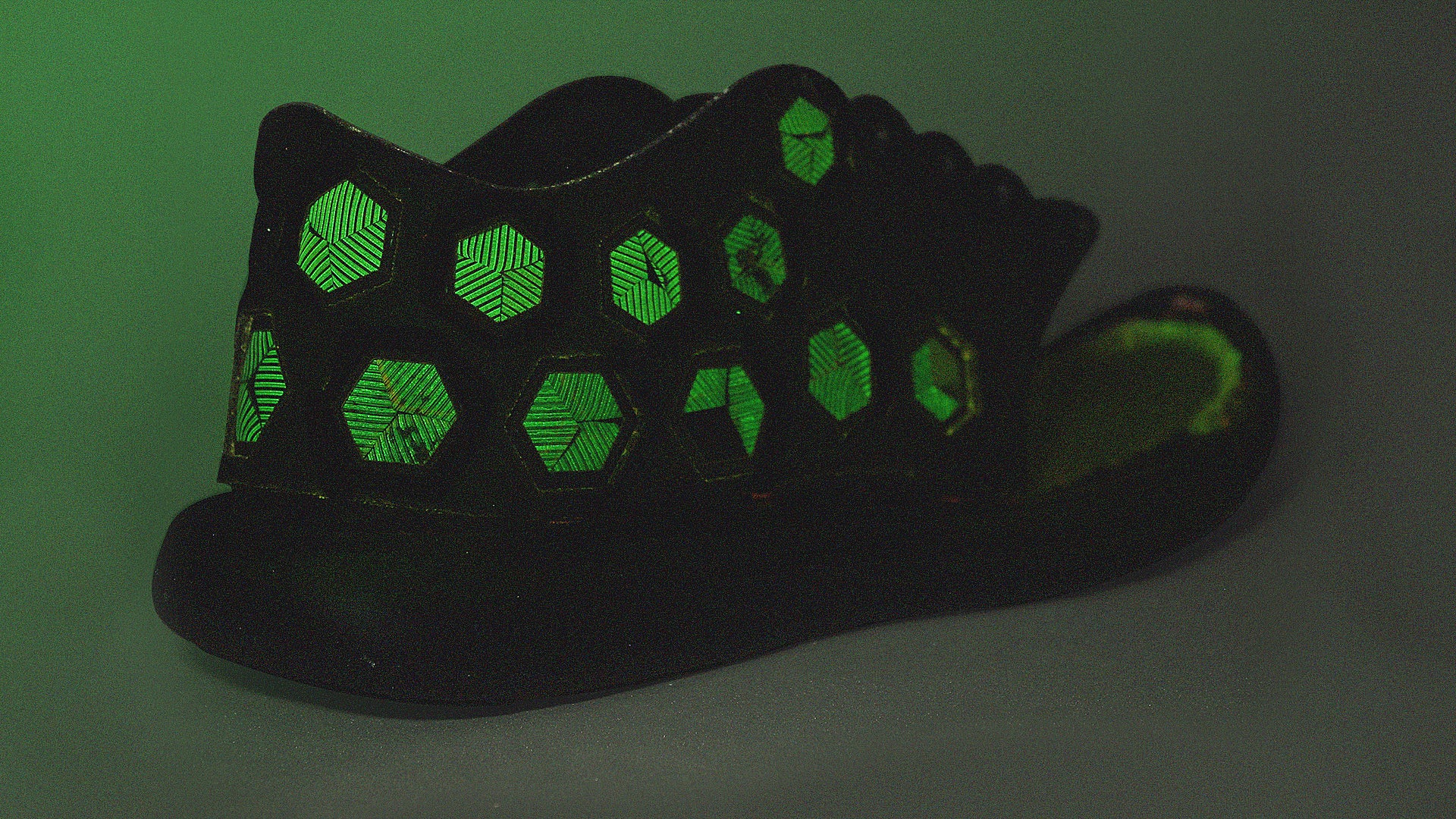
AliveShoes represents a unique intersection of high-end Italian craftsmanship and modern on-demand manufacturing, offering a platform where independent designers can launch professional footwear brands. For consumers in 2026, the brand serves as a sustainable alternative to mass-produced luxury, focusing on a pre-order model that eliminates inventory waste while providing high-performance, handcrafted shoes from the Le Marche region of Italy.
The Evolution of the AliveShoes Platform
To understand the current state of AliveShoes in 2026, one must look at its foundational business model. Unlike traditional footwear companies that manufacture thousands of units in anticipation of sales, AliveShoes operates on a zero-waste, made-to-order basis. This platform allows creators—ranging from influencers to professional designers—to design a shoe using a digital suite. Once a design is approved, it enters a "limited edition" pre-order phase. Production only begins once a specific threshold of orders is met, or when a designer chooses to fund their own small-batch production.
This model addresses one of the most significant environmental issues in the fashion industry: overproduction. By only creating what has already been purchased, AliveShoes avoids the "deadstock" phenomenon, where millions of unsold shoes end up in landfills or incinerators every year. In 2026, as environmental regulations tighten across the European Union and North America, this "slow fashion" approach has moved from a niche concept to a benchmark for ethical production.
Sustainability Profile: Beyond the Marketing
The sustainability of a footwear brand is often judged by three pillars: material sourcing, production ethics, and waste management. AliveShoes scores high in these areas due to its geographical and operational structure.
Italian Craftsmanship and Local Sourcing
All AliveShoes products are manufactured in Le Marche, Italy, a region known globally as "The Shoe Valley." This concentration of expertise is not just about quality; it is a critical component of the brand’s sustainability. Because the tanneries, sole manufacturers, and assembly workshops are located within a small geographic radius, the carbon footprint associated with transporting components is significantly lower than that of "assembled in" brands that ship parts across continents.
Ethical Labor Practices
Manufacturing in Italy ensures compliance with some of the strictest labor laws in the world. Workers in the Le Marche facilities are skilled artisans who receive fair wages and operate in safe conditions. In 2026, traceability has become a non-negotiable demand from consumers. AliveShoes leverages this by providing transparency regarding the origin of their leather and the specific workshops involved in the stitching and lasting processes.
Material Selection
AliveShoes primarily utilizes high-grade Italian leathers, including Nappa leather, suede, and polished calfskin. While leather is an animal byproduct, its longevity is a key factor in sustainability. A pair of well-made Italian leather shoes can last a decade or more if maintained, contrasting sharply with synthetic "vegan" leathers that often crack within two years and are made from petroleum-based plastics. However, the platform has also expanded its material library to include recycled textiles and bio-based synthetics for designers looking to cater to the strictly vegan market.
Performance Analysis: Comfort, Durability, and Fit
A shoe can be perfectly sustainable, but if it fails to perform as a functional piece of clothing, its environmental benefits are negated by its lack of utility. Our review of the 2026 AliveShoes catalog focuses on three key performance metrics.
1. Structural Integrity and Durability
The hallmark of AliveShoes performance is the hand-stitched construction. Most mass-market shoes use cheap adhesives that degrade over time, leading to sole separation. AliveShoes utilizes traditional Italian techniques where the upper is securely bonded and often reinforced with stitching to the midsole. This construction allows the shoe to maintain its shape even after years of heavy use. The outsoles, typically made from durable rubber or leather, are designed for high abrasion resistance, ensuring that the tread does not wear down prematurely.
2. Comfort and Ergonomics
Custom-designed shoes often face the "style over substance" critique. However, AliveShoes provides its designers with standardized, ergonomically tested "lasts" (the foot-shaped molds used to build the shoe). These lasts are developed by veteran Italian cordwainers to ensure proper arch support and heel cushioning.
Users often report a break-in period of roughly 3 to 5 wears, which is typical for high-quality leather. Once the leather conforms to the wearer's foot, the breathability of the natural linings helps regulate temperature, making them suitable for full-day wear. The inclusion of memory foam insoles in many of their sneaker designs has further bridged the gap between "luxury" and "athletic" comfort.
3. Aesthetics and Finish
Performance also relates to how a product holds its visual appeal. The quality of the dyes used in the Le Marche tanneries ensures that colors remain vibrant and do not bleed. Whether it is a high-top sneaker or a classic Chelsea boot, the "finish"—the way the shoe looks under various lighting—reflects the premium nature of the materials.
The Logistics of On-Demand Fashion
One of the most critical aspects of the AliveShoes experience is the timeline. Because the shoes are handcrafted to order, the "performance" of the service is different from traditional retail.
- Production Time: Once a design closes its pre-order window, production typically takes 4 to 6 weeks.
- Shipping: AliveShoes ships globally, usually via premium carriers like DHL or FedEx. In 2026, they have optimized their packaging to be 100% plastic-free and FSC-certified, further aligning with their sustainability goals.
- The "Hype" Factor: The wait time often adds a layer of perceived value to the product. Consumers are moving away from the "instant gratification" of fast fashion and toward a model where the anticipation of a custom-made item is part of the luxury experience.
Technical Specifications and Comparison
To provide a clearer picture of where AliveShoes sits in the 2026 market, the following table compares their standard "Premium Sneaker" line against traditional luxury brands and mass-market eco-brands.
| Feature | AliveShoes (Custom) | Traditional Luxury (Designer) | Mass-Market Eco-Brands |
|---|---|---|---|
| Manufacturing Location | Le Marche, Italy | Italy, France, or Portugal | Southeast Asia or Brazil |
| Production Model | On-Demand (Pre-order) | Seasonal Batch Production | Continuous Mass Production |
| Primary Material | Italian Leather / Recycled Mesh | Calfskin / Exotic Leathers | Recycled Plastic / Bio-Polymer |
| Price Point (Avg) | $180 - $250 | $500 - $900 | $100 - $150 |
| Durability Expectancy | 5-10 Years | 5-15 Years | 2-4 Years |
| Customization | Full Design Freedom | None (Off-the-shelf) | Limited (Colors only) |
| Waste Level | Near Zero | High (Unsold stock) | Moderate (Efficient supply chain) |
The Designer’s Perspective: Is it a Viable Platform?
For those looking at AliveShoes not just as a consumer but as a creator, the performance of the platform's backend is vital. AliveShoes provides a full suite of tools: a 3D design interface, high-quality 3D renders for marketing, and a personal shop page.
The "performance" for a designer is measured by the ease of conversion. The platform handles all logistics, from payments and manufacturing to international shipping and customer service. This allows independent artists to compete with established brands without the overhead of a warehouse or a manufacturing contract. However, the challenge remains marketing; while AliveShoes provides the "factory," the designer must provide the "audience."
Maintenance for Longevity
To maximize the sustainability of AliveShoes, owners should follow a strict maintenance regimen. This is a crucial part of the "slow fashion" philosophy.
- Conditioning: Use a high-quality leather conditioner every 3 months to prevent the hide from drying and cracking.
- Shoe Trees: Using cedar shoe trees helps maintain the shape of the shoe and absorbs moisture after wear.
- Resoling: Because of the high-quality construction, many AliveShoes models can be resoled by a professional cobbler, extending their life significantly beyond the initial wear cycle of the outsole.
- Rotation: It is recommended not to wear the same pair of leather shoes two days in a row. Giving the leather 24 hours to "rest" and dry out from foot perspiration prevents premature degradation of the internal fibers.
Potential Limitations and Considerations
While the AliveShoes model is robust, there are factors that potential buyers should weigh:
- Sizing Consistency: As designs are created by different individuals, the fit can occasionally vary slightly between styles. Users are encouraged to consult the detailed sizing charts provided for each specific last.
- Price: While significantly cheaper than "Big Fashion" luxury houses, the $200+ price point remains a barrier for some. However, when viewed through the lens of cost-per-wear, the investment is often more economical than buying multiple pairs of $60 sneakers that fail within a year.
- The Wait: The 6-week window is not suitable for "emergency" purchases. It requires a mindset shift toward planned consumption.
Frequently Asked Questions
Are AliveShoes truly made in Italy?
Yes, every pair is handcrafted in the Le Marche region. This area is legally protected and monitored to ensure that "Made in Italy" labels meet the stringent requirements of Italian law, which includes significant portions of the manufacturing process occurring within the country.
How does the pre-order model help the environment?
Traditional retail involves "push" manufacturing—making products and then trying to sell them. This results in roughly 20-30% of footwear never being sold at full price, often ending up in landfills. AliveShoes uses "pull" manufacturing, where production only triggers after a sale is confirmed, virtually eliminating production waste.
Is the leather used by AliveShoes sustainable?
The leather is sourced from Italian tanneries that must comply with strict EU environmental regulations regarding chemical use (such as REACH standards). While leather has an environmental impact, AliveShoes focuses on high-quality hides that offer extreme durability, which is a key tenet of sustainable consumption (buying less, but better).
Can I return custom-designed shoes?
Because each pair is custom-made for the buyer, returns are typically handled differently than at standard retailers. AliveShoes generally offers replacements or fixes for manufacturing defects. Buyers are encouraged to double-check their sizing using the platform's specialized fit guides before finalizing an order.
Does AliveShoes offer vegan options?
Yes, the platform has integrated various vegan-friendly materials, including high-tech synthetic leathers and recycled canvases. Designers can choose these options during the creation phase to ensure their brand is 100% cruelty-free.
Final Recommendation: A New Standard for 2026
AliveShoes is a premier choice for the conscious consumer who refuses to sacrifice style or performance for sustainability. By moving production away from the mass-market factory model and back to the artisanal workshop, they have created a system that respects both the worker and the environment.
If you are looking for a unique, high-performance shoe and are willing to wait for craftsmanship, AliveShoes offers a value proposition that is hard to match in the current footwear landscape. The combination of Le Marche quality and on-demand ethics makes it a standout example of how the fashion industry can evolve for a better future.