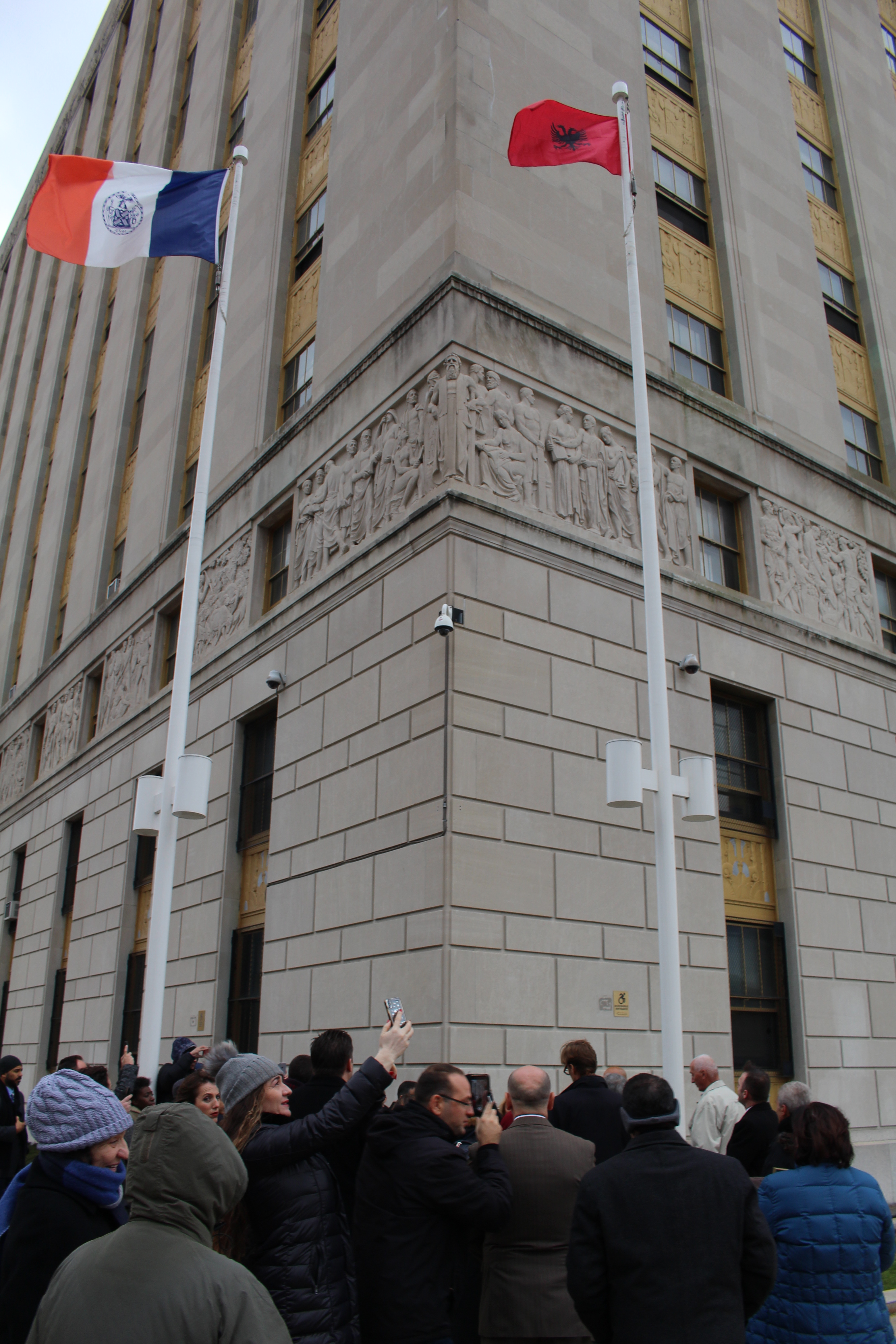
The Albanian community in the Bronx is one of the largest and most influential ethnic groups in New York City, concentrated primarily in Belmont, Pelham Bay, and Morris Park. Since the late 20th century, this vibrant diaspora has shaped the borough’s cultural and economic landscape through real estate, local business, and deep-rooted traditions.
The Historical Evolution of the Albanian Diaspora in the Bronx
The story of the Albanian community in the Bronx is one of resilience, transition, and rapid socioeconomic mobility. While small numbers of Albanians arrived in the United States in the early 20th century, the significant influx into the Bronx began in the 1960s and 1970s. During this era, many migrants arrived from the former Yugoslavia, particularly from ethnic Albanian enclaves in Montenegro and Macedonia. These early pioneers were often fleeing political instability or seeking better economic opportunities, and they settled in the Bronx due to the availability of affordable housing and the borough's existing European ethnic enclaves.
The second major wave occurred in the 1990s, following the collapse of the communist regime in Albania and the subsequent unrest in the Balkans. The 1998-1999 Kosovo War triggered a massive humanitarian crisis, leading to a surge of refugees seeking asylum in New York City. The Bronx, already home to an established Albanian network, became the primary destination for these newcomers. The established community provided a crucial support system, offering housing, job leads, and a sense of cultural continuity.
By 2026, the community has evolved from a group of struggling refugees and immigrants into a powerhouse of the Bronx's middle class. Third-generation Albanian-Americans are now prominent in law, medicine, and technology, yet many remain tied to the neighborhoods that welcomed their grandparents. This demographic continuity has prevented the "brain drain" often seen in other ethnic enclaves, as successful professionals frequently invest back into their home neighborhoods through real estate development and local commerce.
Geographic Anchors: From Little Italy to Little Albania
The geography of the Albanian Bronx is distinct and deeply integrated with the borough's history. The most famous concentration is found in the Belmont neighborhood, particularly around Arthur Avenue. Historically known as the "Little Italy of the Bronx," Belmont underwent a demographic shift starting in the 1970s. As Italian-American families moved to the suburbs, Albanian immigrants moved in, often purchasing the buildings and businesses their predecessors left behind.
In 2026, Arthur Avenue remains a unique hybrid. While it retains its Italian branding for tourism, the operational backbone of the neighborhood is heavily Albanian. Many of the celebrated Italian bakeries, butcher shops, and restaurants are owned or staffed by Albanians who have mastered the traditional Italian culinary arts while simultaneously introducing their own Balkan flavors.
Beyond Belmont, the community has expanded eastward. Pelham Bay and Morris Park have become the preferred destinations for Albanian families looking for a more suburban feel within the city limits. These neighborhoods are characterized by high rates of homeownership and a strong sense of community safety. The streets near Lydig Avenue in the Van Nest section also serve as a bustling commercial hub, where the Albanian language is heard as frequently as English, and storefronts are adorned with the iconic double-headed eagle flag.
Economic Impact and the Real Estate Sector
One cannot discuss the Albanian community in the Bronx without addressing their profound impact on the local economy, specifically in real estate and property management. A common narrative within the community is the "superintendent to owner" trajectory. Many early immigrants started as "supers" in Bronx apartment buildings, living in basement units and working long hours to maintain the properties.
Through disciplined saving and collective family investing, many of these individuals eventually purchased the buildings they once managed. By 2026, a significant percentage of the multi-family housing stock in the Bronx is owned or managed by Albanian-American firms. This has given the community substantial political and economic leverage within the borough.
The commercial sector is equally robust. Albanian entrepreneurs dominate the local restaurant industry, not only in the Bronx but across the tri-state area. In the Bronx specifically, there is a proliferation of qebaptore (grill houses) and traditional cafes. These businesses serve as more than just eateries; they are social clubs where elders gather to discuss politics and youth connect with their heritage.
| Neighborhood | Primary Influence | Key Commercial Corridors | Resident Profile |
|---|---|---|---|
| Belmont | Cultural/Culinary | Arthur Avenue, East 187th St | Mixed; high student and immigrant population |
| Pelham Bay | Residential/Homeownership | Crosby Avenue, Hobart Avenue | Established families, professional class |
| Morris Park | Business/Residential | Morris Park Avenue | Property owners, medical professionals |
| Van Nest | Transit-Oriented/Retail | Lydig Avenue, White Plains Rd | New arrivals and retail entrepreneurs |
Cultural Identity: Language, Religion, and "Besa"
The Albanian community in the Bronx is not a monolith; it is composed of individuals from Albania, Kosovo, North Macedonia, and Montenegro. Despite these different geographic origins, a shared sense of shqiptari (Albanianism) binds them together.
The Concept of Besa
At the core of the cultural identity is the ancient code of Besa, often translated as "to keep the promise" or "word of honor." Historically, Besa dictated the protection of guests and the sanctity of one's word. In the modern Bronx context, Besa manifests as a strong community safety net. If a member of the community falls on hard times or a new immigrant arrives without resources, the community feels a cultural obligation to provide assistance. This "word of honor" also underpins many business transactions within the neighborhood, which are often settled with a handshake rather than a formal contract.
Religious Diversity
The community is also notable for its religious pluralism. Unlike many ethnic groups that are centered around a single faith, Bronx Albanians are a mix of Muslims and Christians (mostly Roman Catholic). In the Bronx, these religious differences are secondary to ethnic identity. It is common to see Muslim and Catholic Albanians celebrating national holidays together, such as Independence Day (November 28). Significant religious landmarks include local mosques and the Our Lady of Shkodra Albanian Catholic Church (located just north of the Bronx in Hartsdale, but serving as the spiritual heart for many Bronx families).
Language Preservation
In 2026, the Albanian language remains vibrant in the Bronx. While younger generations are fluent in English, many attend weekend language schools to maintain their proficiency in Albanian. The use of the language in local commerce—from signs in windows to conversations in the aisles of grocery stores—ensures that the Bronx remains a linguistically rich environment.
Community Organizations and Political Representation
As the community has matured, so has its institutional infrastructure. The Albanian American Open Hand Association (AAOHA), based in the Bronx, is a leading example of the community's philanthropic spirit. Originally focused on local food pantries and clothes drives, by 2026 it has expanded its reach to provide educational scholarships and legal aid for immigrants.
Political representation has also seen a significant rise. For decades, the community was a "silent majority" in certain Bronx districts, providing the votes but rarely the candidates. This changed in the 2010s and 2020s with the rise of figures like Mark Gjonaj, who served in the New York State Assembly and the New York City Council. His success paved the way for a new generation of Albanian-American activists and public servants who are active in the Bronx's community boards and local political clubs.
These organizations and leaders focus on several key issues in 2026:
- Affordable Housing: Balancing their roles as property owners with the need for sustainable housing for all Bronxites.
- Education: Advocating for resources in Bronx public schools and establishing cultural exchange programs.
- Infrastructure: Improving the commercial corridors in Pelham Bay and Belmont to compete with digital retail.
Culinary Traditions in the Bronx
For those visiting the Bronx to experience Albanian culture, the food is the most accessible entry point. The culinary scene is defined by hearty, traditional Balkan fare.
- Burek: A flaky, filo-dough pastry filled with meat, cheese, or spinach. In the Bronx, burek shops are the equivalent of the local pizzeria, often serving as the go-to quick meal.
- Qebapa: Small, skinless grilled sausages made from minced beef or lamb, typically served with lepinja (flatbread), raw onions, and ajvar (a roasted red pepper spread).
- Flija: A labor-intensive layered pancake-like dish, traditionally cooked over coals, though Bronx ovens have adapted the process.
- Albanian Coffee Culture: The "Xhezve" or Turkish-style coffee remains a staple, but the community has also embraced high-end espresso culture, mirroring the sophisticated cafe scenes of Tirana and Pristina.
Challenges and Future Outlook
Despite its successes, the community faces challenges in 2026. Gentrification in the South Bronx is slowly moving northward, putting pressure on property taxes and small business rents in neighborhoods like Belmont. There is also the natural tension of assimilation; as the fourth generation of Albanian-Americans comes of age, community leaders are working harder to ensure that the "Albanian" part of the hyphenated identity remains more than just a memory.
Furthermore, the community is navigating the complexities of post-pandemic urban life. Many Albanian-owned businesses in the Bronx were hard-hit by the economic shifts of the early 2020s, requiring a pivot toward more modernized business models and digital integration. However, the foundational strength of the family unit and the collective investment strategy of the diaspora suggest that the Albanian presence in the Bronx will remain a defining feature of the borough for decades to come.
Frequently Asked Questions
Where is "Little Albania" located in the Bronx?
While there is no official "Little Albania" designation on all city maps, the term most commonly refers to the area around Arthur Avenue in Belmont and the commercial stretch of Lydig Avenue in Van Nest. These areas have the highest density of Albanian-owned businesses and cultural markers.
Why is there such a large Albanian population in the Bronx?
The population grew through "chain migration." Early immigrants in the 1960s and 70s established a foothold. When subsequent waves arrived—particularly during the 1990s Balkans conflicts—they settled near friends and family in the Bronx who could provide jobs in real estate and the service industry.
What is the primary religion of Albanians in the Bronx?
The community is religiously diverse, comprising both Muslims and Roman Catholics. Unlike many other ethnic groups, Albanian identity is usually prioritized over religious affiliation, leading to a high degree of social cohesion and interfaith cooperation within the Bronx diaspora.
Can I find traditional Albanian food on Arthur Avenue?
Yes. While Arthur Avenue is famous for Italian food, many of the establishments are Albanian-owned. You can find traditional burek shops and cafes interspersed with Italian delis. Some restaurants even offer "secret" Albanian menus or specific dishes like tavë kosi (lamb with yogurt) upon request.
How has the community changed by 2026?
By 2026, the community has seen a significant rise in professional and political influence. While the older generation remains focused on real estate and small business, the younger generation has diversified into tech, law, and city government, while still maintaining strong residential roots in the Bronx.
Recommendations for Visitors and Residents
If you are looking to engage with the Albanian community in the Bronx, start with a walking tour of the Lydig Avenue corridor. This offers a more "local" and less tourist-oriented view of the community than Arthur Avenue. Visit a traditional qebaptore for lunch and stop by a local grocery store to find imported goods from the Balkans, such as mountain tea (çaj mali) or specialty cheeses.
For those interested in the history of the neighborhood, the Belmont Business Improvement District provides context on the evolving ownership of the area’s historic shops. Additionally, checking the NYC Department of City Planning neighborhood profiles can provide the most recent 2026 demographic data for those researching the borough's shifting populations.
The Albanian community’s journey in the Bronx is a testament to the borough's enduring role as a gateway for the American Dream. Through a combination of hard work, family loyalty, and the cultural mandate of Besa, they have transformed the Bronx into a vibrant hub of Balkan culture in the heart of New York City.