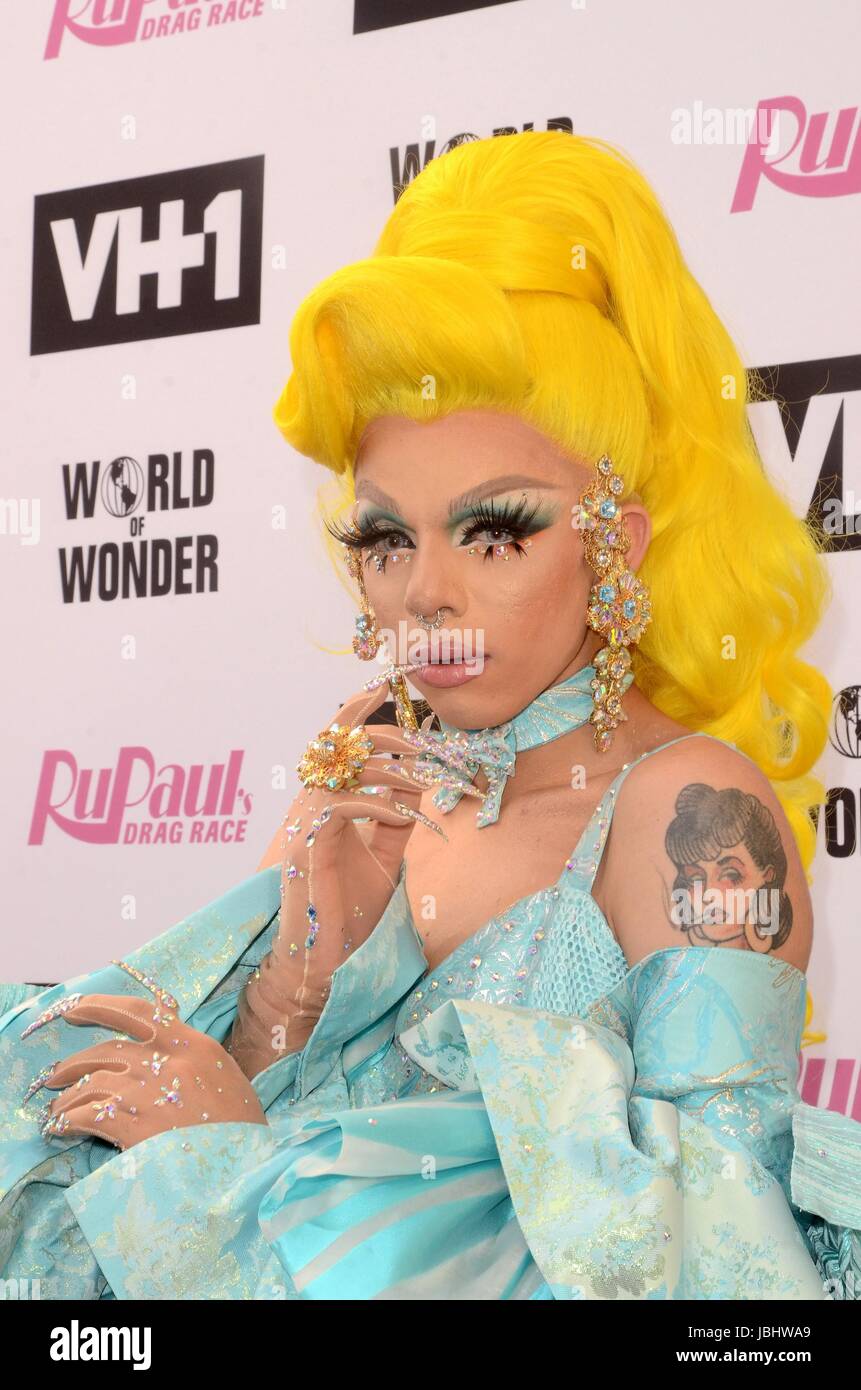
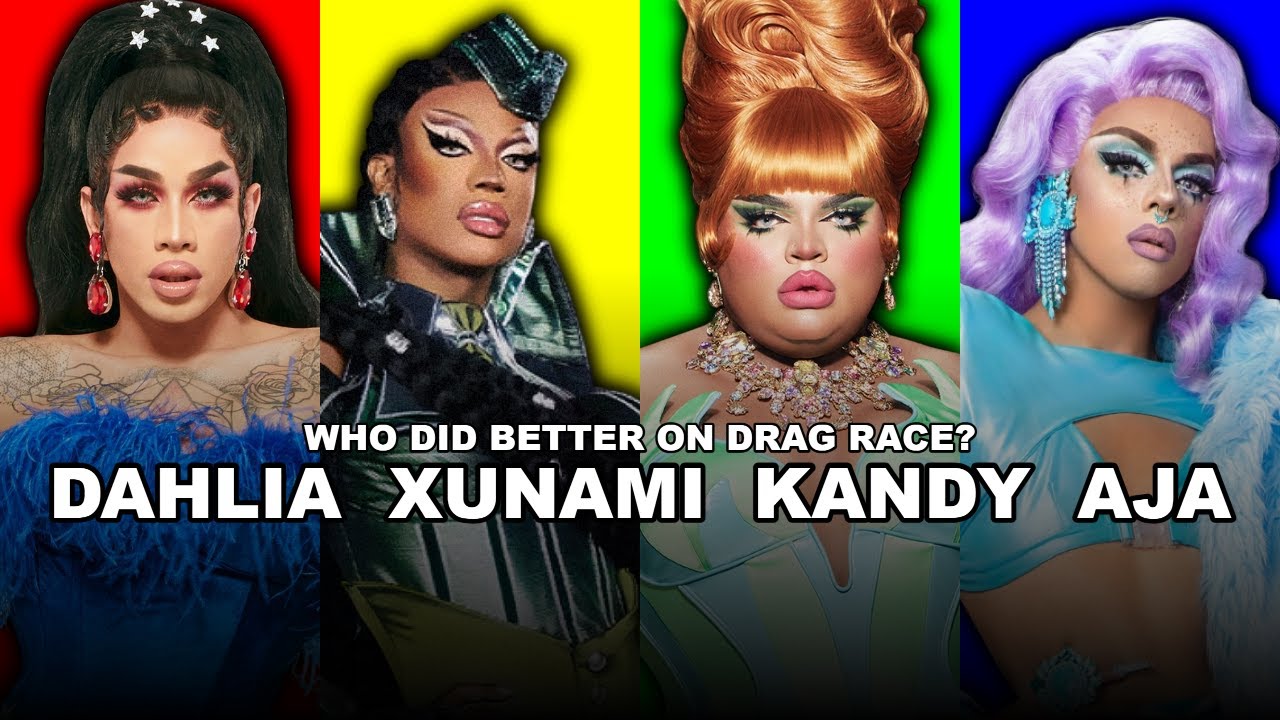
The assertion that Aja—the New York City-based performer and recording artist—no longer performs in drag reflects a significant shift in their professional identity that began in 2018 and solidified in subsequent years. While Aja rose to prominence through competitive drag and nightlife, they have since transitioned to prioritizing their identity as an independent musician and non-binary artist, moving away from the conventional drag circuit to focus on studio production and live music performance.
The Trajectory of Aja’s Public Identity
To understand the current professional standing of Aja, one must look at the timeline of their career. Aja first gained international recognition as a contestant on the ninth season of RuPaul’s Drag Race and subsequently on RuPaul’s Drag Race All Stars season 3. During this period, the "drag" label was the primary vehicle through which they presented their art.
However, as early as mid-2018, Aja began expressing a desire to be recognized as a musical artist rather than solely as a "drag queen." This was not merely a change in aesthetic; it was a fundamental shift in how they classified their labor. For many performers in the drag industry, the transition from contestant to mainstream musician is a common aspiration, but for Aja, it involved a conscious effort to dismantle the specific performance expectations associated with the drag pageant and club circuits.
Distinguishing Drag from Gender Expression
A critical point of nuance in this discussion is the distinction between drag as a form of performance art and drag as a reflection of gender identity. Aja identifies as non-binary and uses they/them pronouns. For many artists who identify under the non-binary or trans umbrella, the distinction between "doing drag" and "simply existing" is stark.
Aja has consistently maintained that their personal presentation is not a costume. By stepping away from the drag performance scene, they sought to remove the "performance" element that audiences often conflate with gender non-conformity. When Aja states that they no longer perform in drag, they are signaling a departure from the industry standards of lip-syncing, wig-styling, and pageant-style artistry that define the mainstream drag profession. Instead, their current stage presence is centered on vocal performance and their original musical catalog.
Transitioning to Music: The Professional Pivot
The pivot toward music was not a sudden decision but a gradual migration of resources. Following their exit from the Drag Race platform, Aja invested heavily in studio time and production. Their early musical releases were still heavily associated with the drag community, but as their discography grew, the themes became increasingly introspective and detached from drag culture tropes.
Key Factors in the Professional Shift
- Creative Autonomy: Moving away from the drag performance circuit allowed Aja to dictate their own tour schedules and creative direction without the oversight of the nightlife management typical of professional drag performers.
- Industry Classification: By distancing themselves from the "drag queen" descriptor, Aja aimed to be taken seriously by music industry stakeholders who might otherwise relegate them to "reality TV" or "niche performance" categories.
- Artistic Evolution: The move allowed for a more raw, authentic presentation of their voice, focusing on musical composition, lyrical depth, and genre experimentation that is often stifled in the high-energy, visual-first world of drag performance.
Comparative Overview: Drag Performance vs. Independent Music
The following table highlights the operational differences in how Aja has transitioned their career trajectory.
| Feature | Professional Drag Performance | Independent Music Career |
|---|---|---|
| Primary Skill | Lip-syncing, costume design, comedy | Songwriting, vocal performance, production |
| Target Audience | Nightlife, drag clubs, convention panels | Music venues, festivals, streaming platforms |
| Industry Standing | Participant in reality-TV culture | Independent musical recording artist |
| Artistic Focus | Visual transformation and spectacle | Sonic identity and lyrical storytelling |
Challenges of Rebranding in the Public Eye
One of the most significant challenges for a performer known for drag is the audience's expectation of consistency. For years, fans expected Aja to return to the stage in full makeup and elaborate gowns. Navigating the disappointment of fans who feel entitled to a specific iteration of an artist is a common byproduct of reality television fame.
Aja has faced scrutiny regarding their departure from the drag scene, with some fans interpreting the shift as a rejection of their past. However, within the arts, such a departure is categorized as professional growth. By focusing on music, Aja has successfully navigated the difficult task of rebranding, ensuring that their work is evaluated on the merit of its sound rather than the quality of its aesthetic spectacle.
The Role of Social Media and Public Perception
In 2026, the internet often serves as a living archive that resists the evolution of an artist. Even as Aja produces new music that bears no resemblance to their previous drag persona, they are frequently tagged in content or asked questions related to their former career. This "digital permanence" makes it difficult for any performer to completely shed a public identity.
Aja’s approach has been to pivot their social media presence to reflect their new priorities. By engaging directly with fans about their music and their life as a non-binary person—rather than as a drag performer—they continue to set boundaries. This is a common and necessary strategy for artists seeking to reclaim their narrative from the constraints of a reality TV persona.
Frequently Asked Questions
Did Aja stop performing completely?
No, Aja has not stopped performing. They remain an active musician and live performer. However, they have stopped performing under the specific umbrella of "drag," meaning they no longer engage in the traditional lip-syncing and pageant-circuit performances that made them a household name on RuPaul's Drag Race.
Why did Aja decide to leave the drag scene?
Aja has cited a desire for creative freedom and the need to be recognized as a legitimate musical artist. They expressed frustration with being pigeonholed as a reality television personality and wanted their art to be judged by their musical output rather than their status as a "drag queen."
Is Aja’s non-binary identity linked to their retirement from drag?
Yes, Aja has spoken about the complexity of being a non-binary person in a profession that often views drag as a performance rather than a lived reality. By moving away from drag, Aja has sought to ensure that their identity is not confused with a performance piece or a stage character.
Can I still see Aja in a "drag" context?
While you may see archived footage from their time on television or early club appearances, Aja does not book, advertise, or perform in events billed as drag shows. Fans interested in their current work should seek out their musical releases and live concerts, which prioritize their original compositions.
Does this mean Aja regrets their time on Drag Race?
It is important to distinguish between "not wanting to do drag anymore" and "regretting one's history." Aja has navigated the industry by using their past as a stepping stone rather than an anchor. While they have been vocal about the limitations of the industry, they recognize that their professional foundation was built during that period.
Conclusion and Next Actions
The evolution of Aja from a celebrated drag performer to an independent musical artist highlights the difficulty and necessity of artistic autonomy. For fans looking to support their current work, the most effective approach is to focus on their latest discography and live musical performances rather than focusing on the past. If you are interested in following their current path, monitor their official music streaming profiles and independent performance announcements to stay updated on their latest musical projects and concert dates. Supporting their transition means respecting their current boundaries and engaging with the art they are creating in the present.