Professional air duct mold remediation in Mobile, AL, involves a specialized process of inspecting HVAC systems, containing spores, and using NADCA-certified cleaning methods to remove fungal growth. Given Mobile’s high humidity, this service is essential for maintaining indoor air quality and preventing structural damage or health issues related to mold exposure.
The coastal climate of Mobile, Alabama, presents a unique set of challenges for homeowners and commercial property managers. With annual rainfall often exceeding 65 inches and relative humidity levels frequently hovering above 70%, the region provides a near-perfect breeding ground for mold and mildew within heating, ventilation, and air conditioning (HVAC) systems. When mold colonizes air ducts, it does more than just create a foul odor; it compromises the mechanical integrity of the system and poses significant health risks to the building’s occupants.
Understanding the complexities of mold remediation requires a look at the intersection of microbiology, building science, and mechanical engineering. In 2026, the industry has shifted toward more integrated approaches that combine physical removal with advanced moisture control strategies to ensure that once mold is removed, it does not return.
The Unique Environmental Challenges of Mobile, Alabama
Mobile is consistently ranked as one of the rainiest cities in the United States. This environmental factor is the primary driver for air duct contamination in the region. In a typical Mobile summer, air conditioning systems run almost continuously to combat the heat and humidity. When warm, moist air enters the cool environment of an air duct, condensation occurs.
If the HVAC system is not perfectly sealed or if the insulation is compromised, this moisture provides the necessary hydration for dormant mold spores to activate. Furthermore, the presence of organic "food" sources within the ducts—such as accumulated dust, skin cells, and pet dander—allows mold colonies to thrive. Unlike drier climates where mold might be an occasional issue caused by a leak, in Mobile, the threat is persistent and atmospheric.
The Role of Relative Humidity
For mold to grow, it generally requires a relative humidity (RH) level of 60% or higher. In Mobile, the outdoor RH often stays well above this threshold for months at a time. If an HVAC system is oversized—a common issue in older Southern homes—it may cool the air too quickly without running long enough to remove sufficient moisture. This leads to "short-cycling," which leaves the ductwork damp and susceptible to rapid fungal proliferation.
Identifying Mold Contamination in HVAC Systems
Detecting mold in air ducts is not always straightforward, as much of the system is hidden behind walls and ceilings. However, there are several indicators that remediation is necessary.
Visual Cues and Surface Growth
The most obvious sign is visible mold growth on the plastic or metal surfaces of supply registers (the vents where air enters the room). This often appears as "fuzzy" spots or dark, circular stains. It is important to distinguish between "ghosting"—which is the accumulation of soot or dust due to static electricity—and actual fungal growth. Mold will often have a dimensional texture and may appear in colors ranging from black and green to white or orange.
Olfactory Detection
A persistent "musty" or "earthy" smell that intensifies when the AC or heat turns on is a hallmark of mold presence. This odor is caused by microbial volatile organic compounds (mVOCs), which are gases released by mold during its metabolic cycle. In the humid environment of the Gulf Coast, these odors can become trapped in porous materials like carpets and curtains, but the source is often the evaporator coil or the internally lined ductwork.
Health Indicators
Occupants may experience "Sick Building Syndrome" (SBS) symptoms, which improve when they leave the premises. Common complaints include:
- Unexplained coughing or wheezing.
- Persistent nasal congestion or sinus infections.
- Red, itchy, or watery eyes.
- Skin rashes or exacerbation of asthma.
The Technical Process of Mold Remediation
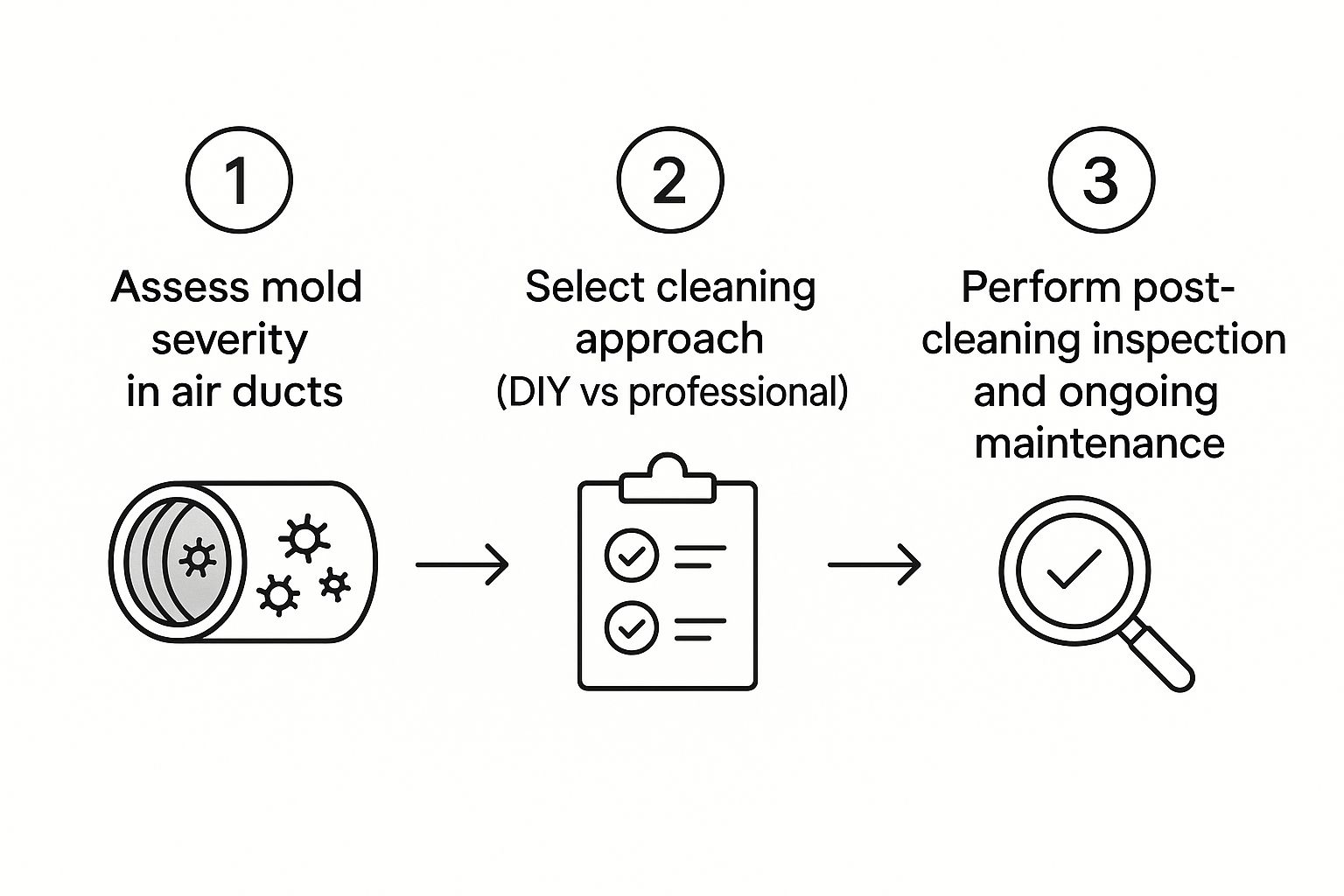
In 2026, professional remediation in Mobile follows strict protocols established by the National Air Duct Cleaners Association (NADCA) and the Environmental Protection Agency (EPA). A "simple cleaning" is rarely sufficient for mold; a comprehensive remediation strategy is required.
1. Initial Assessment and Containment
The process begins with a thorough inspection of the entire air handling unit (AHU), including the evaporator coils, blower motor, and the internal surfaces of the ducts. Technicians use borescope cameras to see deep into the trunk lines.
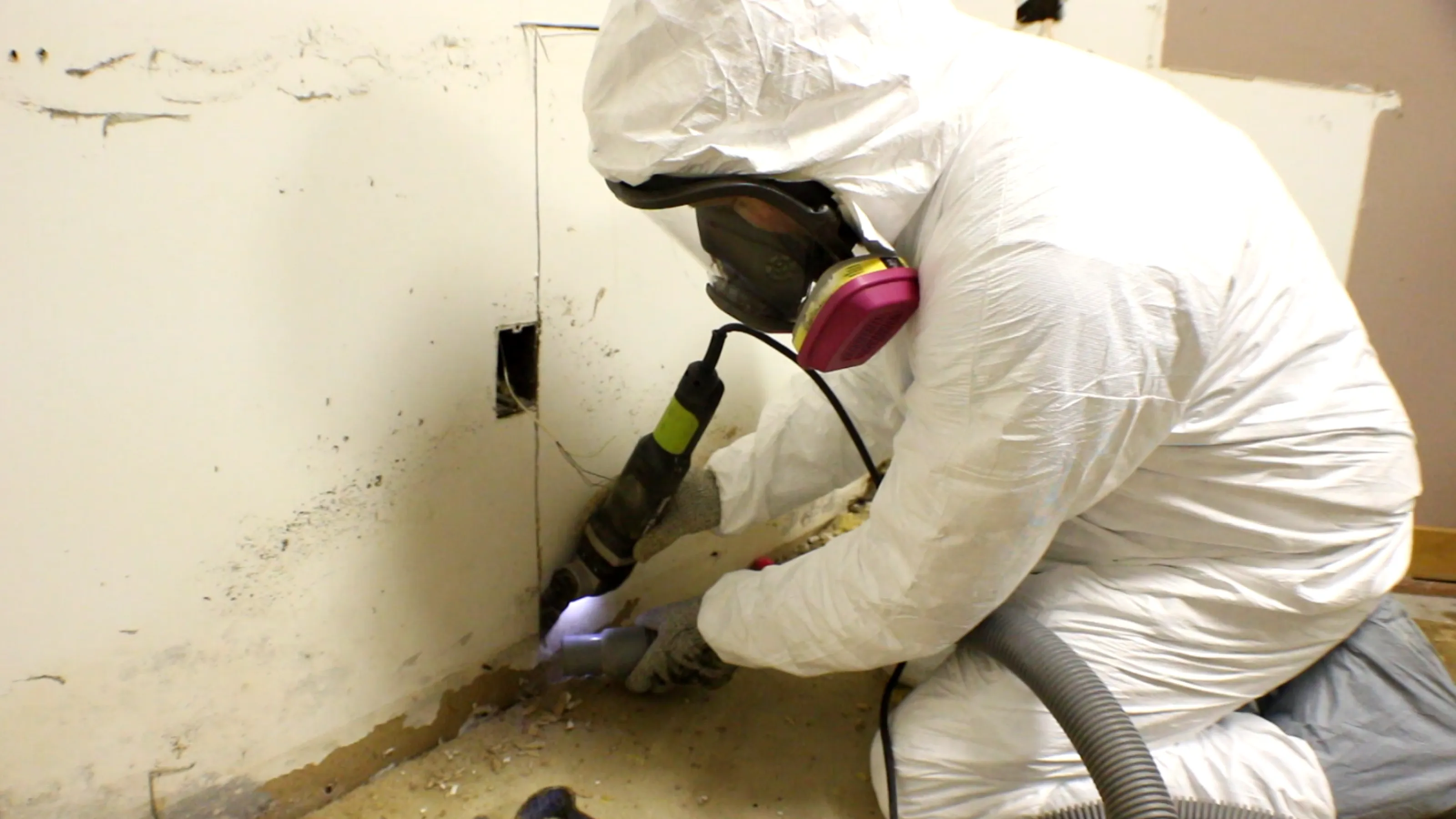
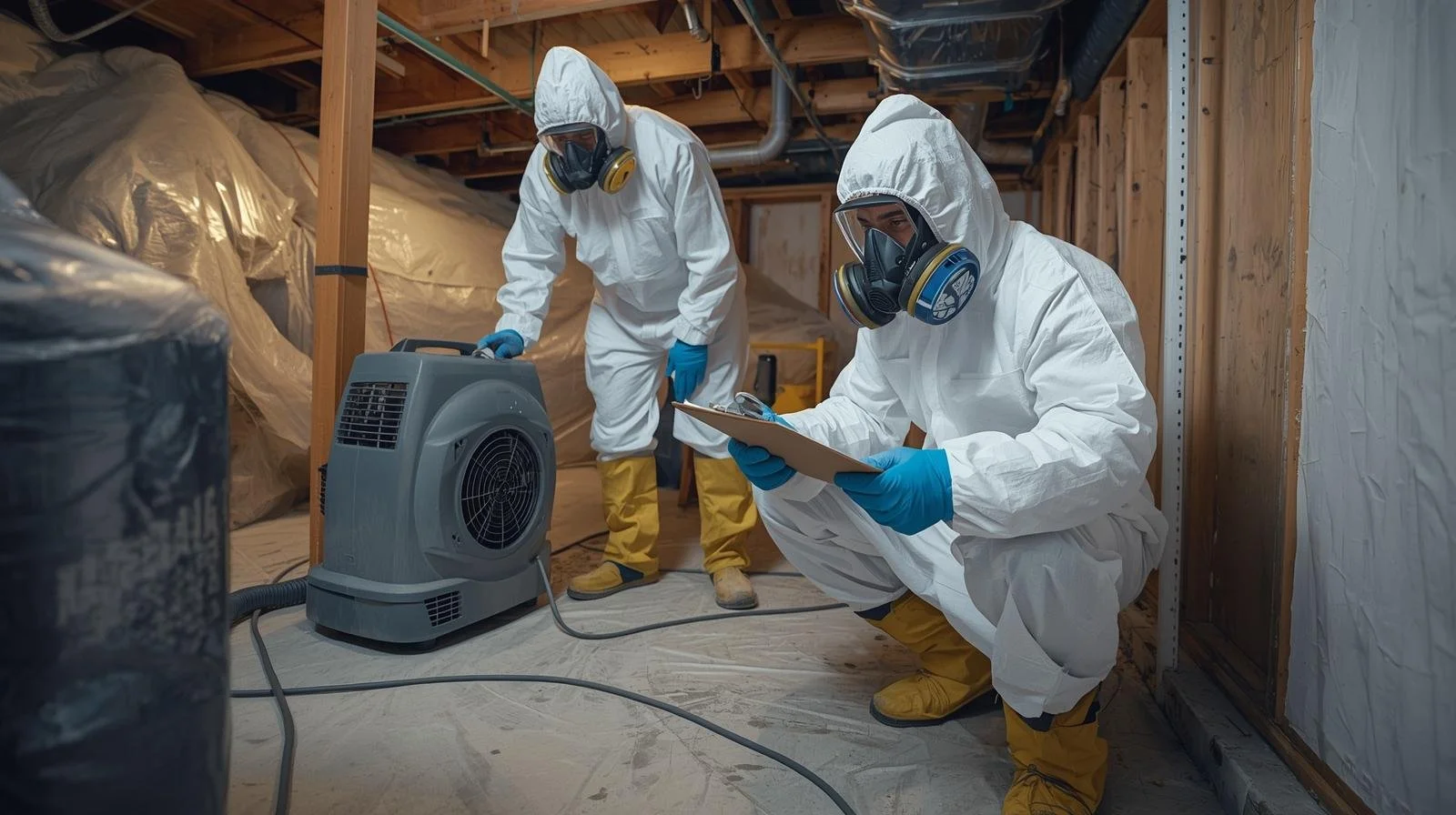
Once mold is confirmed, containment is critical. To prevent the spread of spores to unaffected areas of the home during cleaning, the work area is often placed under negative pressure using HEPA-filtered air scrubbers. Supply and return vents are sealed, and the HVAC system is isolated.
2. Mechanical Agitation and HEPA Vacuuming
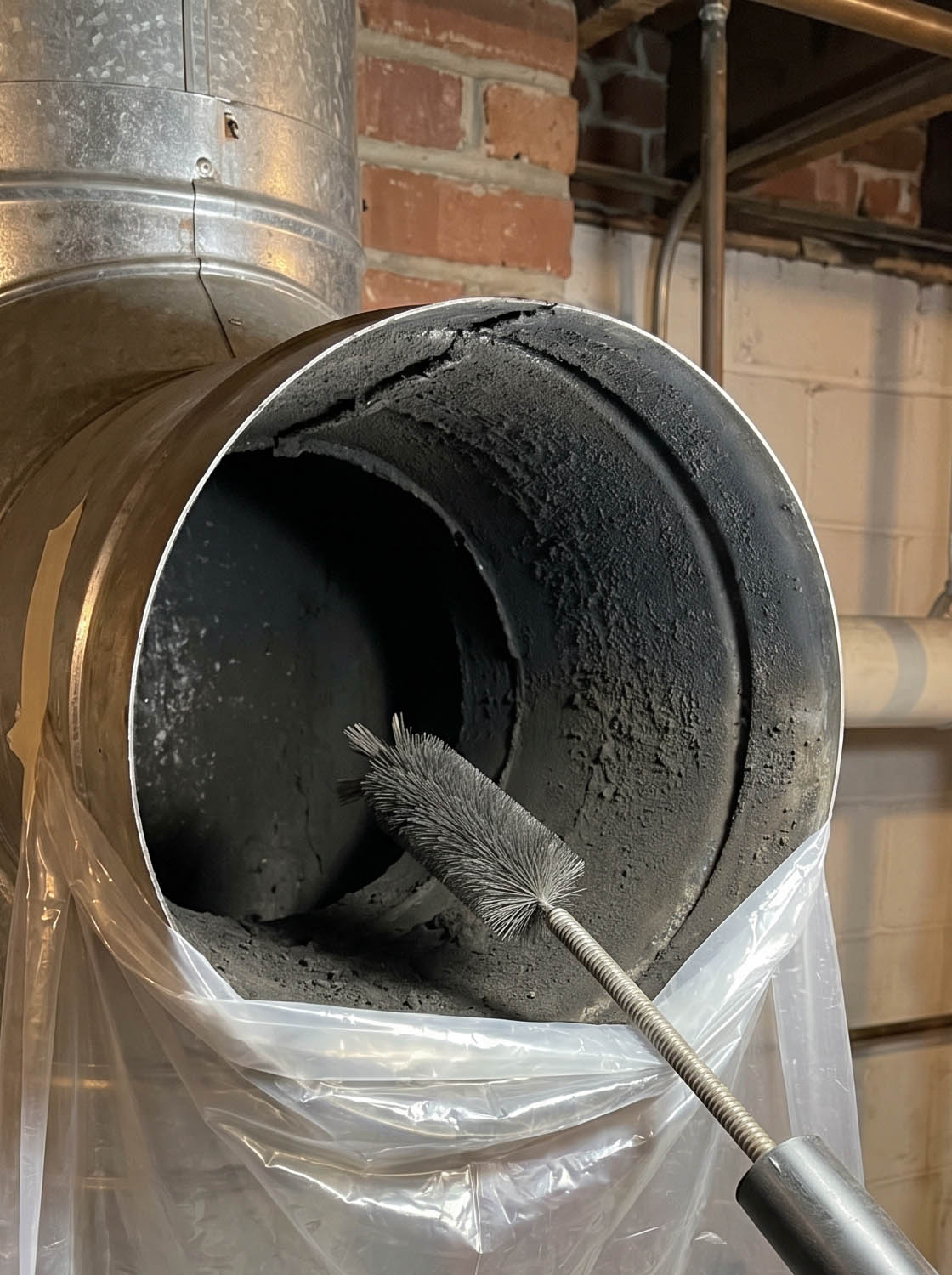
Mold cannot be effectively killed by sprays alone; it must be physically removed. Professionals use specialized tools such as rotating brushes, air whips, and "skipper balls" to dislodge mold from the duct walls. Simultaneously, a high-powered vacuum system (equipped with High-Efficiency Particulate Air filters) creates a powerful suction that draws the dislodged debris out of the home and into a collection container.
3. Cleaning the Critical Components
Mold often starts on the evaporator coil because it is the coldest and dampest part of the system. Remediation must include:
- Coil Cleaning: Using alkaline or acidic cleaners (depending on the coil type) to strip away fungal mats.
- Drain Pan Disinfection: Ensuring the primary and secondary drain pans are clear of "slime" (bacterial and fungal biofilms) and that the condensate lines are flowing freely.
- Blower Assembly: Removing the fan and housing to clean the blades, where dust and mold often accumulate.
4. Antimicrobial Treatment and Encapsulation
After physical cleaning, an EPA-registered antimicrobial solution is often applied to the non-porous surfaces of the ductwork. This solution is designed to kill any remaining microscopic spores. In cases where the internal fiberglass insulation (duct liner) is contaminated, it may be necessary to apply an encapsulant—a specialized coating that seals the fibers and prevents spores from becoming airborne. However, if the liner is heavily saturated, the standard recommendation is complete replacement of that duct section.
Comparison of Air Duct Maintenance Approaches
| Feature | Standard Duct Cleaning | Professional Mold Remediation | DIY Vent Cleaning |
|---|---|---|---|
| Primary Goal | Dust and debris removal | Fungal eradication and sanitization | Surface aesthetics |
| Tools Used | Basic vacuum and brushes | HEPA vacuums, air whips, biocides | Shop-vac and rags |
| Containment | Minimal to none | High (Negative pressure) | None |
| Verification | Visual inspection | Lab testing/Moisture mapping | Visual inspection |
| Effectiveness | High for allergies | Essential for mold/health | Low/Temporary |
| Average Cost | $400 - $800 | $1,500 - $4,500+ | $20 - $50 |
Cost Factors for Mobile Residents
The cost of mold remediation in Mobile, AL, varies significantly based on several factors unique to the region's architecture and the extent of the infestation.
- System Size and Accessibility: A single-story ranch home in Midtown Mobile will be less expensive to treat than a multi-story historic home in the De Tonti Square District. Difficult access to crawlspaces or tight attics increases labor costs.
- Type of Ductwork: Metal ducts are easier to clean and sanitize than flexible ductwork (flex-duct). If mold has penetrated the porous inner liner of flex-ducts, remediation often requires full replacement of the runs, which is more costly than cleaning.
- Severity of Contamination: A localized issue near the plenum is a minor project. A systemic infestation that has reached every branch line requires significantly more time and material.
- Post-Remediation Testing: Many homeowners opt for independent third-party air quality testing after the job is done to verify that spore counts have returned to "background" levels. This typically adds $300 to $600 to the total investment.
Preventing Recurrence in a High-Humidity Climate
In Mobile, remediation is only half the battle. Without addressing the underlying moisture issue, mold will likely return within a few seasons.
Dehumidification Systems
Whole-home dehumidifiers are the gold standard for Mobile residents. These units are integrated into the HVAC system and pull moisture from the air independently of the cooling cycle. Maintaining an indoor RH below 50% effectively "starves" mold of the moisture it needs to survive.
UV-C Germicidal Lights
Installing UV-C lamps inside the air handler—specifically aimed at the evaporator coil—can prevent new colonies from forming. The ultraviolet light disrupts the DNA of mold spores and bacteria, rendering them unable to reproduce.
Improved Filtration
Moving from standard fiberglass filters to high-MERV (Minimum Efficiency Reporting Value) pleated filters helps capture smaller mold spores before they enter the ductwork. In 2026, MERV 11 to MERV 13 filters are the recommended standard for residential systems, provided the HVAC motor is rated to handle the increased static pressure.
Regulatory Standards and Liability
It is crucial to hire contractors who adhere to the EPA's "Mold Remediation in Schools and Commercial Buildings" guidelines, which are also applicable to residential settings. In Alabama, while there is no specific state license strictly for "mold remediation," reputable contractors should hold an Alabama HVAC Contractor License and carry specific insurance riders for environmental or mold-related work.
Failure to follow proper containment protocols can lead to cross-contamination, where mold spores are spread throughout the house, potentially leading to much higher repair costs and legal liabilities if the property is a rental or is being sold.
Frequently Asked Questions
Can I just spray bleach in my vents to kill the mold?
No. Bleach is not recommended for mold remediation on porous or semi-porous surfaces like duct liners or dust accumulations. The water content in bleach can actually soak into the material and encourage more mold growth, while the chlorine stays on the surface. Furthermore, spraying liquids into an HVAC system can damage sensitive components and sensors.
How long does the remediation process take?
For a standard 2,000-square-foot home in Mobile, a professional crew can typically complete a full remediation in one to two days. This includes the setup of containment, mechanical cleaning, sanitization, and the drying of the system.
Will my homeowners insurance cover mold in my air ducts?
In most cases, insurance covers mold only if it is the result of a "covered peril," such as a sudden pipe burst or water damage from a hurricane. Mold caused by high humidity, poor maintenance, or "wear and tear" is generally excluded from standard policies. It is important to review your specific policy riders regarding mold.
Is "black mold" in air ducts more dangerous than other types?
The term "black mold" usually refers to Stachybotrys chartarum, but many types of mold are black and not all are equally toxic. However, the EPA maintains that all mold in an indoor environment should be treated with the same level of caution regardless of its color or species, as all can cause allergic reactions or respiratory issues in sensitive individuals.
How often should I have my ducts cleaned in Mobile to prevent mold?
While the EPA does not recommend a specific schedule for duct cleaning, in the humid Mobile climate, a professional inspection every 2 to 3 years is prudent. Cleaning should be performed whenever there is a visible accumulation of debris or any sign of moisture intrusion.
Final Recommendation for Mobile Property Owners
If you suspect mold in your HVAC system, do not wait for the problem to resolve itself. The humidity in Mobile, AL, ensures that mold will continue to grow as long as it has a moisture source. Your first step should be a professional inspection by a NADCA-certified technician who can provide a documented assessment of the system's condition. Prioritize companies that offer a comprehensive solution—not just cleaning, but also moisture control recommendations like dehumidification or duct sealing—to ensure your indoor air remains healthy for years to come.