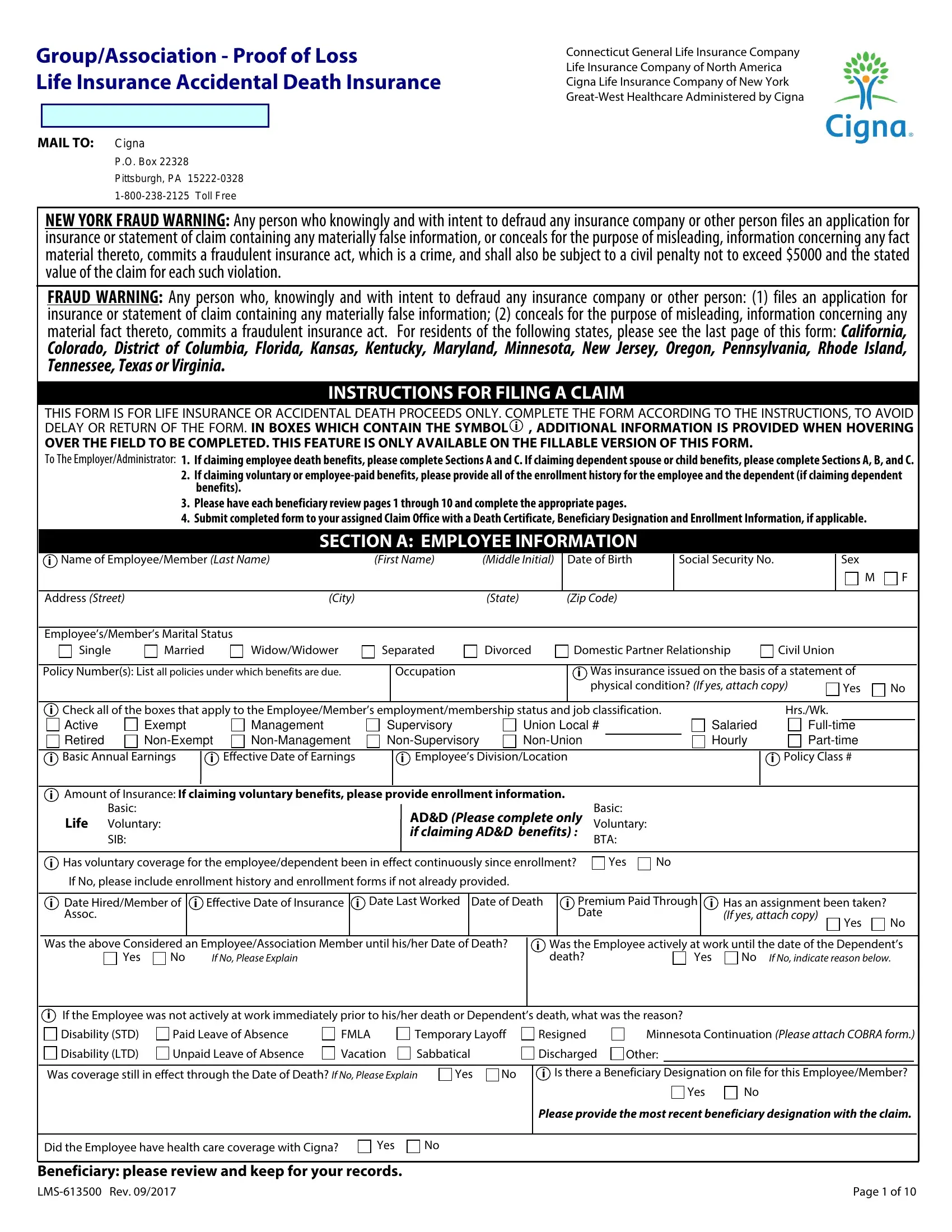
Transferring ownership of an AIG life insurance policy is a formal legal and financial process that involves assigning all rights, benefits, and obligations of the contract from the current policyowner to another individual, entity, or trust. This procedure, often referred to as an "absolute assignment," permanently changes the party who holds control over the policy, including the right to change beneficiaries, take loans against the cash value, or surrender the policy for its cash surrender value.
Understanding the Concept of Policy Ownership
In the context of life insurance, the "owner" is the person or entity who holds the legal title to the policy. The owner does not necessarily have to be the "insured" (the person whose life is covered). While the owner and the insured are frequently the same person in individual policies, there are many scenarios where ownership differs.
When you transfer ownership, you are effectively gifting or selling the policy rights to another party. For permanent life insurance policies—such as Whole Life or Universal Life—this transfer includes the policy's cash value. For term life insurance, the transfer typically involves the right to maintain the policy, pay premiums, and designate beneficiaries. Once the transfer is formalized with AIG, the original owner relinquishes all future control, and the new owner gains the legal standing to manage every aspect of the policy according to the policy contract’s terms.
Prerequisites for Transferring Ownership
Before initiating the paperwork, it is vital to verify that the transfer is permissible under your specific policy type and current situation.
- Policy Status: The policy must be in force (active and not lapsed). Policies currently under a premium waiver claim or those with certain legal encumbrances (such as a pending divorce order or a lien) may face restrictions.
- Assignee Eligibility: The new owner must have an insurable interest in the insured. While this is straightforward when transferring to a spouse or child, transfers to third parties or unrelated entities may be subject to stricter underwriting or regulatory scrutiny to prevent speculation.
- Documentation: AIG requires specific forms to be completed. Because this constitutes a legal change, they generally require the signatures of the current owner, the new owner, and occasionally a notary public to verify the identity and intent of the parties involved.
- Tax Implications: Transferring a policy for value can have significant federal income tax consequences under IRC Section 101(a)(2), known as the "transfer for value" rule. It is highly recommended to consult with a tax professional or estate planning attorney before the transfer to understand if the death benefit will remain income-tax-free for the new owner.
Steps to Complete the Transfer Process
The process is formal and requires attention to detail to ensure the change is accurately recorded in AIG’s administrative systems.
Step 1: Obtain the Proper Forms Contact AIG directly or access the current policy owner portal. Request the specific form for "Absolute Assignment" or "Transfer of Ownership." Do not attempt to draft your own assignment documents, as they may not be recognized by AIG’s legal department.
Step 2: Review and Complete Documentation Complete the form with the current owner’s details, the new owner’s information (including Tax Identification Number or Social Security Number), and the effective date of the transfer. Ensure all signatures are obtained as instructed on the form. If a notary is required, verify that the seal is clear and the expiration date of the notary’s commission is valid.
Step 3: Verification of Secondary Parties If the policy has an irrevocable beneficiary, their written consent may be required before the ownership transfer can proceed. An irrevocable beneficiary has a vested interest in the policy that the owner cannot unilaterally override.
Step 4: Submission and Processing Submit the completed, signed, and notarized forms to the AIG address specified for policy changes. Ensure you keep a timestamped copy for your own records. AIG will review the submission for completeness and compliance with state insurance regulations.
Step 5: Confirmation of Change Once AIG processes the request, they will issue a formal confirmation, typically in the form of an endorsement or a letter verifying the change in ownership. Review this confirmation document carefully to ensure that the new owner’s name and the effective date match your request.
Comparative Overview of Policy Management
The following table outlines the distinct responsibilities and rights held by different parties in a life insurance policy, which are essential to understand when considering an ownership transfer.
| Feature | Policyowner | Insured | Beneficiary |
|---|---|---|---|
| Control of Policy | Full Authority | None | None |
| Premium Payments | Responsible | Not Responsible | Not Responsible |
| Beneficiary Changes | Allowed | Not Allowed | Not Allowed |
| Cash Value Access | Allowed | Not Allowed | Not Allowed |
| Death Benefit Claim | Not Recipient | Subject of Claim | Recipient |
Potential Risks and Common Mistakes
Transferring ownership is an irrevocable act. Once completed, the original owner cannot "undo" the assignment without the new owner’s cooperation. Common pitfalls include:
- Ignoring the "Transfer for Value" Rule: If you sell a policy for money, the death benefit that was previously tax-free may become taxable to the new owner to the extent that it exceeds the consideration paid plus subsequent premiums.
- Gift Tax Considerations: If you transfer a policy with significant cash value to someone else as a gift, you may be required to file a gift tax return with the IRS if the value exceeds the annual gift tax exclusion limit.
- Failure to Update Billing: After the transfer, ensure the new owner’s banking information is updated with AIG. If the original owner’s payment method remains on file, there may be unintended tax or legal confusion regarding who is funding the policy.
- Incorrect Beneficiary Alignment: Often, when ownership changes, the beneficiary designation should also be reviewed. If the new owner does not update the beneficiary, the policy may continue to pay out to the original beneficiary, which may not align with the new owner's estate plan.
Addressing Legal and Regulatory Compliance
AIG must comply with state-specific insurance regulations regarding ownership transfers. Some states have "Life Insurance Consumer Protection Acts" or similar regulations that require insurers to ensure that the new owner has a legitimate relationship with the insured. Additionally, in cases of divorce, the ownership transfer is often dictated by a Qualified Domestic Relations Order (QDRO) or a divorce decree. In such instances, the court order must accompany the AIG transfer forms, as it serves as the legal basis for the change.
Frequently Asked Questions
Does a transfer of ownership change the premium rate or policy features? No. A transfer of ownership is an administrative change. It does not alter the underlying contract, the premium schedule, the death benefit amount, or the policy features. The policy remains identical to its state prior to the transfer.
Can I transfer ownership of a term life insurance policy? Yes. You can transfer ownership of a term policy just as you would a permanent policy. The process involves assigning the rights of the contract to a new owner, who then becomes responsible for premium payments and retains the right to designate beneficiaries.
How long does it take for AIG to process an ownership transfer? While timeframes can vary, standard processing typically takes 10 to 30 business days upon receipt of all required, correctly completed, and notarized documentation. Complex cases, such as those involving trusts or court orders, may require additional legal review.
Do I need an attorney to transfer my AIG policy? While not strictly required by AIG to file the paperwork, consulting an estate planning attorney is strongly advised, particularly if the policy has significant cash value or is held within a trust. An attorney can help structure the transfer to minimize tax exposure and ensure the change aligns with your broader financial goals.
What happens to the cash value of a permanent policy after the transfer? The cash value moves with the policy. The new owner becomes the legal entity entitled to that cash value, including the rights to withdraw it, borrow against it, or surrender the policy for the cash value amount.
Can I transfer ownership to a minor? Transferring ownership directly to a minor is generally discouraged, as minors lack the legal capacity to manage a life insurance policy. Most professionals recommend transferring the policy to a custodian under the Uniform Transfers to Minors Act (UTMA) or into a trust established for the benefit of the minor.
Next Steps and Recommendations
If you are considering transferring your AIG life insurance policy, start by requesting the specific "Absolute Assignment" form from your AIG representative or their online account portal. Before signing, compile a list of all current beneficiaries and assess whether their designation remains appropriate under the new ownership structure.
If the policy is a major component of your estate, schedule a meeting with your financial advisor to discuss the gift tax implications of the transfer. Once you have submitted the paperwork, follow up with AIG after 15 business days if you have not received a written confirmation of the change. Keep the confirmation letter alongside your original policy documents as proof of the new ownership status.