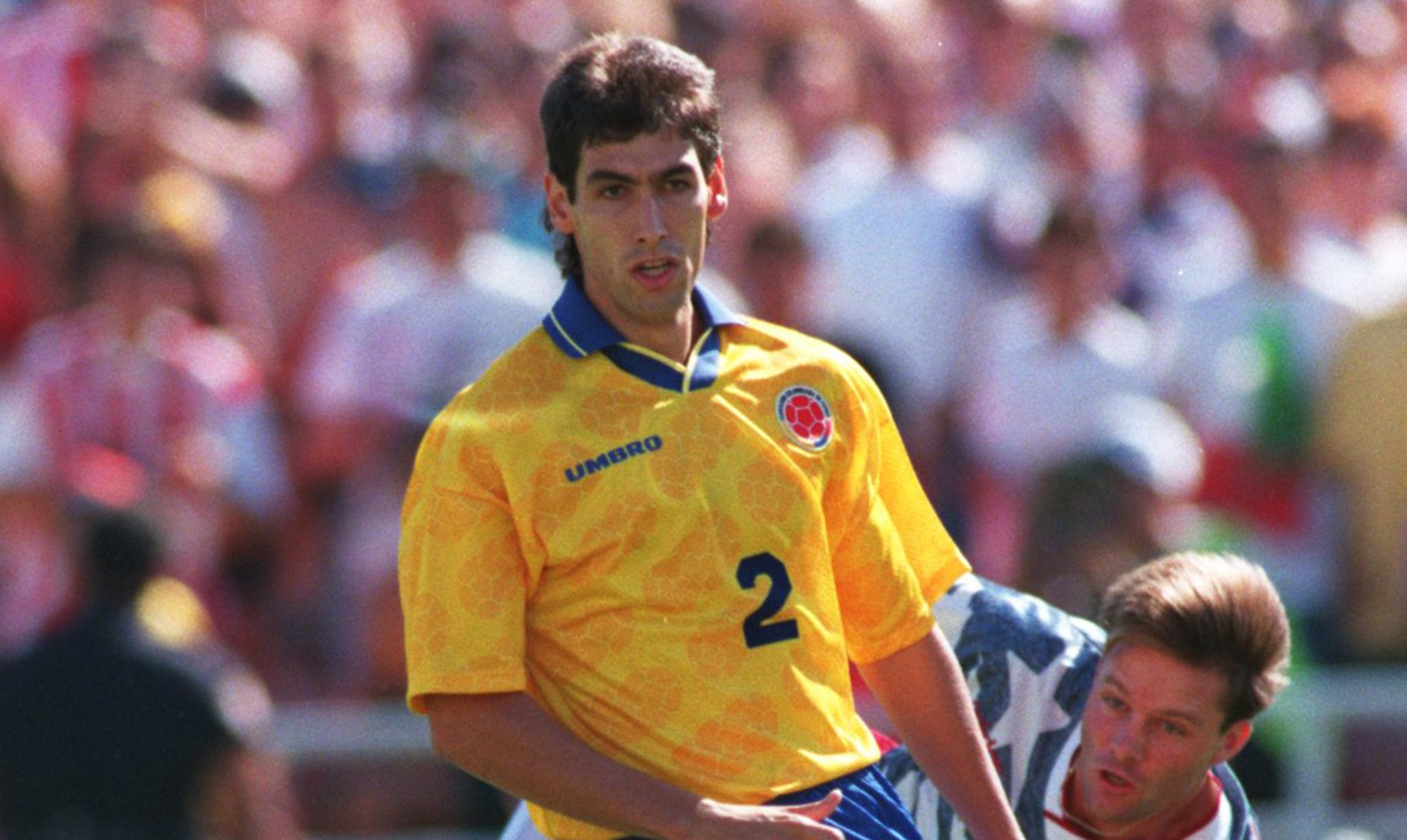
Agustín Escobar is a respected former professional footballer whose rise in Colombian football during the 1980s and 1990s established him as a premier defender. Known for his tactical intelligence and stints at powerhouse clubs like Independiente Medellín and Deportivo Cali, his career mirrored the domestic league's golden era and defensive evolution.
The Roots of a Professional: Youth Development in Antioquia
To understand the rise of Agustín Escobar, one must first examine the fertile footballing soil of the Antioquia department in the late 1960s and 1970s. Born in Itagüí, a municipality known for producing rugged and technically sound athletes, Escobar entered the world of organized football at a time when Colombia was beginning to professionalize its scouting networks. During this period, the regional football leagues in Antioquia were the most competitive in the country, serving as the primary pipeline for clubs like Atlético Nacional and Independiente Medellín (DIM).
Escobar’s development was characterized by the traditional "paisa" style of play—a combination of physical resilience and a calm composure on the ball. Unlike many defenders of his era who relied solely on clearing the ball, Escobar was part of a new wave of Colombian "zagueros" (defenders) who were encouraged to initiate play from the back. His early years in the amateur ranks of Itagüí provided the foundation for his professional transition, as he consistently demonstrated a reading of the game that surpassed his peers. By the early 1980s, his performances in regional tournaments caught the attention of the scouts at Independiente Medellín, setting the stage for his professional debut in the Categoría Primera A.
Professional Breakthrough at Independiente Medellín (1983–1986)
The true "rise" of Agustín Escobar began in 1983 when he officially joined the first team of Independiente Medellín. At the time, DIM was navigating a period of restructuring, seeking to challenge the dominance of rivals like América de Cali and Millonarios. Escobar’s entry into the professional ranks was not merely a matter of squad depth; he quickly moved into a starting role due to his versatility in the defensive line.
During his four-season tenure with "El Poderoso de la Montaña," Escobar became a fixture at the Atanasio Girardot Stadium. His rise was marked by his ability to adapt to various defensive systems, whether playing as a traditional center-back or in a three-man backline. This period was crucial for his reputation, as he had to face some of the most prolific strikers in South American history who were then playing in the Colombian league. His discipline in man-marking and his timing in the air made him a reliable asset. By 1985, Escobar was no longer just a local prospect; he was recognized nationally as one of the most consistent defenders in the league, earning him a call-up to the Colombian Olympic squad for the 1984 Pre-Olympic tournament in Ecuador. This international exposure solidified his status as a rising star in the national ecosystem.
Tactical Profile: Redefining the Colombian "Zaguero"
Agustín Escobar’s rise was significantly aided by his unique technical profile, which aligned with the tactical shifts occurring in Colombian football during the mid-1980s. Under the influence of coaches who favored a more possession-oriented game, defenders were expected to be more than just "destroyers." Escobar embodied the transition from the old-school physical stopper to the modern, ball-playing defender.
Positional Intelligence and Anticipation
Escobar’s primary strength was his positioning. He rarely found himself out of place, a trait that allowed him to compensate for strikers who might have had a slight advantage in raw speed. In the tactical climate of the Categoría Primera A, where "toque-toque" (short passing) was becoming the national identity, Escobar’s ability to intercept passes and immediately find a creative midfielder like Carlos Valderrama or Leonel Álvarez was invaluable.
Aerial Dominance and Physicality
Despite the league's shift toward technicality, the Colombian game remained physically demanding. Escobar maintained a rigorous physical presence, particularly in aerial duels. His timing during corner kicks—both defensively and offensively—became a hallmark of his game. This duality of being a "clean" player who could also engage in the "grit" of the game allowed him to stay relevant across different coaching philosophies.
The Transition to Deportivo Cali and Title Contention
In 1987, at the peak of his physical and tactical development, Escobar made a high-profile move to Deportivo Cali. This transfer was a clear indicator of his "rise" to the upper echelon of the sport, as Deportivo Cali was—and remains—one of the "Big Three" in Colombian football. Joining "Los Azucareros" meant stepping into an environment with much higher expectations and the pressure of competing for the league title every season.
At Cali, Escobar was integrated into a squad that featured some of the best talent in the country. His role was to provide stability to a backline that supported an aggressive attacking front. During the late 80s, the rivalry between Deportivo Cali and América de Cali reached a fever pitch, often referred to as the "Clásico Vallecaucano." Escobar’s performances in these high-stakes matches further enhanced his legacy. His ability to maintain composure in the hostile atmosphere of the Pascual Guerrero Stadium proved that he was a big-game player. Although the late 80s were dominated by América de Cali's historic run, Escobar’s presence ensured that Deportivo Cali remained a constant threat and a top-tier contender in the hexagonal final rounds.
National Team Context and the Golden Generation
While the Colombian national team of the late 80s and early 90s is often associated with names like Andrés Escobar, Luis Carlos Perea, and Alexis Mendoza, Agustín Escobar played a vital role in the broader pool of talent that allowed this "Golden Generation" to flourish. His involvement in the 1984 Pre-Olympic team was a precursor to the success that followed in the 1990s.
The competition for defensive spots in the national team during this era was perhaps the most intense in the country's history. Agustín Escobar’s rise occurred simultaneously with the emergence of a system under Francisco Maturana and Hernán Darío Gómez that revolutionized the Colombian "Libero" role. While Escobar did not become a permanent fixture in the 1990 or 1994 World Cup starting lineups, his influence was felt through the high standards he set in the domestic league. He was part of the "reservoir" of elite talent that forced the starters to maintain world-class levels. In many ways, the depth provided by players of Escobar's caliber is what allowed Colombia to rise from a South American underdog to a global footballing power during that decade.
Career Milestones and Historical Timeline
To appreciate the trajectory of Agustín Escobar's career, it is helpful to look at the specific milestones that defined his professional journey.
| Period | Club/Team | Significance of the Phase |
|---|---|---|
| 1980–1982 | Youth/Amateur Ranks | Developed the "paisa" defensive style in the Antioquia regional leagues. |
| 1983–1986 | Independiente Medellín | Established himself as a top-flight starter; over 130 appearances for DIM. |
| 1984 | Colombia U-23 | Represented the nation in the Pre-Olympic tournament in Ecuador. |
| 1987–1989 | Deportivo Cali | Transitioned to a title-contending powerhouse; solidified national reputation. |
| 1990–1992 | Envigado / Various | Provided veteran leadership to emerging clubs in the Colombian top flight. |
| Post-1994 | Retirement/Mentorship | Transitioned into roles focusing on youth development and footballing heritage. |
The 2026 Perspective: Legacy and Modern Influence
Looking back from the year 2026, the rise of Agustín Escobar is viewed as a blueprint for the "quiet professional." In an era of football often overshadowed by the off-field dramas of the 1980s and 90s, Escobar’s career stands as a testament to the technical quality of the Colombian domestic league.
In current 2026 footballing circles in Medellín and Cali, Escobar is often cited by youth coaches as an example of positional discipline. As Colombian academies have moved toward a more European-style tactical approach, the "Escobar method" of reading the game rather than just reacting to it has seen a resurgence in popularity. His legacy is preserved not just in the archives of DIM and Deportivo Cali, but in the way modern Colombian defenders are taught to prioritize ball distribution and tactical awareness from a young age.
Furthermore, the "rise" of players like Escobar helped pave the way for the internationalization of Colombian talent. By proving that Colombian defenders could be both physically imposing and technically sophisticated, his generation opened the doors for later stars to move to the English Premier League, La Liga, and Serie A. While the name "Escobar" in football is often linked to the tragic story of Andrés, Agustín represents a different facet of that history—the steady, reliable, and successful rise of a professional who helped define the golden age of the Colombian game.
Common Challenges and Hurdles in the 1980s League
The rise of any player in the 1980s Categoría Primera A was fraught with challenges that modern players rarely face. For Agustín Escobar, navigating these hurdles was essential to his longevity.
- The "Hexagonal" Format: The Colombian league used a grueling year-end tournament format known as the "Hexagonal" or "Octogonal." This required players to maintain peak physical condition for nearly 11 months of the year, with little to no off-season.
- Regional Rivalries: The intense pressure of the "paisa" vs. "caleño" rivalries meant that defenders were under constant scrutiny. A single mistake in a derby could define a player’s reputation for years. Escobar’s ability to remain consistent in these high-pressure environments was key to his upward trajectory.
- The Quality of Import Strikers: During the 80s, the Colombian league was flush with some of the best Argentine, Uruguayan, and Paraguayan strikers. Escobar had to develop specific tactical counters to handle different styles of play, from the aerial threat of target men to the trickery of "enganches" playing in the hole.
Frequently Asked Questions
What made Agustín Escobar different from other defenders of his era?
Agustín Escobar was distinguished by his "clean" style of play. While many defenders of the 1980s relied on heavy fouls and intimidation, Escobar focused on interception and positional play. This approach not only reduced his card count but also allowed his teams to maintain possession more effectively, which was a core component of the evolving Colombian football identity.
Which club defines Agustín Escobar’s career the most?
While he is a legend at Independiente Medellín for his early breakthrough, his time at Deportivo Cali is often seen as his professional peak. It was at Cali that he proved he could perform at the highest level of title contention and compete against international-caliber squads in the domestic league.
Did Agustín Escobar play in the Copa Libertadores?
Yes, during his tenure with major Colombian clubs, Escobar participated in the continental competitions that defined South American football. The experience gained in the Copa Libertadores was instrumental in his rise, as it exposed him to the varied tactical setups of Brazilian and Argentine clubs.
How is Agustín Escobar remembered in 2026?
In 2026, Escobar is remembered as a foundational figure for modern Colombian defending. He is frequently honored at club anniversaries for Independiente Medellín and is considered a prime example of the professional standards that helped Colombian football transition into its most successful historical period.
What was his role in the Colombian National Team?
Escobar was a key member of the youth and Olympic setups in the early 1980s. While the senior "Golden Generation" of the 1990s had a very settled starting eleven, Escobar was part of the elite group of players who maintained the competitive standard of the national pool, ensuring that the domestic league remained a viable source for international-quality talent.
Next Steps for Enthusiasts and Scouts
For those interested in the tactical history of Colombian football, reviewing match archives from the 1985–1988 Categoría Primera A seasons provides the best insight into Escobar's playing style. Modern scouts and students of the game should focus on his "zonal marking" techniques, which were ahead of their time in the South American context. To see his influence today, one can visit the youth academies in Antioquia, where many of his contemporaries now serve as mentors, passing on the defensive principles that fueled Agustín Escobar's rise.