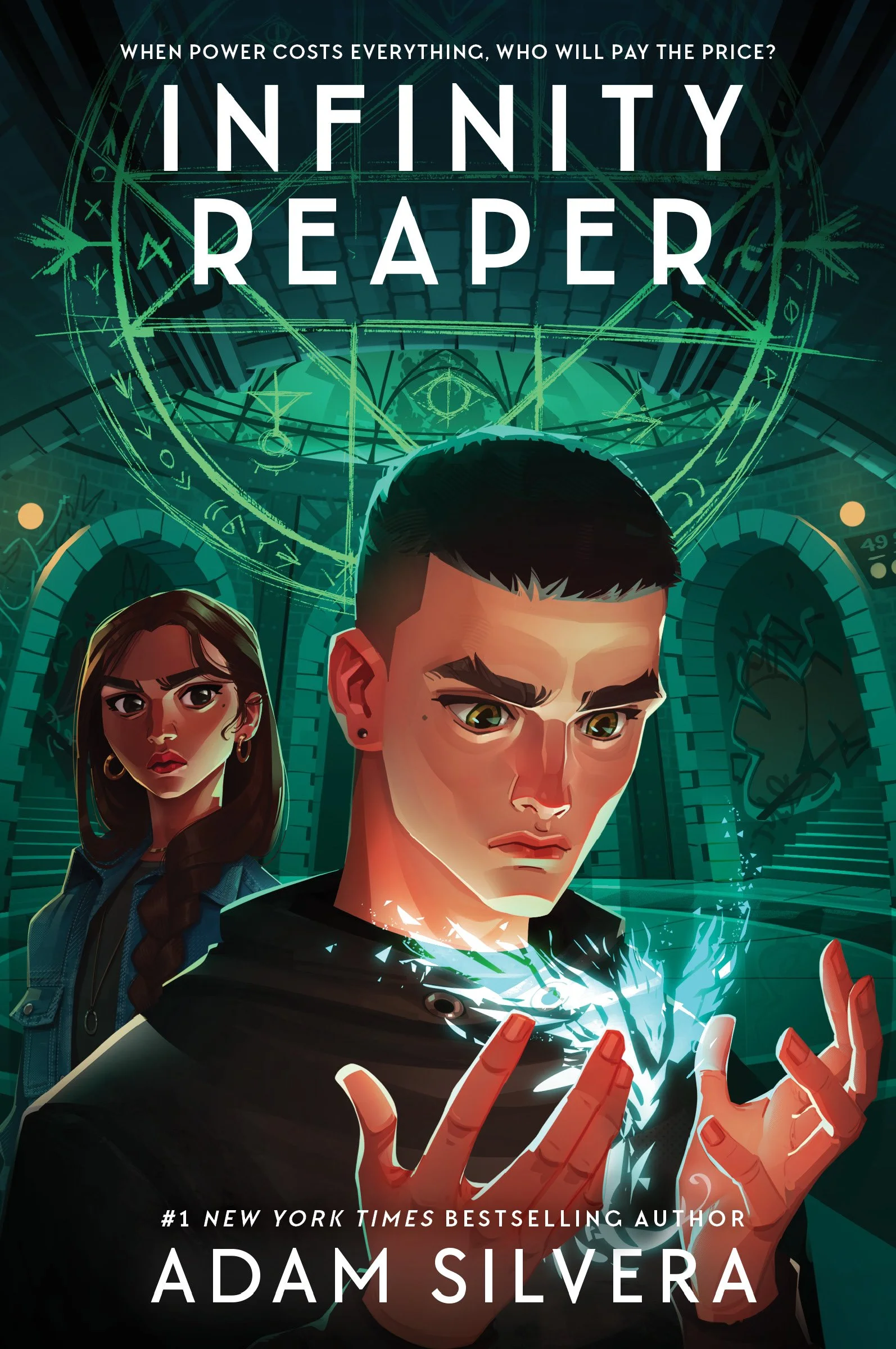
Estimating the net worth of an author like Adam Silvera involves examining his extensive bibliography, global publishing reach, and the intellectual property potential of his works. While exact private financial data is not public, his net worth is primarily derived from consistent international book sales, film option rights, and recurring royalties accumulated since his debut in 2015.
The Trajectory of a Bestselling Author
Adam Silvera’s financial profile is inextricably linked to his prolific output and the sustained success of his Young Adult (YA) fiction. Since the publication of his debut novel More Happy Than Not in 2015, Silvera has established himself as a fixture on the New York Times Best Seller list. His career is characterized by both critical acclaim and significant commercial viability, which serve as the two primary pillars of his professional valuation.
Authors of Silvera's stature generate income through a multi-faceted revenue stream. The most immediate source is the advance and subsequent royalty payments from traditional publishing houses. With multiple novels achieving "bestseller" status, these royalties provide a stable long-term income. Furthermore, as a high-profile author within the LGBTQ+ literature space, Silvera has cultivated a dedicated global readership, ensuring that his backlist—books published several years ago—continues to generate sales alongside his new releases.
Understanding Literary Revenue Streams
To understand how an author’s net worth is constructed, it is necessary to look beyond simple book sales. The business of publishing involves several distinct financial stages:
- Book Advances: A publisher pays an author an advance against future royalties. For authors with established fan bases and multiple successful titles, these advances can be significant.
- Royalties: Once the advance is "earned out" through sales, the author receives a percentage of the cover price for every unit sold.
- International Rights: Silvera’s works have been translated into dozens of languages. Selling foreign rights to publishers in different countries represents a substantial portion of an author's total earnings.
- Audiobook and E-book Licensing: The shift in reader preference toward digital formats has opened additional revenue channels. Audiobook narrations and digital licensing agreements provide recurring income that does not rely on physical inventory.
The Impact of Intellectual Property and Film Options
Perhaps the most significant variable in determining the net worth of a contemporary author is the sale of media rights. When a production company options a book for a potential film or television adaptation, the author receives payment for the rights to develop their intellectual property.
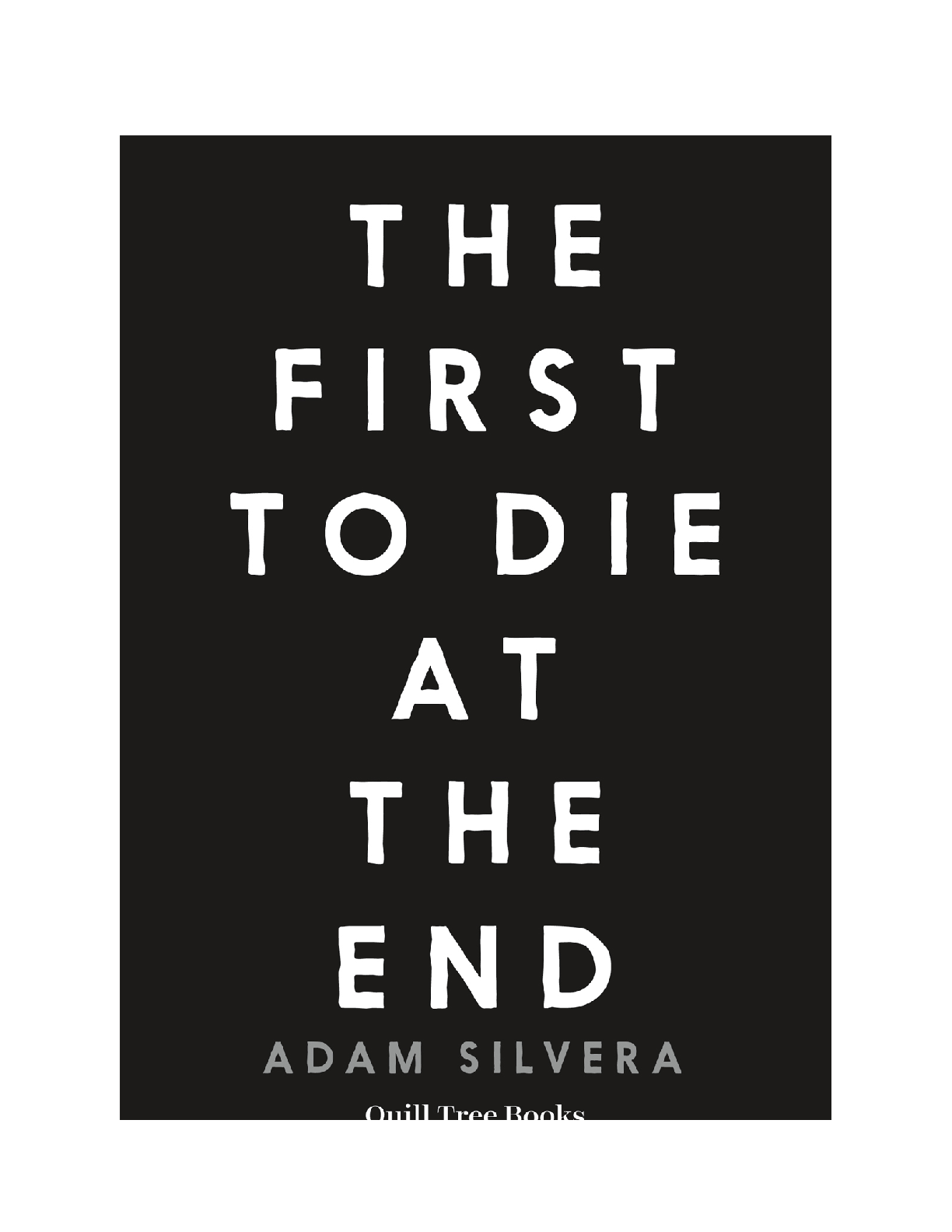
Adam Silvera’s work, particularly his 2017 novel They Both Die at the End, has garnered immense attention from Hollywood. When a major studio or streaming service options a book, it is a multi-stage financial process. The initial option fee grants the studio a period of exclusivity to develop the project. If the project enters active production, the author typically receives further compensation. These high-level entertainment deals are often the most lucrative aspects of an author’s portfolio and serve to significantly elevate their overall financial standing.
Comparison of Literary Revenue Factors
The following table outlines the various factors that contribute to the financial portfolio of a bestselling author like Adam Silvera.
| Revenue Source | Financial Mechanism | Impact on Net Worth |
|---|---|---|
| Book Advances | Lump sum paid upon signing | Provides immediate liquidity |
| Royalties | Percentage of sales per unit | Long-term, passive income |
| Foreign Rights | Licensing to international markets | Expands reach and volume |
| Media Options | Fees for film/TV development | High-value, episodic impact |
| Speaking/Events | Honorariums for appearances | Supplemental professional income |
The Role of Market Presence and Branding
Beyond direct royalties, an author’s "brand" is a quantifiable asset. Silvera has actively engaged with his audience through social media and literature-focused events. In 2026, the value of an author is increasingly tied to their ability to sustain a community. An author with a highly active and loyal following is more likely to maintain consistent sales across a diverse bibliography.
His collaboration with other prominent authors and his involvement in the broader YA literary landscape bolster his market presence. By consistently delivering high-quality content that resonates with cultural shifts, Silvera ensures that his books remain relevant. This cultural capital translates into a stronger negotiating position for future publishing contracts and media partnerships.
Financial Considerations for Professional Authors
While the public often focuses on "net worth" as a static number, it is more accurate to view it as the result of professional management. An author’s financial health is impacted by the following considerations:
- Taxation and Business Structure: Professional writers often operate through corporate entities to manage their earnings, expenses, and tax liabilities. This is a standard practice for high-income earners in the creative arts.
- Management and Agent Fees: Literary agents typically take a standard percentage (usually 15%) of all deals they broker. This is a necessary "cost of business" that reduces the gross income but facilitates access to the most lucrative contracts.
- Market Volatility: The publishing industry is subject to changing consumer tastes. An author’s net worth can fluctuate based on the reception of their latest releases, making long-term financial planning critical.
Addressing Common Questions about Literary Wealth
Readers often have questions regarding the financial realities of professional writing. Understanding these dynamics provides a clearer picture of how authors sustain their careers.
How do authors like Adam Silvera earn money if they aren't touring? Even without physical book tours, authors earn through "backlist" sales. In the digital age, a book does not need to be new to generate revenue. Platforms like social media ensure that older titles remain in the public eye, leading to sustained royalty checks.
Are movie options guaranteed money? No. A film option is a contractual right to develop a story. While the author is paid for the option, production is never guaranteed. If a film is not produced, the rights often revert to the author, who may then sell them again, creating a secondary revenue cycle.
Does a #1 New York Times Bestseller status equate to immediate extreme wealth? While it significantly boosts an author's reputation and advance potential for future books, it does not mean an author is an instant billionaire. Literary wealth is usually built steadily over a career of successful titles rather than through a single breakout hit.
How do international sales affect net worth? International sales are vital. By selling rights to publishers in territories like the UK, Europe, and Asia, an author effectively multiplies their revenue streams. Each foreign deal acts as a new contract, often involving its own advance and royalty structure.
Conclusion and Practical Perspective
Adam Silvera’s financial standing is the result of over a decade of consistent, high-impact contributions to young adult literature. His net worth is not the product of a single event but the accumulation of international royalties, media rights, and a career built on literary consistency. For those interested in the economics of the publishing industry, it is clear that authors who can bridge the gap between niche interest and mass-market film potential occupy the highest tier of financial success in the literary world.
Aspiring writers should note that success of this magnitude requires not only creative skill but also strategic management of intellectual property. The path to such financial success involves protecting rights, maintaining a strong relationship with a literary agent, and fostering a community that supports the author's work over the long term.