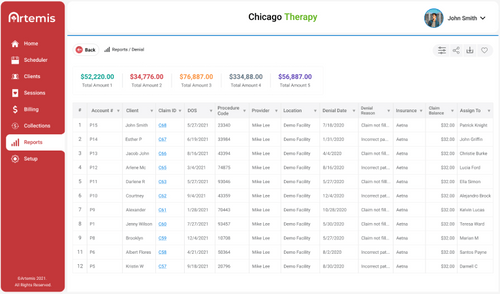
Selecting the right ABA therapy practice management software is a foundational decision that impacts clinical outcomes, billing efficiency, and regulatory compliance for autism service providers. These platforms serve as centralized ecosystems, integrating electronic data collection, session scheduling, insurance claim processing, and clinical documentation into a single, HIPAA-compliant digital infrastructure designed to streamline complex behavioral health workflows.
Understanding the Role of Practice Management Systems in ABA
Applied Behavior Analysis (ABA) therapy is a data-intensive field. Unlike traditional psychotherapy, which relies heavily on subjective narrative notes, ABA requires precise, session-by-session tracking of discrete trial training (DTT), natural environment teaching (NET), and functional behavior assessments. Practice management software bridges the gap between these clinical requirements and the administrative burden of running a private practice or a multi-site clinic.
The primary objective of this technology is to reduce "administrative friction." By automating the transition from a clinical observation to a finalized insurance claim, these platforms allow Board Certified Behavior Analysts (BCBAs) and Registered Behavior Technicians (RBTs) to focus on patient care rather than paperwork. As of 2026, the integration of automated scrubbers—which check claims against payer-specific requirements before submission—has become a standard expectation rather than a premium feature.
Core Components of ABA-Specific Software
When evaluating software for an ABA practice, it is critical to distinguish between general mental health EHRs (Electronic Health Records) and platforms built specifically for the behavioral health niche. ABA platforms must account for the unique staffing structure of the field, where a single patient might be treated by multiple RBTs under the supervision of a BCBA, all while adhering to strictly defined treatment plans.
1. Electronic Data Collection (EDC)
The most vital feature is a robust EDC system. This allows RBTs to log data points in real-time during sessions using tablets or mobile devices. A high-quality system provides:
- Customizable Data Sheets: Ability to define specific targets, prompting levels, and mastery criteria.
- Offline Functionality: Sessions must be recordable in environments without reliable Wi-Fi, with automatic syncing upon reconnection.
- Visual Graphing: Automatic generation of trend lines and data snapshots, which are essential for BCBAs to make timely, data-driven decisions regarding program adjustments.
2. Billing and Revenue Cycle Management (RCM)
Revenue cycle management is often the most significant point of failure for ABA practices. ABA therapy billing is notoriously complex due to modifier usage, overlapping CPT (Current Procedural Technology) codes, and payer-specific authorization requirements. A capable system should automate:
- Authorization Tracking: Alerts when a patient is nearing the end of their authorized hours or dates of service.
- Claims Scrubbing: Verification of billing codes against current payer guidelines to prevent common denials.
- Electronic Remittance Advice (ERA): Automated reconciliation of payments, which reduces manual data entry errors.
3. Compliance and Security
Because ABA therapy involves Protected Health Information (PHI), software must be fully HIPAA-compliant. This involves more than just a marketing claim; it requires the vendor to sign a Business Associate Agreement (BAA), maintain end-to-end encryption for data at rest and in transit, and provide audit trails that show exactly who accessed patient records and when.
Comparative Analysis of Practice Management Features
| Feature Category | Basic Requirements | Advanced/Premium Requirements |
|---|---|---|
| Data Collection | Manual entry, basic graphing | Automated syncing, video capture, AI-assisted trend detection |
| Scheduling | Simple calendar views | Automated RBT/patient matching, geographic route optimization |
| Billing | Manual claim entry | Automated scrubbing, real-time eligibility checks |
| Portal Access | Parent view of schedules | HIPAA-secure messaging, document sharing, parent training portals |
| Reporting | PDF exports | Customizable dashboards, payroll integration, clinical outcome analytics |
Evaluating Prerequisites and Implementation
Transitioning to a new platform is a major operational undertaking. Before selecting a vendor, practice owners must conduct an internal audit of their current workflows. Determine how many billable hours are lost to manual data entry and identify the specific billing errors that lead to the highest denial rates.
Implementation Steps:
- Data Migration: Assess the difficulty of moving patient history, active treatment plans, and staff profiles from legacy systems. Ask vendors specifically about their "API integration" capabilities if you intend to keep existing scheduling or payroll tools.
- Staff Training: Success depends on adoption. Schedule intensive training for RBTs, who will spend the most time using the data collection interface, as well as separate, more complex training for administrative staff.
- Pilot Phase: Implement the software with a small subset of clients before a full-scale transition. Use this period to identify bugs in the data syncing process or gaps in reporting that were not apparent during the sales demonstration.
- Validation: During the first 30 days, perform a manual verification of all claims submitted through the new system to ensure the software’s output matches the expected revenue.
Common Operational Mistakes
The most frequent mistake practices make is prioritizing low upfront costs over long-term scalability. A "cheap" software platform that lacks sophisticated billing scrubbing may result in thousands of dollars of lost revenue in denied claims over a single year. Furthermore, ensure that the vendor provides dedicated customer support. In the event of a software outage or a major billing error, waiting 48 hours for a support email response is generally unacceptable in a clinical setting.
Another oversight is failing to account for parent engagement. Modern parents of children receiving ABA therapy expect transparency. Platforms that offer a secure parent portal—allowing families to view session summaries or progress charts—tend to have higher satisfaction rates and better clinical compliance.
Addressing Regulatory and Technical Constraints
In 2026, the regulatory landscape for ABA continues to shift toward increased scrutiny of "medical necessity." Software must facilitate the creation of detailed, evidence-based treatment plans that support clinical necessity documentation for insurance auditors. If the software makes it difficult to attach progress reports, session notes, and specific behavior data to a single authorization, the risk of audit clawbacks increases significantly.
Furthermore, ensure the platform adheres to interoperability standards. As clinics move toward more integrated care models, the ability to share data with other healthcare providers via secure HIE (Health Information Exchange) protocols is becoming a competitive advantage.
Frequently Asked Questions
How does software help with RBT supervision requirements? Many platforms include built-in supervision logs that track the ratio of direct to indirect hours. This helps BCBAs ensure they are meeting BACB (Behavior Analyst Certification Board) supervision requirements, which is critical for maintaining credentialing compliance.
Can these systems handle multi-site operations? Yes, but verify that the software supports "multi-entity" management. This allows administrators to pull consolidated financial reports across all clinic locations while maintaining distinct billing profiles for each NPI (National Provider Identifier) or Tax ID.
What is the typical cost structure for these platforms? Pricing is generally structured as a monthly subscription fee per user or per client. Some vendors charge a flat base fee plus a per-provider seat cost. Always ask about "hidden" fees, such as implementation charges, training costs, or fees for generating custom reports.
How is security maintained during offline data entry? Top-tier platforms use a local caching mechanism. The data is encrypted on the device while offline and is pushed to the secure cloud server once the device detects a stable internet connection, ensuring no PHI is lost or left unsecured on the hardware.
Is it possible to customize the software for different types of behavior programs? Yes. A key differentiator is the flexibility of the data collection templates. Ensure the software allows you to build custom templates for skill acquisition, duration recording, frequency, and interval recording without needing custom coding from the vendor.
Recommendation for Next Steps
Your first priority should be to schedule deep-dive demonstrations with at least three vendors that specialize specifically in ABA, rather than general healthcare. During these demos, provide the vendor with a "stress test" scenario: ask them to show exactly how they would handle a denied claim for a complex dual-coding scenario involving both RBT and BCBA hours. Document the steps, evaluate the intuitiveness of the interface for your least tech-savvy staff, and review the BAA carefully with your legal counsel before signing any contracts. Focus on a vendor that views themselves as a long-term partner in your practice's growth, rather than simply a software provider.