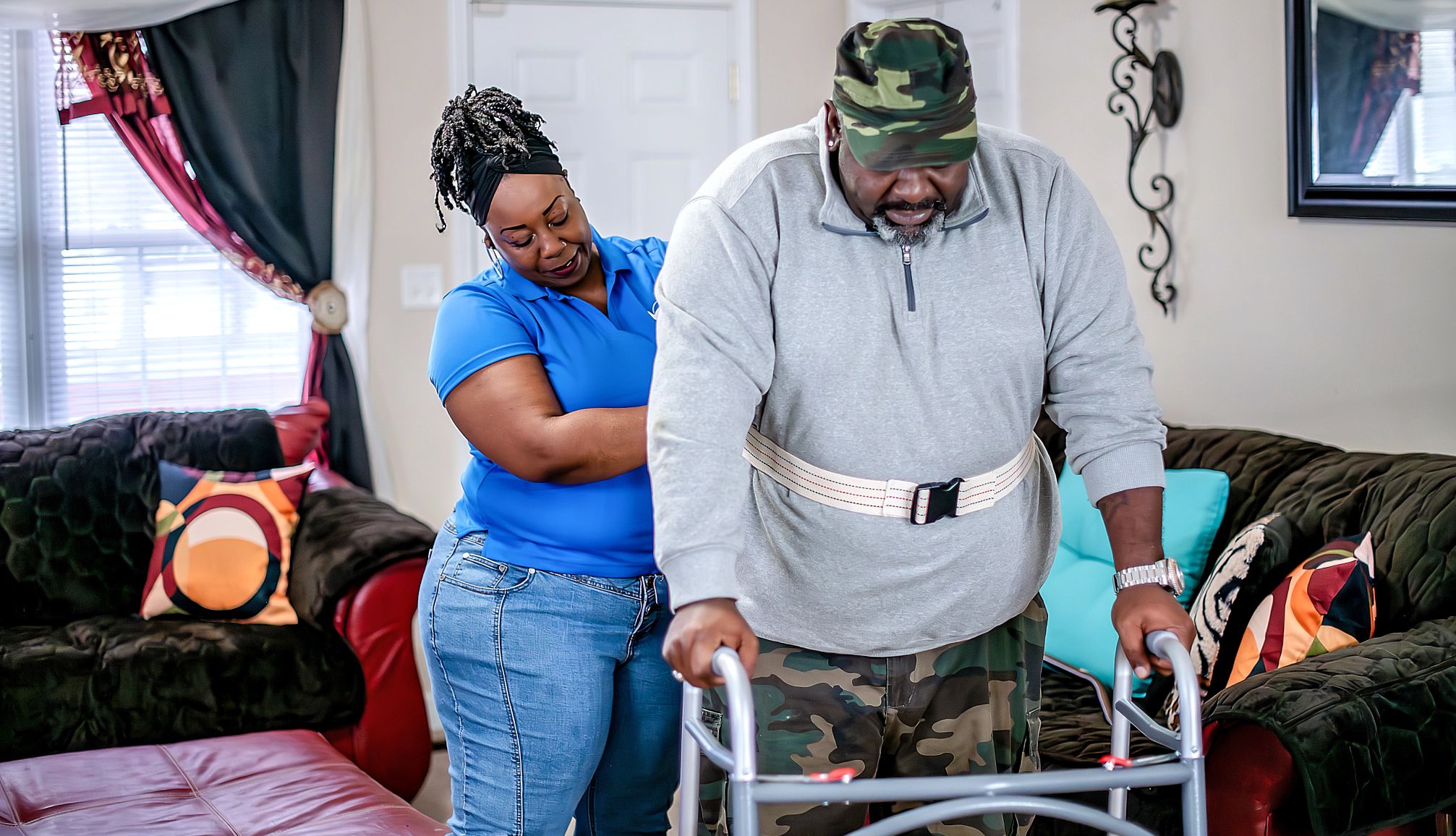
AARP West Virginia provides essential support to family caregivers through legislative advocacy, informational resource hubs, local community partnerships, and digital tools designed to alleviate the financial and emotional burdens of caregiving. By focusing on state-specific policy changes and providing access to practical health-related guides, the organization assists Mountain State residents in navigating the complexities of elder care and long-term support.
Understanding the Role of AARP WV in Caregiving
Caregiving is often an invisible, labor-intensive responsibility. In West Virginia, where the demographic landscape includes a significant population of aging residents, the need for robust caregiver support systems is critical. AARP West Virginia (AARP WV) operates as the state-level presence of the national AARP organization, focusing its efforts on the unique geographic, economic, and legislative realities of the state.
The core of AARP WV’s support model is twofold: systemic advocacy and individual empowerment. Systemically, the organization lobbies the West Virginia Legislature to improve home- and community-based services. Individually, it provides the "Caregiving Resource Center," a repository of actionable advice that helps family members understand legal documents, manage medication, and locate local care providers.
Legislative Advocacy and State Policy
One of the most significant ways AARP WV supports family caregivers is through high-level advocacy at the West Virginia State Capitol. The organization monitors and influences legislation that impacts the quality of life for seniors and those who look after them.
The CARE Act and Ongoing Initiatives
A primary achievement supported by AARP nationwide and implemented locally is the CARE Act (Caregiver Advise, Record, Enable). In West Virginia, this legislation ensures that when a loved one is admitted to a hospital, the family caregiver is identified, notified before the patient is discharged, and provided with instructions on how to perform medical tasks—such as wound care or medication administration—once the patient returns home.
As of 2026, AARP WV continues to advocate for:
- Funding for the Aged and Disabled Waiver: Strengthening programs that allow seniors to receive care in their own homes rather than in institutional settings.
- Tax Relief for Caregivers: Promoting policies that provide financial relief to those who spend their own money to support aging relatives.
- Workforce Development: Supporting training for home health aides, which helps bridge the gap when family caregivers need respite or professional assistance.
Accessing the AARP Caregiving Resource Center
The AARP Caregiving Resource Center serves as the primary digital gateway for caregivers in West Virginia. This platform is designed to transition caregivers from a state of crisis to a state of preparedness.
Key Features of the Digital Support System
- Legal Planning Tools: Access to templates for Advance Directives, Power of Attorney, and Living Wills, specifically aligned with general legal frameworks to ensure clarity for families.
- Caregiving Guides: A series of downloadable documents that break down complex tasks, such as navigating Medicare, understanding long-term care insurance, and managing common conditions like dementia or mobility impairment.
- The "Prepare to Care" Guide: A workbook designed to help family members coordinate responsibilities, share tasks among siblings or other relatives, and assess the home environment for safety risks.
Navigating Financial and Practical Challenges
Financial strain is consistently reported as a top concern for family caregivers in West Virginia. AARP WV provides guidance on how to manage these costs through a combination of public programs and strategic resource management.
Comparing Common Support Channels
Caregivers in the state often must balance multiple sources of help. The following table highlights common avenues of support that AARP WV resources help users navigate.
| Resource Type | Typical Purpose | Accessibility for West Virginians |
|---|---|---|
| Medicaid Waiver | Covers home-based services | Requires financial/functional eligibility |
| VA Caregiver Support | Specialized support for veterans | Restricted to military/veteran families |
| Area Agencies on Aging | Local coordination of meals/transport | Available by county/region |
| AARP Resource Center | Information and planning | Publicly accessible at no cost |
Addressing the "Hidden" Costs
Beyond out-of-pocket medical expenses, AARP WV emphasizes the "opportunity cost" of caregiving—including reduced retirement savings and lost wages. By providing guides on how to access local "Respite Care" services, AARP WV assists caregivers in taking necessary breaks, which helps prevent burnout and allows them to maintain their professional lives longer.
Community Integration and Local Resources
National resources are valuable, but regional context is essential in a state like West Virginia, where rural isolation can complicate caregiving. AARP WV works to bridge this gap by highlighting local Area Agencies on Aging (AAA).
These agencies are the "boots on the ground" for delivering services such as:
- Congregate and Home-Delivered Meals: Programs that ensure proper nutrition for those who cannot cook for themselves.
- Transportation Services: Helping seniors get to medical appointments, which reduces the transportation burden on family members.
- Senior Centers: Facilities that provide socialization and wellness activities, serving as a critical component of mental health maintenance for both the senior and the caregiver.
Essential Steps for New Caregivers
If you are beginning your caregiving journey, AARP WV recommends a structured approach to prevent early burnout and ensure you are legally and medically prepared.
- Conduct an Initial Assessment: Document your loved one's health status, current medications, and living environment. Identify immediate safety hazards, such as rugs that cause tripping or bathrooms lacking grab bars.
- Organize Legal Documents: Ensure that you have access to essential paperwork. Without a Healthcare Power of Attorney, you may be legally blocked from making decisions during a medical crisis.
- Coordinate the "Care Team": Caregiving should not be a solo act. Use AARP’s digital tools to create a schedule where different family members or friends handle specific tasks, such as grocery shopping, pharmacy runs, or sitting with the senior.
- Connect with Local Advocacy: Join the AARP WV e-advocacy network to receive updates on state-level legislative sessions. This allows you to lend your voice to advocacy efforts that affect your personal caregiving situation.
Addressing Common Caregiver Questions
Caregivers often face similar roadblocks regardless of their specific situation. Below are answers to frequently asked questions regarding AARP’s involvement and support.
Is AARP membership required to access caregiving resources?
No. While AARP is a membership organization, the majority of the information, guides, and tools within the Caregiving Resource Center are available to the public for free. You do not need to be an AARP member to utilize their advice or to contact your local AARP WV office for information on state-specific programs.
Does AARP WV provide direct financial assistance?
AARP does not provide direct grants or cash assistance for medical bills. However, they act as a navigator. They help caregivers understand which government programs, such as Medicaid or the Veterans Affairs caregiver programs, they may qualify for, thereby connecting them with sources that do provide financial aid.
How does AARP help with rural caregiving challenges?
In rural West Virginia, isolation is a major hurdle. AARP WV focuses on the promotion of telehealth initiatives and community-based coordination. By advocating for improved broadband access and home-based service funding, they help ensure that rural residents can receive care without needing to travel long distances to major medical hubs.
What is the best way to prevent caregiver burnout?
Burnout is a health risk for the caregiver. AARP recommends regular respite—periods where a trained professional or another family member takes over caregiving duties. AARP WV provides resources to help locate local respite providers and offers emotional support through online forums and educational webinars.
How can I influence state policy for caregivers?
AARP WV encourages caregivers to become "AARP Advocates." This involves signing up for email alerts, participating in "Day at the Capitol" events, and contacting local state delegates and senators when bills affecting the elderly or caregivers are under consideration. Your firsthand experience provides the context that legislators need to understand the impact of proposed laws.
Summary and Next Actions
Supporting family caregivers in West Virginia requires a mix of legal preparation, community resource utilization, and persistent advocacy. AARP WV facilitates this by offering a centralized hub for planning tools while simultaneously fighting for the legislative protections that make home-based care sustainable.
Next Actions:
- Visit the official AARP West Virginia website to sign up for local newsletter updates.
- Download the "Prepare to Care" guide to begin mapping out your family's caregiving plan.
- Identify your local Area Agency on Aging and inquire about "Respite Care" eligibility, even if you do not currently feel you need it; having this contact information on hand is a critical part of being prepared for future emergencies.