AARP UnitedHealthcare life insurance products are specialized insurance offerings branded under the AARP name and underwritten by New York Life Insurance Company. These products are designed primarily for AARP members, providing accessible life insurance solutions, such as term and permanent policies, that focus on simplicity, ease of application, and age-appropriate coverage options for older adults.
Defining the Relationship: AARP and New York Life
To understand these insurance products, it is essential to clarify the business structure. While many consumers refer to them as "AARP UnitedHealthcare life insurance," the actual underwriting entity for life insurance products endorsed by AARP is New York Life Insurance Company.
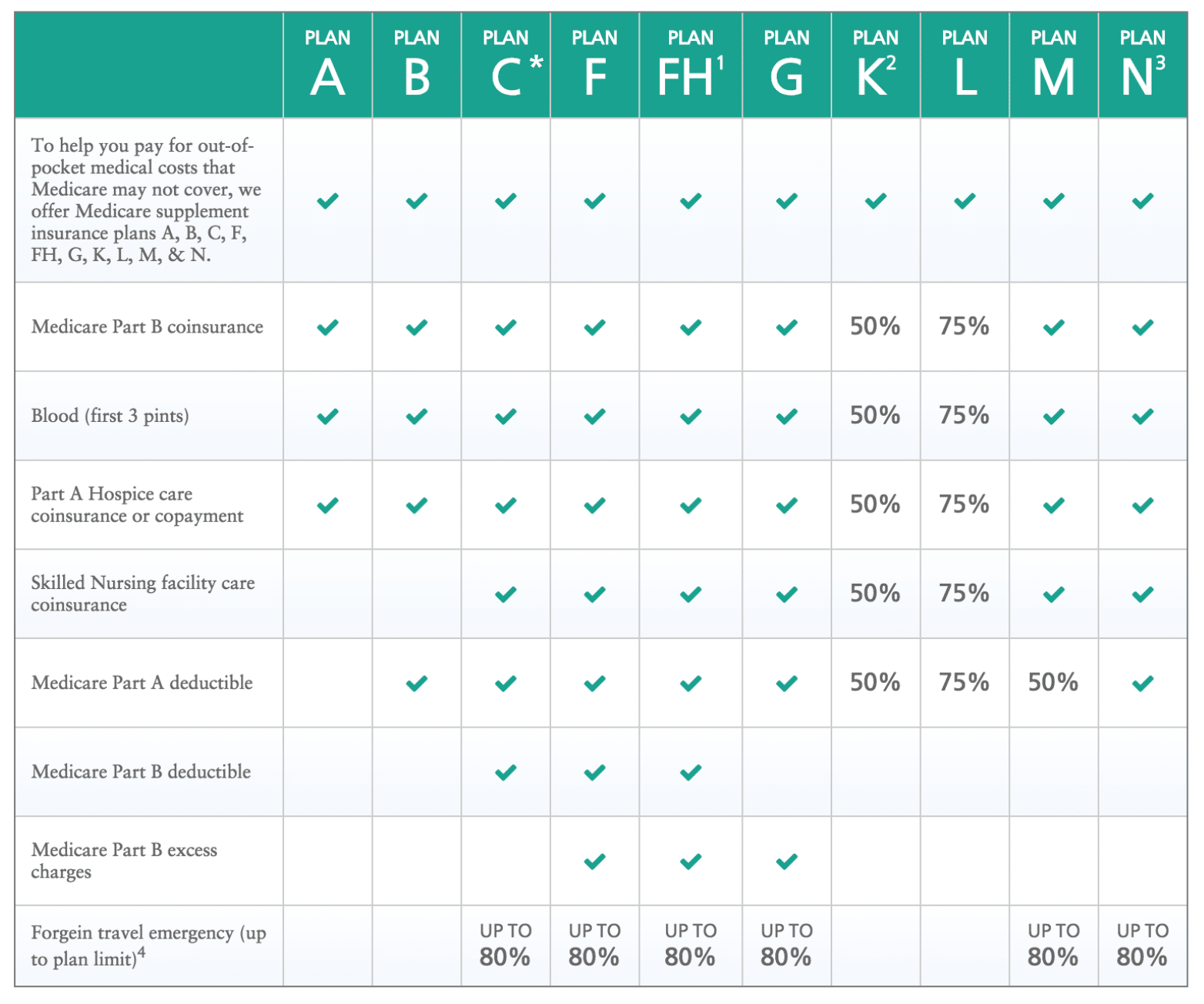
UnitedHealthcare is widely recognized for its extensive involvement with AARP in the health insurance space, particularly through Medicare Supplement (Medigap) plans. However, when it comes to life insurance, the AARP Insurance Program has selected New York Life as the provider. Confusing the two is a common occurrence due to the strong branding overlap between AARP and UnitedHealthcare in the health sector. Prospective policyholders should verify that they are engaging with the specific life insurance products offered through the AARP Insurance Program, which are distinct from the health coverage offered by UnitedHealthcare.
Eligibility and Membership Requirements
The primary prerequisite for accessing these insurance programs is active membership in AARP. Membership is available to individuals aged 50 and older, though younger individuals may join for access to certain benefits.
Once a member, applicants must meet specific age and health criteria determined by the type of policy selected. Unlike traditional life insurance plans that may require extensive medical underwriting or invasive examinations, many AARP-endorsed products are designed with simplified underwriting processes. This often means that coverage may be granted based on answers to a few health-related questions rather than a comprehensive physical exam, making these products particularly attractive for individuals who might have difficulty qualifying for standard market insurance due to pre-existing conditions or advanced age.
Types of Coverage Options
The AARP Life Insurance Program, underwritten by New York Life, typically offers a few core types of products. Understanding the differences between these is critical for selecting a policy that aligns with your financial goals and the intended use of the death benefit.
Term Life Insurance
Term life insurance provides coverage for a specific period, typically until a certain age (such as 80). It is often chosen by those who want to provide financial protection for their beneficiaries to cover end-of-life expenses or to replace income during the later stages of their working life. These policies are generally straightforward and offer level premiums, meaning the cost does not increase as you age during the policy term.
Permanent Life Insurance
Permanent life insurance, sometimes referred to as whole life insurance, provides coverage that lasts for the duration of the policyholder’s life, provided that premiums are paid. These policies often include a cash value component, which can accumulate over time. This type of insurance is frequently used for estate planning, covering final expenses, or leaving a legacy for loved ones.
Guaranteed Acceptance Life Insurance
For those concerned about health qualifications, the program includes options for guaranteed acceptance. These policies generally do not require a medical exam or health questions. However, these policies often feature a "graded benefit" period, which means that if the insured passes away from non-accidental causes during the first few years of the policy, the death benefit paid may be limited to the premiums paid plus interest, rather than the full face value.
Comparing Insurance Types
| Feature | Term Life | Permanent Life | Guaranteed Acceptance |
|---|---|---|---|
| Duration | Fixed (up to age 80) | Lifetime | Lifetime |
| Medical Exam | Generally no | Generally no | None required |
| Cash Value | No | Yes | No |
| Primary Use | Income protection | Estate/Legacy | Final expenses |
| Pricing | Level | Level | Higher premiums |
Financial Considerations and Costs
The cost of life insurance through the AARP program is influenced by several factors: the amount of coverage (the death benefit), the age of the applicant at the time of enrollment, and the type of policy chosen. Because these products are group-endorsed, the pricing structure is intended to be competitive for the demographic they serve.
However, consumers should note that while premiums for term policies are level, they are based on age brackets. As a policyholder ages, they may find that the cost per thousand dollars of coverage increases if they choose to renew or move into a new policy bracket. It is vital to request a personalized illustration or quote from the AARP Insurance Program portal to see the specific cost impact for your age and the desired benefit amount.
The Application and Approval Process
The application process for these products is designed to be user-friendly, often accessible via the official AARP Insurance Program website or through a phone-based application process.
- Verify Membership: Ensure your AARP membership is current.
- Select Policy: Use the online comparison tools to determine which product fits your needs.
- Application: Complete the health questionnaire if required. For term or permanent plans, this is usually a series of "Yes/No" questions regarding medical history and current health status.
- Underwriting: The insurer reviews the application. In many cases, approval is streamlined due to the simplified nature of the products.
- Policy Delivery: Once approved, the policy documents are issued, outlining the benefits, exclusions, and premium schedules.
Important Limitations and Exclusions
Every insurance contract contains specific provisions that define what is—and what is not—covered. Applicants must review the "Fine Print" carefully before committing. Common limitations in these types of policies include:
- Suicide Clause: Most life insurance policies have a period (often two years) during which the death benefit will not be paid if the death is a result of suicide.
- Contestability Period: The insurer has a specific timeframe during which they can challenge the validity of the information provided in the application. If a material misrepresentation is found, the company may deny a claim.
- Graded Benefit Limitations: As mentioned, for guaranteed acceptance policies, understanding the waiting period for full death benefit eligibility is crucial for estate planning.
Frequently Asked Questions
Is AARP life insurance the same as UnitedHealthcare life insurance?
No. They are distinct. The AARP Insurance Program offers life insurance underwritten by New York Life. UnitedHealthcare provides AARP-branded health and Medicare-related products. They are separate companies under the umbrella of the AARP Insurance Program offerings.
Do I have to take a medical exam to get approved?
Most AARP-endorsed life insurance plans offered through New York Life do not require a medical exam. They rely on simplified underwriting, which uses a health questionnaire to determine eligibility, making them accessible to many seniors.
Can I keep my coverage if I stop being an AARP member?
Generally, yes. Once a policy is issued, the coverage typically remains in force as long as the premiums are paid, regardless of your ongoing AARP membership status. However, it is advisable to check the specific provisions of your policy contract to confirm.
What happens to the cash value in a permanent life insurance policy?
In a permanent life insurance policy, the cash value grows over time according to the terms of the policy. You may be able to borrow against this cash value or use it to help pay premiums, depending on the specific product features.
Are premiums for these policies tax-deductible?
Generally, life insurance premiums are not tax-deductible for individuals. Conversely, the death benefit paid to beneficiaries is typically received income-tax-free. You should consult with a tax professional regarding your specific financial situation.
Practical Steps for Interested Individuals
If you are considering these life insurance options, follow these steps to ensure you make an informed decision:
- Assess Your Needs: Determine the primary reason for seeking insurance. Is it to cover funeral expenses, pay off a mortgage, or leave an inheritance? Your goal will dictate the amount of coverage required.
- Review Your Budget: Determine what monthly or annual premium you can comfortably sustain for the long term.
- Use Official Channels: Always visit the official AARP Insurance Program website or use the phone numbers listed on your official AARP member materials. Be wary of third-party websites that claim to offer "AARP insurance" but lead to unrelated providers.
- Compare Carefully: If you are healthy, you might compare these simplified-issue policies against traditional underwritten policies, which may offer lower premiums if you are willing to undergo a medical exam.
- Consult a Professional: If your insurance needs are complex, consider speaking with a licensed financial advisor who can help you integrate life insurance into your broader retirement and estate strategy.
Life insurance is a long-term financial commitment. By verifying the insurer, understanding the policy structure, and matching the product to your specific goals, you can secure valuable peace of mind for yourself and your beneficiaries. Always keep your policy documents in a secure, accessible location and ensure your beneficiaries are aware of the policy’s existence and how to initiate a claim.