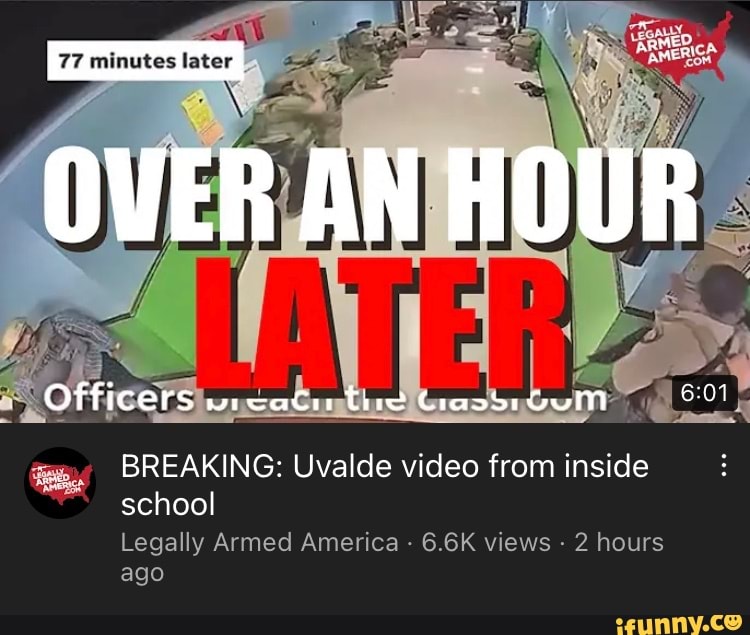
The "77 minutes in Uvalde" refers to the period between the initial police arrival and the final neutralization of the shooter at Robb Elementary School on May 24, 2022. This catastrophic delay, characterized by a complete breakdown in command and a failure to follow active shooter protocols, resulted in the deaths of 19 children and two teachers.
The events of May 24, 2022, remain one of the most scrutinized law enforcement failures in American history. While the physical actions occurred in just over an hour, the consequences and the subsequent investigations have reshaped national conversations regarding school safety, police training, and administrative accountability. As we evaluate this timeline from the perspective of 2026, the data remains a grim testament to the importance of immediate, decisive action in the face of an active threat.
The Timeline of the 77-Minute Delay
To understand why 77 minutes became the defining metric of this tragedy, one must look at the minute-by-minute progression of the response. The failure was not a single mistake but a compounding series of tactical and leadership errors.
The Initial Entry and Immediate Retreat (11:33 AM – 11:37 AM)
The shooter entered the school through the west door at 11:33 AM and proceeded directly to classrooms 111 and 112. Almost immediately, he began firing hundreds of rounds. Within three minutes, the first group of law enforcement officers arrived on the scene. According to the Advanced Law Enforcement Rapid Response Training (ALERRT) standards—which were the benchmark even in 2022—the primary objective in an active shooter situation is to "stop the killing" by immediate intervention, regardless of the risk to officers.
At 11:37 AM, several officers approached the door of classroom 111. The shooter fired through the wall and the door, grazing two officers. At this critical juncture, the responding units retreated. This retreat marked the transition from an "active shooter" response to a "barricaded subject" operation—a fatal misclassification that prioritized officer safety and negotiation over the lives of the children still inside.
The Stagnant Period (11:38 AM – 12:21 PM)
For the next 43 minutes, a massive influx of law enforcement arrived, including local police, Uvalde County Sheriff’s deputies, Texas Department of Public Safety (DPS) troopers, and U.S. Border Patrol agents. Despite the presence of dozens, and eventually hundreds, of armed officers in the hallway, no attempt was made to breach the classroom.
During this period, multiple calls to 911 were made by children inside classrooms 111 and 112. These calls provided clear evidence that the situation was still "active" and that victims were alive and in need of rescue. However, this information was not effectively communicated to the officers in the hallway. The lack of a centralized command post meant that the individuals with the power to order a breach were often operating with incomplete or incorrect information.
The Preparation and Breach (12:21 PM – 12:50 PM)
The final phase of the 77 minutes involved the arrival and organization of a tactical team from the Border Patrol, known as BORTAC. Even after their arrival, a significant amount of time was spent searching for keys to the classroom door and obtaining specialized equipment, such as ballistic shields and a Halligan tool (a forced-entry device).
At 12:50 PM, the BORTAC team, acting largely on their own initiative rather than a formal order from a designated Incident Commander, breached classroom 111 and neutralized the shooter. This ended the 77-minute ordeal, but the delay had already allowed the shooter to inflict maximum casualties and prevented medical personnel from reaching the wounded in time.
The Breakdown of Command and Control
The primary reason for the 77-minute delay was the absence of an effective Incident Command System (ICS). In any multi-agency response, a clear leader must be identified to direct resources and make tactical decisions.
The Role of Pete Arredondo
Pete Arredondo, the then-Chief of the Uvalde Consolidated Independent School District (UCISD) Police Department, was identified by many, including the Texas Department of Public Safety, as the de facto Incident Commander. However, Arredondo later claimed he did not consider himself the person in charge. This ambiguity led to a leadership vacuum. Arredondo arrived on the scene without his police radios, believing they would impede his movement, which left him dependent on a cell phone and disconnected from the broader flow of intelligence.
Multi-Agency Confusion
While Arredondo was the most visible point of failure in leadership, the Department of Justice (DOJ) Critical Incident Review later highlighted that no officer from any of the other 23 agencies involved—including high-ranking DPS officials—stepped forward to take command. Under standard protocols, if the local jurisdiction is overwhelmed or failing to lead, a superior or more experienced officer should assume command. This did not happen in Uvalde. Instead, officers waited in the hallway, deferred to a non-existent plan, and failed to challenge the "barricaded subject" narrative despite continued gunfire and pleas for help.
Tactical Errors and Equipment Myths
In the years following the shooting, several initial reports were corrected or clarified, exposing a series of tactical myths that contributed to the delay.
The "Locked Door" Fallacy
For months, the prevailing narrative was that officers were forced to wait because the classroom door was locked and they lacked the keys. However, investigative reports, including the one from the Texas House of Representatives, suggested that the door to classroom 111 was likely malfunctioned and could not be locked from the inside. There is no evidence that any officer even attempted to turn the door handle to check if it was open before the final breach. The 77-minute wait for a "master key" was essentially a wait for a tool that may not have been necessary.
Equipment Delays
While officers in the hallway waited for ballistic shields, several shields arrived relatively early in the timeline. The first shield arrived at 11:52 AM, and others followed shortly after. These shields are designed to protect officers while approaching a high-threat area, yet even with this equipment, no move was made toward classrooms 111 and 112 for another hour.
| Timeline Milestone | Time Elapsed | Action/Event | Agency Involved |
|---|---|---|---|
| Shooter Entry | 0 mins | Shooter enters west door of Robb Elementary. | N/A |
| Initial Contact | 4 mins | Officers enter; shots fired at police; retreat occurs. | UCISD, UPD |
| First Shield Arrives | 19 mins | First ballistic shield reaches the hallway. | UPD/Sheriff |
| 911 Call from Student | 30 mins | Student calls 911 from room 112; 10 children dead. | Dispatch |
| BORTAC Arrival | 48 mins | Border Patrol Tactical Unit arrives with specialized gear. | US Border Patrol |
| The Breach | 77 mins | Officers enter classroom 111 and kill the shooter. | BORTAC/Sheriff |
Critical Incident Review Findings
The Department of Justice’s Critical Incident Review, released in early 2024, provided the most comprehensive look at the failures in Uvalde. By 2026, these findings have become the basis for sweeping changes in law enforcement training across the United States.
Failure to Follow Active Shooter Protocol
The most damning finding was the failure to prioritize the "active shooter" protocol. Training since the 1999 Columbine shooting has emphasized that the first officers on the scene must move toward the sound of gunfire and neutralize the threat. In Uvalde, the retreat at 11:37 AM and the subsequent 70-minute wait violated every standard of modern tactical response.
Communication Silos
The DOJ report detailed how information was "siloed." The 911 dispatchers knew there were survivors in the room, but that information was not relayed to the officers standing just feet away from the classroom door. Conversely, the officers' concerns about the "locked door" were not effectively communicated to those who could have provided breaching tools faster.
Post-Incident Mismanagement
The failure extended beyond the 77 minutes. The way information was shared with the families in the hours and days following the shooting was described as "chaotic" and "unprofessional." Families were given conflicting information about the timeline and the status of their loved ones, further compounding the trauma of the community.
Legislative and Policy Changes by 2026
By 2026, the legacy of the 77 minutes has resulted in significant policy shifts designed to prevent such a failure from occurring again.
- Mandatory Active Shooter Training: Many states, following Texas's lead with House Bill 3, now require all licensed peace officers to undergo at least 16 hours of ALERRT-certified active shooter training every two years.
- Incident Command Requirements: New protocols mandate that the first officer on the scene—regardless of rank—is the Incident Commander until a formal handoff occurs. This handoff must be broadcast over the radio to ensure all responding agencies know who is in charge.
- Radio Interoperability Grants: Significant federal funding has been directed toward ensuring that local, state, and federal radios can communicate on the same frequencies during a "critical incident."
- School Infrastructure Standards: Schools are now required to conduct weekly door sweeps to ensure all exterior and interior locking mechanisms are functional, addressing the "malfunctioning door" issue seen at Robb Elementary.
Frequently Asked Questions
Why did police wait 77 minutes in Uvalde?
The wait was primarily due to a breakdown in leadership and the misclassification of the situation as a "barricaded subject" rather than an "active shooter." This led officers to prioritize preparation (waiting for keys and shields) over immediate intervention, despite ongoing calls for help from inside the classrooms.
Who was in charge during the Uvalde shooting?
Technically, Pete Arredondo, the UCISD Police Chief, was the designated Incident Commander under the school's emergency plan. However, Arredondo did not take active command, and none of the other high-ranking officers from various agencies (such as Texas DPS or Uvalde Police) stepped in to fill the leadership vacuum.
Did the locked door actually stop the police?
Investigative reports suggest the door was likely not locked and may have been unable to lock due to a mechanical failure. Furthermore, officers did not attempt to open the door manually for the majority of the 77 minutes, instead waiting for a master key that was eventually used during the BORTAC breach.
What has changed in police training since Uvalde?
The most significant change is a reinforced emphasis on "solo officer" or "small team" response. Officers are now trained that even if they are alone or outgunned, they must continue to move toward the threat if victims are being actively harmed. There is also a much greater focus on establishing a clear Incident Command post immediately.
Were any officers held legally accountable?
In the years following the event, several officers were terminated or resigned. In 2024, a grand jury indicted Pete Arredondo and another former officer on charges of child abandonment and endangerment. By 2026, many of the civil suits brought by families against the school district and law enforcement agencies have moved toward settlements or trials.
Practical Recommendation for Community Safety
For parents, educators, and local leaders, the "77 minutes" serves as a reminder that equipment and personnel are only effective if there is a clear, practiced plan. To ensure school safety, communities should insist on annual joint-training exercises involving every agency that might respond to a school emergency. These exercises must specifically practice the transition of command and the immediate transition from arrival to breach. Transparency in school safety audits and the verification of door-locking mechanisms should be treated as high-priority, non-negotiable safety standards.