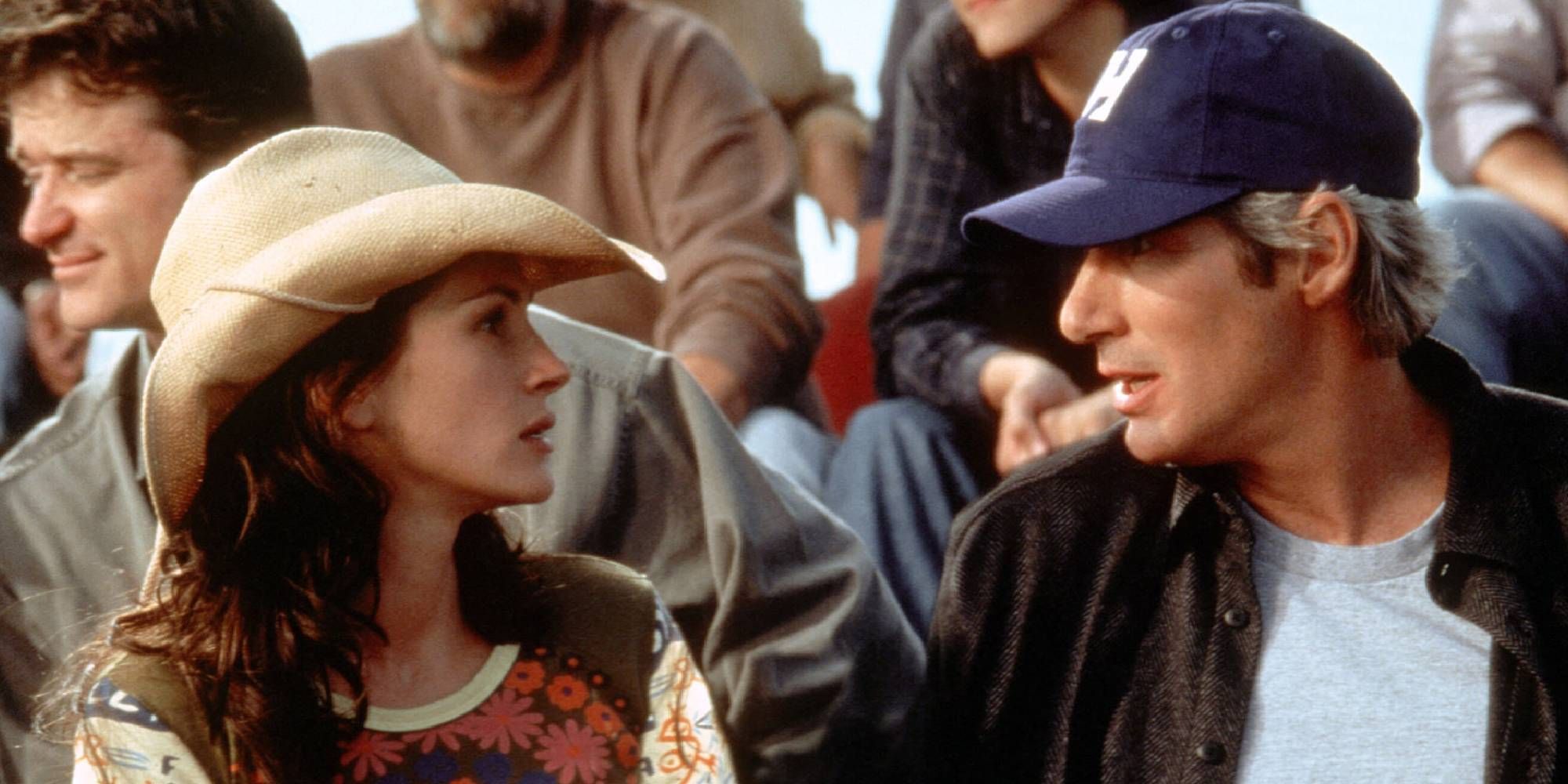
Julia Roberts redefined the romantic comedy genre in the 1990s by evolving the female lead from a passive recipient of romance into a charismatic, flawed, and career-oriented protagonist. Her influence established the "A-list" commercial viability of the genre, blending high-concept plots with an approachable, "girl-next-door" vulnerability that modern filmmakers still emulate.
The Architectural Shift of the Rom-Com Heroine
To understand the landscape of modern cinema in 2026, one must look back at the seismic shift that occurred between 1990 and 1999. Before Julia Roberts ascended to the throne of the "Rom-Com Queen," the genre often fluctuated between slapstick farces and melodramatic weepies. Roberts introduced a specific brand of magnetism that combined the ethereal beauty of a Golden Age star with the tactile, messy reality of a modern woman.
By the time Pretty Woman debuted in 1990, Roberts had already signaled a change in how audiences perceived the leading lady. It wasn't just about the "happily ever after"; it was about the persona inhabiting the journey. This era established five specific pillars that continue to support the romantic comedies we see on streaming platforms and in theaters today.
1. The Normalization of the Flawed and "Unlikable" Protagonist
One of the most significant contributions Julia Roberts made to the genre was her willingness to play characters who were not traditionally "perfect." In modern 2026 cinema, we often see the "messy millennial" or the "difficult woman" lead, but this archetype found its footing in the late 90s, specifically with My Best Friend's Wedding (1997).
In that film, Roberts’ character, Julianne Potter, is effectively the antagonist of her own story. She attempts to sabotage a wedding, lies to her best friend, and acts out of pure, desperate selfishness. Prior to this, romantic leads were expected to be moral compasses. Roberts proved that an audience would still root for a woman who makes terrible choices as long as her vulnerability feels authentic.
This "anti-heroine" energy paved the way for modern hits where the lead's personal growth is just as important as the romance. Without Julianne Potter, we likely wouldn't have the nuanced, often prickly leads found in contemporary romantic dramedies. Roberts demonstrated that a woman didn't have to be "sweet" to be the star; she just had to be human.
The Impact on Screenwriting
Screenwriters began to realize that the "internal obstacle" (the character's own neuroses) was often more compelling than the "external obstacle" (a disapproving parent or a rival suitor). This shift toward character-driven conflict remains a staple of high-quality romantic storytelling.
2. Elevating the Genre to A-List Commercial Status
Before the 1990s, the romantic comedy was often viewed as a "niche" or "mid-budget" endeavor. Julia Roberts changed the economics of the industry. She was the first woman to command a $20 million salary for a single film (Erin Brockovich, though her rom-com success built that leverage), proving that "chick flicks"—a reductive term of the era—were actually box-office juggernauts.
The success of Notting Hill (1999) and Runaway Bride (1999) solidified the idea that a romantic comedy could be a global event. In 2026, we see the remnants of this in the way studios cast "megastars" to anchor rom-coms on streaming services. The "Julia Roberts Effect" taught Hollywood that the genre wasn't just about the script; it was about the star power and the specific chemistry that a lead brings to the screen.
| Film | Year | Key Influence on Modern Rom-Coms |
|---|---|---|
| Pretty Woman | 1990 | Established the "High-Concept" makeover trope and the power of the "star moment." |
| My Best Friend's Wedding | 1997 | Subverted the happy ending; introduced the flawed, morally grey female lead. |
| Notting Hill | 1999 | Explored the meta-narrative of celebrity and the "ordinary person/superstar" dynamic. |
| Runaway Bride | 1999 | Focused on self-discovery and the "commitment-phobe" female archetype. |
3. The "Relatable Glamour" Aesthetic
Julia Roberts mastered a very specific visual and emotional brand: Relatable Glamour. Whether she was wearing a couture gown in Pretty Woman or a simple cardigan in Notting Hill, she maintained an air of accessibility. This was often achieved through her physicality—the famous boisterous laugh, the occasionally frizzy hair, and the wide, expressive smiles that felt unscripted.
Modern romantic comedies frequently attempt to recreate this "effortless" look. The aesthetic of the 90s, which is currently seeing a massive revival in 2026 fashion, was largely defined by Roberts' on-screen wardrobe. This style signaled that the character was "one of us," even if she happened to look like a movie star.
Physical Comedy and Authenticity
Roberts wasn't afraid to look silly. In My Best Friend's Wedding, her physical discomfort and awkwardness in various social situations made the character endearing despite her flaws. This willingness to blend slapstick with genuine emotion is a technique used by modern stars like Emma Stone or Jennifer Lawrence, who carry the torch of the "unfiltered" leading lady.
4. Redefining the "Happily Ever After" as Self-Actualization
While the 90s are often criticized for being overly sentimental, Roberts’ filmography actually pushed the boundaries of what a "happy ending" looked like. In Runaway Bride, the climax isn't just about the wedding; it's about the protagonist finally figuring out what kind of eggs she likes—a metaphor for discovering her own identity outside of the men she dates.
This theme of self-actualization is a cornerstone of modern romantic comedies. In 2026, a rom-com that ends with a woman choosing her career or her own personal growth over a man is no longer radical; it’s expected. Roberts was a pioneer in showing that the romance was often the catalyst for the woman to find herself, rather than the romance being the only goal.
In Notting Hill, the famous "I'm also just a girl, standing in front of a boy" speech is iconic not just because of the romance, but because it’s a moment of profound vulnerability where a powerful woman strips away her status to ask for basic human connection. It humanized the "unattainable" woman, a trope that continues to be explored in modern stories about power dynamics in relationships.
5. The Power of the Ensemble and the "Gay Best Friend" Trope
While some tropes of the 90s have aged better than others, the structural importance of the "support system" in Roberts’ films cannot be overstated. My Best Friend's Wedding famously featured George (played by Rupert Everett), who became the blueprint for the "Gay Best Friend" archetype.
While modern 2026 audiences demand more depth and agency for LGBTQ+ characters (moving away from the "sidekick" limitation), the film established the necessity of the "confidant" in the rom-com structure. These characters provided the sounding board for the lead's internal monologue, allowing the audience to understand her motivations.
Furthermore, Roberts’ films often felt like "worlds" rather than just two people in a vacuum. Notting Hill utilized a quirky ensemble of friends to ground the fantastical romance in reality. Modern rom-coms continue to use this "found family" structure to add stakes and humor to the central love story.
Technical Execution: How the "Roberts Blueprint" Works
When analyzing the technical aspects of 90s Julia Roberts films, three specific elements stand out that are still used as a "cheat sheet" for successful romantic comedies today:
- The Meet-Cute with Stakes: In Pretty Woman, the meet-cute isn't just a chance encounter; it’s a business transaction. In Notting Hill, it’s a literal collision. These high-stakes or high-friction introductions create immediate tension that modern scripts strive to replicate.
- The "Third Act" Grand Gesture: While grand gestures existed before, Roberts’ films often subverted them. Sometimes the gesture fails (My Best Friend's Wedding), or sometimes it’s a quiet, public confession rather than a chase through an airport.
- The Soundtrack as a Character: The use of iconic pop songs in Roberts’ films (e.g., "Say a Little Prayer," "Kiss Me," "She") created an emotional shorthand with the audience. Modern streaming rom-coms still lean heavily on curated playlists to bridge the gap between the screen and the viewer's personal experience.
FAQs
Why is Julia Roberts considered the "Queen of Rom-Coms"?
Julia Roberts dominated the box office in the 1990s with a string of hits that defined the genre's peak. Her ability to balance humor, vulnerability, and immense star power made her the face of the romantic comedy during its most commercially successful decade.
How did My Best Friend's Wedding change the genre?
It was one of the first mainstream romantic comedies where the protagonist didn't "get the guy" in the traditional sense. By focusing on the lead's moral failings and eventual growth, it proved that the genre could handle complex, non-traditional endings.
What is the "Julia Roberts laugh" and why does it matter?
The "laugh" refers to her uninhibited, wide-mouthed, and often loud laughter on screen. It became a trademark of her authenticity, signaling to the audience that she was unpretentious and relatable, a key trait for any rom-com lead.
Are 90s rom-com tropes still relevant in 2026?
Yes, though they have evolved. Tropes like the "makeover," the "career-woman-finding-balance," and the "enemies-to-lovers" dynamic all found their most polished forms in the 90s and continue to be reimagined for modern audiences with more diverse and inclusive perspectives.
Which Julia Roberts movie is most influential for modern filmmakers?
While Pretty Woman is the most famous, many filmmakers point to Notting Hill as the gold standard for its balance of wit, celebrity commentary, and emotional sincerity. Its influence can be seen in almost any modern film that deals with the intersection of public life and private romance.
Recommendations for Further Exploration
To truly understand how Julia Roberts shaped the current landscape, a retrospective viewing is essential. Start with Pretty Woman to see the birth of the "high-concept" star vehicle, then move to My Best Friend's Wedding to witness the subversion of the genre. Finally, watch Notting Hill to see the perfection of the "relatable superstar" archetype.
In 2026, as we see a resurgence of the mid-budget theatrical romantic comedy, the lessons learned from Roberts’ 90s run—authenticity, star power, and the courage to be flawed—remain the most valuable tools in a filmmaker's arsenal.