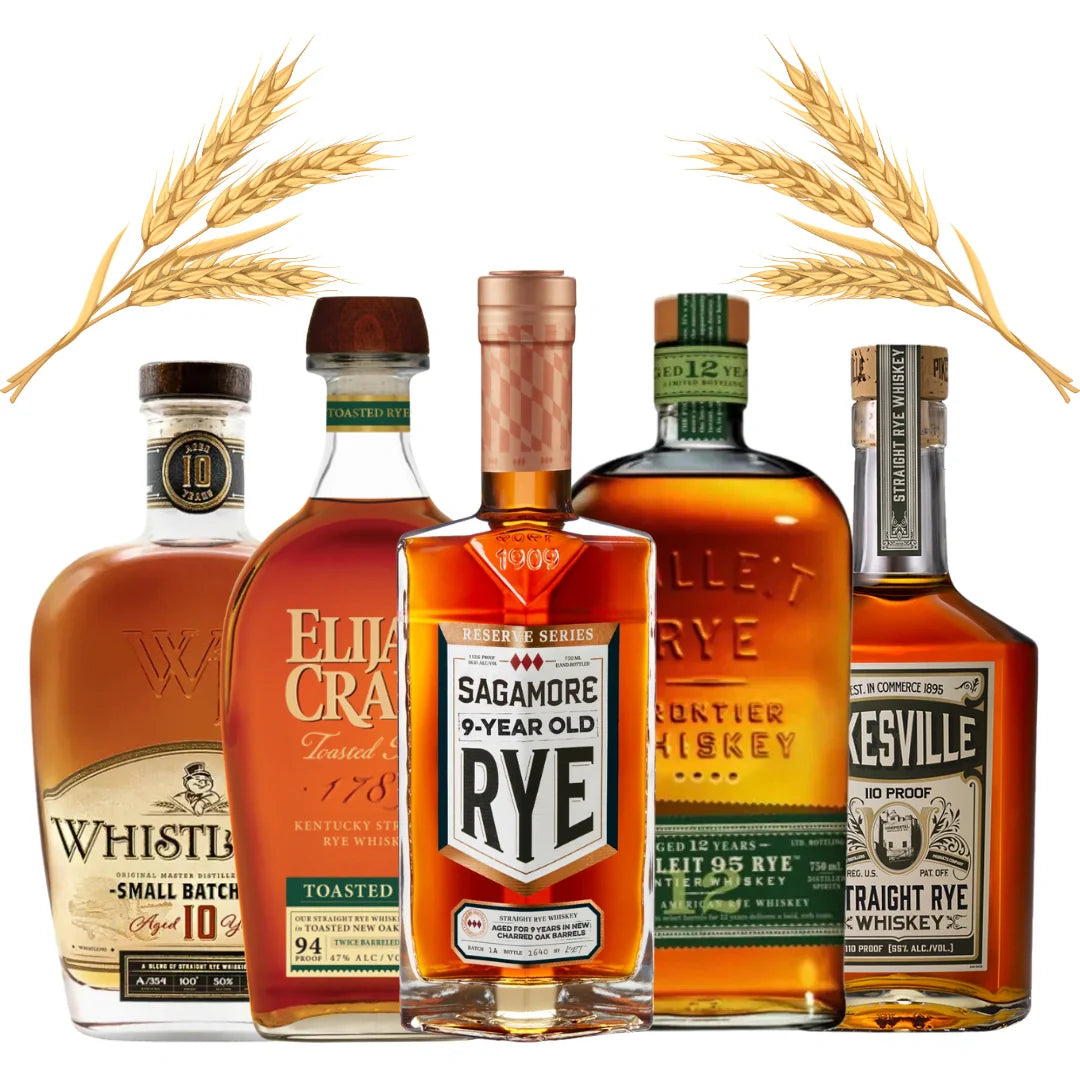
A proper Manhattan requires a spirit with enough backbone, spice, and character to stand up to sweet vermouth and aromatic bitters, making high-quality rye whiskey the classic and ultimate choice for this timeless cocktail.
Understanding the Role of Rye in a Manhattan Classic
The Manhattan cocktail is one of the foundational pillars of American mixology, traditionally built on a precise trifecta of whiskey, sweet vermouth, and bitters, garnished with a brandied cherry. While early iterations of the drink often utilized bourbon or even Canadian whisky, rye whiskey quickly established itself as the preferred base spirit. Rye grain naturally imparts a distinct spicy, pepper-forward profile, herbal undertones, and a dry finish. This profile is essential because sweet vermouth is rich, lush, and sugary, while standard cocktail bitters add dark fruit and baking spice notes. Without the robust structural integrity and spicy heat of a rye whiskey, a Manhattan can easily taste flabby, overly sweet, and unbalanced.
When evaluating rye whiskeys for a cocktail application, several technical and sensory elements come into play. Proof matters significantly; a whiskey bottled at standard 80 or 84 proof will often get completely lost behind the heavy viscosity of vermouth. Bartenders and home mixologists generally look for expressions bottled between 90 and 100 proof, or even high-proof barrel-proof offerings for those who prefer an assertive drink. Furthermore, mash bill composition—the specific percentage of rye grain used in the fermentation process—dictates the flavor profile. A "high-rye" mash bill (often 95% rye and 5% malted barley) delivers aggressive herbal and grassy notes, whereas a "low-rye" or "Kentucky-style" mash bill (often 51% to 53% rye with substantial amounts of corn and malted barley) introduces rich caramel, vanilla, and sweet oak notes that bridge the gap between bourbon and traditional rye.
Selection Criteria for the Best Manhattan Ryes
Choosing the ideal rye whiskey for your Manhattan involves analyzing how individual spirits interact with modifiers. The selection below focuses on balance, proof, historical standing in cocktail bars, and value. Each bottle brings a distinct set of characteristics to the mixing glass, allowing you to tailor your cocktail to your personal palate preferences—whether you lean toward heavy baking spices, rich caramel sweetness, or bright citrus and herbal notes.
1. Rittenhouse Straight Rye Bottled-in-Bond
For decades, Rittenhouse Straight Rye has been the undisputed darling of craft cocktail bars and professional bartenders worldwide. Produced by Heaven Hill, this bottled-in-bond rye whiskey adheres strictly to the Bottled-in-Bond Act of 1897, meaning it is the product of one distillation season by one distiller at a single distillery, aged in a federally bonded warehouse for at least four years, and bottled at exactly 100 proof (50% ABV).
- Mash Bill: Approximately 51% rye, 37% corn, 12% malted barley.
- Tasting Notes: Cocoa, dried fruit, maple sugar, heavy black pepper, and a warming oak finish.
- Why It Works in a Manhattan: The low-rye mash bill provides a heavy corn-derived sweetness that complements the rich profile of sweet vermouth, while the 100 proof ensures the whiskey cuts through dilution without fading away. It is exceptionally well-priced, making it the ultimate workhorse for everyday mixing.
2. Bulleit Straight Rye Whiskey
Launched in 2011, Bulleit Rye quickly transformed the cocktail landscape by proving that high-rye whiskeys could be both accessible and exceptionally mixable. Distilled using a high-rye recipe originally popularized in Indiana, Bulleit Rye delivers an assertive, punchy profile that refuses to hide behind modifiers.
- Mash Bill: 95% rye, 5% malted barley.
- Tasting Notes: Rich oak, vanilla, honey, heavy eucalyptus, mint, and a blast of freshly cracked black pepper.
- Why It Works in a Manhattan: The soaring percentage of rye grain introduces bright, herbaceous, and minty notes that contrast beautifully against the dark, syrupy nature of sweet vermouth. It adds a refreshing, crisp edge to the cocktail, preventing it from becoming cloying.
3. Michter’s US*1 Kentucky Straight Rye
Michter’s takes a meticulous, quality-obsessed approach to whiskey production, and their US*1 Rye is a masterclass in elegance and balance. While many rye whiskeys are sold at young ages or rushed to market, Michter's utilizes a unique proprietary heat-cycling process in their warehouses during maturation and insists on a lower entry proof (103 proof instead of the industry standard 125 proof), which draws out profound wood sugars and rich textures.
- Mash Bill: Undisclosed Kentucky-style mash bill (predominantly rye with corn and malted barley).
- Tasting Notes: Butterscotch, dried citrus peel, subtle cinnamon, nutmeg, and polished oak.
- Why It Works in a Manhattan: If you prefer a smoother, more refined, and velvety Manhattan, Michter’s is an elite choice. It lacks the aggressive, herbal green bite of 95% rye recipes, offering instead a luxurious dessert-like quality that elevates premium vermouths.
4. Sagamore Spirit Signature Rye
Representing the Maryland style of rye whiskey—historically known for being somewhat sweeter, fruitier, and less aggressively spicy than Pennsylvania styles—Sagamore Spirit has revitalized a proud regional heritage. Their Signature Rye is a blend of two different straight rye whiskeys (a high-rye and a low-rye) cut with pristine limestone-filtered spring water from Maryland's Worthington Valley.
- Mash Bill: Proprietary blend of high-rye and low-rye mash bills.
- Tasting Notes: Brown sugar, honey, ginger, baking spices, orange zest, and a clean, lingering finish.
- Why It Works in a Manhattan: The inclusion of bright citrus and ginger notes acts almost like an additional modifier in the glass, naturally accentuating the orange or lemon twist typically expressed over a Manhattan. It creates a vibrant, exceptionally harmonious cocktail.
5. WhistlePig Small Batch Rye 10 Year
For those looking to indulge in a luxury pour, WhistlePig 10 Year sets the benchmark for aged craft rye whiskey. Sourced from high-rye Canadian stock and aged in American oak for a full decade, this offering provides a level of depth, complexity, and maturity that younger ryes simply cannot replicate.
- Mash Bill: 100% rye.
- Tasting Notes: Maple syrup, heavy butter, dark chocolate, charred oak, clove, and a long, warming spice finish.
- Why It Works in a Manhattan: At 100 proof, WhistlePig 10 stands up to heavy-handed vermouth ratios without losing its distinct personality. The intense oak influence and mature spice notes provide a sophisticated, decadent structure that turns a standard cocktail into an extraordinary experience.
Comparative Overview of Rye Whiskeys
| Whiskey Brand | Proof | Mash Bill Style | Primary Flavor Profile | Best Manhattan Application |
|---|---|---|---|---|
| Rittenhouse Rye | 100 | Low-Rye (51% Rye) | Pepper, cocoa, maple sugar | The classic, high-value industry standard |
| Bulleit Rye | 90 | High-Rye (95% Rye) | Eucalyptus, mint, black pepper | Bright, herbaceous, crisp contrast |
| Michter’s US*1 Rye | 84.8 | Kentucky-Style | Butterscotch, citrus peel, nutmeg | Smooth, velvety, elegant refinement |
| Sagamore Spirit Rye | 83 | Blended Mash Bill | Brown sugar, ginger, orange zest | Fruit-forward, vibrant harmony |
| WhistlePig 10 Year | 100 | 100% Rye | Maple, dark chocolate, charred oak | Complex, aged, luxury indulgence |
Essential Factors in Crafting the Ultimate Manhattan
Selecting the right bottle of rye is only the first step in creating an exceptional Manhattan. The secondary ingredients play a monumental role in either supporting or undermining the whiskey's natural profile. Sweet vermouth, for instance, is a fortified wine that begins oxidizing the moment the bottle is opened. Storing open bottles of vermouth in the refrigerator is mandatory to preserve their fresh, botanical integrity; using a oxidized, stale vermouth will introduce sour, vinegary notes that ruin even the finest WhistlePig or Michter's pour.
Bitters also require careful consideration. While traditional Angostura aromatic bitters are the time-tested standard, experimenting with orange bitters or chocolate bitters can radically shift the balance of the cocktail depending on your chosen rye. For example, pairing a high-rye spirit like Bulleit with orange bitters highlights its natural citrus and herbal qualities, whereas pairing Rittenhouse with chocolate or walnut bitters emphasizes its rich, pastry-like undertones.
Dilution and temperature are the final technical frontiers. A Manhattan should never be shaken, as shaking introduces excessive aeration, micro-bubbles, and unwanted cloudiness while over-diluting the spirit. Stirring the ingredients in a mixing glass with high-density, crystal-clear ice for roughly 30 to 45 seconds ensures proper chilling, velvety mouthfeel, and precise dilution. Strain the mixture into a chilled coupe or Nick & Nora glass to maintain optimal serving temperature from the first sip to the last.
Frequently Asked Questions
Can I use bourbon instead of rye in a Manhattan?
Yes, using bourbon creates a variation known as a Metropolitan or a "bourbon Manhattan." However, because bourbon features a high corn mash bill that emphasizes sweet vanilla and heavy oak, the resulting cocktail will be noticeably sweeter and less spicy. Rye is traditionally preferred because its dry, pepper-forward profile cuts through the sweetness of the vermouth.
What is the ideal ratio for a classic Manhattan?
The standard golden ratio for a Manhattan is 2 parts whiskey, 1 part sweet vermouth, and 2 to 3 dashes of aromatic bitters. For those who prefer a drier, spirit-forward cocktail, many bartenders prefer a "heavy" ratio of 2.5 parts whiskey to 0.75 parts vermouth.
Do I need to keep rye whiskey in the refrigerator?
No. Unlike vermouth or wine-based modifiers, high-proof distilled spirits like rye whiskey are chemically stable and do not spoil or oxidize rapidly. They should be stored upright in a cool, dark place away from direct sunlight and extreme temperature fluctuations.
Why is bottled-in-bond whiskey recommended for cocktails?
Bottled-in-bond spirits are legally guaranteed to be exactly 100 proof (50% alcohol by volume). This higher alcohol content prevents the whiskey from being overwhelmed or washed out when mixed with sugary modifiers and the water dilution from ice during stirring.
Should a Manhattan be served up or on the rocks?
A traditional Manhattan is served "up"—meaning it is stirred with ice, strained, and poured into a stemmed glass without ice. Serving a Manhattan on the rocks is acceptable if you prefer a colder drink over an extended period, but keep in mind that melting ice will continuously dilute the cocktail, altering its flavor profile as you drink.
Conclusion and Next Action
To elevate your cocktail routine, select a bottle from this list that matches your flavor preferences—such as the budget-friendly and robust Rittenhouse for daily mixing or the luxurious WhistlePig 10 for special occasions—pair it with fresh refrigerated sweet vermouth, and stir with quality ice for a perfectly balanced Manhattan.