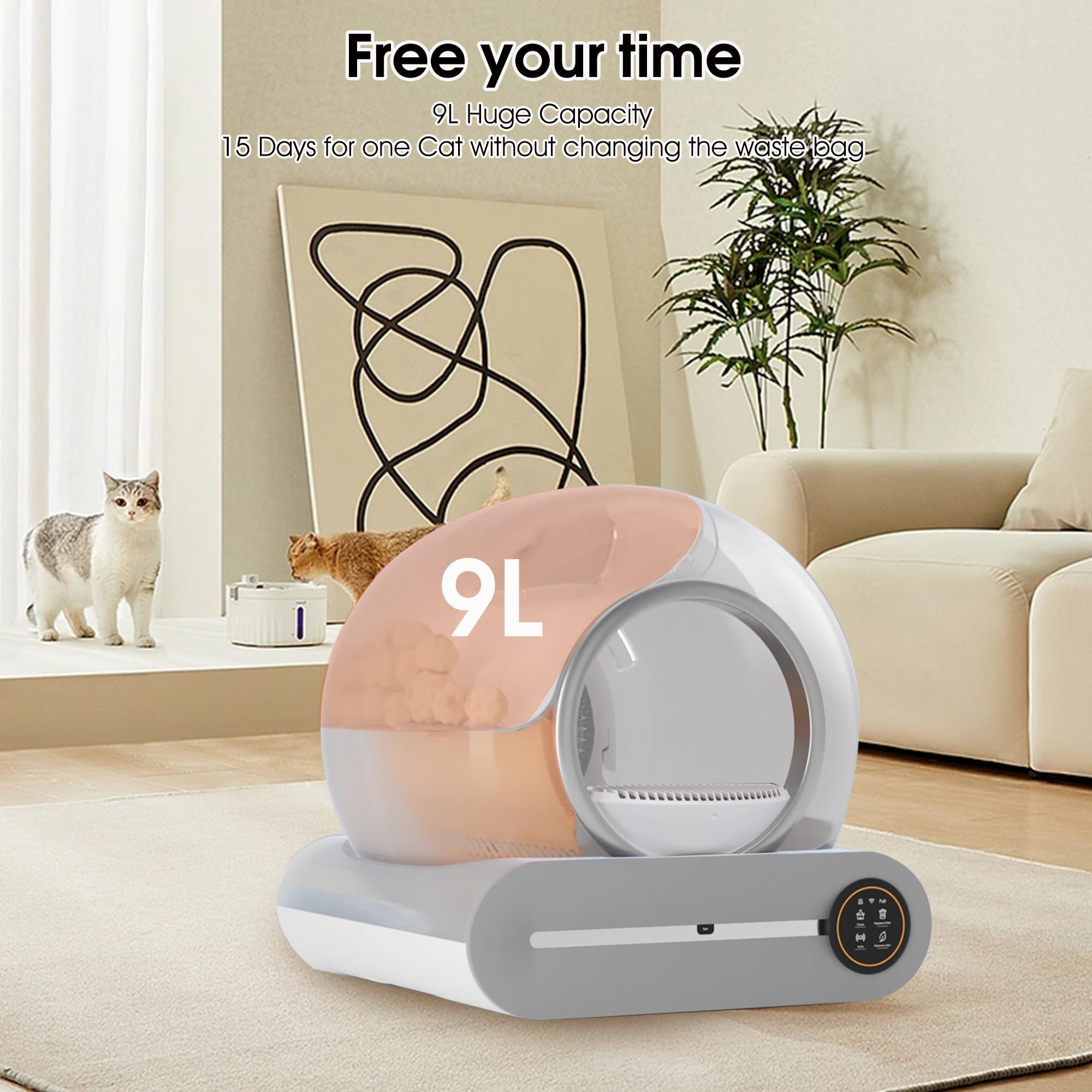
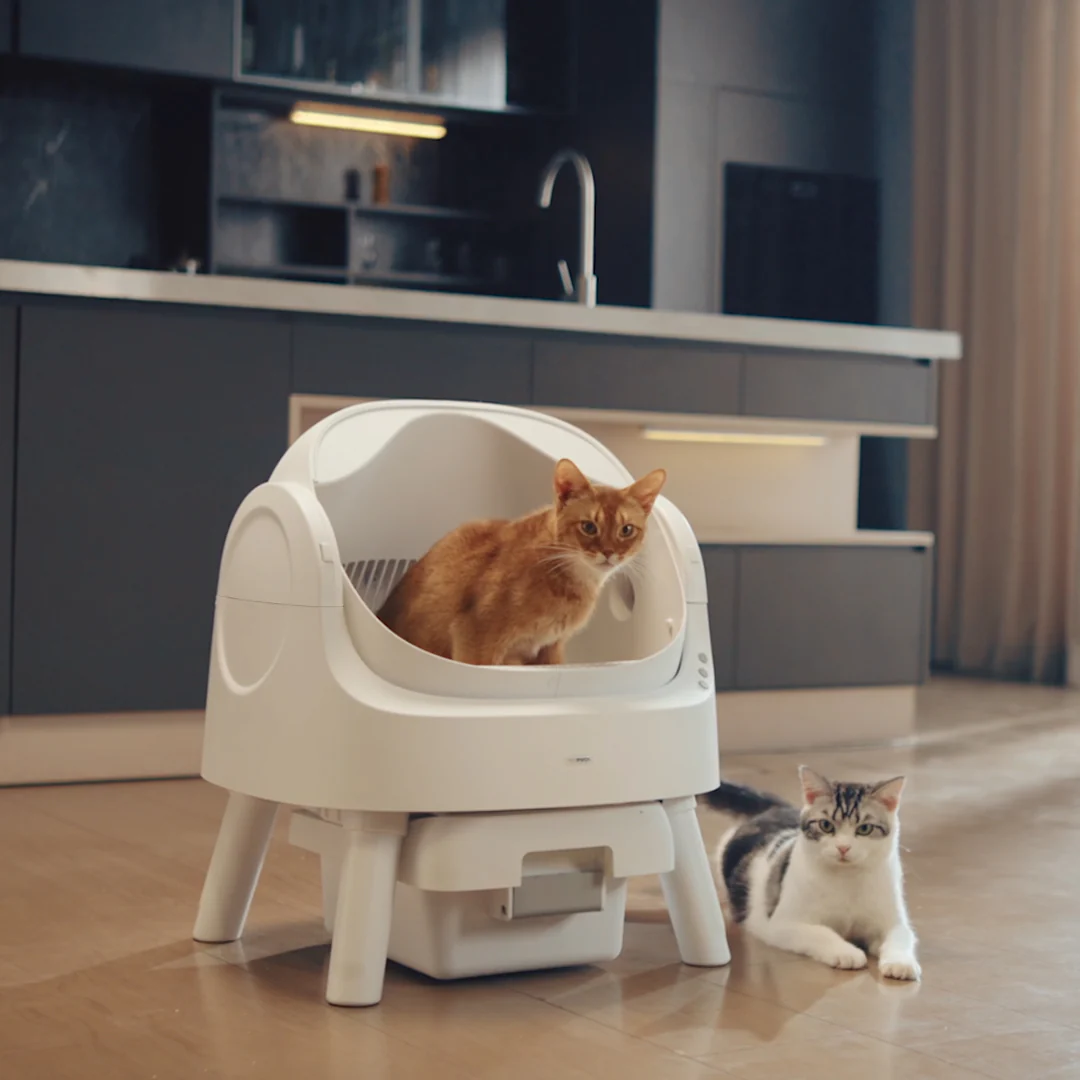
Choosing an automatic cat litter box requires balancing your cat's specific preferences with your own household needs, space limitations, and budget constraints. This evaluation examines top-performing self-cleaning models—ranging from rotating rake systems to sifting spheres—to help you determine which unit fits your feline companion's routine.
Understanding Automatic Cat Litter Boxes
Automatic cat litter boxes have transformed feline husbandry by automating one of the most persistent and least enjoyable daily chores: scooping waste. These mechanized appliances use various mechanical designs to separate solid waste (and, in some cases, liquid waste) from clean litter, depositing it into a sealed compartment beneath or beside the main basin. While the core promise is hands-free convenience, understanding how these systems operate is critical to making an informed investment.
When examining the market, buyers generally encounter a few distinct mechanical archetypes. Some units rely on a motorized rake that sweeps across the litter bed at set intervals after a cat exits. Others employ a gravity-sifting sphere or drum that rotates completely, filtering clean litter through a mesh screen while trapping clumps in a drawer. Understanding these mechanisms helps prospective buyers anticipate potential maintenance hurdles, noise levels, and litter compatibility requirements. Furthermore, modern iterations frequently integrate smart connectivity, allowing pet parents to monitor usage frequency, track cat weight changes, and receive maintenance alerts directly through mobile applications.
Key Evaluation Criteria for Self-Cleaning Litter Boxes
Selecting the right automatic litter box involves more than simply picking the most popular model on the market. Several performance metrics dictate how well a unit will function over months and years of continuous use. When compiling these reviews, several critical dimensions demand close inspection.
Safety Mechanisms and Sensor Accuracy
Safety is paramount when introducing a motorized appliance into a pet's environment. High-end automatic litter boxes incorporate multiple redundant safety sensors—including weight sensors, infrared beams, and proximity detectors—designed to immediately halt the cleaning cycle if a cat approaches or attempts to re-enter the unit mid-cycle. Reviewing how reliably these sensors trigger can mean the difference between a seamless experience and a frightened cat that refuses to use the device.
Litter Compatibility and Economy
Not all self-cleaning boxes accept every type of litter. Some rake-style units work best with crystal or silica gel litters, whereas rotating drums typically require tight-clumping traditional clay litters. Choosing a unit tied to proprietary, branded refill trays can significantly increase long-term operational costs, whereas open-architecture systems that accept standard litter offer greater financial flexibility.
Odor Control and Waste Capacity
An effective automatic box must do more than just scoop; it must successfully seal away waste odors between emptyings. The design of the waste receptacle, the tightness of the trapdoor seal, and the inclusion of carbon filters or specialized waste bags all heavily influence how frequently a multi-cat or single-cat household will smell the unit.
Reviewing the Top 5 Automatic Cat Litter Boxes
To provide a comprehensive overview, five prominent models on the market are evaluated below based on their engineering, daily performance, maintenance requirements, and overall value.
1. Litter-Robot 4
The Litter-Robot 4 represents the current zenith of automatic sifting technology, utilizing a patented spherical rotation method. As the globe rotates, waste is sifted through a heavy-duty mesh screen and dropped into a downward-facing drawer lined with a standard waste bag.
- Performance: Exceptional odor containment, thanks to a sealed waste drawer and carbon filter pocket. It handles multiple cats with ease and includes an integrated weight sensor that tracks individual cat weights via a companion app.
- Drawers and Consumables: Uses standard waste bags rather than expensive proprietary trays, keeping long-term consumable costs manageable.
- Drawbacks: The footprint is relatively large, requiring dedicated floor space, and the initial financial outlay is substantial.
2. PetSafe ScoopFree Smartify Self-Cleaning Litter Box
Utilizing a rake mechanism, the PetSafe ScoopFree series operates on a different philosophy than rotating spheres. After a preset delay, a motorized comb sweeps slowly across the bed, pushing solid waste into a covered trap at the end of the box.
- Performance: Quiet and efficient. The smart connectivity alerts owners when the waste compartment is full or when a cycle is delayed due to cat entry.
- Consumables: Traditionally designed around disposable cardboard trays filled with crystal litter, though reusable tray alternatives are available from third-party manufacturers. Crystal litter excels at locking in liquid odors.
- Drawbacks: The rake mechanism can occasionally accumulate residue if cats have soft stools, requiring manual cleaning of the tines. Ongoing purchases of crystal trays add to lifetime costs.
3. PetKit Pura X Self-Cleaning Cat Litter Box
The PetKit Pura X features a cylindrical rotating drum design with a modern, sleek aesthetic. It incorporates an automated liquid spray system (Pura Air) that releases a botanical deodorizing solution after each cleaning cycle to neutralize ambient odors.
- Performance: Highly customizable via the PetKit app, allowing users to toggle between automatic mode, manual mode, and scheduled non-disturbance hours. Weight sensors and infrared arrays provide robust safety protection.
- Litter Type: Optimized for standard clumping clay or mixed litters (excluding pure wood or non-clumping paper pellets).
- Drawbacks: The internal clearance is somewhat snug for exceptionally large breeds like Maine Coons, and the rubber interior lining requires periodic deep cleaning.
4. SmartScoop Automatic Litter Box
The SmartScoop is another rake-style system, distinguished by its heavy-duty metal gears and open-pan design, which helps prevent the enclosed claustrophobic feeling that some skittish cats experience with dome units.
- Performance: Simple, no-nonsense operation with a sensor pad that detects when a cat steps away. It operates quietly and uses standard plastic grocery bags or custom liners for the waste bin.
- Value: One of the more economically priced automated options available, making it an accessible entry point for owners wanting to test automatic cleanup without a massive investment.
- Drawbacks: It lacks advanced smartphone integration or precise cat-weight tracking, and the rake requires manual wiping more frequently than closed drum systems.
5. Cat Genie AI Self-Washing Litter Box
Standing apart from traditional sifting and raking boxes, the Cat Genie AI hooks directly into a cold water line and drain (similar to a washing machine or bidet) to flush, wash, sanitize, and dry washable granules.
- Performance: The ultimate hands-off solution for waste disposal, as solid waste is liquefied and washed away while reusable plastic granules are scoured and sanitized during each wash cycle.
- Maintenance: Requires permanent plumbing integration and specialized SaniSolution cartridges, eliminating the need to ever buy or haul traditional litter.
- Drawbacks: Complex installation requiring access to a plumbing hookup; upfront costs and installation effort are higher; some cats dislike the plastic granules.
Comparative Overview of Examined Models
| Model Name | Mechanism Type | Litter Compatibility | Smart App Integration | Waste Management Approach |
|---|---|---|---|---|
| Litter-Robot 4 | Rotating Sphere | Clumping Clay, Crystals (with screen mod) | Yes | Enclosed Drawer with Standard Bags |
| PetSafe ScoopFree | Motorized Rake | Crystal Silica Gel | Yes | Disposable or Reusable Trays |
| PetKit Pura X | Rotating Cylinder | Clumping Clay / Mixed | Yes | Enclosed Waste Bin with Liner |
| SmartScoop | Motorized Rake | Standard Clumping Clay | No | Open Bin with Bag Liners |
| Cat Genie AI | Flushing / Washing | Washable Plastic Granules | Yes | Direct Plumbing Hookup (No Bags) |
Operational Considerations and Troubleshooting
Transitioning your cat to an automatic litter box requires patience and strategic planning. Cats are creatures of habit who rely heavily on scent and familiarity. Abruptly removing their old, traditional box and replacing it with a humming, moving machine can induce stress and lead to inappropriate elimination outside the box.
The Transition Protocol
To ensure success, set up the new automatic litter box right beside your cat's existing, old litter box without turning it on. Allow the cat to investigate it passively for several days. Mix a small amount of used litter into the new box to transfer familiar scents. Once your cat regularly uses the powered-off automatic unit, turn it on manually while the cat is out of the room so they can observe the cycle from a safe distance without being startled. Only remove the old box once you have witnessed your cat successfully using the automatic unit during its active cycles.
Addressing Maintenance Challenges
Even the best automatic litter boxes require regular human intervention. Deep-cleaning the interior globe, drum, or rake tines every four to six weeks prevents bacterial buildup and unpleasant odors. Additionally, ensure that your chosen litter meets the manufacturer's grain size specifications; using litter that is too fine can cause dust interference with optical sensors, while heavy pellets can jam sifting screens.
Conclusion
Investing in an automatic cat litter box significantly reduces daily maintenance chores, offering improved odor control and hygiene for modern households. Models like the Litter-Robot 4 and PetKit Pura X excel in sifting performance and smart tracking, while PetSafe ScoopFree and SmartScoop provide reliable rake-based alternatives. For those seeking a truly waste-free experience, the Cat Genie AI offers a plumbed, washing solution. Assess your cat's size, temperament, and your home's spatial layout to select the model that best matches your lifestyle.