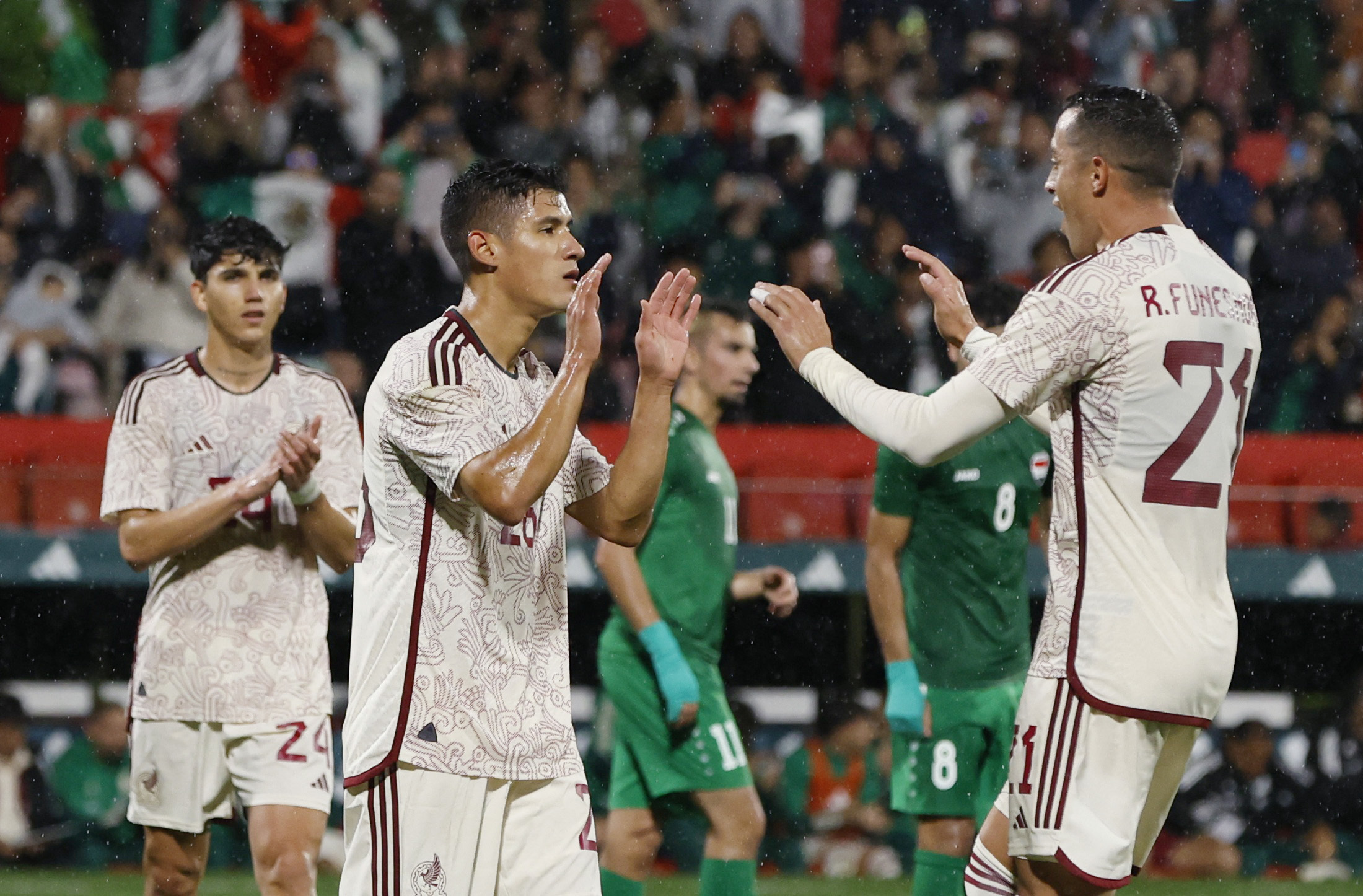
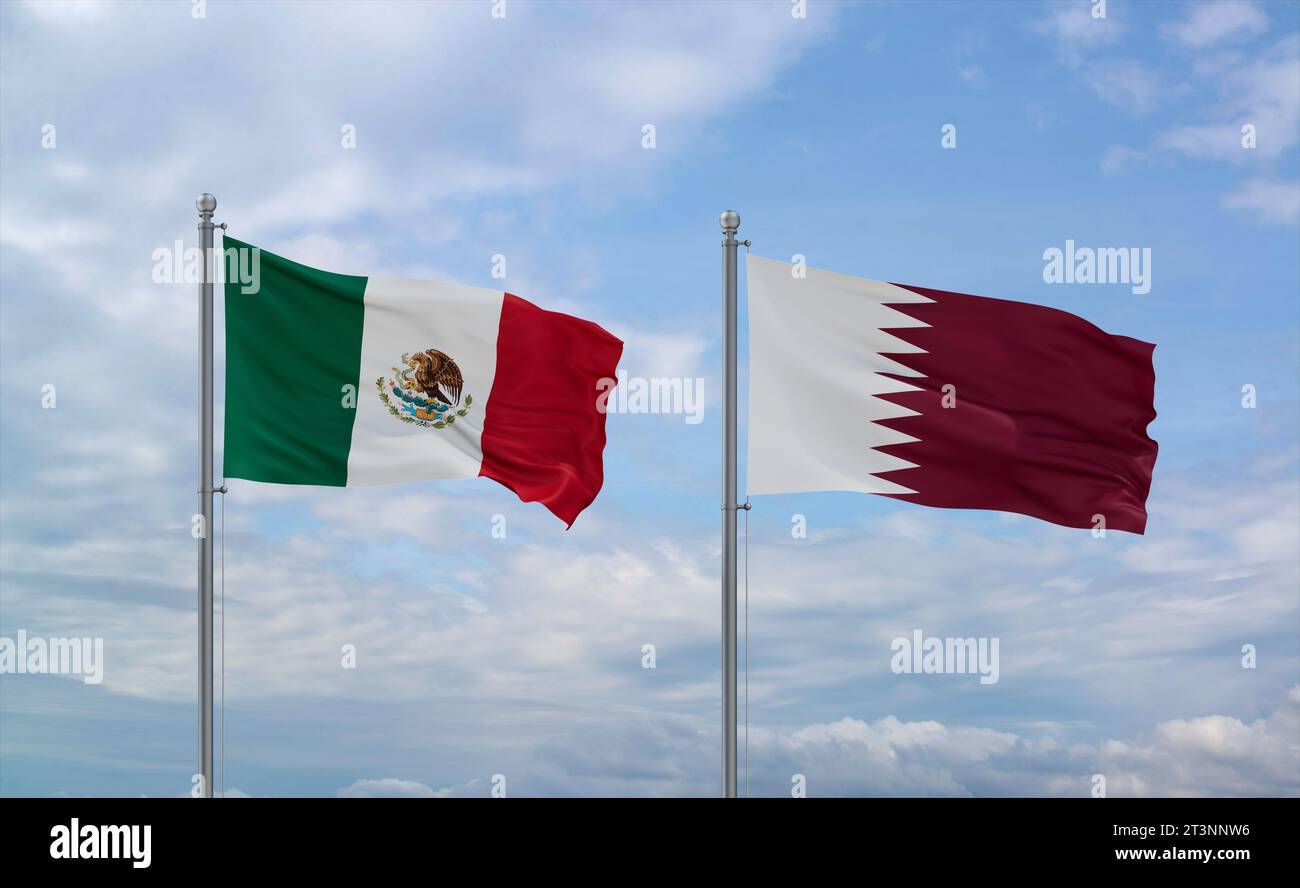
In 2022, relations between Mexico and Qatar reached a historic peak, characterized by unprecedented diplomatic activity and cultural exchange. Driven primarily by the FIFA World Cup, this year saw the establishment of the Mexico-Qatar 2022 Center, high-level ministerial visits to Doha, and a strategic deepening of trade ties in the energy and aerospace sectors.
The bilateral relationship between the United Mexican States and the State of Qatar, established officially in June 1975, has traditionally been cordial but relatively quiet. However, 2022 served as a transformative "tipping point" that shifted the focus from purely formal interactions to a multifaceted partnership encompassing security, sports diplomacy, and large-scale consular protection. As we look back from 2026, the events of 2022 remain the definitive blueprint for how Mexico manages its interests in the Middle East.
The Diplomatic Framework and High-Level Engagements
The year 2022 was framed by a series of high-level meetings designed to solidify a "strategic partnership" beyond the football pitch. In March 2022, Mexico’s Secretary of Foreign Affairs, Marcelo Ebrard, conducted an official visit to Doha. This visit was not merely a preparatory trip for the World Cup but a deliberate effort to align Mexico’s "Trans-Pacific" interests with Qatar’s "National Vision 2030."
During these meetings, both nations emphasized the need to diversify trade. While Qatar is a global leader in Liquefied Natural Gas (LNG), Mexico offered significant opportunities in the automotive, aerospace, and agribusiness sectors. The discussions in Doha focused on three pillars:
- Investment Reciprocity: Encouraging the Qatar Investment Authority (QIA) to explore infrastructure projects in southern Mexico, including the Interoceanic Corridor.
- Connectivity: Expanding the reach of Qatar Airways within Mexico, specifically exploring the possibilities offered by the newly inaugurated Felipe Ángeles International Airport (AIFA).
- Educational Exchange: Developing scholarship programs for Mexican students in Qatar’s "Education City" and vice versa.
These diplomatic efforts were supported by the respective embassies. The Mexican Embassy in Doha, led by Ambassador Graciela Gómez García during this period, played a pivotal role in navigating the complex regulatory and cultural landscape of the Gulf, ensuring that Mexican interests were represented at every stage of the World Cup planning process.
The Mexico-Qatar 2022 Center: A Consular Innovation
One of the most significant developments of 2022 was the inauguration of the Mexico-Qatar 2022 Center. Located in the Katara Cultural Village in Doha, this center represented a specialized extension of the Mexican Embassy, designed specifically to handle the influx of over 100,000 Mexican fans—the largest contingent from any Latin American country.
Functional Scope of the Center
The Center was not merely a symbolic office; it was a fully operational hub staffed by personnel from the Ministry of Foreign Affairs (SRE), the National Guard, and health officials. Its primary functions included:
- Protection and Legal Assistance: Providing immediate support for Mexicans facing legal issues, lost documentation, or detention.
- Health and Prevention: Addressing medical emergencies and providing guidance on local health regulations, which were still influenced by post-pandemic protocols.
- Cultural Promotion: Serving as a "home base" for Mexican culture, showcasing gastronomy, music, and art to an international audience.
The Role of the National Guard
In a rare move of international security cooperation, Mexico sent a detachment of the National Guard to Qatar in 2022. These officers did not have enforcement powers on Qatari soil; instead, they acted as "liaisons" between Mexican fans and Qatari security forces. Their presence was crucial in de-escalating potential conflicts, helping fans navigate local laws regarding alcohol consumption and public behavior, and providing a familiar face to those in distress. This model of "preventative diplomacy" proved so successful that it has since been studied as a case study for large-scale event management.
Economic Exchange and Trade Dynamics
While the World Cup dominated the headlines, the underlying economic data from 2022 showed a steady climb in bilateral trade. Historically, trade between the two nations fluctuated between $150 million and $200 million USD annually. In 2022, efforts were made to break this ceiling by identifying complementary markets.
Mexican Exports to Qatar: Mexico’s primary exports included high-value manufactured goods such as auto parts, refrigeration equipment, and cargo vehicles. Additionally, the agribusiness sector saw a surge, with Mexican berries, avocados, and processed foods finding a growing market in Qatari luxury retail and hospitality sectors.
Qatari Investments in Mexico: Qatar’s interest in Mexico is primarily focused on the energy sector. QatarEnergy has maintained a presence in Mexico’s deep-water oil blocks through various consortia. In 2022, discussions expanded to include potential Qatari investment in Mexico's tourism infrastructure, particularly in the Riviera Maya and Baja California regions.
Comparative Bilateral Metrics (2022)
| Category | Mexico to Qatar | Qatar to Mexico |
|---|---|---|
| Primary Exports | Auto parts, Trucks, Berries, Avocados | Natural Gas derivatives, Polymers, Fertilizers |
| Diplomatic Staff | Enhanced (World Cup Task Force) | Standard Embassy Operations |
| Visa Policy | Visa-free (with Hayya Card) | Visa-free for Mexican tourists |
| Key Investment Focus | Agribusiness & Manufacturing | Energy & Real Estate |
| Direct Flights | Cargo only (via Qatar Airways) | Cargo only (via Qatar Airways) |
The "Handover" and Post-2022 Prospects
The conclusion of the 2022 World Cup marked a significant symbolic moment: the handover of the tournament responsibility to the 2026 hosts—Mexico, Canada, and the United States. This transition transformed Mexico and Qatar from "host and visitor" into "peers in mega-event management."
In late November 2022, a formal ceremony was held in Doha where Qatari officials shared "lessons learned" with the Mexican delegation. This exchange covered technical aspects such as:
- Crowd Management: Digital ticketing and the integration of the Hayya Card system.
- Sustainability: The construction of modular and "green" stadiums.
- Security Integration: The use of AI and centralized command centers for city-wide monitoring.
This technical cooperation has persisted through 2026, with Mexican officials frequently citing the Qatari model for transportation logistics as a reference for the matches scheduled in Mexico City, Guadalajara, and Monterrey.
Cultural Synergy and Public Perception
The year 2022 was also a landmark for "soft power." For many Mexicans, 2022 was their first significant interaction with Arab culture. Conversely, for Qatar, the "Mexican Wave," the presence of the mariachi, and the iconic wrestler masks (Lucha Libre) became synonymous with the vibrant spirit of the tournament.
This cultural exchange was not without its challenges. The Mexican government spent much of 2022 educating its citizens on the legal and social norms of Qatar, particularly regarding LGBTQ+ rights, alcohol restrictions, and dress codes. The success of the relationship in 2022 was largely due to the "mutual respect" policy adopted by both governments, which prioritized diplomatic harmony and fan safety over ideological friction.
Challenges and Limitations in 2022
Despite the successes, several hurdles remained. The lack of a direct commercial passenger flight between Mexico City and Doha continued to be a significant barrier to tourism and spontaneous business travel. While Qatar Airways is one of the most active cargo carriers at the Mexico City International Airport (AICM), the 15-hour flight distance makes passenger routes logistically complex.
Furthermore, the trade balance remained heavily skewed toward Mexican manufacturing, while Qatar’s primary export—energy—is a sector where Mexico is striving for self-sufficiency. This creates a competitive rather than a purely complementary dynamic in the petroleum sector.
FAQ
How many Mexicans traveled to Qatar in 2022?
Approximately 100,000 Mexican citizens traveled to Qatar for the FIFA World Cup. This made Mexico one of the top three countries in terms of ticket purchases and foreign visitors, necessitating the expansion of consular services and the creation of the Mexico-Qatar 2022 Center.
What was the purpose of the National Guard in Qatar?
The Mexican National Guard was sent to Doha as a liaison force. They did not have the authority to make arrests or carry weapons. Their role was to assist Qatari police in communicating with Mexican fans, explaining local laws, and ensuring that any incidents involving Mexicans were handled with cultural sensitivity and proper legal representation.
Did Mexico and Qatar sign any new trade agreements in 2022?
While no new Free Trade Agreement (FTA) was signed, several Memoranda of Understanding (MoU) were advanced. These focused on aviation cooperation, food security (ensuring Qatar has access to Mexican agricultural exports), and investment protection frameworks between the Qatari Ministry of Commerce and the Mexican Ministry of the Economy.
Was a visa required for Mexicans to visit Qatar in 2022?
For the duration of the World Cup period in 2022, the traditional visa process was replaced by the Hayya Card. All visitors, including Mexicans, required this digital permit to enter the country, access stadiums, and use public transportation for free.
What is the current status of Mexico-Qatar relations in 2026?
By 2026, the relationship has evolved into a steady partnership focused on sporting logistics and energy technology. The lessons learned from Qatar’s hosting in 2022 are being actively applied to the 2026 World Cup preparations in Mexico. Bilateral trade has seen a modest but consistent increase of roughly 5% annually since 2022.
Practical Recommendation for 2026
For businesses or researchers looking to engage with Mexico-Qatar relations today, the most effective path is through the Joint Business Council or the respective chambers of commerce. The "momentum of 2022" has transitioned into a "legacy phase" where the focus is now on specialized sectors:
- Agri-Tech: Mexico’s ability to export to arid climates.
- Energy Transition: Cooperation on carbon capture and sustainable LNG processing.
- Sports Infrastructure: Leveraging the 2022 experience for the 2026 tournament.
Stakeholders should consult the Ministry of Foreign Affairs (SRE) for updated bilateral treaties and the Qatar Chamber of Commerce for specific investment incentives within the Qatar Free Zones.