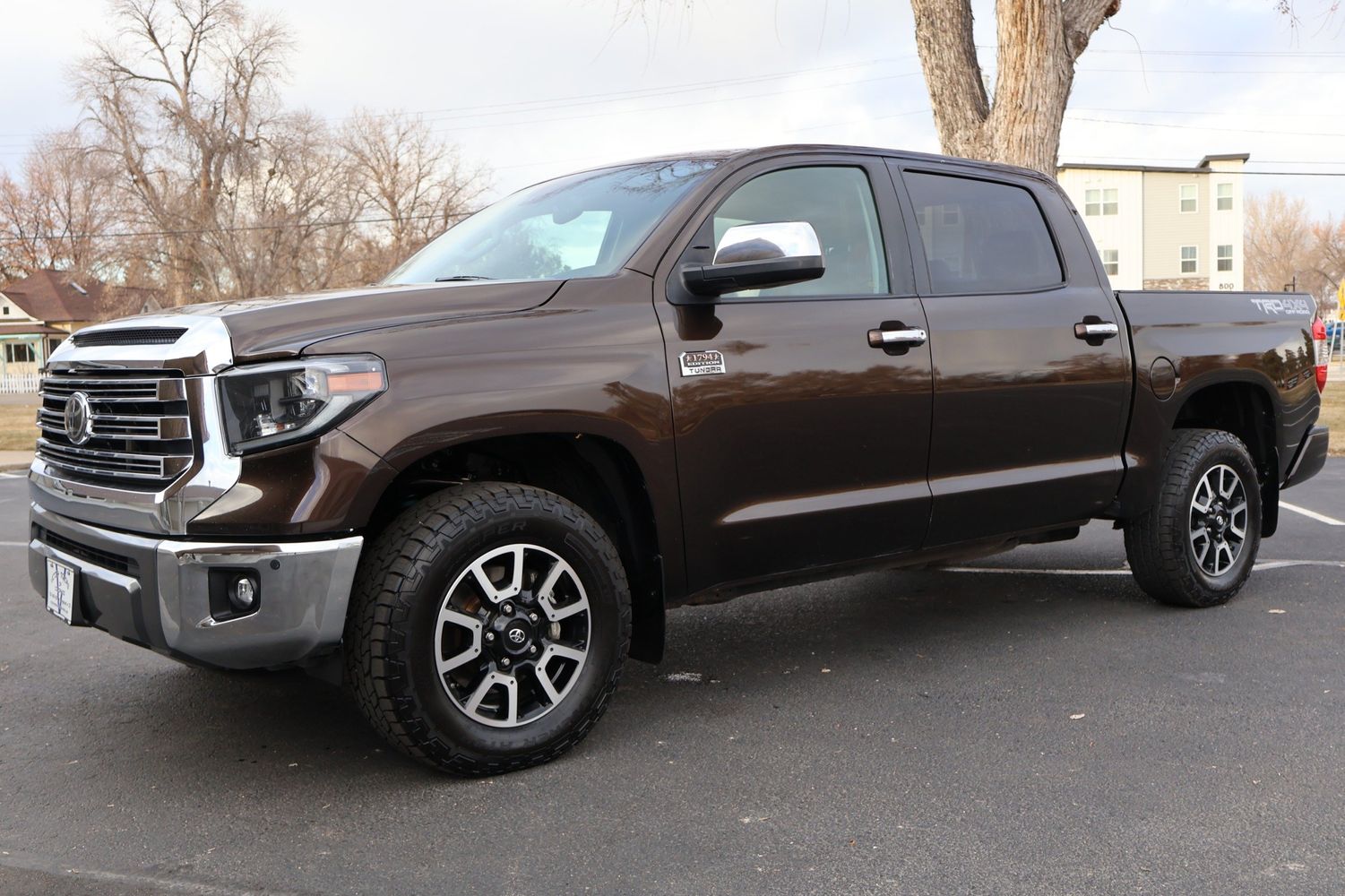
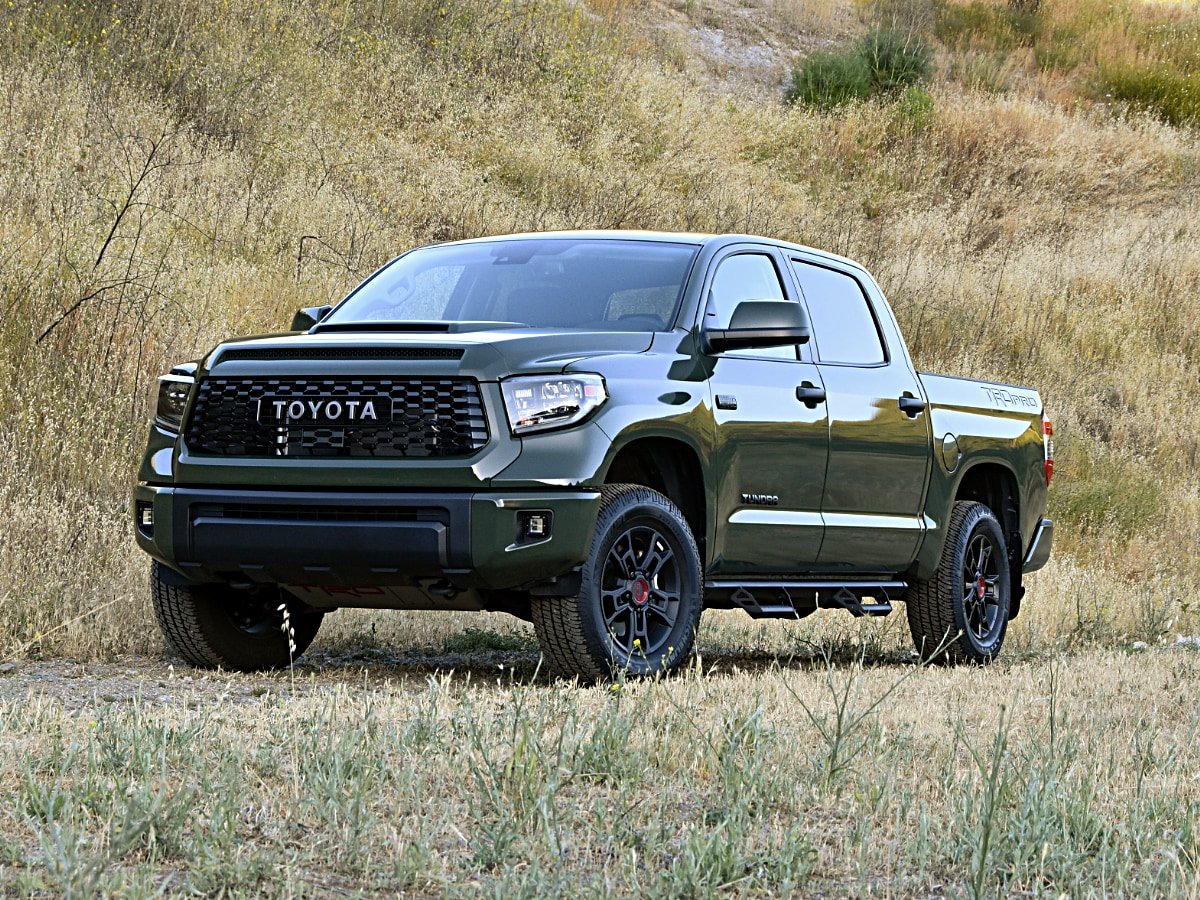
The 2020 Toyota Tundra achieves an EPA-estimated fuel economy of 13 mpg in the city, 17 or 18 mpg on the highway, and 14 or 15 mpg combined, depending on whether you choose the standard rear-wheel-drive or four-wheel-drive configuration. Powered exclusively by a 5.7-liter V8 engine paired with a 6-speed automatic transmission for that model year, the Tundra prioritizes heavy-duty reliability, towing endurance, and straightforward mechanical capability over class-leading fuel efficiency, making a realistic understanding of its gas mileage essential for prospective buyers and current owners alike.
Introduction to the 2020 Toyota Tundra Powertrain
When Toyota updated the Tundra lineup for the 2020 model year, one of the most significant changes happened under the hood. Toyota officially retired the aging 4.6-liter V8 engine, leaving the mighty 3UR-FE 5.7-liter i-FORCE V8 as the sole powerplant across every single trim level, from the base SR and work-focused SR5 to the premium Limited, Platinum, 1794 Edition, and off-road-oriented TRD Pro.
This single-engine strategy simplified the lineup but cemented a very specific performance profile. While competitors like the Ford F-150, Ram 1500, and Chevrolet Silverado offered turbocharged V6 engines, small displacement diesels, and mild-hybrid systems aimed at maximizing fuel efficiency, the 2020 Toyota Tundra doubled down on traditional, naturally aspirated V8 architecture. Buyers investigating 2020 tundra mpg performance are typically looking to understand the trade-offs between this bulletproof mechanical durability and the undeniable pain at the pump. Analyzing how this truck handles daily commuting, highway cruising, and heavy towing provides a complete picture of what living with a 2020 Tundra actually entails.
Official EPA Ratings Versus Real-World Fuel Economy
Understanding the official Environmental Protection Agency (EPA) testing numbers provides a baseline, but real-world driving conditions frequently diverge from laboratory simulations. For the 2020 model year, the EPA ratings vary slightly based on drivetrain configuration and the physical weight of the specific cab style (Double Cab versus CrewMax) and trim package (such as the heavier TRD Pro).
Rear-Wheel Drive (2WD) Models
- City: 13 MPG
- Highway: 17 or 18 MPG (depending on final drive ratio)
- Combined: 15 MPG
Four-Wheel Drive (4WD) Models
- City: 13 MPG
- Highway: 17 or 18 MPG
- Combined: 13 or 14 MPG (often dropping to 13 MPG in heavier trims like the TRD Pro)
In practical, everyday driving, owners frequently report that achieving the highway rating of 18 mpg requires optimal conditions—flat terrain, a steady speed of 65 mph, and minimal payload. Traveling at higher interstate speeds (70 to 75 mph) significantly increases aerodynamic drag, causing real-world highway figures to drop closer to 15 or 16 mpg. Similarly, urban stop-and-go driving routinely pushes fuel consumption toward the 11 to 12 mpg range, particularly in heavy traffic or hilly terrain where the 5.7-liter V8 must constantly move more than 5,500 pounds of empty truck weight from a dead stop.
| Configuration | EPA City MPG | EPA Highway MPG | EPA Combined MPG | Real-World Expectation (Mixed) |
|---|---|---|---|---|
| 2WD Standard / Double Cab | 13 | 18 | 15 | 13 - 15 MPG |
| 4WD Double Cab / CrewMax | 13 | 17 | 13 - 14 | 12 - 14 MPG |
| 4WD TRD Pro (CrewMax) | 13 | 13 (Specialized) | 13 | 11 - 13 MPG |
Key Mechanical Factors Impacting Tundra MPG Performance
Several distinct engineering characteristics explain why the 2020 Tundra consumes fuel at the rate it does. Rather than pointing to a single design flaw, the low fuel economy is the direct byproduct of prioritizing mechanical longevity, heavy-duty towing capacity, and off-road ruggedness over cutting-edge fuel-saving aerodynamics or cylinder-deactivation technology.
The 5.7L i-FORCE V8 Engine
The 5.7-liter V8 utilizes dual independent Variable Valve Timing with intelligence (VVT-i) to optimize air intake and exhaust timing, producing 381 horsepower and 401 lb-ft of torque. While this engine is widely celebrated by mechanics and long-term owners for reaching hundreds of thousands of miles with minimal major repairs, it lacks modern fuel-saving technologies like dynamic cylinder deactivation (found in GM and RAM trucks) or aggressive turbocharging designed to operate efficiently under light loads.
The 6-Speed Automatic Transmission
By 2020, most full-size competitors had transitioned to 8-, 9-, or even 10-speed automatic transmissions. These modern transmissions allow engines to cruise at extremely low RPMs at highway speeds. The 2020 Tundra retained a battle-tested, heavy-duty 6-speed automatic transmission. While this unit is remarkably durable and avoids the gear-hunting issues plaguing some complex modern transmissions, having only six gears means the engine turns at higher RPMs on the highway, burning more fuel.
Aerodynamics and Weight
The Tundra features a bold, upright front fascia with a massive grille designed to feed air into the engine bay and project an aggressive stance. However, this boxy frontal area creates substantial aerodynamic drag at highway speeds. Furthermore, Toyota utilized high-strength steel for the Tundra's fully boxed ladder frame rather than lightweight aluminum alloys. This heavy construction contributes to exceptional crash safety and payload durability, but it exacts a permanent toll on baseline fuel consumption.
Fuel Economy While Towing and Hauling
Full-size truck buyers rarely evaluate fuel economy based solely on empty commutes; towing performance is a critical factor. The 2020 Toyota Tundra has a maximum towing capacity of up to 10,100 pounds when properly equipped, supported by a heavy-duty tow package that includes an integrated trailer brake controller, a TOW/HAUL transmission mode, and a heavy-duty engine oil cooler.
When towing heavy loads—such as a 6,000-pound travel trailer or a car hauler—fuel economy drops precipitously. Owners consistently report towing gas mileage ranging between 8 and 10 MPG, regardless of whether they are driving on secondary highways or interstates.
- The Impact of TOW/HAUL Mode: Engaging the TOW/HAUL mode alters the shift points of the 6-speed transmission, holding gears longer to prevent excessive shifting and keeping the engine in its optimal torque band. While this reduces transmission wear and improves throttle response under load, it naturally increases fuel burn.
- Wind Resistance and Trailer Profile: Towing a tall, un-aerodynamic travel trailer creates massive wind resistance, often causing fuel economy to drop toward the lower end of the 7 to 8 mpg spectrum, whereas towing a lower, aerodynamic flatbed trailer may yield closer to 10 or 11 mpg.
Operating Costs and Fuel Budget Calculations
Because the 2020 Tundra runs on regular unleaded (87 octane) fuel, owners save a modest amount per gallon compared to luxury vehicles requiring premium gasoline. However, the sheer volume of fuel consumed requires careful budgeting, especially for drivers with long daily commutes or frequent road trips.
To put this into perspective, driving 15,000 miles per year at an average of 14 combined mpg means consuming approximately 1,071 gallons of gasoline annually. At a hypothetical fuel cost of $3.50 per gallon, the annual fuel bill reaches roughly $3,750. For drivers who utilize the Tundra primarily for heavy towing or high-mileage work fleets, fuel represents the single largest operational expense associated with the vehicle.
Strategies to Optimize 2020 Tundra Fuel Economy
While you cannot completely rewrite the engineering specifications of a heavy-duty V8 truck, several practical driving habits and maintenance routines can help maximize fuel efficiency and prevent unnecessary waste:
- Maintain Proper Tire Pressure: Heavy trucks are sensitive to rolling resistance. Keeping all four tires inflated to the manufacturer's recommended psi (typically found on the doorjamb placard) reduces friction and prevents unnecessary fuel loss.
- Control Highway Speeds: Aerodynamic drag increases exponentially as speed rises. Cruising at 65 mph instead of 75 mph can yield an observable improvement of 1 to 2 mpg on long highway stretches.
- Minimize Unnecessary Payload: Avoid treating the truck bed as a permanent storage locker. Carrying hundreds of pounds of unnecessary gear, tools, or aftermarket accessories degrades city fuel economy by forcing the engine to accelerate dead weight at every stoplight.
- Adhere to Strict Maintenance Intervals: Dirty air filters, worn spark plugs, degraded engine oil, and neglected oxygen sensors can quietly degrade fuel efficiency by 5% to 10%. Keeping the ignition and emission systems in peak condition ensures optimal combustion.
Common Misconceptions About Tundra MPG Performance
A number of myths and internet rumors surround the fuel economy of this specific model year, often confusing prospective buyers who are transitioning from lighter-duty trucks or crossover SUVs.
- Myth: The 2020 Tundra's fuel economy is identical to modern turbocharged V6 trucks. Reality: While modern twin-turbo V6 engines achieve significantly better fuel economy during light-load highway cruising, they often suffer a dramatic drop in fuel efficiency when placed under heavy towing loads, narrowing the real-world gap during hard work duties.
- Myth: Adding aftermarket lift kits and oversized off-road tires has no measurable impact on MPG. Reality: Installing a suspension lift and heavy mud-terrain tires dramatically increases aerodynamic drag, rolling resistance, and rotational mass, routinely dropping overall fuel economy by 2 to 4 mpg.
- Myth: Using premium fuel improves Tundra fuel economy. Reality: The 5.7L i-FORCE engine is specifically engineered and calibrated to run efficiently on standard 87-octane regular unleaded fuel. Using higher-octane fuel does not increase power output or improve fuel mileage in a stock engine.
Frequently Asked Questions
What kind of gas does a 2020 Toyota Tundra take?
The 2020 Toyota Tundra runs on standard regular unleaded gasoline with an octane rating of 87 or higher. Using mid-grade or premium fuel is unnecessary for daily driving and provides no performance or fuel economy benefits.
Why is the fuel economy on the 2020 Tundra lower than competing trucks?
The 2020 Tundra relies on a naturally aspirated 5.7-liter V8 engine paired with a 6-speed automatic transmission rather than smaller turbocharged engines or multi-speed transmissions (such as 8- or 10-speed units). Toyota prioritized long-term mechanical reliability and towing durability over maximizing EPA fuel economy ratings.
Does the 2020 Tundra TRD Pro get worse gas mileage than other trims?
Yes. While all 2020 Tundras share the same 5.7-liter V8 engine, the TRD Pro trim features heavier forged aluminum wheels, specialized off-road suspension components, and skid plates that add weight and alter aerodynamics, typically resulting in slightly lower real-world fuel economy.
How much does fuel economy drop when towing with a 2020 Tundra?
When towing heavy loads near its capacity, real-world fuel economy typically drops to between 8 and 10 MPG. This reduction is driven by increased weight, rolling resistance, and substantial aerodynamic drag from the trailer.
Can aftermarket modifications improve a 2020 Tundra's gas mileage?
Most external modifications—such as lift kits, leveling kits, bull bars, roof racks, and aggressive off-road tires—actually reduce fuel economy by increasing weight and wind resistance. Engine tuners or cold-air intakes offer negligible real-world improvements compared to maintaining proper tire pressure and practicing conservative driving habits.
Conclusion and Final Recommendation
The 2020 Toyota Tundra does not pretend to be a fuel-efficient commuter vehicle. Its 5.7-liter V8 engine and traditional 6-speed transmission are designed for uncompromising mechanical durability, robust towing capacity, and steadfast reliability under grueling conditions. If your primary goal is maximizing fuel economy for a long daily highway commute, alternative light-duty trucks equipped with hybrid systems, turbo-diesels, or turbocharged V6 engines will serve you better. However, if you prioritize long-term ownership without catastrophic powertrain failures, straightforward maintenance, and a truck that handles heavy towing workloads without breaking a sweat, accepting the 2020 Tundra's modest fuel economy is a minor trade-off for legendary capability.