The 2019 Alaska cruise season represented a significant milestone in the maritime tourism industry, characterized by record-breaking passenger volumes, expanded fleet deployments, and the introduction of larger vessels to Northern Pacific routes. As the industry prepared for the post-2019 expansion, this year served as a primary indicator of surging demand for Northern itineraries and catalyzed infrastructure investments in key Alaskan ports.
The Significance of the 2019 Season
In the context of the cruise industry, 2019 was widely recognized as a "peak" operational year before the global maritime pause. For travelers researching this period, the 2019 season is best understood as the era when major cruise lines—including Princess Cruises, Holland America Line, and Royal Caribbean—solidified their dominance in the region by moving from seasonal testing to long-term infrastructure commitments.
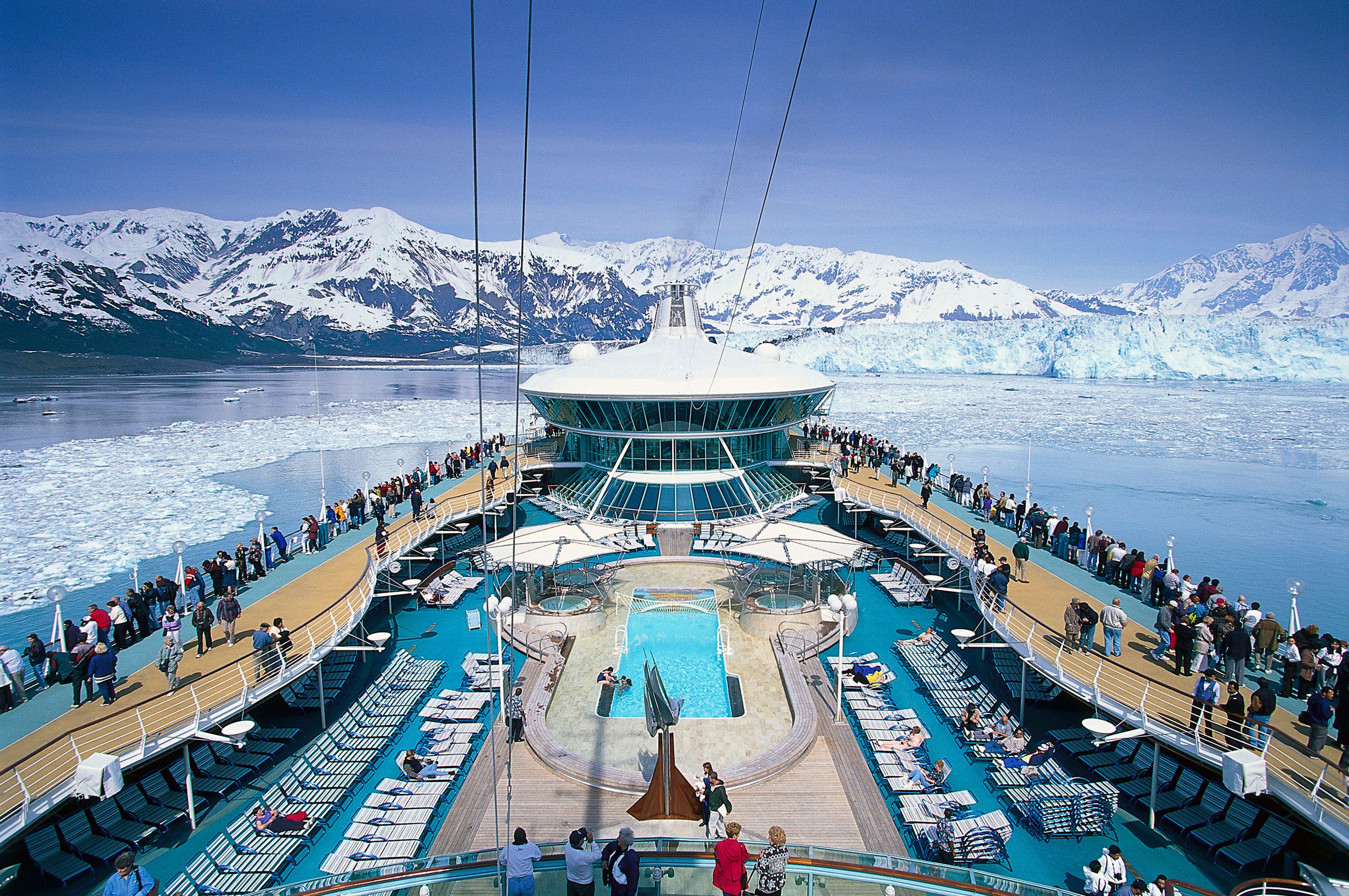
The year was marked by a strategic pivot toward "experience-based" cruising. Rather than focusing solely on transit between ports, lines began emphasizing glacier viewing and indigenous cultural partnerships. This shift transformed the standard 7-day voyage from a simple transport model into a sophisticated, multi-day educational experience.
Fleet Deployment and Capacity Dynamics
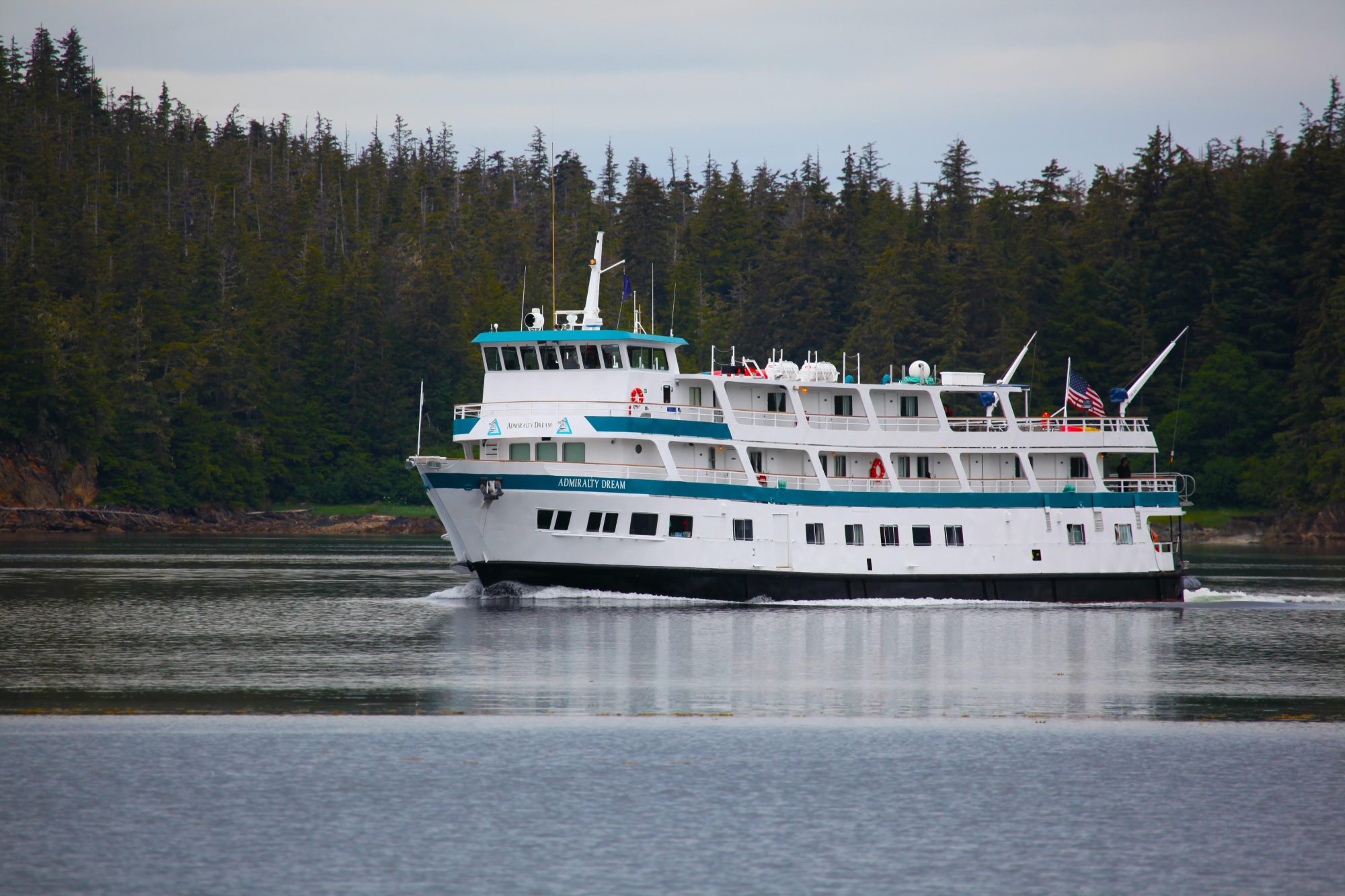
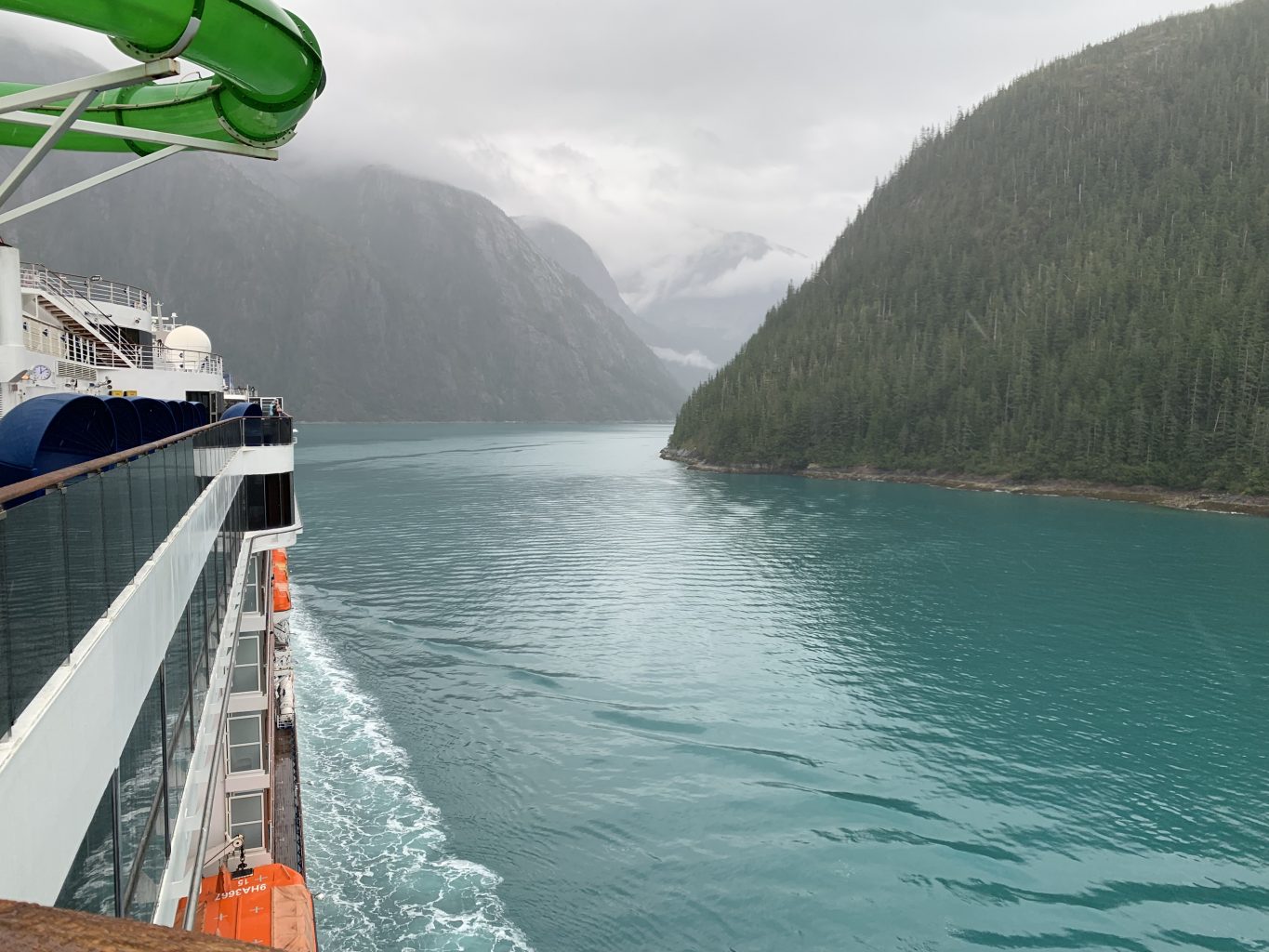
During 2019, Alaska saw a notable increase in the physical size of vessels entering the Inside Passage. The industry moved away from smaller, older ships, replacing them with modern, post-Panamax vessels designed for temperate climates but built with high-capacity amenities.
Key players in 2019 included:
- Princess Cruises: Continued its long-standing history as the leader in Alaska, utilizing ships like the Royal Princess to increase capacity.
- Holland America Line: Leveraged its extensive land-based infrastructure (hotels and rail cars) to offer land-sea cruise tours that remained the gold standard for North American travelers.
- Norwegian Cruise Line: Debuted the Norwegian Bliss in the region, a ship specifically designed with a 180-degree observation lounge intended to mitigate the challenges of inclement Alaskan weather.
- Royal Caribbean International: Deployed the Ovation of the Seas, which at the time brought unprecedented scale and technology to the region, including virtual reality features and skydiving simulators.
Operational Logistics and Regulatory Environment
Operating a cruise in Alaska during 2019 required adherence to strict environmental regulations that have only tightened in the years since. The Alaska Department of Environmental Conservation (ADEC) maintained rigorous oversight regarding wastewater discharge, opacity limits for engine emissions, and underwater noise protocols to protect local marine mammal populations, specifically the endangered Southern Resident killer whales.
Travelers who participated in 2019 cruises often encountered the "Commercial Passenger Vessel Excise Tax," a per-passenger fee that contributes to state port improvements. Understanding these logistics is vital for anyone analyzing the historical impact of the 2019 season, as these fees were the direct precursors to the modern, modernized port facilities seen in cities like Juneau, Skagway, and Ketchikan in 2026.
Comparison of Key Itineraries and Port Calls
The 2019 season followed a predictable yet highly competitive route structure. Most itineraries focused on the Inside Passage, departing primarily from Seattle, Washington, or Vancouver, British Columbia. The table below illustrates the distinctions between the primary departure points that defined the 2019 experience.
| Feature | Seattle Departures | Vancouver Departures |
|---|---|---|
| Primary Route | Often includes ocean transit | Usually follows the sheltered Inside Passage |
| Port Frequency | High-volume, faster paced | Typically includes a stop in Victoria, BC |
| Vessel Capacity | Accommodates the largest mega-ships | Often features mid-sized to large ships |
| Logistics | Simplified for US domestic travelers | Requires passport/international travel protocols |
| Scenic Value | Primarily open-sea views initially | Immediate access to coastal fjords and scenery |
The "Land-Sea" Hybrid Model
A defining feature of 2019 cruises was the prevalence of "Cruise-Tours." These were not merely cruises; they were integrated vacation packages that allowed guests to disembark in Skagway or Whittier and travel deep into the Alaskan interior by motorcoach or luxury glass-domed railcars.
These land-sea packages were specifically designed to visit Denali National Park and the Kenai Peninsula. In 2019, the logistical coordination required for these tours reached a high level of sophistication. Travelers could book a single itinerary that combined a seven-day glacier-viewing cruise with a three-to-five-day land excursion. This model remains the primary recommendation for travelers looking to understand the full breadth of the Alaskan experience, as it bridges the gap between coastal maritime transit and the rugged terrain of the interior.
Environmental Stewardship and Public Perception
The 2019 season was a turning point for environmental advocacy in Alaska. As passenger counts surged, local residents in major port cities expressed concerns regarding "overtourism." This led to the formation of stronger collaborative agreements between cruise lines and municipal governments.
For researchers and historians, 2019 serves as the baseline for assessing modern sustainability. The industry began moving toward shore-power electrification in 2019, a technology that allows ships to plug into the local power grid while docked, significantly reducing carbon emissions and noise pollution. This initiative was in its relative infancy during the 2019 season but has since become the operational standard for major ports across Southeast Alaska.
Common Traveler Experiences and Challenges
Travelers in 2019 frequently reported a high degree of satisfaction regarding the wildlife viewing opportunities. However, the year was also characterized by specific traveler challenges that remain relevant:
- Weather Unpredictability: While summer is the peak season, passengers often underestimated the necessity of "layering" clothing, leading to discomfort during glacier deck-viewing sessions.
- Shore Excursion Sell-outs: Due to the surge in demand, popular excursions—such as dog sledding in Skagway or flightseeing over Misty Fjords—often sold out months in advance.
- Connectivity Limitations: Satellite internet, while present, was significantly slower in 2019 than current 2026 standards, leading to a "disconnected" vacation experience that many travelers found difficult to navigate.
Frequently Asked Questions
Why is 2019 considered a significant year for Alaska cruise history? 2019 represents the final "normal" season before the industry-wide pause. It serves as a benchmark for comparing modern fleet technology, port infrastructure, and regulatory frameworks. It was the year high-capacity mega-ships officially became the standard for the Alaskan market.
Were cruise prices in 2019 lower than current 2026 rates? Generally, yes. While direct comparison is difficult due to inflation and changing demand, 2019 base fares were lower. However, the "total cost of ownership" for a vacation—including port fees, surcharges, and the cost of premium shore excursions—has shifted, as cruise lines have moved toward bundled, all-inclusive pricing models in recent years.
Did 2019 cruises include the same ports as modern cruises? The core itinerary ports—Juneau, Skagway, Ketchikan, and Glacier Bay National Park—have remained consistent. The primary difference is the development of private cruise terminals, which were significantly less prevalent in 2019 compared to the dedicated, cruise-line-owned docks utilized today.
What was the most popular ship sailing to Alaska in 2019? While popularity is subjective, the Norwegian Bliss was widely cited as the most "anticipated" ship in 2019, specifically due to its design, which was purpose-built for the unique weather and aesthetic conditions of the Alaskan coastline.
Is it still possible to book the same land-sea tours from 2019? Many of the land-sea tour itineraries offered in 2019 are still available in 2026, though the specific hotel properties and train car amenities may have been updated or rebranded. The underlying logic of the itinerary—combining the Inside Passage with Denali National Park—remains the gold standard for Alaskan tourism.
Recommendations for Research and Planning
If you are currently evaluating your travel options based on the legacy of the 2019 season, the most effective approach is to view the 2019 data as a guide to where to go, rather than how to book. The industry has evolved significantly, and current booking platforms prioritize real-time availability and digital integration that did not exist in 2019.
For those interested in the historical logistics, we recommend reviewing the "Alaska Cruise Ship Initiative" reports from the 2019 timeframe, which provide detailed, publicly available data on emissions, waste management, and port activity. This documentation provides a transparent view of the industry's baseline, which will assist you in making informed decisions about the environmental impact and operational quality of your future travels. When planning, prioritize vessels that utilize shore-power and offer curated, small-group excursions to ensure your experience aligns with both current environmental standards and your personal interest in Alaskan wilderness preservation.