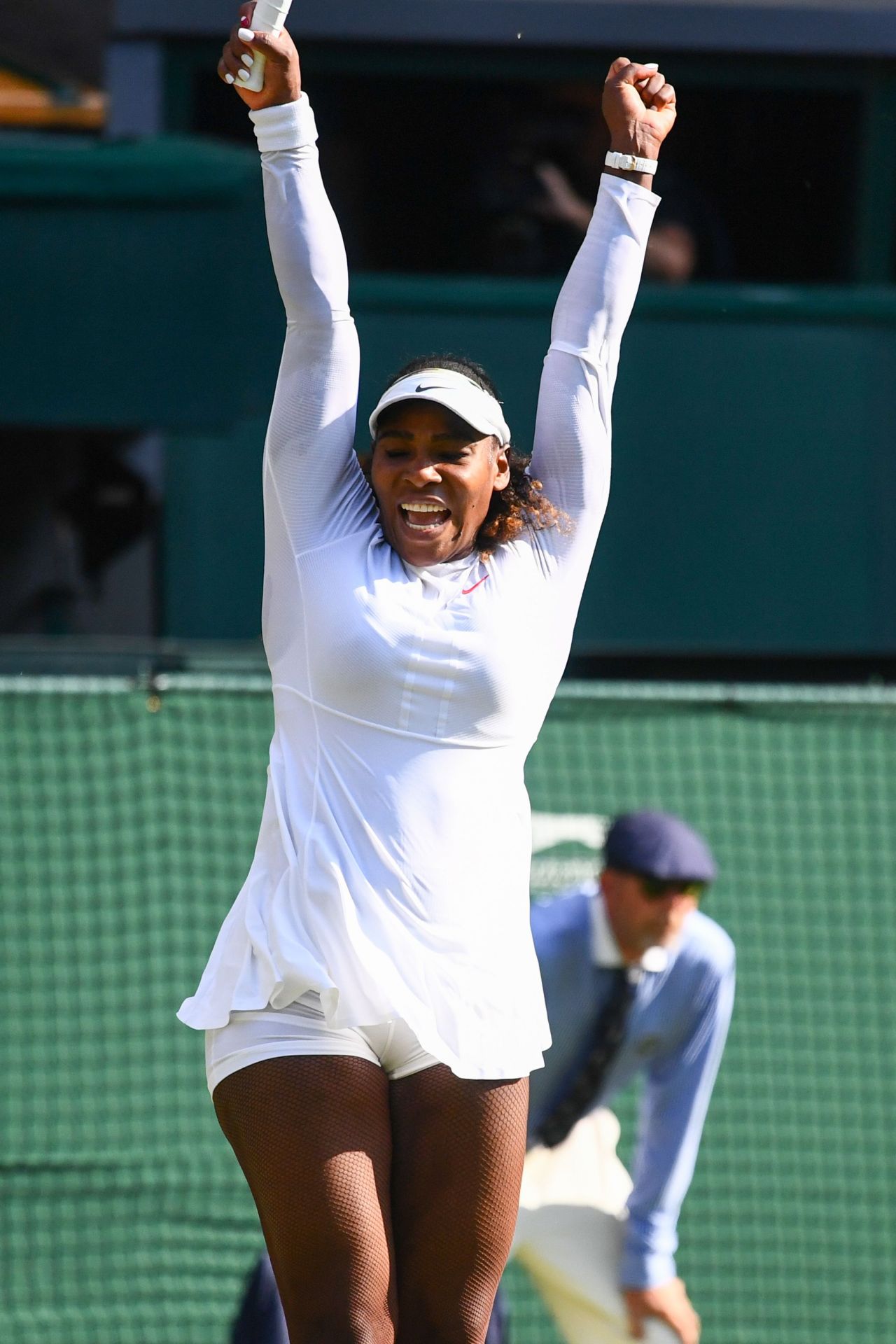
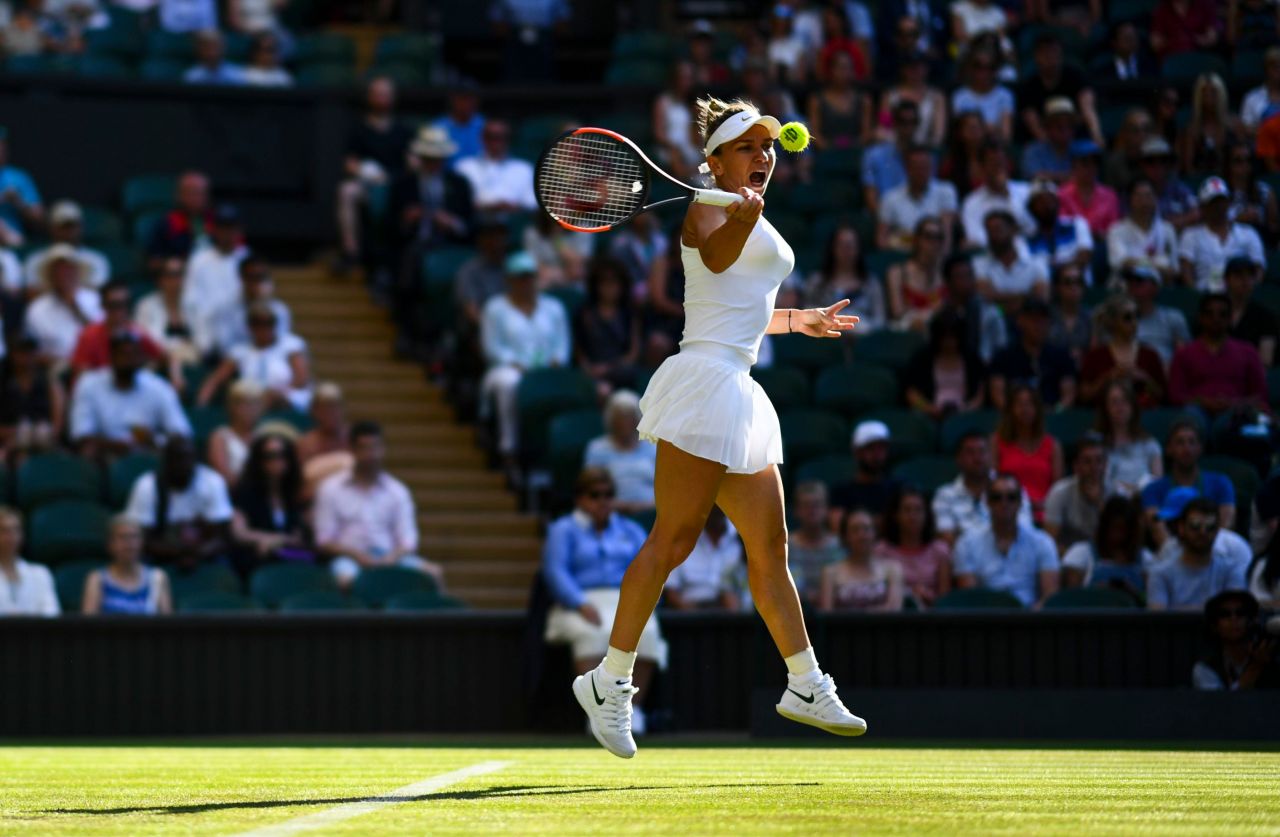
The 2018 Wimbledon Championships, officially the 132nd edition of the prestigious tennis tournament, saw Novak Djokovic claim his fourth men’s singles title by defeating Kevin Anderson, while Angelique Kerber secured her first Wimbledon women’s singles title with a victory over Serena Williams. These results marked a significant turning point in the professional tennis landscape of the late 2010s, highlighting the resilience of veteran players and the emergence of new rivalries on the grass courts of the All England Lawn Tennis and Croquet Club.
The Significance of the 2018 Gentlemen’s Singles Final
The 2018 Gentlemen’s Singles tournament concluded with Novak Djokovic earning his 13th Grand Slam title. His path to the trophy was far from straightforward, as he entered the tournament ranked 21st in the world following a lengthy injury layoff and a period of inconsistent form. By defeating Kevin Anderson in straight sets (6–2, 6–2, 7–6), Djokovic signaled his return to dominance in the sport.
For Kevin Anderson, the 2018 final represented the pinnacle of his career. Having defeated Roger Federer in a grueling five-set quarterfinal match—where he overcame a two-set deficit—and winning an epic six-hour, 36-minute semifinal match against John Isner, Anderson entered the final physically depleted. The match against Isner remains the second-longest singles match in the history of the Grand Slam tournament, a testament to the sheer physical toll the 2018 event demanded of its finalists.
The Ladies’ Singles Victory for Angelique Kerber
In the Ladies’ Singles draw, Angelique Kerber achieved a career milestone by defeating the seven-time champion Serena Williams in straight sets (6–3, 6–3). This victory was particularly poignant for the tennis community as it occurred during Williams's return to major competition following the birth of her daughter.
Kerber’s defensive prowess and tactical baseline play proved to be the deciding factors against Williams’s aggressive style. By winning the 2018 final, Kerber became the first German woman to win the Wimbledon singles title since Steffi Graf in 1996. Her performance throughout the two weeks was marked by a high level of consistency, losing only one set en route to the final, which demonstrated her elite ability to adapt to the fast-paced nature of grass-court tennis.
Tournament Overview and Conditions
Held from July 2 to July 15, 2018, the tournament was characterized by unusually hot and dry weather in London, which significantly affected the condition of the grass courts. As the fortnight progressed, the courts played faster than in previous years, favoring players with strong serves and aggressive return games.
The 2018 event was the first year that the tournament employed a new heat rule for the women's competition, allowing for a ten-minute break between the second and third sets if the Wet Bulb Globe Temperature (WBGT) reading exceeded 30.1°C. This administrative change highlighted the governing body's increasing focus on player welfare during extreme weather events.
Statistical Breakdown of the Champions
To understand the dominance of the 2018 winners, it is useful to compare the key performance indicators from their respective championship runs.
| Category | Gentlemen's Champion | Ladies' Champion |
|---|---|---|
| Winner | Novak Djokovic | Angelique Kerber |
| Opponent | Kevin Anderson | Serena Williams |
| Final Score | 6–2, 6–2, 7–6 (7–3) | 6–3, 6–3 |
| Tournament Seed | 12 | 11 |
| Career Grand Slams (at start of 2018) | 12 | 2 |
| Tournament Surface | Grass | Grass |
The Impact of the 2018 Results on the ATP and WTA Tours
The victories of Djokovic and Kerber in 2018 had lasting implications for the rankings and the narrative of the sport. For Djokovic, the 2018 trophy served as a springboard. Following his victory at SW19, he embarked on a dominant streak that saw him return to the world number one ranking later that year. He proved that the "Big Four" era was still very much alive and that his injury-related decline was temporary.
For the WTA, Kerber’s win solidified her position as one of the most versatile players on tour. Having previously won the Australian Open and the US Open, her triumph at Wimbledon completed her collection of hard-court and grass-court titles, proving that she could translate her defensive skills to any surface. Her win also highlighted the competitive depth of the women’s game, as it demonstrated that even the most legendary players like Williams could be challenged by disciplined, tactical opponents who could effectively neutralize power with precision.
Supporting Categories: Doubles and Junior Events
The 2018 Championships also saw compelling results in other categories, showcasing the depth of talent at the All England Club.
- Gentlemen's Doubles: Mike Bryan and Jack Sock secured the title. Notably, this was Mike Bryan’s 17th Grand Slam title, achieved in the absence of his long-time partner and twin brother, Bob Bryan, who was sidelined by injury.
- Ladies' Doubles: Barbora Krejčíková and Kateřina Siniaková claimed the title, building on their victory at the French Open earlier that year.
- Mixed Doubles: Alexander Peya and Nicole Melichar emerged victorious in a tightly contested final, highlighting the technical skill required for specialized doubles play.
These results were vital for the participants' careers, particularly for younger players who used these titles as stepping stones into the professional ranks of the ATP and WTA tours.
Common Misconceptions Regarding the 2018 Tournament
One common misconception about the 2018 tournament is that the playing conditions were favorable for all styles of play. In reality, the dry, hot summer in the UK resulted in the grass wearing down more rapidly than in cooler years. This created a surface that, while still grass, played with a higher, more consistent bounce than traditional "slow" or "muddy" grass courts. Players who relied heavily on extreme spin, such as Rafael Nadal, were forced to adjust their grip and swing paths, while flatter hitters found it easier to dictate points.
Another point of clarification involves the seedings. In 2018, the Wimbledon seeding committee continued its unique practice of adjusting ATP seeds based on a player's previous performance on grass, rather than relying solely on the world ranking. This is why some players were seeded differently than their ATP ranking suggested, which often leads to confusion when looking back at historical brackets.
Frequently Asked Questions
Who were the 2018 Wimbledon men’s and women’s singles champions? The 2018 Wimbledon men’s singles champion was Novak Djokovic, and the women’s singles champion was Angelique Kerber.
How did the 2018 weather affect the tournament? The tournament experienced prolonged, extreme heat. This caused the grass courts to dry out quickly, leading to faster playing conditions that favored hard-hitting, aggressive baseline players.
Did Serena Williams win a set in the 2018 final? No, Angelique Kerber defeated Serena Williams in straight sets, 6–3, 6–3, to win her first Wimbledon title.
Was 2018 the year Kevin Anderson reached the final? Yes, Kevin Anderson reached the Wimbledon final for the first time in his career in 2018. His journey to the final included a historic, marathon semifinal victory over John Isner.
Why was Novak Djokovic seeded 12th in the 2018 tournament? While Djokovic was a former world number one, his ranking had dropped significantly due to injury. Wimbledon used its own specific seeding formula that factored in grass-court success over the previous two years, which resulted in his 12th-seed placement.
Strategic Implications and Next Actions for Tennis Enthusiasts
For those interested in the evolution of tennis, the 2018 tournament serves as an essential case study in physical endurance and tactical adaptation. If you are researching this event for historical data or as a benchmark for modern player performance, the primary resource for detailed match statistics, point-by-point breakdowns, and official player records remains the official Wimbledon website's digital archive.
To further your understanding, consider reviewing the full match replays of the Gentlemen’s semifinal between Kevin Anderson and John Isner. Analyzing the defensive tactics used by Kerber against Williams in the women’s final also provides valuable insight into how high-level tennis is often won through patience and error reduction rather than solely through raw power. Whether you are a student of the game or a casual fan, the 2018 Championships remain a defining chapter in the history of the sport.