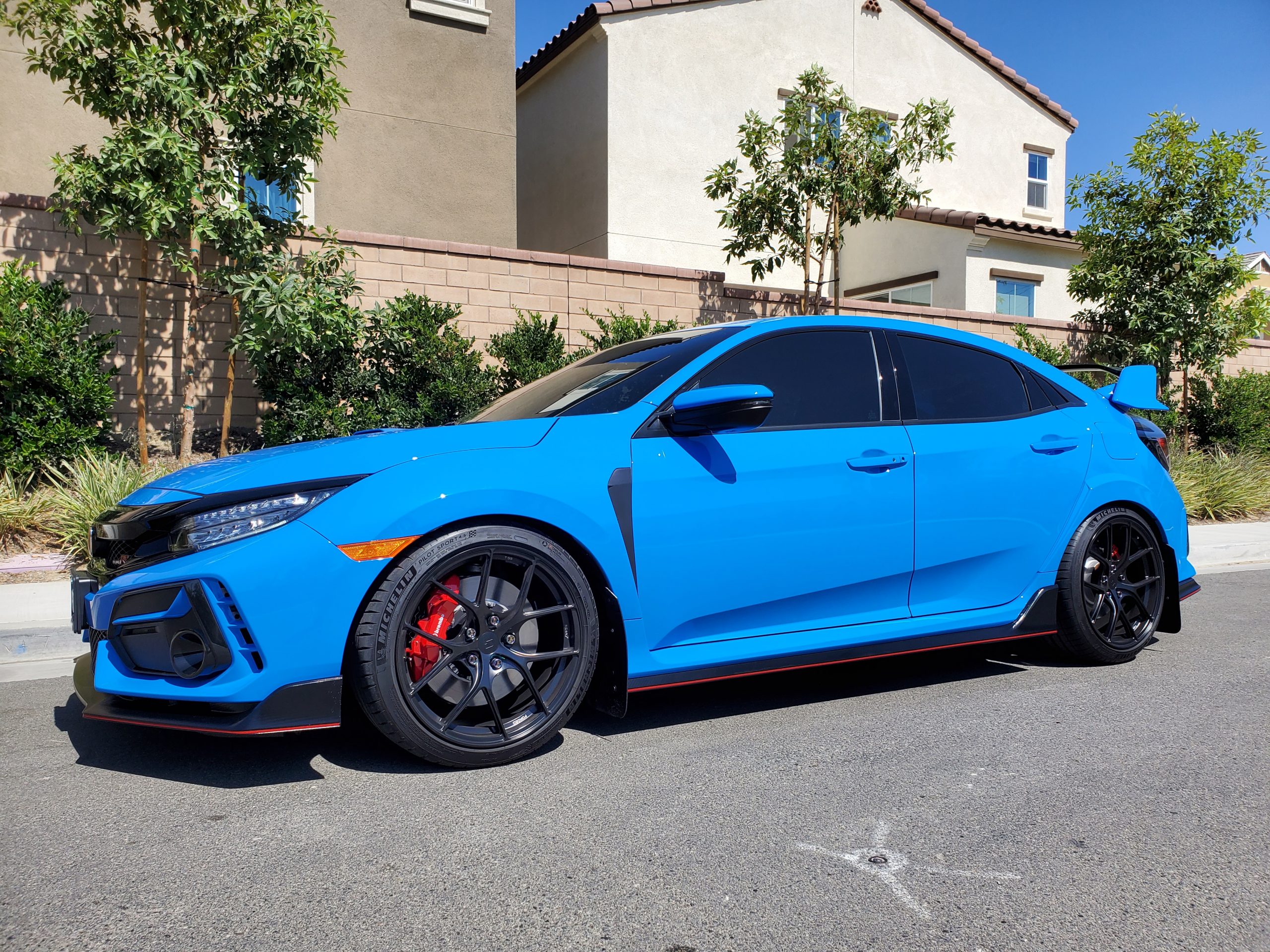
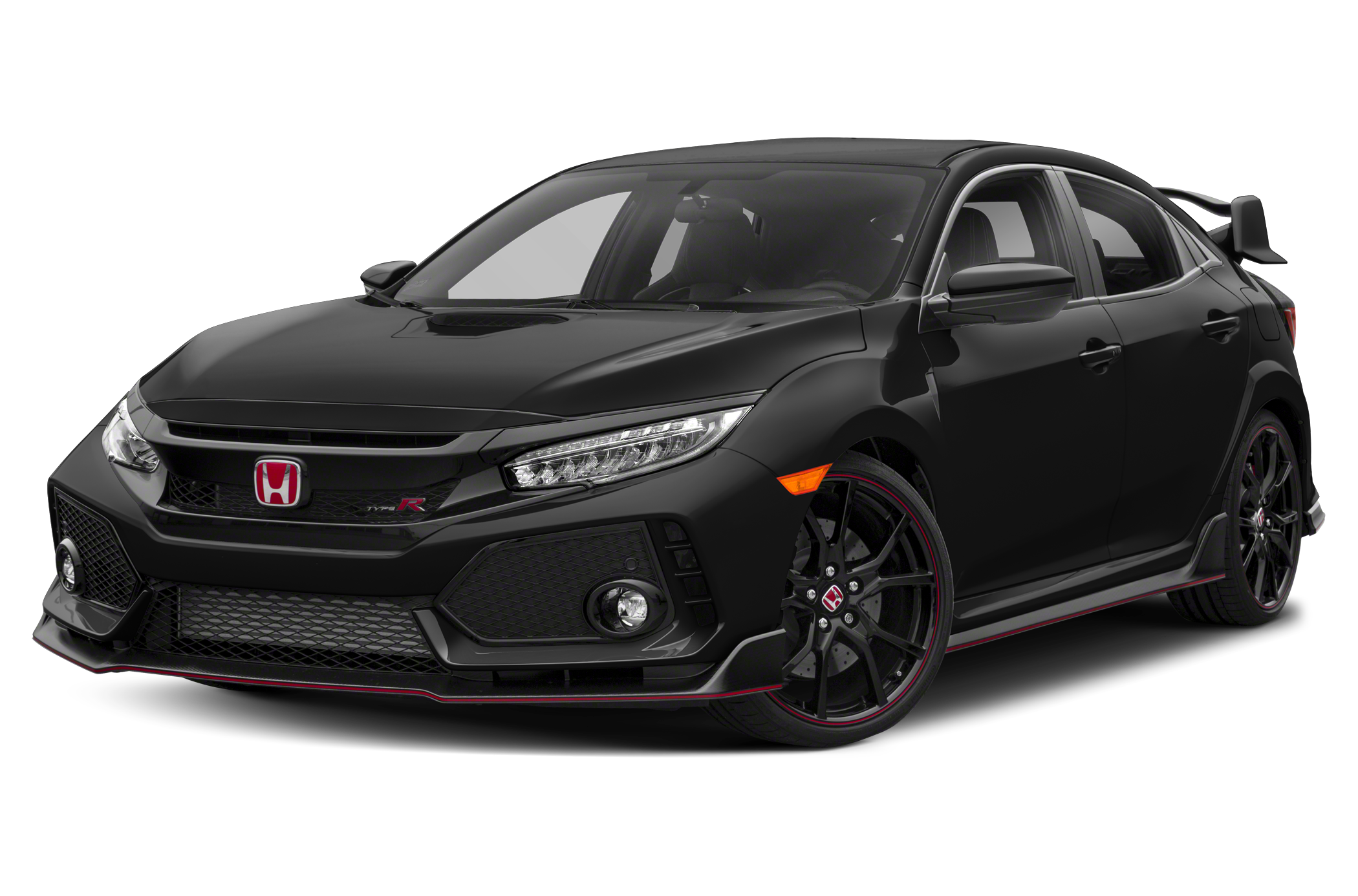
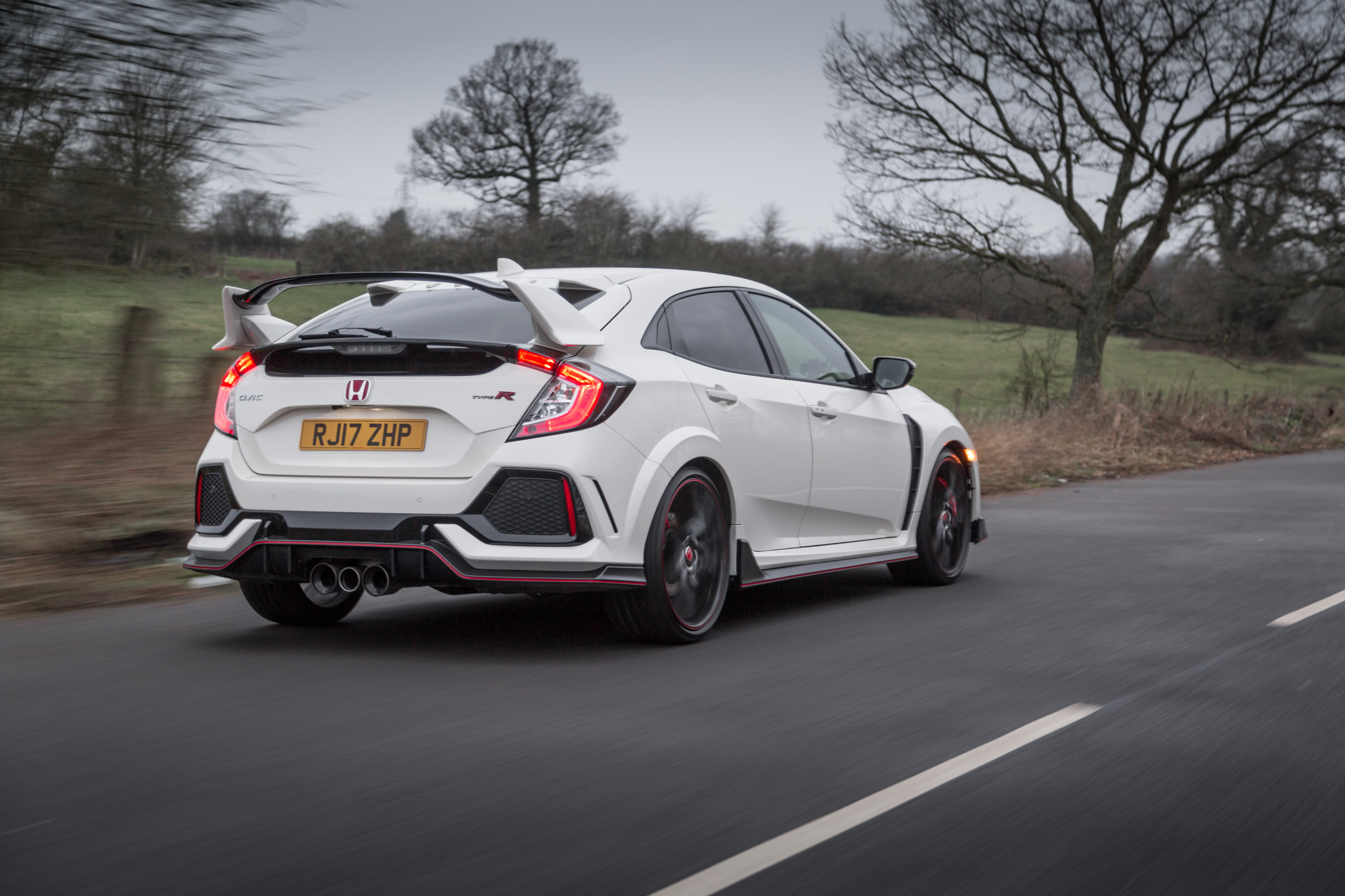
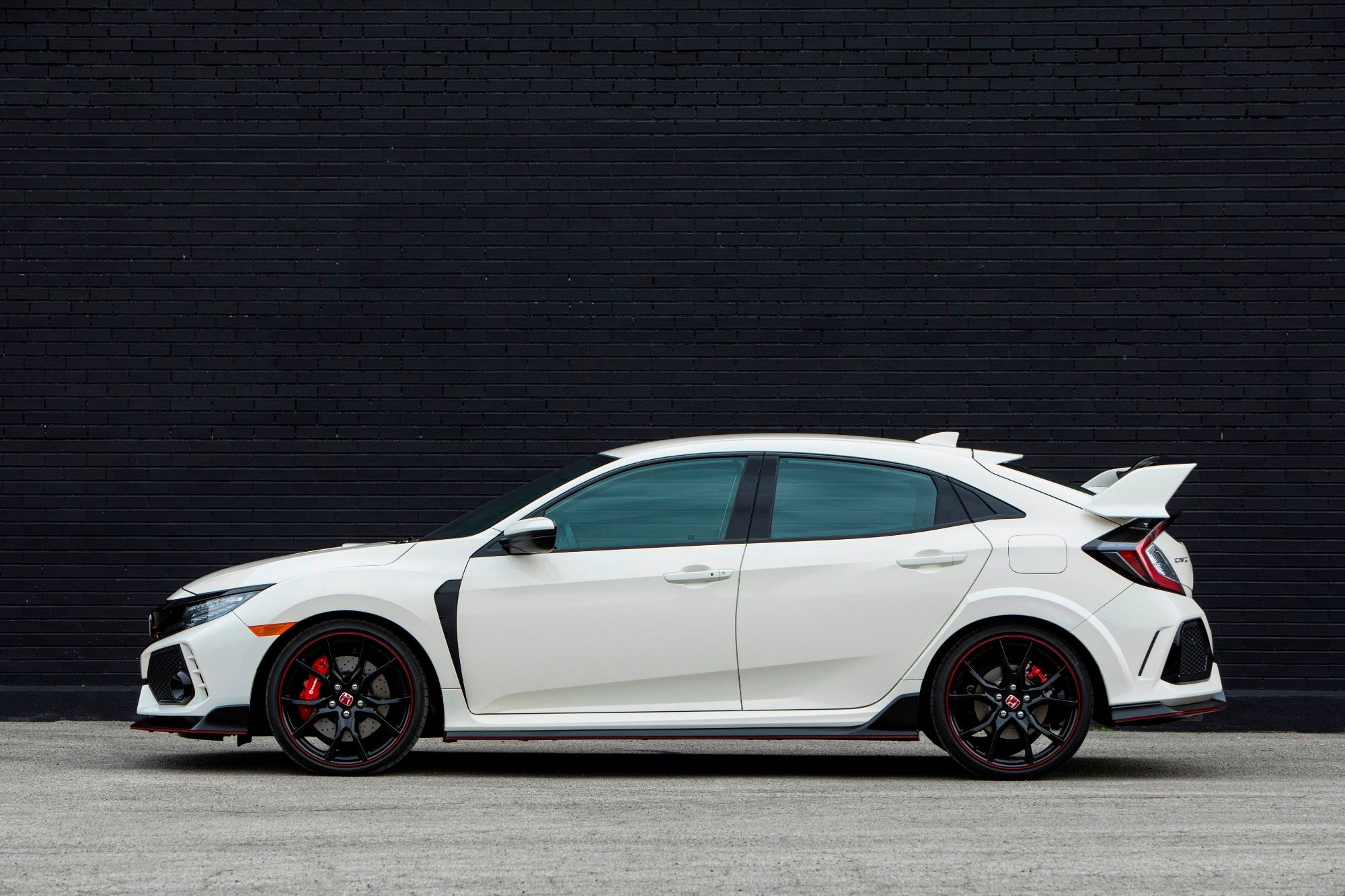
The 2018 Honda Civic Type R (FK8) is officially rated at 306 horsepower (hp) at 6,500 rpm and 295 lb-ft of torque between 2,500 and 4,500 rpm. This performance is generated by a turbocharged 2.0-liter K20C1 inline-four engine, which remains a landmark powerplant for Honda’s high-performance front-wheel-drive lineup, balancing forced induction efficiency with a track-focused manual transmission platform.
The Engineering Behind the 306 Horsepower Output
The 2018 Honda Civic Type R utilizes a sophisticated 2.0-liter DOHC i-VTEC turbocharged engine. Achieving 306 horsepower in a production four-cylinder engine from 2018 required a synergy of cooling, air management, and internal structural integrity. Unlike naturally aspirated engines of the past, the K20C1 relies heavily on its mono-scroll turbocharger system and a specialized wastegate design to maintain boost pressure effectively across the power band.
The engine features Honda’s VTEC (Variable Valve Timing and Lift Electronic Control) system, which, in this iteration, works in tandem with Variable Timing Control (VTC) on both the intake and exhaust camshafts. This allows the engine to optimize airflow through the cylinder head, reducing the "turbo lag" commonly associated with high-output factory engines. The 295 lb-ft of torque—available from as low as 2,500 rpm—is what gives the 2018 model its responsive feel in daily driving scenarios, while the 306 hp peak ensures high-speed acceleration on straightaways.
Technical Specifications and Powertrain Dynamics
Understanding the horsepower of the 2018 Type R requires looking beyond the peak number. The power delivery is specifically tuned for a front-wheel-drive (FWD) architecture, which creates unique challenges regarding traction and torque steer.
To manage this 306 hp, Honda implemented a dual-axis strut front suspension. This design separates the steering axis from the suspension travel, significantly reducing torque steer—the phenomenon where the engine’s power forces the steering wheel to pull to one side during hard acceleration. By neutralizing this, the driver can utilize the full horsepower without struggling to keep the car tracked in a straight line.
The transmission is a six-speed manual gearbox with an integrated rev-matching system. This system automatically adjusts engine speed when the driver initiates a downshift, ensuring smoother transitions and preventing driveline shock. For those looking to verify the performance, the 2018 Type R serves as a benchmark for how electronic driver aids can assist a driver in harnessing high horsepower in a FWD chassis.
Real-World Performance vs. Official Ratings
While 306 horsepower is the official figure cited by Honda for the North American market in 2018, owners and independent tuners have frequently observed varying results on dynamometers. It is common in the automotive industry for "wheel horsepower" (whp) to differ from "crank horsepower" due to drivetrain loss—the energy consumed by the transmission, driveshaft, and wheels before the power hits the pavement.
For the 2018 Civic Type R, drivetrain loss is typically measured around 10% to 15%. Consequently, a stock 2018 model typically registers between 260 and 275 whp on a chassis dyno. These variances are normal and are influenced by several factors:
- Fuel Quality: Using premium, high-octane fuel (91+ octane) is critical for the engine’s ECU (Engine Control Unit) to avoid pulling ignition timing, which directly impacts power output.
- Ambient Temperature: Turbocharged engines are highly sensitive to intake air temperatures (IATs). As the air density drops in hot weather, the ECU may reduce boost to protect the engine, resulting in lower power.
- Break-in Period: A high-mileage engine may show slightly different results compared to a vehicle that has just completed its initial break-in period.
Factors Influencing Power Delivery and Maintenance
Maintaining the full 306 horsepower output over the lifespan of a 2018 model requires diligent maintenance. Because this engine is pushed to high specific outputs, the health of the cooling system and the quality of the lubricants are paramount.
- Air Filtration: A clogged intake filter can restrict the volume of air reaching the turbocharger, forcing the engine to work harder to build boost.
- Oil Quality: The K20C1 engine utilizes a synthetic low-viscosity oil to reduce friction. Using the manufacturer-recommended weight and high-quality synthetic oil is essential to protect the turbo bearings and valvetrain components.
- Cooling Efficiency: High horsepower generates significant heat. In 2018, the Type R was noted for its massive front grille and hood scoop, designed specifically to feed the intercooler and radiator. Keeping these heat exchangers free of debris is vital to ensuring the engine doesn't enter a "limp mode" or reduce power to manage thermal loads.
Comparative Table: Performance Metrics
The following table provides context for the 2018 Type R against similar performance-oriented hatchbacks from the same era.
| Vehicle | Engine | Horsepower | Torque (lb-ft) | Layout |
|---|---|---|---|---|
| 2018 Honda Civic Type R | 2.0L Turbo I4 | 306 | 295 | FWD |
| 2018 VW Golf R | 2.0L Turbo I4 | 292 | 280 | AWD |
| 2018 Ford Focus RS | 2.3L Turbo I4 | 350 | 350 | AWD |
| 2018 Subaru WRX STI | 2.5L Turbo Flat-4 | 305 | 290 | AWD |
As shown in the table, while the Ford Focus RS claims higher peak horsepower, the 2018 Civic Type R’s focus on weight reduction and chassis balance allowed it to remain competitive in lap times and overall driving engagement despite being FWD.
Common Misconceptions and Troubleshooting
One frequent question among enthusiasts is whether the 2018 Type R can easily "push" more horsepower. While the K20C1 platform is robust, users should be aware of the "limitations" of factory hardware.
- Boost Creep: Some aftermarket modifications that improve exhaust flow can lead to boost creep, where the turbo generates more pressure than the stock fuel system can safely support. Always pair hardware changes with an ECU tune.
- Clutch Capacity: The factory clutch is designed for the 295 lb-ft torque output. Significant increases in torque beyond factory specifications will likely cause premature clutch slippage, requiring an aftermarket upgrade.
- Knock Control: If you experience a sudden loss of power, the car may have detected "knock" (pre-ignition). This is a safety feature. Check for carbon buildup on valves or ensure you are not using low-quality fuel.
Frequently Asked Questions
1. Is the 306 horsepower figure for the 2018 Type R measured at the crank or the wheels? The 306 horsepower rating is measured at the engine crankshaft. This is the industry standard for manufacturer advertising. Drivetrain loss accounts for the difference between this figure and what reaches the tires.
2. Does the 2018 Type R require premium fuel? Yes. Honda requires the use of 91 octane or higher. Using lower-octane fuel will cause the engine’s ECU to retard ignition timing to prevent engine damage, resulting in a noticeable decrease in horsepower and engine responsiveness.
3. Why does the 2018 Type R have less horsepower than some of its AWD competitors? Honda focused on maintaining a lower curb weight and superior chassis dynamics rather than chasing the highest horsepower number. By keeping the weight down, the 306 horsepower output provides a high power-to-weight ratio, which is often more significant for performance than raw peak power.
4. Can I safely increase the 306 hp without damaging the engine? Yes, the K20C1 engine is well-regarded for its tuning potential. Many owners safely reach 350–380 hp with a simple "Stage 1" or "Stage 2" ECU reflash and an upgraded intercooler. However, beyond this level, internal engine modifications and transmission upgrades become necessary for reliability.
5. How do I check if my 2018 Type R is producing full power? The most accurate method is to perform a chassis dynamometer test at a reputable performance shop. If you suspect your car is down on power, use an OBD-II diagnostic tool to check for active "knock control" events or boost pressure readings while driving.
Next Steps for Owners
If you are currently driving a 2018 Honda Civic Type R and wish to maintain its peak performance, your primary action should be a comprehensive health check of the induction system. Ensure your air filter is clean and that your intercooler fins are not obstructed by road debris. If the car feels sluggish, check the intake piping for any loose clamps, as even a small boost leak can significantly degrade the intended performance of the turbocharger system. For those interested in performance upgrades, prioritize cooling modifications—such as a higher-capacity intercooler—before increasing the engine's power output to ensure the engine can sustain higher boost levels without heat soak.