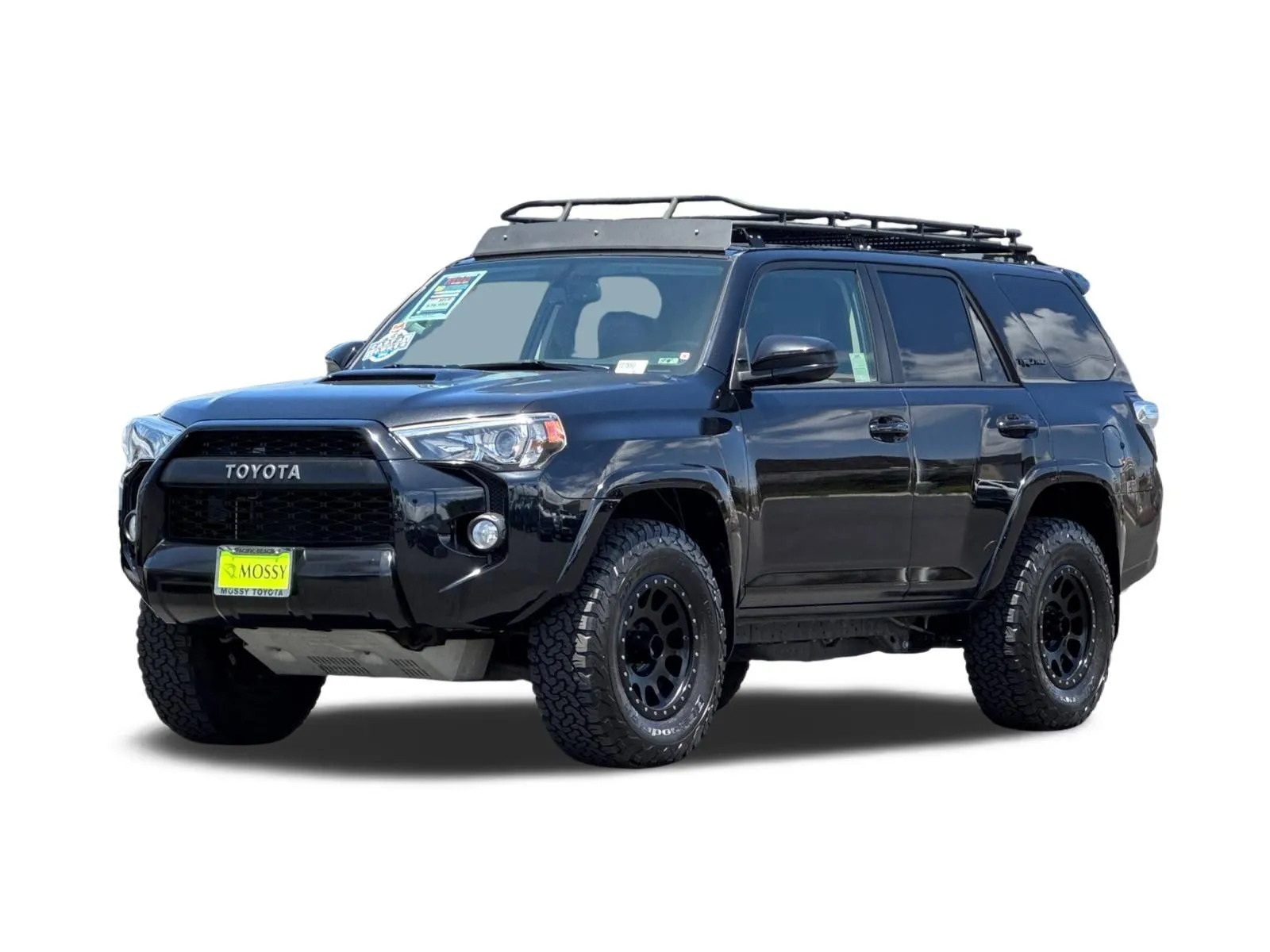
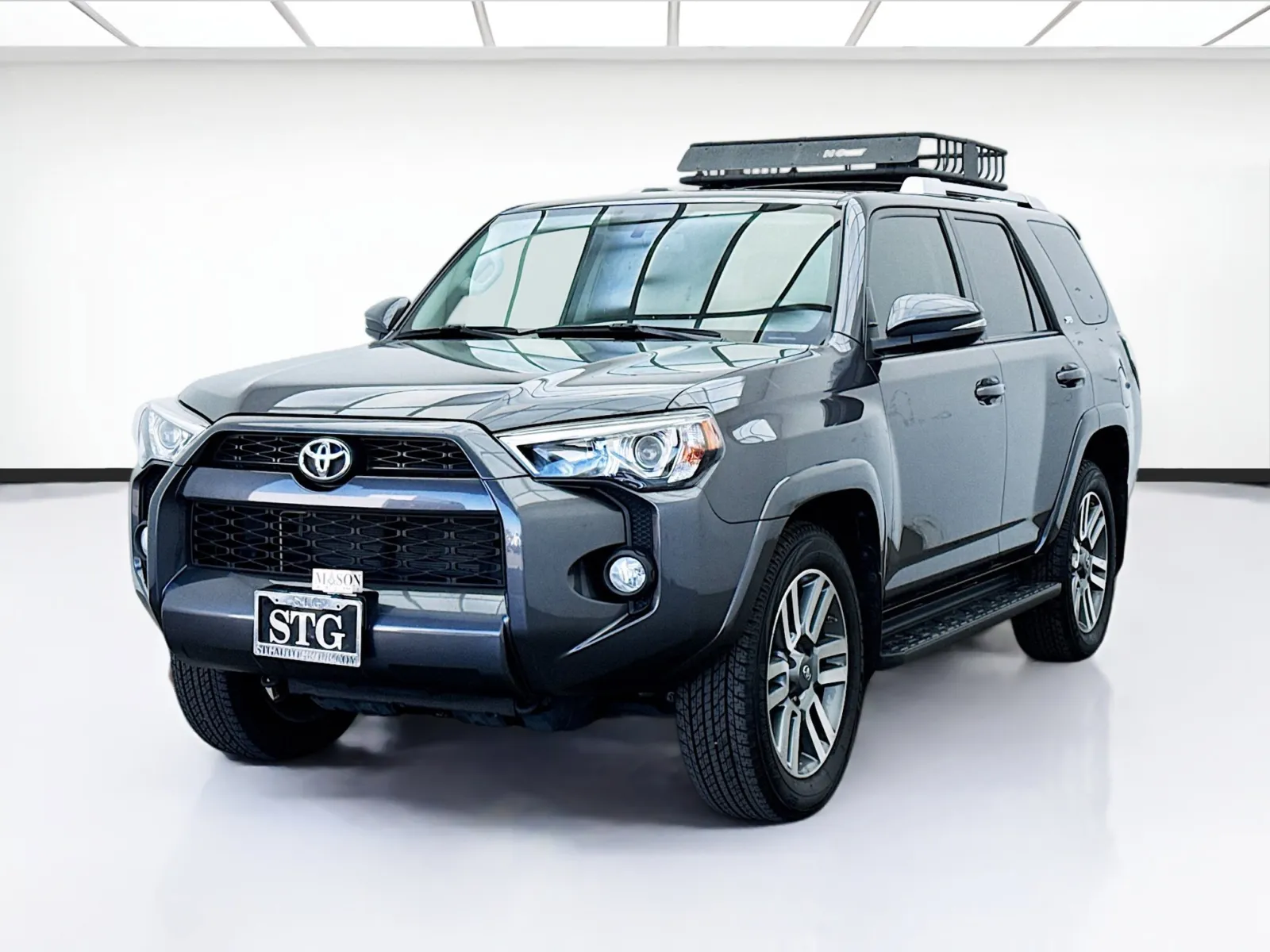
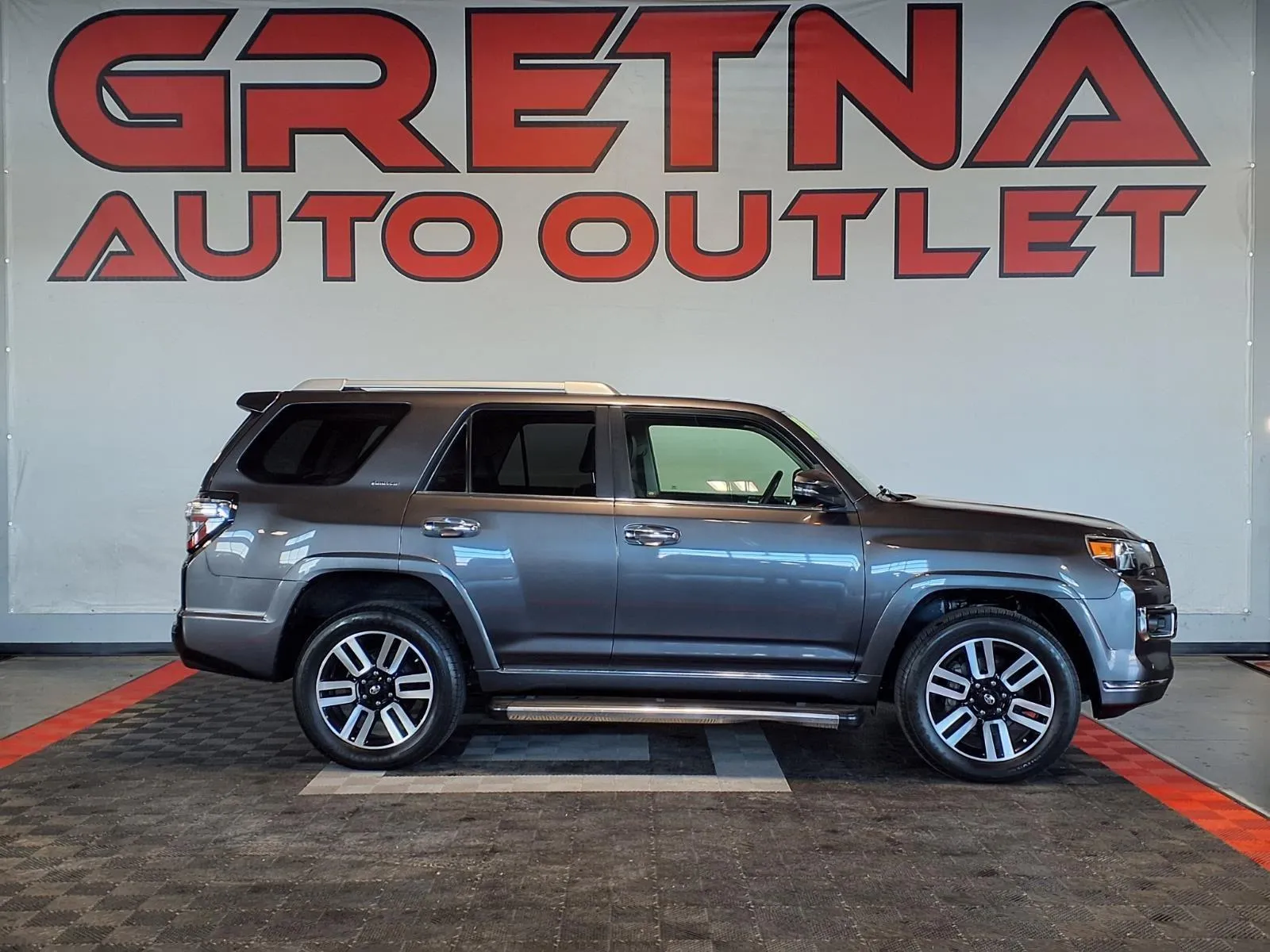
The 2018 Toyota 4Runner is powered by a 4.0-liter V6 engine that produces 270 horsepower at 5,600 RPM and 278 lb-ft of torque at 4,400 RPM, paired exclusively with a 5-speed automatic transmission. This powertrain setup remains consistent across all available trim levels for the 2018 model year, providing reliable power delivery optimized for traditional body-on-frame truck capabilities and off-road articulation.
When evaluating midsize SUVs, prospective buyers and automotive enthusiasts frequently look past modern trends of turbocharged four-cylinder or hybrid replacements to examine traditional, naturally aspirated powerplants. The 2018 Toyota 4Runner represents an era of engineering where mechanical simplicity and durability took precedence over maximum fuel economy. Understanding the exact power figures, how that power is delivered, and how the vehicle performs in daily driving and demanding off-road conditions requires a detailed look into its engineering architecture.
The 4.0-Liter V6 Engine Architecture
At the heart of the 2018 Toyota 4Runner is the 1GR-FE engine, a 4.0-liter (3,956 cc) naturally aspirated 24-valve DOHC V6 featuring Toyota’s Dual VVT-i (Variable Valve Timing with intelligence) system. This engine is designed specifically to withstand severe thermal loads, heavy towing, and punishing off-road environments.
Unlike modern forced-induction engines that spool up low-end torque quickly via turbochargers, the 1GR-FE relies on displacement and a linear power band. The 270 horsepower is achieved higher in the rev range at 5,600 RPM, while the peak torque of 278 lb-ft arrives at 4,400 RPM. This characteristic means drivers must press deeper into the accelerator pedal to tap into maximum power during highway passing maneuvers or steep inclines, reflecting the rugged, truck-based nature of the vehicle.
| Specification | 2018 Toyota 4Runner V6 Data |
|---|---|
| Engine Type | 4.0L V6 (1GR-FE), Naturally Aspirated |
| Horsepower | 270 hp @ 5,600 RPM |
| Torque | 278 lb-ft @ 4,400 RPM |
| Transmission | 5-Speed Electronically Controlled Automatic |
| Valve Train | 24-Valve DOHC with Dual VVT-i |
| Compression Ratio | 10.4:1 |
| Fuel Requirement | Regular Unleaded (87 Octane) |
Trim Level Powertrain Consistency
One unique aspect of the 2018 Toyota 4Runner lineup is the absence of engine choices. Whether a buyer selects the base SR5, the urban-styled Limited, or the hardcore off-road TRD Off-Road and TRD Pro variants, the horsepower and torque figures do not change.
Toyota equipped every 2018 4Runner trim with the identical 4.0L V6 engine and 5-speed automatic transmission. Differentiation between trims comes down to suspension geometry, drivetrain configurations, and electronic terrain management systems rather than raw engine output:
- SR5 and Limited: Available in Rear-Wheel Drive (RWD) or part-time/full-time Four-Wheel Drive (4WD). The Limited trim features a full-time 4WD system with a Torsen limited-slip center differential containing a locking feature.
- TRD Off-Road and TRD Pro: Equipped with part-time 4WD systems featuring a two-speed transfer case. These models add advanced electronic off-road aids such as Multi-Terrain Select, Crawl Control, and an electronic locking rear differential.
Transmission Pairing and Drivetrain Dynamics
The 2018 4Runner utilizes a 5-speed automatic transmission (Super ECT). While contemporary vehicles in 2018 were transitioning to 6-speed, 8-speed, or even 10-speed gearboxes to maximize fuel efficiency on the highway, the 4Runner retained its robust 5-speed unit.
The rationale behind this choice centers on mechanical longevity and heat management during heavy towing or low-range crawling. The transmission features sequential shift mode, allowing the driver to manually select gears when descending steep grades or navigating technical trails. However, the wider gear gaps compared to modern multi-speed transmissions mean that highway cruising often requires downshifts on long inclines to maintain speed, keeping engine RPM higher than what drivers of modern crossovers might expect.
Performance in Real-World Conditions
Raw horsepower figures tell only part of the story. In real-world operation, the 2018 Toyota 4Runner's performance characteristics are defined by its body-on-frame platform, curb weight (ranging from roughly 4,400 to 4,800 pounds depending on the trim), and aerodynamic profile.
Acceleration and Highway Driving
Testing of the 2018 model indicates a 0 to 60 mph acceleration time of approximately 7.5 to 7.8 seconds. This is competitive for a midsize body-on-frame SUV, though initial throttle response is tuned to feel eager at lower speeds. Highway passing requires forward planning, as peak horsepower is located higher in the rev band, prompting the 5-speed transmission to kick down a gear or two when pulling out to pass at higher velocities.
Towing Capacity
The 2018 4Runner is rated to tow a maximum of 5,000 pounds, supported by a standard integrated towing receiver hitch and wiring harness with 4- and 7-pin connectors. While the 270 horsepower is sufficient for towing small campers, utility trailers, or boats, the lack of modern torque-vectoring or high-output low-end turbo boost means that pulling near the maximum limit strains the engine on sustained upgrades, accompanied by noticeable fuel consumption increases.
Fuel Economy Considerations
Fuel efficiency is the primary trade-off for the durability of the 1GR-FE engine and the 5-speed transmission. The EPA estimated fuel economy for the 2018 4Runner sits at 17 mpg city, 20 mpg highway, and 18 mpg combined for both RWD and 4WD configurations. In practical daily driving, maintaining heavy throttle inputs or outfitting the vehicle with heavy all-terrain tires, roof racks, and steel armor will push real-world figures closer to the mid-teens.
Frequently Asked Questions
Does the 2018 Toyota 4Runner TRD Pro have more horsepower than the SR5?
No. All 2018 Toyota 4Runner trim levels feature the exact same 4.0-liter V6 engine producing 270 horsepower and 278 lb-ft of torque. The TRD Pro achieves its enhanced off-road performance through upgraded Fox internal bypass shocks, TRD-tuned front springs, unique exterior styling, and specialized wheels, rather than engine tuning.
What kind of fuel does the 2018 4Runner require?
The 2018 Toyota 4Runner engine is designed to run efficiently on regular unleaded gasoline with an octane rating of 87 or higher. Premium fuel is not required, making long-term fuel costs more predictable for owners who use the vehicle for overlanding or long-distance road trips.
Is the 5-speed transmission reliable?
Yes. The 5-speed automatic transmission (A750F) paired with the 4.0L V6 is widely regarded by automotive technicians and long-term owners as exceptionally durable. Its relatively simple mechanical design lacks the complexity of early high-speed gearboxes, contributing significantly to the 4Runner's reputation for mechanical longevity.
Can the 2018 4Runner run on E85 flex-fuel?
No. The 4.0-liter 1GR-FE engine found in the 2018 4Runner is designed exclusively for standard gasoline and is not certified as a flex-fuel vehicle capable of running on high-ethanol blends like E85.
Conclusion and Buying Guidance
The 2018 Toyota 4Runner’s 270 horsepower output is a balance of proven reliability and traditional truck performance. Buyers evaluating a used 2018 model should prioritize vehicle inspection, maintenance history, and specific trim capabilities over engine variants, as the powerplant remains uniform across the entire lineup. For drivers seeking modern fuel economy or rapid acceleration, alternative unibody crossovers may be more suitable. However, for those prioritizing mechanical simplicity, off-road resilience, and long-term durability, the 4.0-liter V6 delivers the exact capability expected from the nameplate.