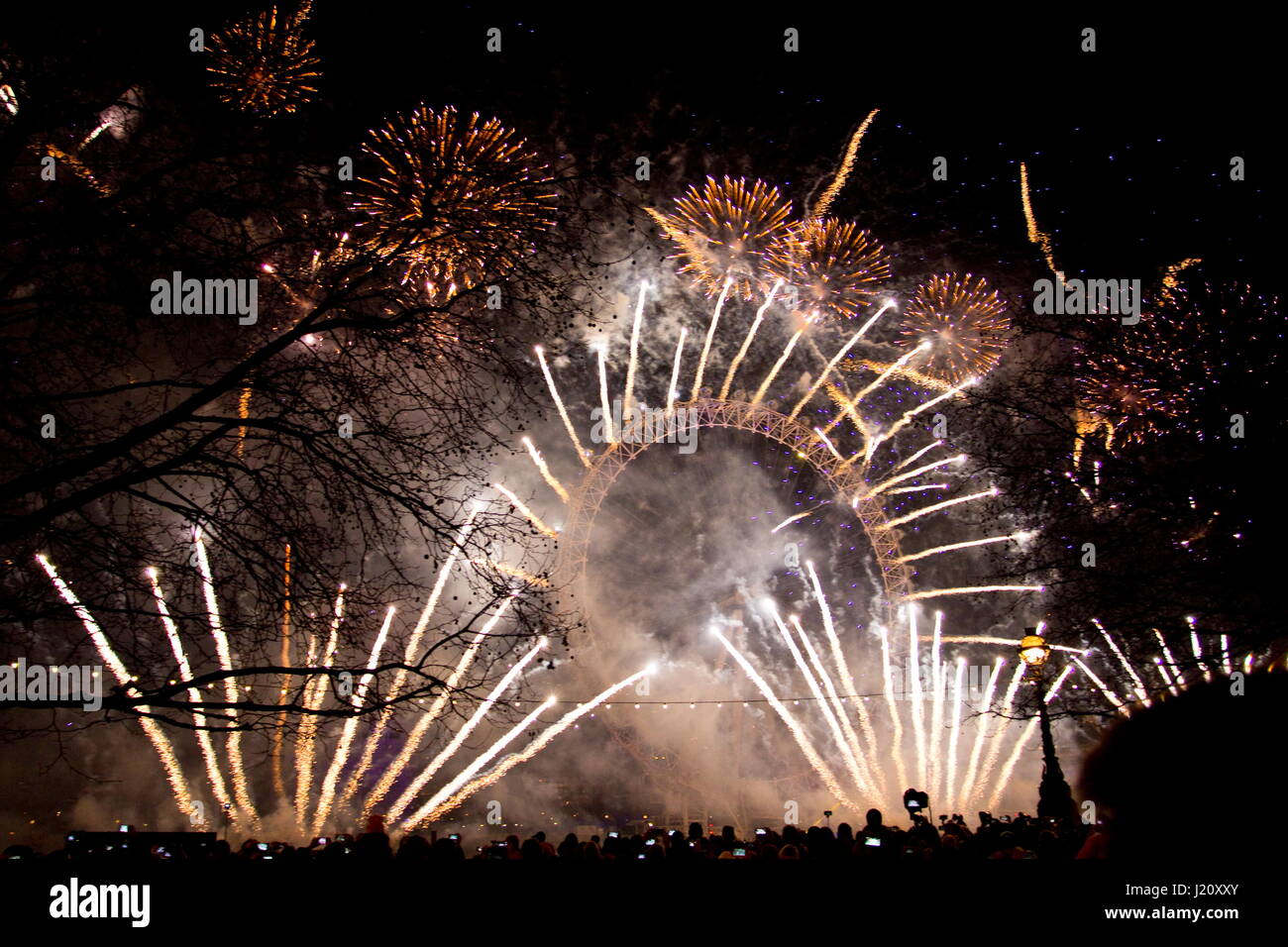
The global transition into 2014 was marked by a staggering wave of dazzling fireworks displays, ancient traditions, and massive public gatherings that cascaded across every time zone, showcasing how different cultures bid farewell to the old year and welcomed the new one.
As the clock struck midnight on January 1, 2014, billions of people across the globe participated in synchronized countdowns and regional festivities. From the Pacific island nations that were first to greet the year to the final celebrations in the remote islands of the US Pacific, the night served as a massive display of human engineering, cultural heritage, and shared optimism. Understanding how these celebrations unfolded offers a fascinating look at global geography, tourism dynamics, and the varying ways major metropolitan areas manage mass public events.
The Global Chronology of the Midnight Hour
The global New Year celebration moves steadily from east to west across 24 primary time zones, beginning in the remote Pacific nations and ending nearly 26 hours later. This natural progression dictates how international media outlets broadcast the cascade of fireworks, creating a rolling wave of celebration that dominates global news cycles for over a day.
The First Welcomes: Oceania and the Pacific
The tiny Pacific island nations of Kiribati (specifically the Line Islands) and Samoa are historically the first territories on Earth to welcome the New Year. Just an hour later, New Zealand’s major cities—Auckland and Wellington—ushered in 2014 with high-altitude pyrotechnics launched from landmarks like the Sky Tower, drawing massive crowds of summer revelers into the Southern Hemisphere night.
Shortly thereafter, Australia took center stage with its iconic Sydney Harbour celebration. The 2014 Sydney display featured over 7 tons of pyrotechnics fired from the Sydney Opera House, the Harbour Bridge, and surrounding barges. The event attracted an estimated 1.5 million spectators to the foreshore, generating significant economic activity and establishing a high visual benchmark for the rest of the world's broadcasts.
Asia and the Indian Subcontinent
Moving westward, Asian financial hubs mounted massive, technologically advanced productions. In Japan, millions observed Hatsumode, the first shrine visit of the year, while major urban centers like Tokyo engaged in quiet reflection followed by modern countdown events.
In China, while the official Gregorian New Year (known locally as the Western New Year) is distinct from the Lunar New Year, major cities such as Beijing and Shanghai hosted modern light shows. Shanghai focused its 2014 countdown on the Bund and the Lujiazui skyline, utilizing 3D projection mapping on historic architecture—a growing technological trend in global New Year events that year. Further west, Singapore’s Marina Bay hosted a floating platform fireworks display, and cities across India saw massive street celebrations despite winter nighttime temperatures.
European Milestones and Midnight Traditions
Europe's 2014 celebrations blended deep-rooted historical customs with modern, large-scale public spectacles. Cities across the continent adopted varying approaches to security, crowd control, and entertainment to manage millions of citizens and international tourists.
Western and Central Europe
- London, United Kingdom: The 2014 London celebration introduced a controversial ticketed system for its famous fireworks display along the River Thames to curb overcrowding. For the first time, spectators paid a nominal fee to secure prime viewing areas around the London Eye. The display also made headlines for incorporating multi-sensory elements, including edible fruit-flavored snow and peach-scented bubbles dropped over the crowds.
- Paris, France: Unlike London or Sydney, Paris traditionally avoids massive centralized fireworks at the Eiffel Tower on New Year’s Eve to prevent unmanageable crowd surges. Instead, the 2014 celebration saw crowds gather densely along the Champs-Élysées, gazing toward an illuminated Eiffel Tower while popping champagne corks at midnight.
- Berlin, Germany: The Silvester celebration at the Brandenburg Gate drew hundreds of thousands of people for one of Europe's largest open-air parties. A massive two-mile party mile (Meile) featured stages, food stalls, and music, culminating in a sprawling midnight fireworks display over the historic gate.
Eastern Europe and Nordic Countries
In Moscow, Russia, crowds converged on Red Square to watch fireworks light up the Kremlin and St. Basil’s Cathedral, synchronized with the chimes of the Spasskaya Tower. In Nordic capitals like Helsinki and Stockholm, celebrations relied heavily on municipal fireworks shows, harbor cruises, and private gatherings, balancing the freezing winter climate with outdoor community spirit.
The Americas: Iconic Countdown Hubs
As the wave of celebrations crossed the Atlantic, the focus shifted to the Americas, where historic traditions in public squares and coastal beaches drew massive international audiences.
| City / Region | Primary Venue | Distinctive Feature of 2014 Celebration |
|---|---|---|
| New York City, USA | Times Square | Over 1 million revelers; "Water" theme |
| Rio de Janeiro | Copacabana Beach | 2.3 million attendees; 16-minute fireworks |
| Sydney, Australia | Sydney Harbour | 7 tons of pyrotechnics from bridges/barges |
| London, UK | River Thames (London Eye) | Introduction of ticketed public viewing |
North America
New York City's Times Square remained the epicenter of North American celebrations for the arrival of 2014. An estimated one million people packed into the cordoned-off plazas to watch the descent of the Waterford Crystal ball. The 2014 theme was "Let There Be Peace," reflecting global sentiments of the era. Security measures were exceptionally strict, involving thousands of New York City Police Department officers, bag checks, and concrete barricades.
In Latin America, Rio de Janeiro’s Copacabana Beach hosted its legendary Réveillon party. Approximately 2.3 million people, largely dressed in traditional white clothing for good luck, watched a 16-minute fireworks display launched from cruise ships anchored offshore, accompanied by massive live music concerts spanning multiple stages along the sand.
Frequently Asked Questions
Which city is officially the first to celebrate the New Year?
The island nation of Kiribati, specifically its easternmost Kiritimati (Christmas Island), is among the first places on Earth to enter the New Year due to its location just west of the International Date Line.
Why did London introduce tickets for its 2014 New Year's Eve fireworks?
London city authorities implemented a ticketed system for the 2014 Thames fireworks to improve public safety, prevent dangerous overcrowding along the riverbanks, and ensure a more comfortable experience for spectators.
How do people celebrate New Year's Eve in Rio de Janeiro?
Rio de Janeiro’s Copacabana Beach hosts one of the world's largest beach parties. Millions wear white clothing—a tradition meant to bring peace and prosperity—and participate in Afro-Brazilian religious rituals, such as throwing white flowers into the ocean as offerings to Yemanjá, the goddess of the sea.
What security measures are typically required for major global countdowns?
Major public events like those in Times Square, Berlin, and Sydney require extensive coordination between municipal police, emergency medical services, and federal agencies. Measures include street closures, bag inspections, metal detectors, and structural vehicle barriers.
Did the 2014 New Year celebrations face any major weather disruptions?
While most major cities experienced seasonal weather, local conditions varied significantly. Southern Hemisphere locations like Sydney enjoyed warm summer conditions, while Northern Hemisphere hubs like New York and Moscow managed freezing winter temperatures that required careful planning for outdoor crowds.
Practical Guidance for Experiencing Global New Year Events
For travelers and enthusiasts looking to experience iconic global New Year celebrations firsthand, careful logistical planning is paramount. Major destinations enforce strict access windows, and hotels near prime viewing corridors often book out six to twelve months in advance.
- Secure Permits and Tickets Early: As demonstrated by London's shift in 2014, many cities are moving toward regulated, ticketed viewing zones to manage crowd density. Always check municipal government websites months ahead of December.
- Understand Transit Closures: Public transportation networks in major cities frequently alter routes, close central stations (such as Times Square-42nd Street or Westminster in London) on New Year's Eve, and operate on holiday schedules. Plan walking routes and allow hours of extra travel time.
- Prepare for Extreme Weather: Whether facing the summer heat of Sydney or the freezing winter chill of New York and Berlin, appropriate attire and hydration are essential for prolonged outdoor waits in congested areas.