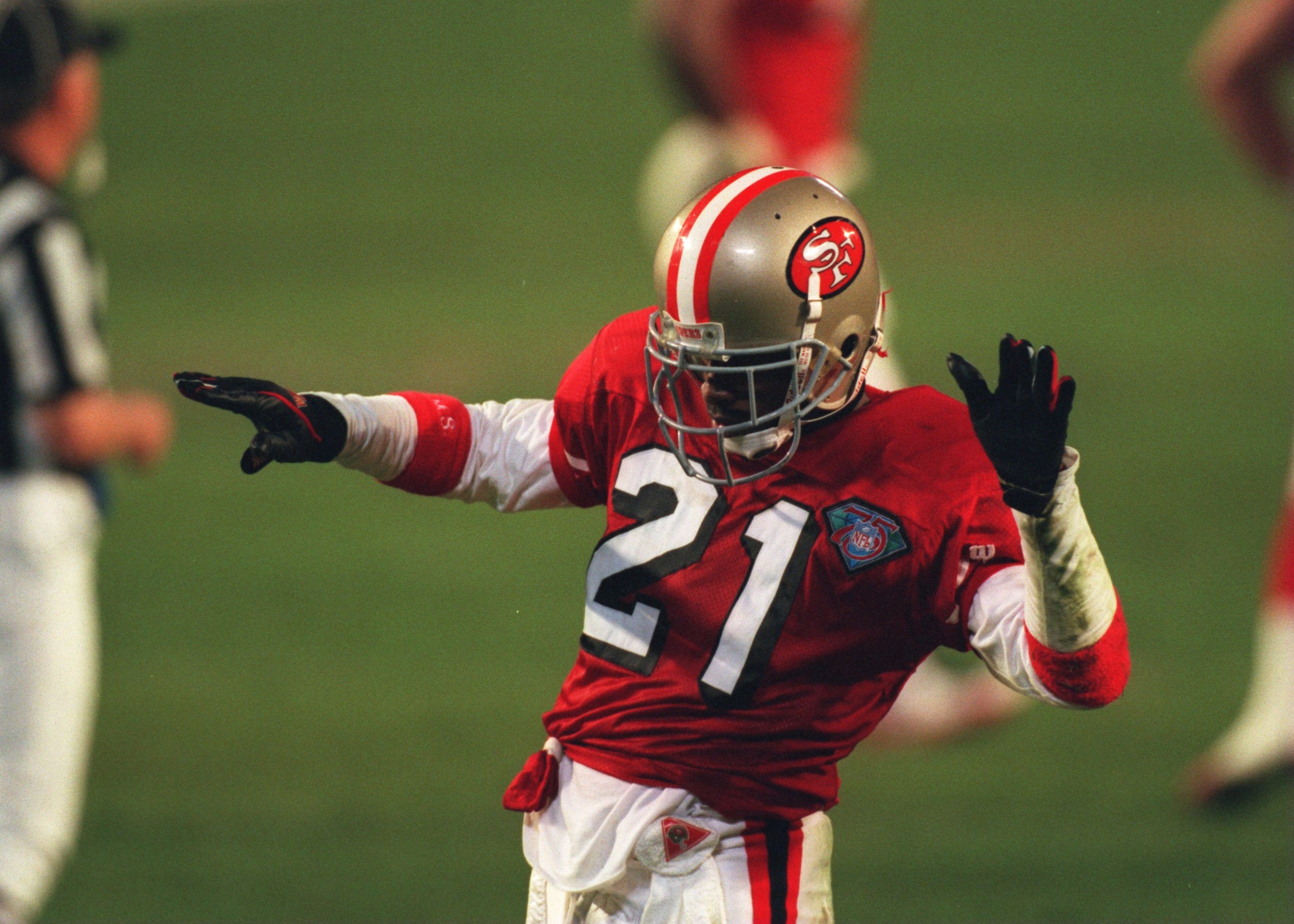
The 2013 Florida State Seminoles football season was a historic campaign where the team finished with a perfect 14-0 record, captured the ACC Championship, and won the final BCS National Championship. Led by Heisman Trophy winner Jameis Winston, the Seminoles set an FBS record for points in a season (723) and cemented their legacy as one of the most dominant teams in college football history.
The Foundation of a Championship Juggernaut
To understand the 2013 FSU football timeline, one must first look at the state of the program entering the year. Head Coach Jimbo Fisher was in his fourth season, having successfully transitioned the program from the legendary Bobby Bowden era. The Seminoles were coming off a 12-2 season in 2012 and an Orange Bowl victory over Northern Illinois. However, the 2013 squad faced significant questions, primarily at the quarterback position following the departure of EJ Manuel to the NFL.
The spring and summer of 2013 were defined by a high-stakes quarterback competition between redshirt freshman Jameis Winston and redshirt sophomore Jacob Coker. While Coker was highly regarded, Winston’s performance during the spring game—where he showcased elite arm talent and charismatic leadership—signaled a shift in the program's ceiling. By the time fall camp concluded, Fisher officially named Winston the starter, setting the stage for a season that would defy all expectations.
Beyond the quarterback, the 2013 roster was arguably the most talented in the country. The defense, under first-year defensive coordinator Jeremy Pruitt, featured future NFL stars like Lamarcus Joyner, Telvin Smith, Jalen Ramsey, and Timmy Jernigan. The offensive line was anchored by Bryan Stork and Cameron Erving, providing Winston with a pocket that rarely collapsed.
September 2013: The Arrival of "Famous Jameis"
The season began on Labor Day night in Pittsburgh, a game that served as a national introduction to Jameis Winston. The timeline of the season was immediately marked by a level of efficiency rarely seen in a freshman debut.
- September 2 vs. Pittsburgh (W, 41-13): Winston completed 25 of 27 passes for 356 yards and four touchdowns. His 92.6% completion rate was a school record for a single game. This performance immediately thrust Winston into the Heisman Trophy conversation and proved that the FSU offense would be a vertical threat unlike in years past.
- September 14 vs. Nevada (W, 62-7): After an early bye week, FSU returned to Tallahassee for their home opener. The game was a showcase for the running back trio of Devonta Freeman, James Wilder Jr., and Karlos Williams. The Seminoles' depth became apparent as they rotated players without any drop-off in production.
- September 21 vs. Bethune-Cookman (W, 54-6): A dominant performance that allowed the coaching staff to play depth players early. While the opponent was outmatched, this game was crucial for establishing the defensive rotations that would keep the unit fresh for the long season ahead.
- September 28 at Boston College (W, 48-34): This was the only significant "scare" of the regular season. BC running back Andre Williams exploited gaps in the FSU defense, and the Seminoles trailed in the second quarter. However, a "Hail Mary" touchdown from Winston to Kenny Shaw at the end of the first half swung the momentum, allowing FSU to pull away in the fourth quarter.
October 2013: Statement Wins and Top-Five Showdowns
If September was about potential, October was about proof. The middle of the 2013 FSU football timeline saw the Seminoles transform from a "good team" into a "national title favorite."
- October 5 vs. Maryland (W, 63-0): The Seminoles completely dismantled a previously unbeaten Maryland team. The defense held the Terrapins to just 173 total yards. This game signaled that the defense had finally adjusted to Jeremy Pruitt’s complex schemes.
- October 19 at No. 3 Clemson (W, 51-14): This was the most anticipated game of the ACC season. Billed as a clash of titans in "Death Valley," FSU silenced the record crowd on the very first play when Lamarcus Joyner forced a fumble. Winston outplayed Clemson’s Tajh Boyd, throwing for over 400 yards. This 37-point victory on the road against a top-five opponent was the moment the national media began treating FSU as the primary challenger to Alabama’s dynasty.
- October 26 vs. NC State (W, 49-17): Avoiding the "trap game" following the Clemson emotional high, FSU jumped out to a 35-0 lead in the first quarter. The relentless nature of the offense became their calling card; they did not just win games; they ended them by the fifteen-minute mark.
November 2013: Demolishing Rivals and Rivalry Records
November is typically where seasons are won or lost in college football. For the 2013 Seminoles, it was a month of historic blowouts.
- November 2 vs. No. 7 Miami (W, 41-14): The rivalry game brought College GameDay to Tallahassee. Despite a competitive first half, FSU’s conditioning and depth overwhelmed the Hurricanes. This win essentially clinched the ACC Atlantic Division and solidified Winston as the Heisman frontrunner.
- November 9 at Wake Forest (W, 59-3): The defense accounted for multiple scores in a game that was essentially a practice session for the starters.
- November 16 vs. Syracuse (W, 59-3): Similar to the Wake Forest game, FSU dominated from the opening kickoff. By this point, the starters were rarely playing into the fourth quarter, which kept the team exceptionally healthy for the postseason.
- November 23 vs. Idaho (W, 80-14): Florida State set a school record for points in a single game. Kelvin Benjamin and Rashad Greene proved to be an unguardable duo at wide receiver.
- November 30 at Florida (W, 37-7): The annual rivalry game was played in Gainesville against a struggling Gators team. Winston threw three touchdowns to Kelvin Benjamin, and the defense held Florida to minimal yardage. The win completed a perfect regular season for the Seminoles.
December 2013: The ACC Championship and Awards Season
The final hurdle before the national championship was the ACC Title game in Charlotte.
- December 7 vs. No. 20 Duke (W, 45-7): Duke had put together a surprising and successful season, but they were no match for the FSU juggernaut. Winston accounted for nearly 400 yards of offense. With the win, FSU secured its spot in the BCS National Championship Game at the Rose Bowl.
The week following the ACC Championship was a parade of hardware for the program. Jameis Winston traveled to New York and became the youngest player ever (at the time) to win the Heisman Trophy. Additionally, Bryan Stork won the Rimington Trophy (Best Center), and several players earned All-American honors.
January 2014: The Final BCS National Championship
The timeline culminates on January 6, 2014, in Pasadena, California. Florida State faced the Auburn Tigers, who had reached the game through a series of "miracle" wins (including the Kick Six against Alabama).
The game was a departure from FSU’s season-long dominance. For the first time all year, the Seminoles trailed significantly, down 21-3 in the second quarter. Auburn’s rushing attack and defensive line pressure rattled Winston and the offense. However, a fake punt executed by Karlos Williams in the second quarter sparked a comeback.
The fourth quarter of this game remains one of the most thrilling in college football history. After Kermit Whitfield returned a kickoff 100 yards for a touchdown to give FSU a late lead, Auburn responded with a Tre Mason touchdown to go up 31-27 with 1:19 remaining.
In the final drive of the BCS era, Winston led the Seminoles 80 yards down the field. With 13 seconds left, he threw a high-arching pass to 6'5" wide receiver Kelvin Benjamin in the end zone. The catch gave FSU a 34-31 victory, their third national title, and ended the SEC’s seven-year streak of national championships.
2013 FSU Football Season Schedule and Results
| Date | Opponent | Location | Result | Score |
|---|---|---|---|---|
| Sept 2 | at Pittsburgh | Pittsburgh, PA | W | 41-13 |
| Sept 14 | Nevada | Tallahassee, FL | W | 62-7 |
| Sept 21 | Bethune-Cookman | Tallahassee, FL | W | 54-6 |
| Sept 28 | at Boston College | Chestnut Hill, MA | W | 48-34 |
| Oct 5 | Maryland | Tallahassee, FL | W | 63-0 |
| Oct 19 | at No. 3 Clemson | Clemson, SC | W | 51-14 |
| Oct 26 | NC State | Tallahassee, FL | W | 49-17 |
| Nov 2 | No. 7 Miami | Tallahassee, FL | W | 41-14 |
| Nov 9 | at Wake Forest | Winston-Salem, NC | W | 59-3 |
| Nov 16 | Syracuse | Tallahassee, FL | W | 59-3 |
| Nov 23 | Idaho | Tallahassee, FL | W | 80-14 |
| Nov 30 | at Florida | Gainesville, FL | W | 37-7 |
| Dec 7 | vs. No. 20 Duke (ACC Title) | Charlotte, NC | W | 45-7 |
| Jan 6 | vs. No. 2 Auburn (BCS Title) | Pasadena, CA | W | 34-31 |
The Statistical Dominance of the 2013 Team
The numbers behind the 2013 FSU football timeline are staggering even by modern standards. The team averaged 51.6 points per game while allowing only 12.1 points per game. This point differential (+39.5) remains one of the largest in the history of the sport.
The offense was perfectly balanced. Jameis Winston finished the season with 4,057 passing yards and 40 touchdowns. On the ground, Devonta Freeman became the first FSU running back to rush for 1,000 yards since Warrick Dunn. Defensively, the team led the nation in interceptions (26), with Lamarcus Joyner and Terrence Brooks providing elite coverage in the secondary.
Perhaps the most impressive stat is the professional success of this roster. All 11 starters on the offense eventually spent time on NFL rosters, and many of the defensive starters became high-round draft picks. The depth was so significant that future NFL stars like Dalvin Cook and Jalen Ramsey were either high school recruits or freshmen during this run.
Frequently Asked Questions
Who was the quarterback for FSU in 2013?
The primary starter was Jameis Winston, a redshirt freshman who won the Heisman Trophy that year. Jacob Coker served as the primary backup before later transferring to Alabama, where he also won a national championship.
How many players from the 2013 FSU team went to the NFL?
An incredible number of players reached the professional level. Specifically, all 11 offensive starters from the 2013 National Championship game were eventually drafted or signed by NFL teams. Notable players include Jameis Winston, Devonta Freeman, Kelvin Benjamin, Nick O'Leary, Cameron Erving, and Bryan Stork.
What was FSU's record in 2013?
Florida State finished the 2013 season with a perfect 14-0 record. They were the only undefeated team in the country that year and the final champions of the Bowl Championship Series (BCS) era.
Who did FSU play in the 2013 National Championship?
Florida State played the Auburn Tigers in the BCS National Championship Game. The game was played on January 6, 2014, at the Rose Bowl in Pasadena, California. FSU won 34-31.
Was the 2013 FSU team the highest-scoring team ever?
At the time, yes. They set the FBS record for the most points scored in a single season with 723 points. This record stood until the 2019 LSU Tigers (led by Joe Burrow) surpassed it, though FSU accomplished their feat in one fewer game than LSU.
Legacy and Historical Significance
As we look back from 2026, the 2013 Florida State team is frequently cited in debates regarding the greatest college football teams of all time. Their combination of statistical dominance, NFL-caliber talent, and the ability to win in a high-pressure comeback scenario in the title game gives them a resume that few can match.
The 2013 season also marked the end of an era. It was the final year of the BCS before the implementation of the College Football Playoff. By winning that title, FSU ended a period of Southeastern Conference (SEC) dominance and proved that the ACC could produce a powerhouse capable of dismantling any opponent. For fans and historians, the 2013 FSU football timeline represents the pinnacle of "unconquered" football in the modern age.
Next Action: For those looking to relive the season, the official Florida State Athletics YouTube channel and ESPN Archives offer full game replays and condensed highlights of the 2013 championship run.