The year 2012 was a transformative period for the comedy genre, marked by the rise of "meta-humor," the rejuvenation of the musical comedy, and a significant shift in R-rated box office dominance. From Seth MacFarlane’s transition to live-action features to the subversion of the buddy-cop trope, 2012 comedy films defined a decade of humor by balancing high-concept premises with character-driven narratives.
Looking back from 2026, the 2012 cinematic landscape remains a frequent point of reference for film historians and streaming audiences alike. It was a year where the "bromance" evolved, the indie quirky aesthetic reached a mainstream peak, and animated features began integrating more sophisticated, adult-leaning wit. This guide explores the most influential comedies of 2012, analyzing their cultural impact, production techniques, and why they continue to resonate 14 years after their release.
The Cultural Shift: Why 2012 Was a Pivotal Year for Comedy
To understand the 2012 comedy slate, one must look at the industry's transition. By 2012, the traditional "slapstick" era had largely faded, replaced by a preference for self-awareness and genre-bending. Audiences were no longer satisfied with simple gag-fests; they wanted stories that acknowledged the clichés of the past while offering something subversive.
This shift was evidenced by the success of films that treated their ridiculous premises with absolute sincerity. Whether it was a foul-mouthed teddy bear or a high-stakes undercover mission in a high school, the best comedies of 2012 succeeded because they grounded their absurdity in genuine human emotion. This year also saw a bridge between the high-energy comedies of the early 2000s and the more diverse, experimental comedies that would follow in the mid-2010s.
The R-Rated Blockbuster: Ted and the MacFarlane Effect
Perhaps no film defines the 2012 comedy box office more than Ted. Directed by Seth MacFarlane in his directorial debut, the film blended CGI innovation with the irreverent, pop-culture-heavy humor MacFarlane had perfected on Family Guy.
The Concept and Execution
The film follows John Bennett (Mark Wahlberg), whose childhood wish brought his teddy bear to life. In 2012, the "man-child" trope was common, but Ted elevated it by making the bear a symbol of arrested development. The technical achievement of the bear's integration—utilizing motion capture to allow MacFarlane to interact naturally with Wahlberg—set a new standard for comedy visual effects.
Box Office and Legacy
According to Box Office Mojo, Ted earned over $549 million worldwide, making it one of the highest-grossing original R-rated comedies of all time. Its success proved that there was a massive appetite for "hard-R" humor that utilized high-quality visual effects, paving the way for future hits like Deadpool.
Subverting the Reboot: 21 Jump Street
In early 2012, many critics were skeptical of a film adaptation of the 1980s television series 21 Jump Street. However, directors Phil Lord and Christopher Miller utilized a "meta" approach that acknowledged the absurdity of the premise—older-looking undercover cops returning to high school—and turned it into a critique of the film industry’s obsession with reboots.
The Hill-Tatum Dynamic
The chemistry between Jonah Hill and Channing Tatum was the film’s greatest asset. By flipping expectations—making Tatum’s character the "nerd" in a modern high school setting and Hill’s character the "popular" one—the film satirized how social dynamics had changed since the 1980s and 1990s. The film’s script relied heavily on self-deprecating humor and high-energy action sequences, a hallmark of the Lord and Miller style that would later define films like The LEGO Movie.
The Musical Comedy Phenomenon: Pitch Perfect
While Ted dominated the male demographic, Pitch Perfect became a cultural juggernaut by revitalizing the musical comedy. Set in the world of collegiate a cappella, the film combined "misfit" ensemble dynamics with sharp, witty dialogue and innovative musical arrangements.
Technical and Social Impact
The film's success was driven by its "Cup Song" sequence and the breakout performance of Rebel Wilson as "Fat Amy." It demonstrated that female-led ensemble comedies could be both critically acclaimed and commercially lucrative. Pitch Perfect didn't just succeed in theaters; it created a massive soundtrack hit and a franchise that would span sequels and spin-offs well into the 2020s. The film's emphasis on vocal performance and camaraderie resonated with a generation of viewers looking for more than just romantic storylines.
The Rise of the Indie "Quirky" Comedy
In 2012, the boundary between "Indie" and "Mainstream" began to blur, particularly with the release of Wes Anderson’s Moonrise Kingdom.
Moonrise Kingdom: A Stylized Success
Wes Anderson’s meticulous framing and color palettes reached a new level of maturity in Moonrise Kingdom. While fundamentally a comedy about young love and a scout troop gone rogue, it explored themes of loneliness and the failings of adulthood. The film’s success showed that there was a significant market for highly stylized, "auteur" comedies that prioritized aesthetic beauty alongside dry, intellectual wit.
Safety Not Guaranteed
Another notable entry was Safety Not Guaranteed, a low-budget indie that blended sci-fi elements with deadpan humor. Starring Aubrey Plaza and Mark Duplass, the film utilized a classified ad for time travel as a catalyst for a character study. It remains a prime example of the "mumblecore" influence transitioning into more structured, narrative-driven comedy.
Dark Comedy and The Dramedy Spectrum
2012 was also a year where comedy often veered into darker, more dramatic territory, challenging the audience's perceptions of the genre.
Silver Linings Playbook
While often categorized as a romantic drama, Silver Linings Playbook contains some of the sharpest comedic writing of 2012. Directed by David O. Russell, the film used humor to navigate the complexities of mental health and family dysfunction. The "dinner scene" and the dance competition are masterclasses in rhythmic, comedic timing within a high-stakes emotional environment. The film earned Jennifer Lawrence an Academy Award, proving that comedy-adjacent roles could garner the highest levels of critical recognition.
Seven Psychopaths
Martin McDonagh followed up In Bruges with Seven Psychopaths, a meta-dark comedy that explored the process of screenwriting itself. With a cast including Colin Farrell, Sam Rockwell, and Christopher Walken, the film deconstructed the "gangster movie" tropes through a lens of violent, absurdist humor.
Found Footage and Youth Culture: Project X
The found-footage craze of the early 2010s extended into the comedy genre with Project X. Produced by Todd Phillips, the film depicted "the greatest party of all time." Though controversial for its depiction of extreme behavior, it captured a specific moment in digital culture—where everything was recorded on handheld devices. From a technical standpoint, the film’s editing and sound design were meticulously crafted to feel chaotic yet legible, influencing how "party movies" would be shot for years to come.
Comparison of Key 2012 Comedy Films
The following table compares the most significant comedy releases of 2012 based on their primary comedic style and critical reception at the time of release.
| Film Title | Primary Sub-Genre | Key Comedic Element | Rotten Tomatoes (2012) |
|---|---|---|---|
| Ted | Fantasy/Slacker | Adult-themed puppetry and pop-culture riffs | 69% |
| 21 Jump Street | Action/Buddy-Cop | Meta-commentary and subverted tropes | 85% |
| Pitch Perfect | Musical/Ensemble | A cappella performance and deadpan wit | 81% |
| Moonrise Kingdom | Indie/Romance | Symmetrical aesthetics and dry humor | 93% |
| Silver Linings Playbook | Dramedy/Romance | Character-driven situational humor | 92% |
| The Dictator | Political Satire | Fish-out-of-water and shock humor | 57% |
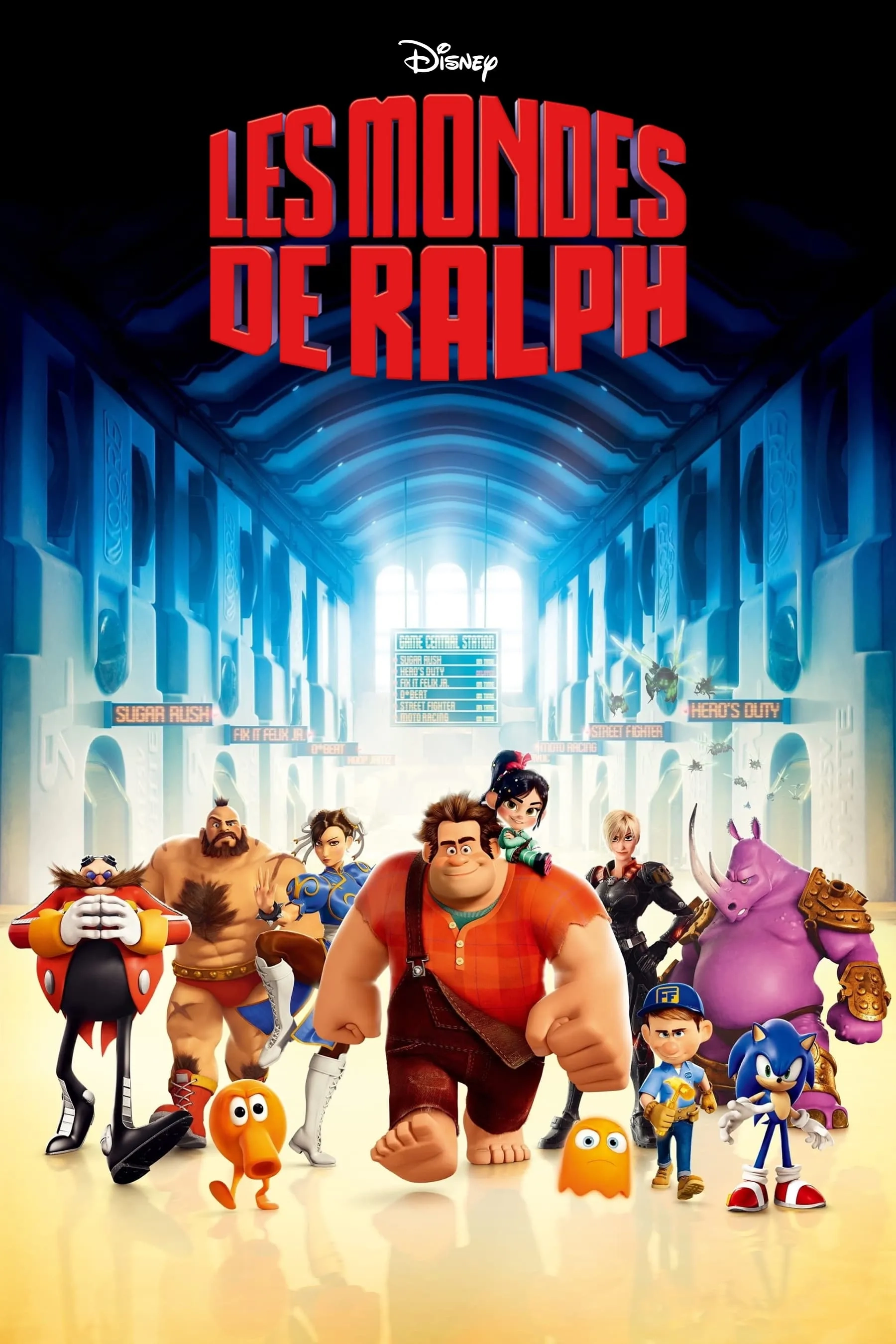
| Wreck-It Ralph | Animated/Family | Video game nostalgia and "Easter eggs" | 87% |
| Seven Psychopaths | Dark Comedy | Violent absurdity and meta-narrative | 83% |
Technical Trends: How 2012 Comedies Were Made
In 2012, comedy production was undergoing a technical evolution. Digital cinematography was becoming the standard, allowing directors to shoot longer takes and encourage more improvisation on set.
- Improvisational Freedom: Directors like Judd Apatow (who released This Is 40 in 2012) and Phil Lord used "line-o-rama" techniques, where actors would be fed alternative jokes during a take. This led to more natural, conversational humor.
- CGI in Comedy: Ted proved that a digital character could carry a film as a lead, not just a sidekick. The integration of high-end VFX into mid-budget comedies became more common following its success.
- Genre Hybridization: The most successful 2012 films weren't "just" comedies. They were action movies (21 Jump Street), musicals (Pitch Perfect), or sci-fi stories (Men in Black 3). This hybridization helped the genre stay relevant in an increasingly blockbuster-heavy market.
The Global Perspective: International Success
While Hollywood dominated the global market, 2012 also saw significant international comedies. The French film The Intouchables, though released in late 2011 in France, reached its peak international distribution and acclaim in 2012. Its blend of heart and humor regarding disability and friendship became a worldwide phenomenon, reinforcing the idea that well-written comedy transcends language barriers.
In the UK, films like Sightseers offered a uniquely British "black comedy" perspective, focusing on a murderous couple on a caravan holiday. This diversity in comedic voices across the globe in 2012 provided audiences with a wide array of tones, from the lighthearted to the macabre.
FAQs About 2012 Comedy Films
What was the highest-grossing comedy film of 2012?
Ted was the highest-grossing original R-rated comedy of the year, earning over $549 million globally. If considering animated comedies, Madagascar 3: Europe's Most Wanted and Wreck-It Ralph also saw massive box office returns, with Madagascar 3 earning over $746 million.
Which 2012 comedy won the most awards?
Silver Linings Playbook was the most critically decorated comedy-drama of the year. It received eight Academy Award nominations, including Best Picture, Best Director, and all four acting categories, with Jennifer Lawrence winning Best Actress.
Are there any cult classics from 2012?
Yes, films like Seven Psychopaths, Safety Not Guaranteed, and Bernie (starring Jack Black) have developed significant cult followings. These films were not blockbuster hits but are highly regarded for their unique scripts and performances.
How did 21 Jump Street change the buddy-cop genre?
Before 21 Jump Street, many buddy-cop reboots failed by trying to be too serious. This film succeeded by using "meta-humor" to mock the idea of the reboot itself and by focusing on the emotional growth of the characters rather than just the action.
What made Pitch Perfect so successful?
Its success was a combination of the rising popularity of a cappella music (boosted by shows like Glee), a relatable "underdog" story, and a diverse female cast with excellent comedic timing. It reached a wide demographic and benefited from a viral marketing presence.
Is Django Unchained considered a comedy?
While Django Unchained contains significant elements of dark humor and satire (typical of Quentin Tarantino), it is primarily classified as a Western/Action film. However, its comedic scenes—such as the "bag head" sequence—are frequently cited as highlights of 2012 comedy writing.
Practical Recommendation for Movie Enthusiasts
If you are looking to revisit the best of 2012 comedy, start with a "double feature" of 21 Jump Street and Ted to understand the commercial peak of the year. For those who prefer sophisticated storytelling, Moonrise Kingdom and Silver Linings Playbook offer high-quality production value and emotional depth. Most of these titles are readily available on major streaming platforms as of 2026, though licensing varies by region. When viewing, pay attention to the transition in comedic pacing—2012 was the last era before the ultra-fast "meme-style" editing of the late 2010s took over, offering a more balanced narrative flow.