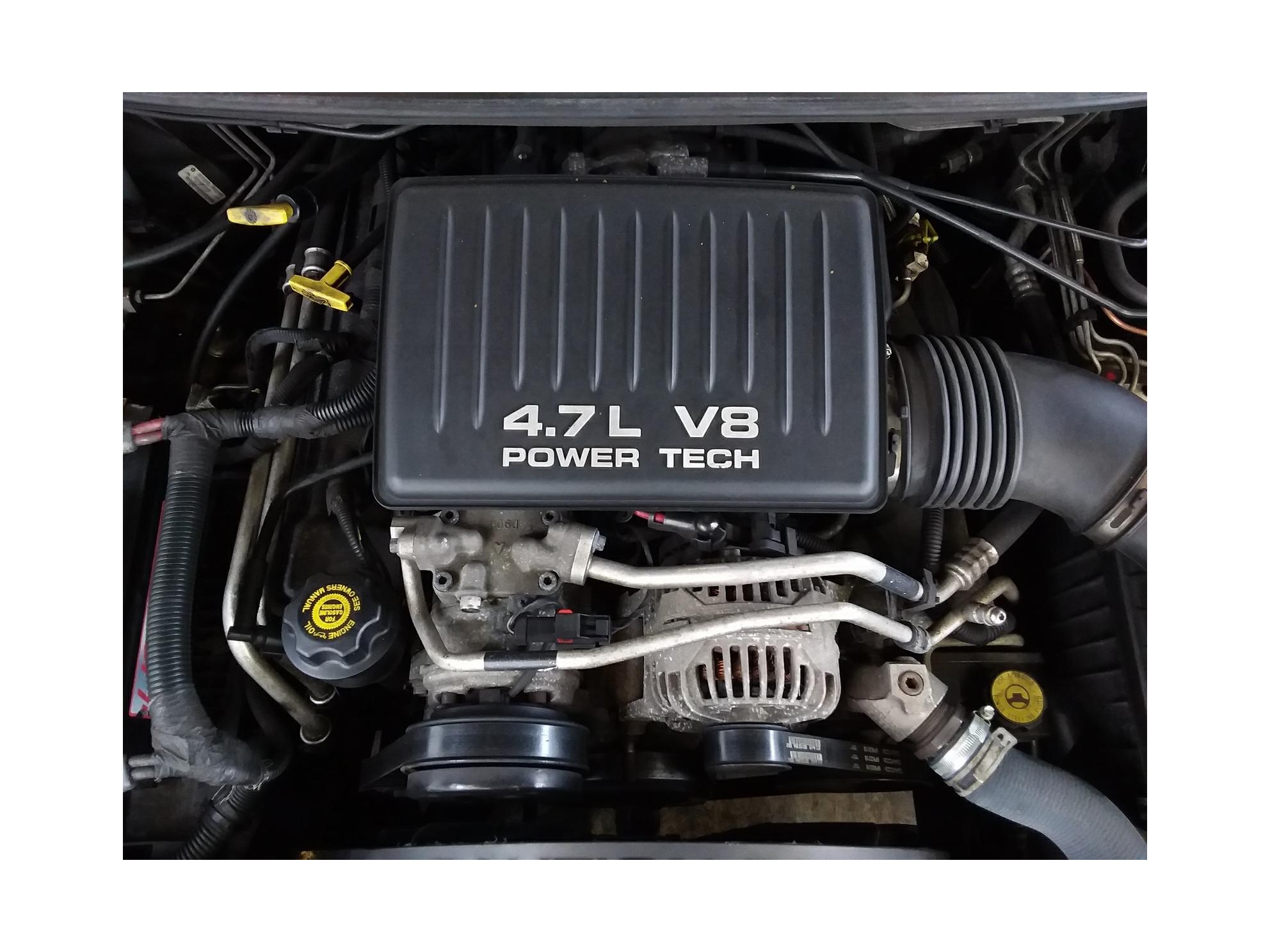
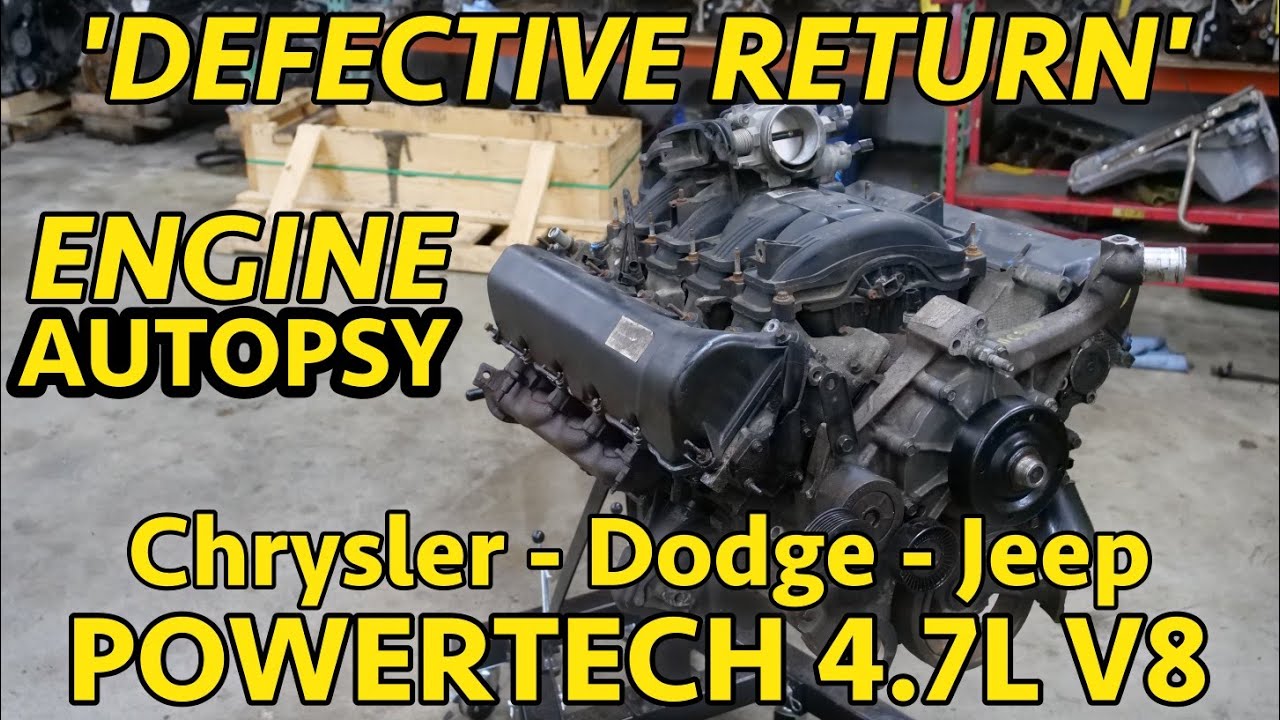
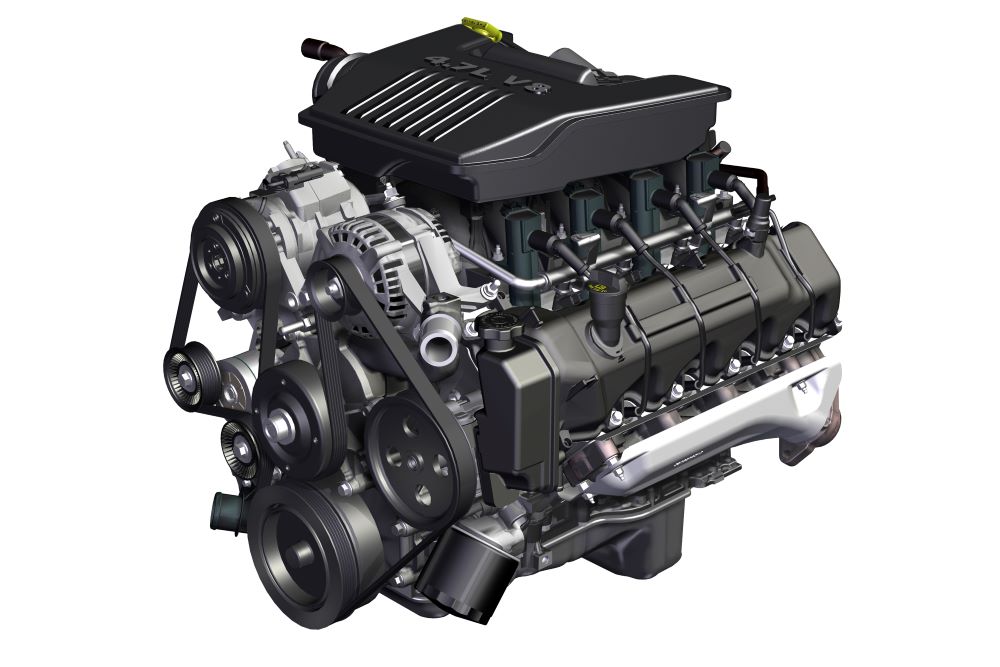
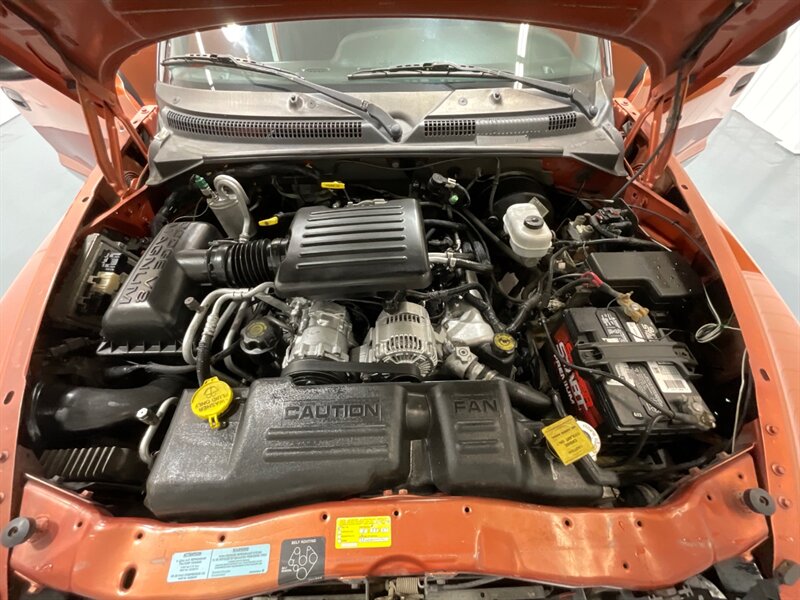
The 2001 Dodge Dakota equipped with the 4.7-liter PowerTech V8 represents a significant era in mid-size truck engineering, marking Chrysler's transition from traditional pushrod designs to modern overhead-camshaft architecture. This engine delivers 235 horsepower and 295 lb-ft of torque, offering a balanced combination of towing capability and refined daily drivability.
In the landscape of early 2000s automotive engineering, the 4.7L PowerTech V8 (codenamed "EVA") was a clean-sheet design intended to replace the aging 5.2L (318 cid) Magnum V8. For the 2001 Dodge Dakota, this engine was the "goldilocks" option—providing significantly more power than the base 3.9L V6 while being more efficient and technologically advanced than the heavy 5.9L V8 found in the R/T models. As we look at these vehicles in 2026, the 4.7L remains a common sight on the secondary market, praised for its smooth power delivery but requiring specific maintenance protocols to ensure long-term survival.
Technical Specifications and Architecture
The 4.7L PowerTech is a 90-degree V8 engine featuring a cast-iron block and aluminum cylinder heads. This combination was designed to reduce weight compared to its all-iron predecessors while maintaining the structural rigidity needed for truck applications. Unlike the Magnum engines it replaced, the PowerTech utilizes a Single OverHead Camshaft (SOHC) design with two valves per cylinder.
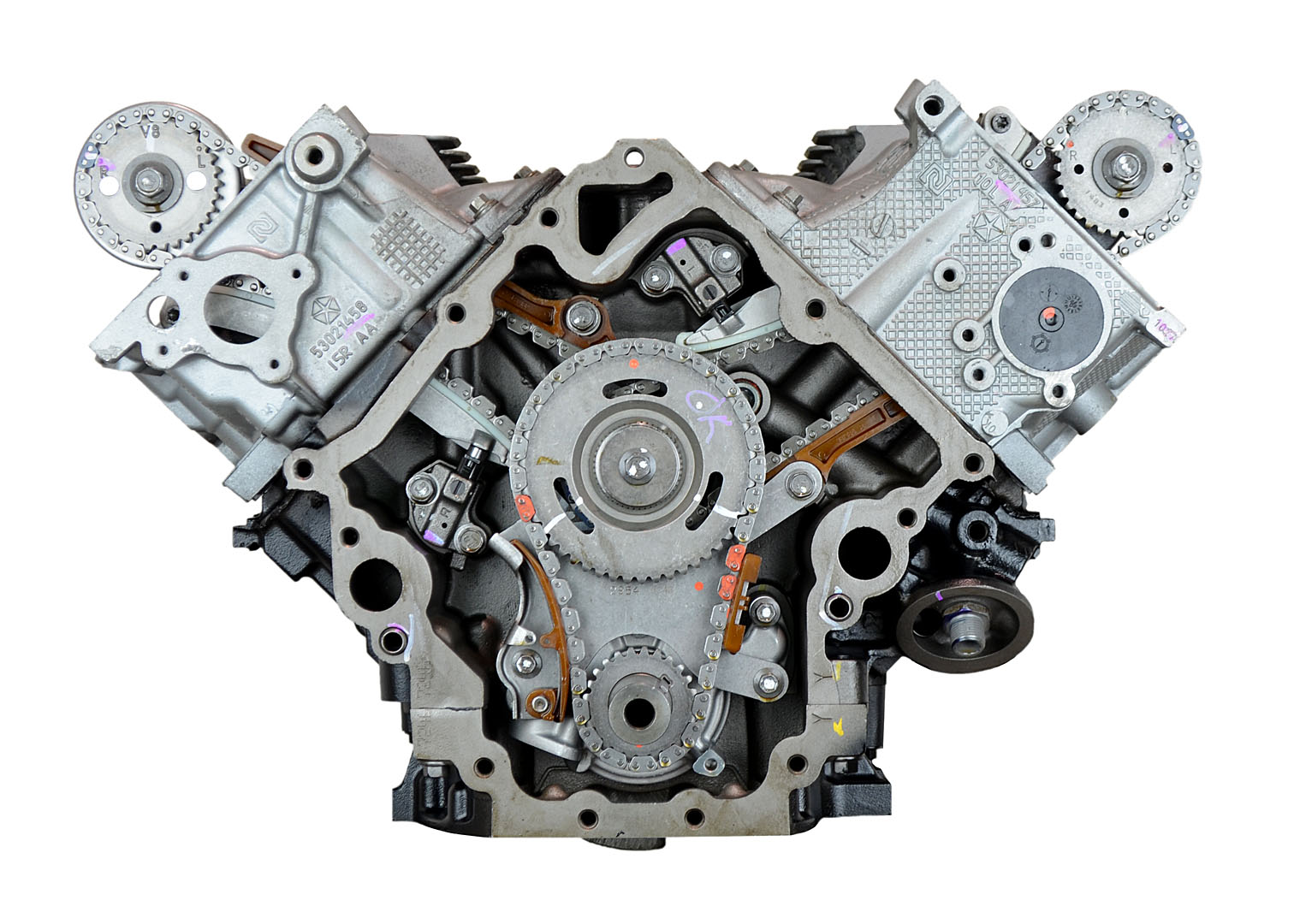
The engine employs a sophisticated chain-driven timing system. It uses three separate timing chains: one primary chain from the crankshaft to a jackshaft, and two secondary chains leading from the jackshaft to the individual camshafts in each head. This setup, while durable, is more complex than the single-chain or gear-driven systems of older V8s.
Core Engine Specifications
| Feature | Specification |
|---|---|
| Engine Type | 90-degree V8, SOHC, 16-Valve |
| Displacement | 4.7 Liters (287 cubic inches) |
| Bore x Stroke | 3.66 in x 3.40 in (93 mm x 86.5 mm) |
| Compression Ratio | 9.0:1 |
| Block Material | Cast Iron |
| Head Material | Cast Aluminum |
| Horsepower | 235 hp @ 4,800 RPM |
| Torque | 295 lb-ft @ 3,200 RPM |
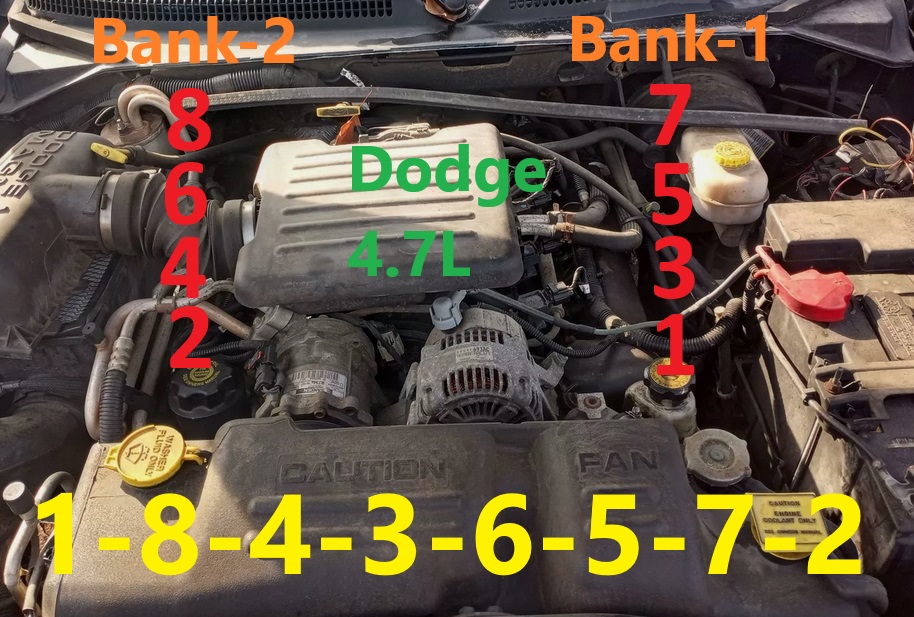
| Firing Order | 1-8-4-3-6-5-7-2 |
| Oil Capacity | 6.0 Quarts (5.7 Liters) with filter |
The choice of aluminum for the cylinder heads was a double-edged sword. While it improved heat dissipation and reduced front-end weight—improving the Dakota’s handling characteristics—it also made the engine extremely sensitive to overheating. The expansion rates of aluminum and iron differ significantly; if the cooling system fails, the resulting thermal stress often leads to warped heads or dropped valve seats.
Performance and Driving Dynamics in the Dakota
In the 2001 Dakota, the 4.7L V8 was paired with either a 5-speed manual transmission (New Venture NV3500) or a 4-speed automatic (45RFE). The 45RFE automatic was particularly advanced for its time, featuring three planetary gear sets and the ability to provide a second "prime" gear ratio during downshifts for better acceleration.
From a performance standpoint, the 4.7L transformed the Dakota into a highly capable mid-size pickup. With a peak torque of 295 lb-ft arriving relatively low in the rev range (3,200 RPM), the engine provides excellent off-the-line grunt. This makes the 2001 Dakota particularly effective for towing trailers or hauling heavy loads in the bed, tasks where the 3.9L V6 often struggled.
Towing Capacity: Depending on the rear-axle ratio (commonly 3.55 or 3.92) and cab configuration, a 2001 Dakota with the 4.7L V8 can tow between 4,500 and 6,200 pounds. This placed it at the top of its class in 2001, rivaling some full-size pickups of the era.
Critical Reliability Concerns: The "Three Nemeses"
While the 4.7L PowerTech is capable of exceeding 250,000 miles, it is not a "low-maintenance" engine in the way older small-block V8s were. Owners must be aware of three specific vulnerabilities that can lead to catastrophic engine failure.
1. Oil Sludge Accumulation
The early iterations of the 4.7L (1999–2002) were prone to oil sludge if oil changes were neglected. The engine's internal passages and the PCV (Positive Crankcase Ventilation) system design can allow moisture and combustion byproducts to mix, creating a thick, gel-like substance. This sludge clogs the oil pickup tube, starving the top end of the engine of lubrication.
- Prevention: Use a high-quality synthetic oil and change it every 3,000 to 5,000 miles. Ensure the PCV valve is replaced every 30,000 miles to maintain proper crankcase pressure.
2. Overheating and Dropped Valve Seats
This is perhaps the most notorious issue with the 4.7L V8. The valve seats are hardened steel inserts pressed into the aluminum heads. If the engine reaches a critical temperature due to a coolant leak or a failed water pump, the aluminum expands more than the steel seat. When the engine begins to cool, the seat can lose its press-fit and fall out of the head. If the engine is running when this happens, the piston will strike the valve seat, usually destroying the piston, the head, and often the cylinder wall.
- Prevention: Never drive the vehicle if the temperature gauge rises above the halfway mark. Replace the water pump and thermostat preventatively every 100,000 miles.
3. Exhaust Manifold Bolts
Like many Dodge engines of this era, the 4.7L frequently suffers from snapped exhaust manifold bolts. The heat cycles cause the manifold to warp slightly, putting immense shear stress on the rear-most bolts. This results in a distinct "ticking" sound when the engine is cold, which often disappears once the metal expands and seals the leak.
- Repair: Replacing the bolts with high-quality Grade 8 fasteners or aftermarket headers is a common and effective fix.
Maintenance Requirements for Longevity
To keep a 2001 Dakota 4.7L running reliably in 2026, a strict maintenance schedule is non-negotiable. Because these engines are now a quarter-century old, rubber components and cooling system integrity are the primary points of failure.
Cooling System Care
The cooling system on the 4.7L must be kept in pristine condition. It uses a specific HOAT (Hybrid Organic Additive Technology) coolant or a high-quality "universal" equivalent. Mixing different types of coolant can lead to "corrosion jelly" that clogs the radiator.
- Bleeding the System: This engine has a specific bleed plug located on the thermostat housing (upper radiator hose neck). When refilling coolant, this plug must be removed to allow air to escape, otherwise, an air pocket will form, leading to localized hot spots and potential head damage.
Spark Plug Selection
The standard 4.7L V8 is designed to run on traditional copper-core spark plugs (usually Champion or NGK). Many owners mistakenly upgrade to Platinum or Iridium plugs, which can sometimes cause rough idling or misfires because the ignition system (Coil-on-Plug) was tuned for the resistance of copper.
- Gap: .040 inches.
- Interval: Every 30,000 miles for copper plugs.
Sensors and Electronics
The 2001 Dakota uses the JTEC (Jeep/Truck Engine Controller) system. Common sensor failures include:
- TPS (Throttle Position Sensor): Causes surging or erratic shifting.
- IAC (Idle Air Control): Leads to stalling at stoplights.
- CKP/CMP (Crank and Cam Sensors): Can cause "crank but no start" conditions.
Comparing the 4.7L to Other 2001 Dakota Engines
Prospective buyers often weigh the 4.7L against the other options available in the 2001 model year.
- Vs. 3.9L V6: The 4.7L is vastly superior. It offers nearly 60 more horsepower with almost identical fuel economy. The V6 is often overworked in the Dakota chassis, leading to premature wear.
- Vs. 5.9L V8 (360 Magnum): The 5.9L was only available in the Dakota R/T. While the 5.9L has more low-end torque, it is significantly heavier, uses much more fuel, and utilizes older pushrod technology. The 4.7L is a much more "modern" feeling engine with a higher redline and better high-speed passing power.
Practical Advice for 2026 Owners
In 2026, the 2001 Dodge Dakota is considered a "youngtimer" classic. If you are looking to purchase one with the 4.7L V8, or if you currently own one, follow these steps to ensure its continued operation:
- Inspect the Oil Cap: Open the oil fill cap and look for milky white residue or "sludge." While some condensation is normal in cold climates, a thick buildup is a sign of poor maintenance.
- Verify the Cooling History: Ask when the radiator, water pump, and fan clutch were last replaced. If the answer is "never," budget for a complete cooling system overhaul immediately.
- Listen for the Tick: Start the engine cold. A loud ticking that fades as it warms up indicates broken exhaust manifold bolts. While not fatal, it impacts fuel economy and emissions.
- Check for "Death Wobble" or Front End Play: While not engine-related, the Dakota’s front suspension (ball joints and tie rods) often wears out, and the added weight of the V8 accelerates this.
Frequently Asked Questions
What is the expected lifespan of a 2001 Dodge Dakota 4.7L engine?
With meticulous maintenance, particularly regarding oil changes and cooling system health, the 4.7L PowerTech V8 can last between 200,000 and 300,000 miles. However, a single major overheating event can end the engine's life prematurely due to dropped valve seats.
Can I use 5W-20 oil instead of 5W-30 in the 4.7L V8?
Dodge originally specified 5W-30 for the 2001 model year. While later versions of the 4.7L (2005+) shifted to 5W-20 for fuel economy reasons, the 2001 internal tolerances and hydraulic tensioners were designed for 5W-30. Stick to the original manufacturer's recommendation for the best protection of the timing chain components.
Why does my 4.7L V8 idle roughly when the AC is on?
This is frequently caused by a dirty or failing Idle Air Control (IAC) valve. The 4.7L's computer relies on the IAC to compensate for the additional load of the AC compressor. Cleaning the throttle body and the IAC port with specialized cleaner often resolves the issue.
Is the 2001 Dakota 4.7L V8 an "interference" engine?
Yes, the 4.7L PowerTech is an interference engine. This means that if a timing chain were to snap or a tensioner were to fail significantly, the valves could contact the pistons, resulting in catastrophic internal damage. Fortunately, the timing chains are robust and rarely fail without warning (usually preceded by significant rattling sounds).
How can I improve the fuel economy of my 4.7L Dakota?
While it is a V8 truck, you can maximize efficiency by ensuring the O2 sensors are functioning correctly, replacing the air filter, and maintaining tire pressure. Most owners see 14-15 MPG in the city and 18-20 MPG on the highway. Avoid "cold air intakes" that actually draw hot air from the engine bay, as these can decrease efficiency.
Final Recommendation
The 2001 Dodge Dakota with the 4.7L V8 is a standout mid-size truck that offers a level of refinement and power that was ahead of its time. For the modern enthusiast or DIY mechanic in 2026, it remains a rewarding vehicle to own, provided you respect its technical limitations. Prioritize the cooling system and oil quality above all else. If you keep the engine cool and the oil clean, the PowerTech V8 will provide a powerful, smooth, and capable driving experience for years to come.