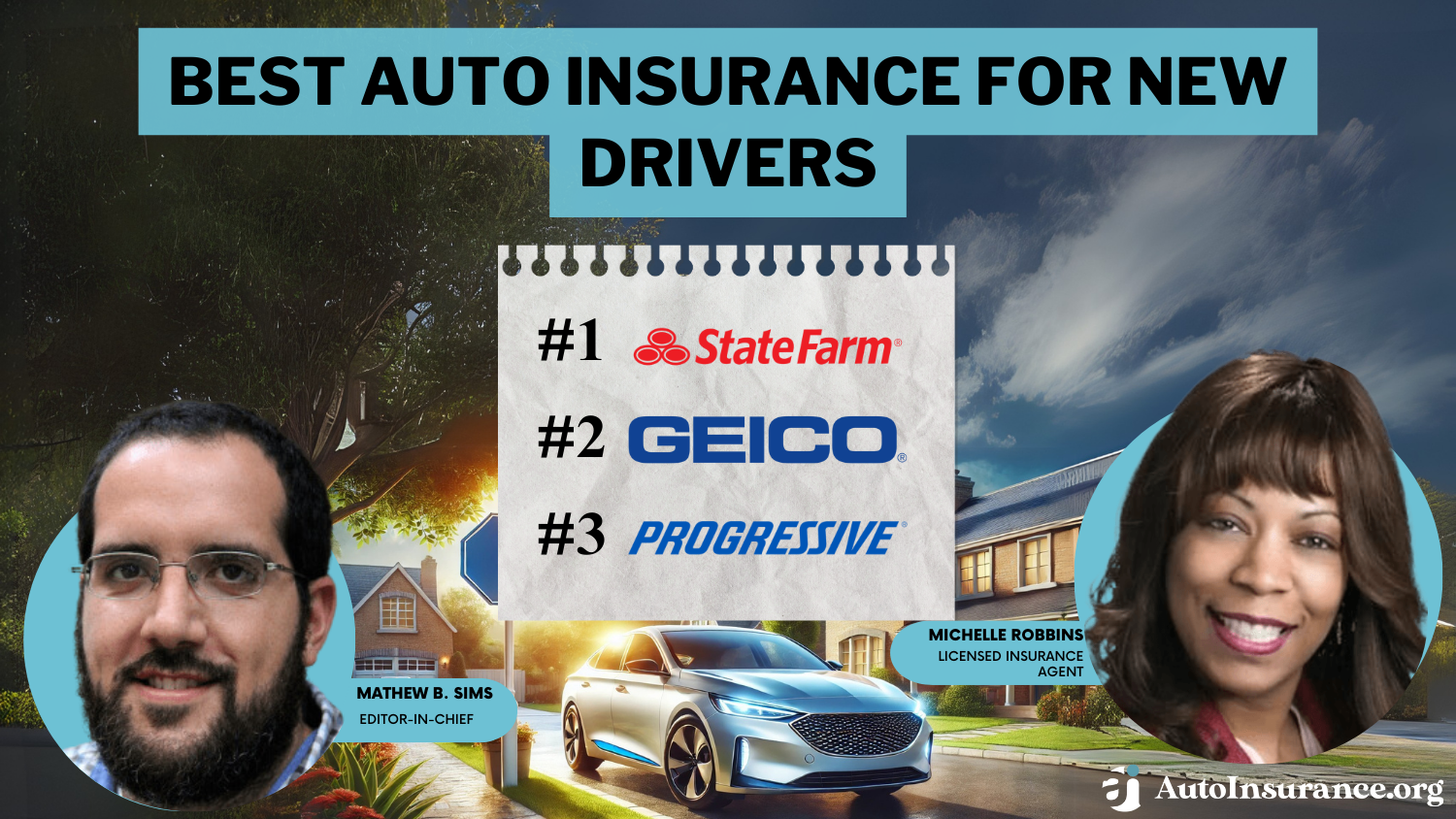
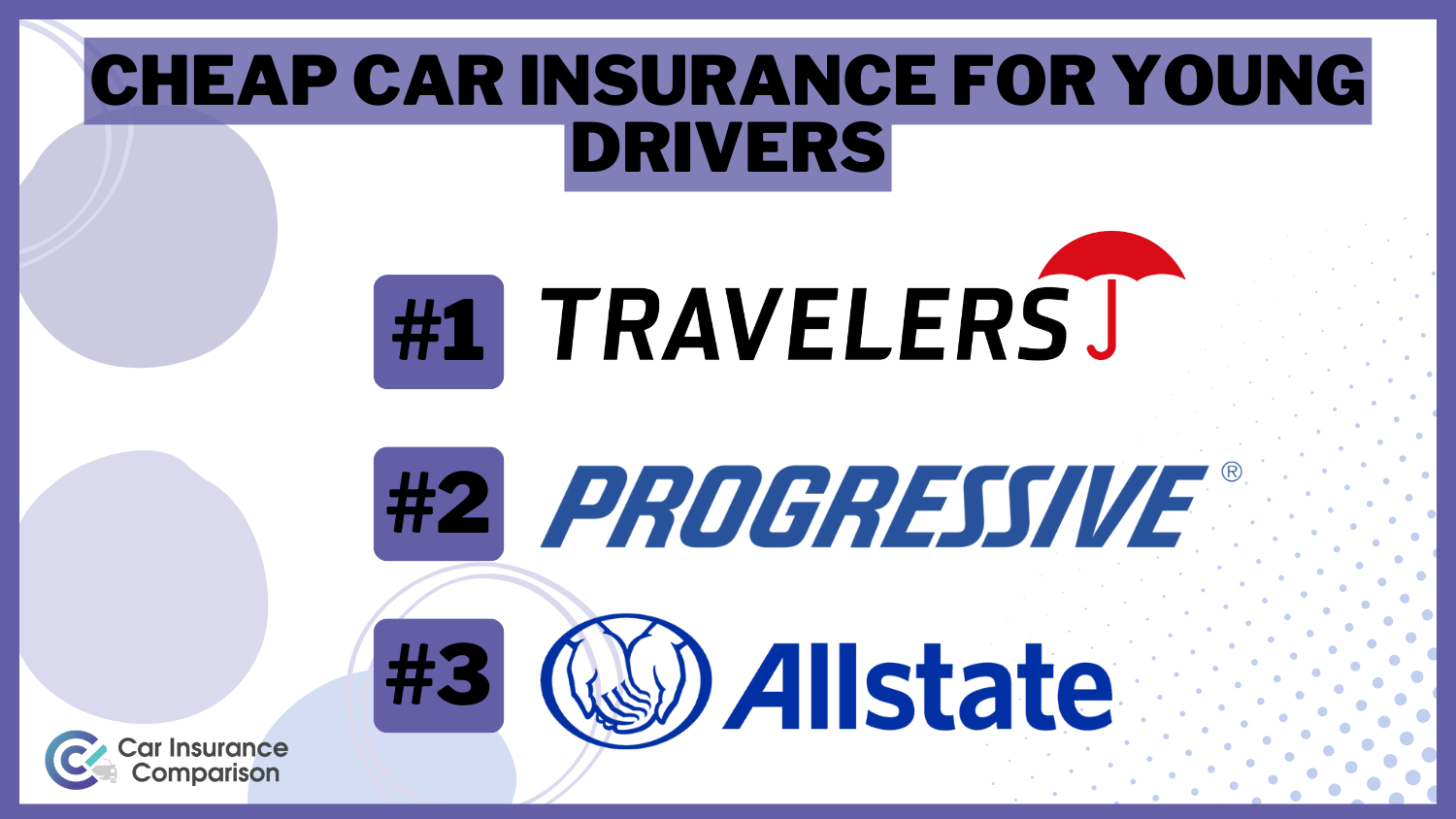
Navigating the landscape of auto insurance in Cleveland, Ohio, particularly for specific neighborhoods or distinct driver profiles, requires an understanding of state-mandated coverage limits, local risk factors, and carrier-specific offerings. While generalized insurance advice helps broad swatches of motorists, specialized considerations for urban routing, winter weather driving along Lake Erie, and local commuting patterns demand a closer look at leading insurance providers. This guide examines two primary auto insurance choices frequently evaluated by motorists in the Cleveland area, breaking down their structures, policy options, and local considerations.
Drivers in Cleveland, Ohio, face unique urban driving conditions, fluctuating weather patterns, and specific state liability requirements. Choosing the right auto insurance policy involves balancing mandatory Ohio minimum coverages with optional protections like comprehensive, collision, and roadside assistance. By evaluating top regional and national carriers available to local drivers, motorists can better align their coverage limits with individual risk profiles, vehicle values, and budgetary constraints.
Understanding the Cleveland, Ohio Auto Insurance Landscape
Shopping for car insurance in Cleveland requires navigating the regulatory framework established by the Ohio Department of Insurance alongside local municipal traffic realities. Ohio operates under a tort system, meaning the driver at fault for an accident is financially responsible for resulting damages, injuries, and medical expenses. This legal framework places significant importance on selecting adequate liability limits rather than merely meeting bare-minimum requirements.
Ohio State Liability Minimums
Every motorist operating a motor vehicle in Ohio must carry minimum liability insurance. The state-mandated limits are commonly expressed as split limits:
- Bodily Injury Liability per Person: $25,000
- Bodily Injury Liability per Accident: $50,000
- Property Damage Liability per Accident: $25,000
While these figures represent the absolute legal minimum required to register and drive a vehicle in Cuyahoga County, industry professionals routinely recommend higher limits. Medical costs and vehicle repair expenses in urban centers often exceed these thresholds quickly. Selecting higher limits, such as $100,000/$300,000/$100,000, helps protect personal assets from civil litigation following a severe collision.
Local Risk Factors in Cleveland
Urban driving environments introduce distinct risk calculations for insurance underwriters. Cleveland motorists contend with heavy commuter traffic along major arteries like Interstate 90, Interstate 71, and the Jennings Freeway. Furthermore, lake-effect snowstorms create hazardous winter driving conditions, increasing the statistical likelihood of low-speed fender-benders, sliding incidents, and multi-vehicle pileups.
Rates are also influenced by vehicle theft statistics, uninsured motorist rates in Cuyahoga County, and average repair costs for modern vehicles equipped with advanced driver-assistance systems (ADAS). Consequently, carriers weigh these geographic factors heavily when determining premiums for local policyholders.
Key Factors to Evaluate When Choosing an Auto Insurance Provider
Selecting between multiple top-tier auto insurance choices requires a systematic evaluation of policy features, customer satisfaction ratings, financial stability, and discount availability. A carrier that excels in one category may have higher pricing structures in another.
Coverage Options and Endorsements
Standard auto insurance policies generally include liability, collision, comprehensive, and medical payments (MedPay) or personal injury protection (PIP) where applicable. Beyond these basics, top carriers distinguish themselves through specialized endorsements:
- Gap Insurance: Essential for drivers financing or leasing a new vehicle, covering the difference between the actual cash value of the car and the remaining loan balance if the vehicle is totaled.
- Accident Forgiveness: Prevents premium spikes after a policyholder's first at-fault accident, provided they maintain a clean driving record for a specified period.
- Roadside Assistance: Offers towing, flat tire changes, battery jump-starts, and lockout services, which prove particularly valuable during freezing Cleveland winters.
- New Car Replacement: Replaces a totaled new vehicle with a current-model-year vehicle of the same make and model rather than paying out only the depreciated market value.
Claims Handling and Customer Service
The true test of an insurance policy occurs during the claims process. Policyholders should research independent customer satisfaction studies, such as those published by J.D. Power, which evaluate property and casualty insurance claims experience, digital tools, and overall customer loyalty. Efficient digital claims filing, mobile app tracking, and responsive local agent networks reduce friction during stressful post-accident situations.
Comparing Top Auto Insurance Choices for Cleveland Drivers
To help structure an informed decision, the following comparison highlights key operational characteristics, coverage strengths, and policy management features common among top-tier national carriers operating extensively throughout the Cleveland metropolitan area.
| Feature / Consideration | National Carrier Profile A (e.g., State Farm / Progressive Style) | National Carrier Profile B (e.g., Nationwide / Allstate Style) |
|---|---|---|
| Primary Distribution Model | Blend of exclusive local agents and direct online/phone channels. | Extensive network of dedicated local independent and exclusive agents. |
| Telematics / Usage-Based Savings | Strong focus on mobile app tracking for driving behavior discounts. | Flexible programs rewarding low-mileage and safe driving habits. |
| Claim Management | Robust digital claim portals with nationwide network of repair facilities. | Comprehensive repair guarantees and personalized local agent support. |
| Discounts Available | Multi-policy, defensive driving, good student, paperless billing. | Accident forgiveness, vanishing deductibles, safety feature discounts. |
| Financial Strength Rating | Typically A (Excellent) or higher via AM Best. | Typically A (Excellent) or higher via AM Best. |
Note: Individual rates and program availability vary based on specific driving records, credit histories, vehicle specifications, and exact residential ZIP codes within Cuyahoga County.
Exploring Carrier Profile A: Technology-Driven and Direct Options
Carriers aligned with high-tech infrastructure and flexible direct-to-consumer models often appeal to drivers who prioritize digital policy management, telematics-based discounts, and streamlined quote comparisons.
Telematics and Behavior-Based Pricing
Many leading national insurers operating in Ohio utilize plug-in devices or smartphone applications to monitor driving habits. Metrics tracked typically include:
- Speed consistency and adherence to posted speed limits.
- Braking smoothness and avoidance of sudden stops.
- Time of day driven (minimizing late-night driving reduces risk scores).
- Phone handling habits (avoiding distracted driving).
For safe drivers living in Cleveland who maintain low annual mileage or predominantly commute outside peak rush hours, these telematics programs yield substantial premium reductions. However, drivers with erratic braking habits or high-mileage commutes may see higher rate adjustments.
Policy Customization and Digital Tools
Modern policyholders expect robust mobile applications capable of handling ID card displays, roadside assistance dispatch, claims photo uploads, and billing modifications instantly. Carriers investing heavily in these platforms allow Cleveland motorists to manage endorsements—such as adding a newly licensed teen driver or adjusting comprehensive deductibles—without needing to visit a physical office.
Exploring Carrier Profile B: Agent-Centric and Comprehensive Protection
Carriers that rely heavily on traditional agency networks provide a different service model, emphasizing face-to-face consultations, personalized risk assessments, and tailored bundling options.
The Value of Local Agency Support
For policyholders who prefer personalized guidance when evaluating complex liability limits or umbrella policies, working with a dedicated local agent in the Cleveland area offers distinct advantages. An agent familiar with local court structures, municipal traffic ordinances, and regional property values can recommend appropriate coverage boundaries that generic online calculators might overlook.
Bundling and Long-Term Loyalty Rewards
Traditional insurers frequently incentivize policy consolidation. Combining auto insurance with homeowners, renters, or umbrella policies typically unlocks multi-policy discounts ranging from 10% to 25%. Additionally, long-term policyholder programs often reward accident-free driving with vanishing deductibles, where the collision deductible decreases by a set dollar amount for every consecutive year the driver remains claim-free.
Maximizing Auto Insurance Discounts in Ohio
Regardless of the carrier selected, optimizing premium costs involves identifying and applying all eligible discounts. Ohio insurance regulations permit a wide array of promotional and behavioral price reductions.
- Multi-Car Discounts: Insuring two or more vehicles under the same household policy.
- Good Student Discounts: Providing financial relief for high school or university drivers maintaining a "B" average or higher.
- Safety Equipment Discounts: Savings applied for vehicles equipped with factory-installed anti-lock brakes, passive restraint systems, anti-theft devices, and advanced airbag configurations.
- Pay-in-Full and Paperless Billing: Small administrative discounts for electing electronic document delivery and paying the annual or semi-annual premium upfront rather than through monthly installments.
Common Mistakes to Avoid When Shopping for Car Insurance
Motorists frequently encounter pitfalls during the policy selection process that compromise their financial security or lead to unexpected out-of-pocket expenses.
- Selecting State Minimums Solely for Price: While choosing $25k/$50k/$25k limits lowers monthly premiums, it exposes the policyholder to severe financial ruin if they cause an accident involving luxury vehicles or significant medical bills.
- Ignoring Comprehensive and Collision on Older Vehicles: Continuing to pay for physical damage coverage on a car whose market value is lower than the deductible plus annual premium is mathematically inefficient.
- Failing to Update Life Changes: Moving, changing jobs, adding drivers, or altering annual mileage without notifying the insurer can lead to claim denials or retroactive premium adjustments.
Frequently Asked Questions
What is the minimum auto insurance required to drive legally in Cleveland, Ohio?
Ohio law requires all motorists to carry liability insurance with minimum split limits of $25,000 for bodily injury per person, $50,000 for bodily injury per accident, and $25,000 for property damage per accident. Driving without these minimums can result in driver's license suspension, vehicle impoundment, and substantial reinstatement fines.
How do Cleveland winter weather conditions impact auto insurance rates?
While insurance companies do not adjust individual rates solely for a single snowstorm, regional claims history influences baseline actuarial tables. High volumes of winter weather accidents across Cuyahoga County contribute to overall loss costs, which are factored into statewide or regional rate filings approved by the Ohio Department of Insurance.
Is it better to choose a high or low deductible for comprehensive and collision coverage?
Choosing a higher deductible (e.g., $1,000 instead of $500) lowers your monthly premium but increases your out-of-pocket financial burden if you file a claim. Conversely, a lower deductible raises your monthly premium but minimizes immediate cash outlay after an accident. Drivers should select a deductible amount that they can comfortably pay in cash on short notice.
Can my credit score affect my auto insurance premium in Ohio?
Yes. Under Ohio law, insurance companies are permitted to use credit-based insurance scores as a rating factor when determining premiums, provided they comply with state and federal fair credit reporting guidelines. Insurers utilize these scores because statistical studies indicate a correlation between financial credit history and the likelihood of filing insurance claims.
What should I do immediately after a minor traffic accident in Cleveland?
First, ensure all parties are safe and move vehicles out of active traffic lanes if possible. Call local law enforcement to file an official police report, exchange insurance and contact information with the other driver, document the scene with photographs, and notify your insurance carrier as soon as practical to initiate the claims process.
Next Steps for Cleveland Motorists
Evaluating auto insurance choices begins with reviewing your current policy declarations page to assess your existing liability limits, deductibles, and endorsement selections. Gather your vehicle identification numbers (VINs), annual mileage estimates, and driving history records. Request comparative quotes from multiple top-tier carriers—both direct digital platforms and traditional agency networks—to weigh pricing transparency against customer service models. Select coverage that prioritizes asset protection over minimal compliance to ensure comprehensive security on Cleveland roadways.