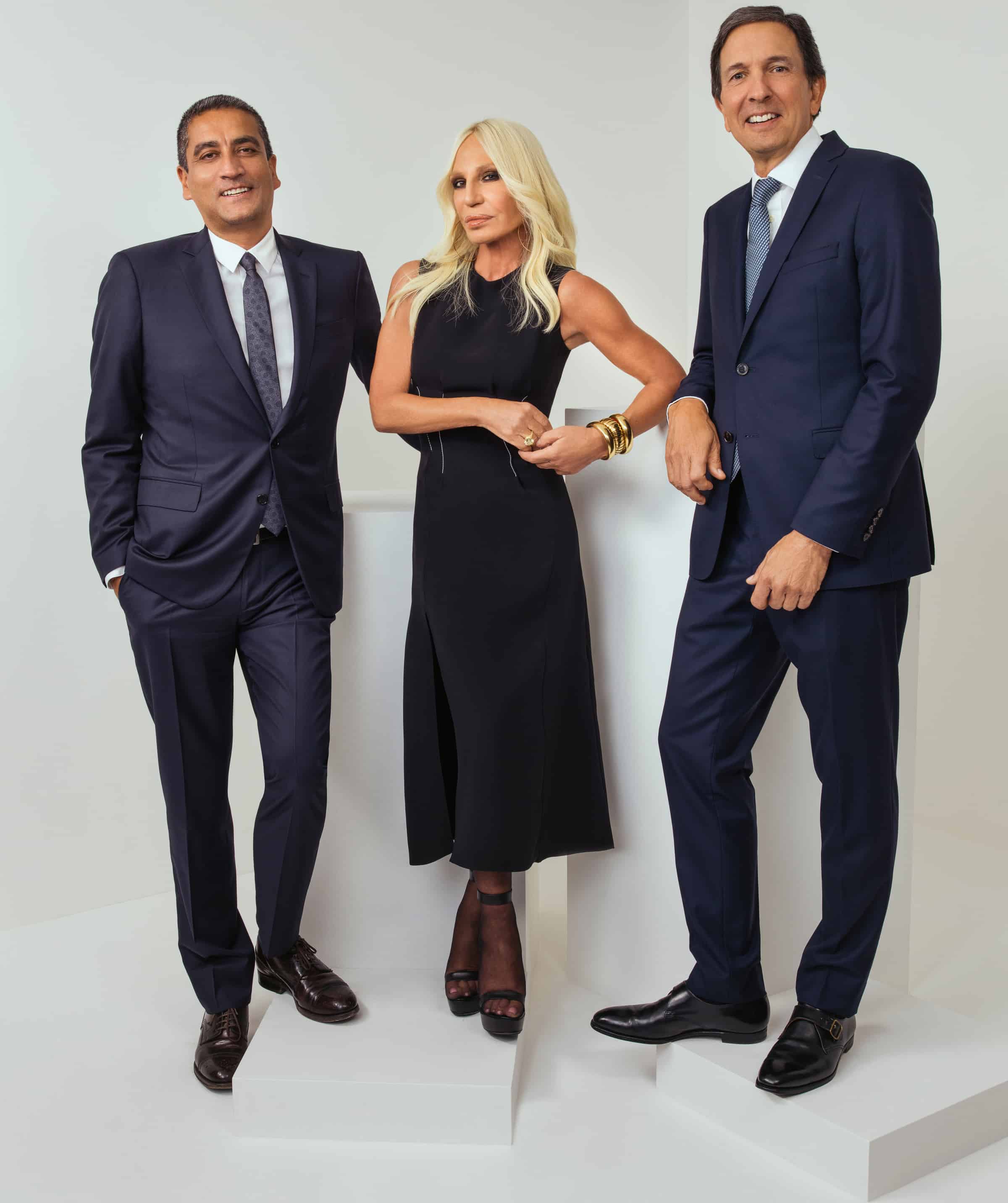
In September 2018, Michael Kors Holdings Limited officially announced its acquisition of the iconic Italian fashion house Gianni Versace S.p.A. for approximately $2.12 billion (€1.83 billion). This landmark transaction fundamentally altered the luxury landscape, significantly boosting the net worth of the Versace family—specifically Donatella, Allegra, and Santo Versace—while transitioning the brand into a cornerstone of the newly formed Capri Holdings Limited.
The 2018 sale of Versace represented more than just a change in corporate filing; it was the end of an era for one of the last major independent, family-controlled Italian luxury houses. For years, the industry speculated whether the "Medusa" brand would launch an Initial Public Offering (IPO) or seek a strategic partner. By choosing Michael Kors Holdings (now Capri Holdings), the Versace family secured a massive liquidity event while maintaining creative influence and a continuing equity stake in the parent organization.
Understanding the financial mechanics of this $2.12 billion deal requires a deep dive into the ownership percentages held by the family and the private equity firm Blackstone, the specific payout structures, and how these figures translated into individual net worth estimations at the time of the closing.
The Landmark 2018 Agreement: Breaking Down the $2.12 Billion Figure
The headline figure of $2.12 billion (equivalent to roughly €1.83 billion at 2018 exchange rates) was widely viewed by analysts as a "brand premium" price. At the time of the acquisition, Versace's annual revenue was approximately €680 million (2017 data). This placed the acquisition price at roughly 2.5 times its annual sales and a significant multiple of its EBITDA (Earnings Before Interest, Taxes, Depreciation, and Amortization), which was estimated to be around 22x.
The deal was structured to include both cash and equity. The Versace family received €150 million of the purchase price in shares of Michael Kors Holdings Limited, which was subsequently renamed Capri Holdings Limited. This move ensured that the family remained "invested" in the brand's future success under the American conglomerate's umbrella.
The Role of Michael Kors Holdings (Capri Holdings)
The buyer, led by Chairman and CEO John D. Idol, aimed to create an American luxury conglomerate capable of competing with European giants LVMH (Moët Hennessy Louis Vuitton) and Kering. By acquiring Versace and having previously acquired Jimmy Choo in 2017, Michael Kors Holdings transformed itself into a multi-brand group with a presence in the high-end luxury, accessible luxury, and footwear segments.
The Versace Ownership Structure: Who Benefited from the Sale?
To calculate the impact on individual net worth, one must understand the complex ownership of Gianni Versace S.p.A. through the family’s holding company, GIVI Holding. Before the 2018 deal, ownership was split between the three direct heirs of Gianni Versace and the American private equity firm Blackstone.
Allegra Versace Beck: The Majority Stakeholder
Allegra Versace Beck, the daughter of Donatella Versace and Paul Beck, was the single largest shareholder. Upon her 18th birthday, she inherited a 50% stake in the company, as stipulated in her uncle Gianni’s will. This 50% stake made her the primary beneficiary of the $2.12 billion acquisition. While she maintained a low public profile, her financial position was the most significantly impacted by the 2018 sale.
Santo Versace: The Business Architect
Santo Versace, Gianni’s older brother, held a 30% stake in the company. As the longtime business leader of the brand, Santo was instrumental in the commercial expansion of Versace in the 1980s and 90s. His share of the proceeds reflected his 30% equity, providing him with a substantial exit from the day-to-day operations of the fashion house.
Donatella Versace: Creative Lead and Shareholder
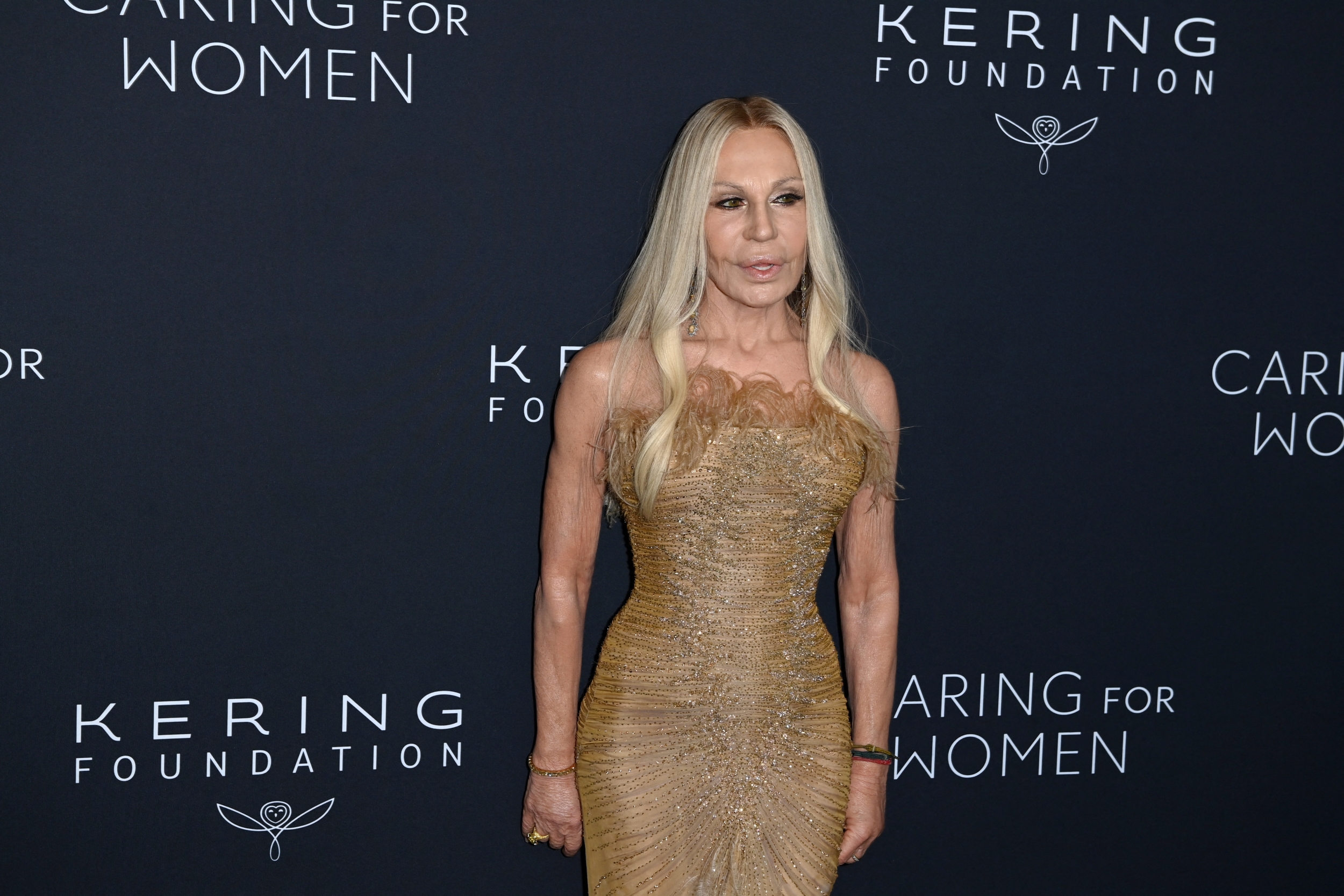
Donatella Versace held a 20% stake in the family’s holding company. However, her value to the deal extended far beyond her equity. As the creative soul of the brand since 1997, her continued involvement was a prerequisite for the acquisition. Donatella's net worth in 2018 was bolstered not only by her portion of the $2.12 billion but also by her ongoing salary as Creative Director and her new role as a shareholder in Capri Holdings.
The Blackstone Exit
In 2014, the private equity firm Blackstone Group acquired a 20% stake in Versace for €210 million. The 2018 sale allowed Blackstone to exit its investment at a valuation nearly double what it had paid four years prior. This exit demonstrated the successful "grooming" of the brand for a larger corporate takeover rather than a public listing.
Calculating the Net Worth: Wealth Impact in 2018
The distribution of the $2.12 billion was not a simple split, as debt and transaction fees are typically deducted from the enterprise value. However, based on the equity stakes held within the 80% family-owned portion and the 20% Blackstone-owned portion, we can estimate the wealth infusion for each individual in 2018.
| Entity/Owner | Pre-Deal Stake (%) | Estimated 2018 Payout (Gross) | Role Post-Acquisition |
|---|---|---|---|
| Allegra Versace Beck | 40% (Total) | ~$848 Million | Shareholder in Capri Holdings |
| Santo Versace | 24% (Total) | ~$508 Million | Retired/Shareholder |
| Donatella Versace | 16% (Total) | ~$340 Million | Chief Creative Officer & Shareholder |
| Blackstone Group | 20% (Total) | ~$424 Million | Full Exit |
Note: The family stakes are calculated as percentages of the total 100% enterprise value. The "Family" owned 80% total; Allegra owned 50% of that 80% (40%), Santo 30% of that 80% (24%), and Donatella 20% of that 80% (16%).
Individual Net Worth Estimations (2018)
- Donatella Versace: Following the deal, Forbes and other financial trackers estimated her net worth to be approximately $400 million to $500 million. This included the cash proceeds, her equity in Capri Holdings, and other personal assets and real estate holdings.
- Allegra Versace Beck: Given her 50% stake in the family holding company (40% of the total brand), her net worth surged to an estimated $800 million to $900 million, placing her among the wealthiest women in Italy at the time.
- Santo Versace: His net worth was estimated to be in the $500 million range following the liquidation of his 30% family stake.
Strategic Rationale: Why Michael Kors Paid $2.12 Billion
From a 2026 perspective, the price Michael Kors paid in 2018 remains a point of intense financial analysis. The acquisition was driven by several strategic imperatives designed to diversify the Michael Kors portfolio and elevate its market standing.
Global Footprint Expansion
In 2018, Versace had a powerful retail presence but was under-penetrated in certain Asian markets compared to peers like Gucci or Louis Vuitton. Capri Holdings aimed to increase Versace’s global retail footprint from approximately 200 stores to 300 stores and boost e-commerce capabilities, which were lagging at the time of the sale.
Revenue Targets
The goal set by John Idol in 2018 was to grow Versace’s annual revenue from roughly $800 million to $2 billion. To achieve this, the group focused on:
- Accessories and Footwear: Increasing the mix of high-margin leather goods and shoes to 50% of total revenue (up from roughly 35%).
- Marketing Synergy: Leveraging the marketing machinery of a larger conglomerate to enhance the brand's digital presence and "social currency."
- Operational Efficiency: Utilizing Capri Holdings’ supply chain and back-office infrastructure to reduce costs and improve margins.
The Transition to Capri Holdings: Stock vs. Cash Components
A critical aspect of the "Versace owner net worth" discussion is the €150 million equity component. The Versace family did not simply walk away with cash; they became significant shareholders in Capri Holdings Limited.
By accepting stock, the family signaled their belief in the "American LVMH" model. However, this also meant their net worth became tied to the volatility of the New York Stock Exchange (NYSE: CPRI). In the years following 2018, Capri Holdings' stock experienced significant fluctuations due to global economic shifts, the 2020 pandemic, and changing consumer sentiment toward luxury. For the Versace owners, this meant their 2018 net worth was a "high-water mark" that would fluctuate alongside the performance of the Michael Kors and Jimmy Choo brands as well.
Comparative Analysis: Versace vs. Other Luxury Acquisitions
To understand if the $2.12 billion deal was "fair," it is useful to compare it with other major fashion acquisitions of that era.
- Coach (Tapestry) and Kate Spade (2017): Coach acquired Kate Spade for $2.4 billion. While similar in price, Kate Spade had higher revenues but a lower "luxury" prestige compared to Versace.
- Michael Kors and Jimmy Choo (2017): Michael Kors paid $1.2 billion for Jimmy Choo. The Versace deal was nearly double this, reflecting the much broader lifestyle potential of the Versace brand (apparel, home, fragrance) versus a footwear-focused brand.
- LVMH and Tiffany & Co. (2021): While occurring later, this $15.8 billion deal set the gold standard for luxury acquisitions, showing the massive gap between "independent" luxury houses like Versace and "global titans" like Tiffany.
The Legacy of the Deal: Perspectives from 2026
As of 2026, the 2018 acquisition of Versace is viewed as a pivotal moment in the "corporatization" of fashion. While some critics initially feared that an American owner would dilute the "Made in Italy" essence of Versace, the brand has maintained its flamboyant, high-octane DNA under Donatella’s continued creative leadership.
The net worth of the owners has remained stable, largely due to the diversification of their assets post-sale. Donatella Versace remains one of the most influential figures in fashion, proving that the $2.12 billion deal was as much about "creative continuity" as it was about financial exit.
Frequently Asked Questions
Who owned Versace before Michael Kors bought it?
Before the 2018 sale, Versace was 80% owned by the Versace family (Allegra, Santo, and Donatella) through GIVI Holding and 20% owned by the private equity firm Blackstone Group.
How much did Donatella Versace personally make from the deal?
Donatella owned 20% of the family's 80% stake, equating to 16% of the total company. Her gross proceeds from the $2.12 billion sale were approximately $340 million, though a portion of this was delivered in Capri Holdings stock rather than cash.
Why did the Versace family sell the company?
The family sold primarily to ensure the brand's long-term growth and competitiveness. As an independent brand, Versace lacked the massive capital and global infrastructure required to compete with conglomerates like LVMH. The sale provided the necessary resources for global expansion and digital transformation.
Did the brand name change after the $2.12 billion deal?
No, the brand remains "Versace." However, the parent company, Michael Kors Holdings Limited, changed its corporate name to Capri Holdings Limited shortly after the acquisition was finalized to reflect its new status as a multi-brand luxury group.
What happened to Blackstone’s 20% stake?
Blackstone sold its entire 20% stake as part of the 2018 deal. Having invested €210 million in 2014, the firm realized a significant profit, as its share of the €1.83 billion sale was approximately €366 million.
Practical Recommendation for Researchers and Investors
When evaluating the "net worth" impact of historical luxury deals like the 2018 Versace acquisition, it is essential to distinguish between enterprise value (the total $2.12 billion) and equity value (the amount actually paid to shareholders after debt is settled). For those tracking the wealth of the Versace family today in 2026, focus on the performance of Capri Holdings (CPRI) and the family's private investment vehicles, which were funded by the 2018 liquidity event. The 2018 deal remains the primary benchmark for valuing independent Italian luxury houses in the current market.