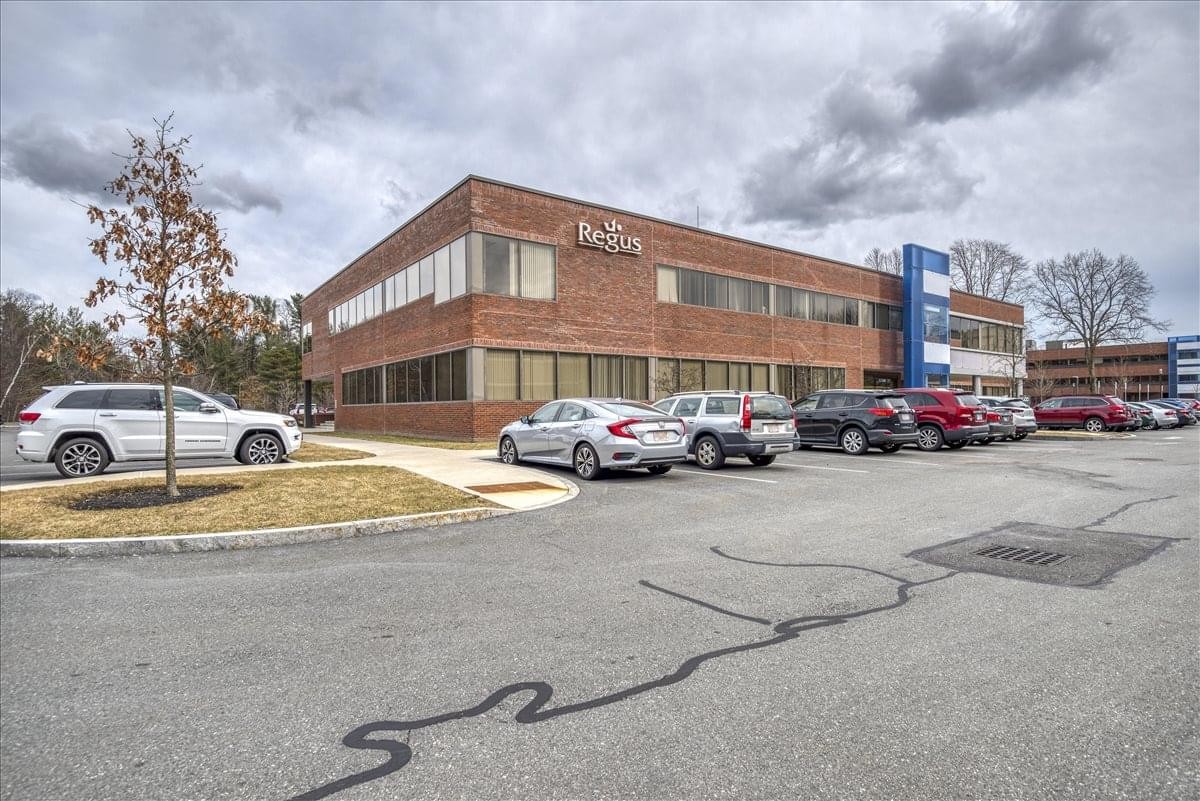
The 1st District Workers’ Compensation Office, located at 999 Asylum Avenue in Hartford, Connecticut, is the designated venue for adjudicating work-related injury claims within the Hartford region. Managed by the State of Connecticut Workers’ Compensation Commission (WCC), this office provides the administrative and legal framework for resolving disputes regarding medical benefits, wage replacement, and permanent disability settlements through a structured hearing process.
Understanding the Role of the 1st District Office
The Workers’ Compensation Commission in Connecticut is divided into several administrative districts, with the 1st District Office serving as one of the busiest hubs in the state. As of 2026, the office continues to function as a quasi-judicial body where Administrative Law Judges (formerly known as Commissioners) oversee the application of the Connecticut Workers' Compensation Act (Chapter 568 of the General Statutes).
Unlike a traditional civil court, the 1st District office focuses exclusively on the statutory rights of employees who have suffered injuries or occupational diseases arising out of and in the course of their employment. The primary objective of the staff and judges at 999 Asylum Avenue is to ensure that the "grand bargain" of workers' compensation is upheld: employees receive guaranteed medical care and partial wage replacement regardless of fault, while employers are protected from costly personal injury litigation.
Jurisdiction of the 1st District
The 1st District office does not handle all claims in Connecticut; its authority is strictly geographic. If an injury occurs within its designated towns, or if the contract of employment was entered into within these boundaries, the case is typically assigned here. The jurisdiction includes:
- Hartford
- Bloomfield
- East Hartford
- Glastonbury
- Manchester
- Marlborough
- Newington
- Rocky Hill
- South Windsor
- West Hartford
- Wethersfield
- Windsor
For claimants living in these areas or working for major Hartford-based employers—ranging from insurance giants and healthcare systems to municipal government—999 Asylum Avenue is the central point for all legal filings and hearings.
Location and Accessibility: 999 Asylum Avenue, Hartford
Navigating the physical location is the first practical step for any claimant or legal professional. The office is situated in a multi-story professional building in the Asylum Hill neighborhood of Hartford.
Travel and Parking
999 Asylum Avenue is conveniently located near the intersection of Asylum Avenue and Sigourney Street. It is easily accessible via I-84.
- From I-84 Westbound: Take Exit 48 (Asylum St). Keep right at the fork and merge onto Asylum St, which turns into Asylum Ave.
- From I-84 Eastbound: Take Exit 48A (Capitol Ave). Turn right onto Sigourney Street and then left onto Asylum Avenue.
- Parking: There is a dedicated parking lot for visitors and claimants, though it can become crowded during peak morning hearing times (9:00 AM – 11:00 AM). Street parking is also available on adjacent side streets, but visitors should strictly observe Hartford’s parking regulations to avoid towing.
Building Facilities
The Workers' Compensation Commission office is typically located on the ground or second floor for ease of access, particularly for claimants with mobility issues resulting from their injuries. The facility includes:
- A central waiting area.
- Private hearing rooms for informal conferences.
- A formal courtroom for recorded testimony.
- Administrative windows for filing paperwork and reviewing claim files.
The Workers’ Compensation Claims Process in Hartford
Initiating a claim at the 1st District office involves a specific sequence of administrative actions. While the system is designed to be accessible to "pro se" (self-represented) claimants, the technical nature of the law often necessitates legal counsel.
Filing the 30C Form
The cornerstone of any claim is the Form 30C, the Official Notice of Claim for Compensation. This document must be filed to protect a claimant's rights under the statute of limitations. For accidental injuries, this is generally one year from the date of injury; for occupational diseases, it is three years from the manifestation of a symptom.
When filing at the 1st District:
- Preparation: Ensure the employer’s name and address are exact.
- Service: The form must be sent to the employer via certified mail.
- Filing: A copy is filed with the 1st District office at 999 Asylum Ave to create a permanent record of the claim.
Types of Hearings at the 1st District Office
The Hartford office utilizes a tiered hearing system to resolve disputes without immediately jumping into full-scale trials.
1. Informal Hearings
Most matters at 999 Asylum Ave begin with an informal hearing. These are 15-to-20-minute meetings held in a private office with an Administrative Law Judge. There is no court reporter and no sworn testimony. The judge acts as a mediator to help the parties reach an agreement on issues such as:
- Approval of a specific surgery or physical therapy.
- Correction of the "weekly compensation rate."
- Payment of back-due benefits.
2. Pre-Formal Hearings
If the informal process fails, a pre-formal hearing is scheduled. This is a more rigorous session where the judge reviews the evidence and provides a "recommendation." This recommendation is not legally binding, but it serves as a strong indicator of how the judge might rule if the case proceeds to a formal trial.
3. Formal Hearings
A formal hearing is the equivalent of a trial in the workers' compensation system. It is held in a courtroom at the 1st District office. Testimony is taken under oath, a court reporter creates a transcript, and the rules of evidence are more strictly applied. Following the conclusion of the formal hearing, the judge will issue a "Finding and Award" or a "Finding and Dismissal," which is a legally binding decision.
Essential Documentation for Hartford Claimants
When attending a hearing at 999 Asylum Ave, the quality of your documentation determines the outcome. The 1st District judges rely heavily on medical evidence and wage data.
| Document Type | Purpose at 1st District Hearing | Key Information Required |
|---|---|---|
| Form 30C | Initial Claim Filing | Date of injury, body part, employer info |
| Medical Reports | Proof of Disability | Work capacity, MMI rating, causation |
| Wage Statements | Calculating Benefits | 52 weeks of gross earnings prior to injury |
| Form 36 | Employer Request to Stop Benefits | Medical evidence showing improvement |
| Voluntary Agreement | Finalizing Liability | Acceptance of the claim by the insurer |
Maximum Medical Improvement (MMI) and PPD Ratings
A significant portion of the business at the 1st District office involves "Permanent Partial Disability" (PPD) ratings. Once a doctor determines a claimant has reached Maximum Medical Improvement (the point where no further recovery is expected), they assign a percentage of loss of use to the injured body part.
The judges at 999 Asylum Ave oversee the conversion of these percentages into "weeks" of compensation based on the state’s statutory schedule. If the insurance company’s doctor provides a lower rating than the claimant’s doctor, the office will often facilitate an Independent Medical Examination (IME) or a Commissioner’s Examination to resolve the discrepancy.
Legal Representation and the Role of Advocates
While the 1st District office staff provides forms and general information, they cannot provide legal advice. Because insurance companies are almost always represented by specialized defense attorneys, many claimants choose to hire a workers' compensation lawyer.
Why Legal Counsel is Common at 999 Asylum Ave
- Complexity of "Causation": Proving that a back injury resulted from a specific lift at work rather than a degenerative condition requires sophisticated medical testimony.
- Calculation Errors: Determining the "Average Weekly Wage" (AWW) can be complex when overtime, bonuses, and multiple jobs are involved.
- Full and Final Settlements: Also known as "Stipulations," these agreements permanently close a claim in exchange for a lump sum. An Administrative Law Judge at the 1st District must approve all stipulations to ensure they are fair to the injured worker.
Navigating the Administrative Law Judge (ALJ) System
In 2026, the CT Workers' Compensation Commission emphasizes efficiency and digital integration. However, the 1st District remains a place where "face-to-face" (either in-person or via high-definition remote conferencing) interaction with an Administrative Law Judge is vital.
The judges at the Hartford office are appointed for their expertise in labor law. They have the authority to:
- Subpoena witnesses and records.
- Order the payment of medical bills.
- Award interest and attorney fees in cases of "undue delay" by the insurance company.
- Determine the "dependency" of survivors in the event of a work-related fatality.
Common Challenges at the 1st District Office
Claimants often encounter hurdles when navigating the Hartford office. Understanding these can prevent delays:
- The "Form 36" Battle: This is a common filing by insurance companies at 999 Asylum Ave. It signals their intent to stop or reduce weekly benefits. Claimants must request a hearing immediately (usually within 15 days) to contest this filing, or benefits will stop automatically.
- Medical Provider Networks: Many large employers in the Hartford area utilize "Managed Care Plans." If your employer has a state-approved plan, you may be restricted to seeing doctors within that network. The 1st District office maintains lists of these approved networks.
- Timeliness of Hearings: Due to the high volume of cases in the 1st District, there can be a 4-to-6-week wait for an informal hearing. Emergency "hardship" hearings can sometimes be expedited if the claimant is facing eviction or lack of necessary medical care.
Practical Advice for Your Visit to 999 Asylum Ave
If you are scheduled for a hearing or need to file papers in person in 2026, follow these guidelines:
- Arrive Early: As mentioned, parking at 999 Asylum Ave can be difficult. Arriving 20 minutes early allows you to clear security and find the correct hearing room.
- Bring Three Copies: Always have a copy of your documents for the Judge, a copy for the insurance company's lawyer, and a copy for yourself.
- Dress Professionally: While not as formal as a Superior Court, appearing in neat, professional attire shows respect for the proceedings and the Administrative Law Judge.
- Be Concise: Informal hearings move quickly. Focus on the specific issue at hand (e.g., "I need my physical therapy authorized") rather than the entire history of the claim.
- Check the Docket: Upon arrival, check the electronic or posted docket to confirm your hearing time and assigned judge.
Frequently Asked Questions
What are the operating hours for the 1st District Office at 999 Asylum Ave?
The office is generally open Monday through Friday, from 8:00 AM to 4:30 PM, excluding state holidays. It is advisable to arrive no later than 4:00 PM if you need to file documents in person. Many administrative functions can now be handled through the Commission’s online portal, which remains accessible 24/7.
Can I change my venue from the 1st District to another office?
Venue is determined by where the injury occurred. However, a "Motion for Change of Venue" can be filed if all parties agree or if there is a significant hardship. For example, if a claimant moves to the shoreline, the case might be transferred from Hartford to the 3rd District in New Haven, though this requires judicial approval.
What should I do if the insurance company denies my claim at the Hartford office?
If you receive a "Notice of Contest" (Form 43), you must request an informal hearing at the 1st District office. This is the first step in challenging the denial. You will need to provide medical evidence linking your injury to your employment to overcome the insurance carrier's defense.
Is there a fee to file a claim or request a hearing at 999 Asylum Ave?
No. There are no filing fees for claimants in the Connecticut Workers’ Compensation system. The system is funded by assessments on insurance companies and self-insured employers. If you hire an attorney, their fee is typically a "contingency fee" (usually 20% of the settlement or certain benefits), which must be approved by the Administrative Law Judge.
What happens if I miss a scheduled hearing?
If you miss a hearing without prior notice, the Administrative Law Judge may dismiss the matter "without prejudice," meaning you have to request a new date. Repeated failures to appear can result in the claim being "dismissed with prejudice," which effectively ends your right to seek benefits.
Next Steps for Claimants
If you have been injured on the job in the Hartford area, your priority should be ensuring your Form 30C is correctly filed with the 1st District office. Whether you choose to navigate the 999 Asylum Avenue facility on your own or with legal counsel, staying organized and meeting all statutory deadlines is critical.
For the most current forms and to verify hearing schedules, you may visit the official State of Connecticut Workers' Compensation Commission website. For specific inquiries regarding a pending case in the Hartford region, you can contact the 1st District office directly at (860) 566-4154.
Disclaimer: This information is for educational purposes and does not constitute legal advice. Workers' compensation laws are subject to legislative changes and specific jurisdictional interpretations in 2026. Consult with a qualified legal professional for advice on your specific claim.