The 12 bar blues harmonica is the cornerstone of modern blues, rock, and country music, relying on a repeating 12-measure musical structure and specific "positions" on a 10-hole diatonic harmonica. By mastering the I-IV-V chord progression, players use breath control and note-bending techniques to create the soulful, expressive wails characteristic of the genre.
The 12 bar blues is more than just a sequence of notes; it is a language. Whether you are holding a Hohner Special 20 or a Suzuki Manji in 2026, the fundamental physics of the reed and the mathematical structure of the blues remains the same. Understanding how to navigate this 12-measure "road map" is what separates a casual player from a true blues musician.
The Architectural Foundation: The 12-Bar Structure
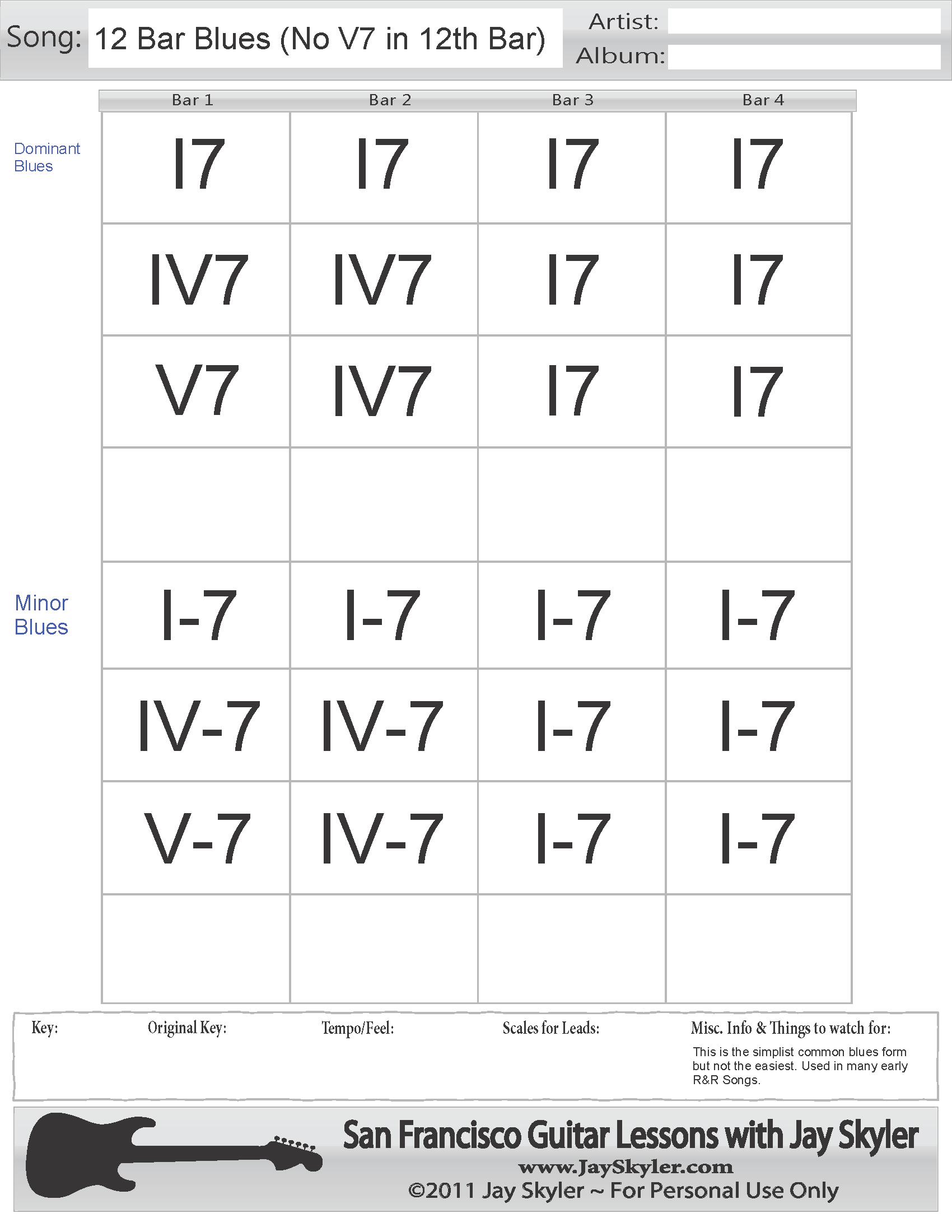
To play the 12 bar blues harmonica effectively, you must first internalize the structure of the 12-bar sequence. This progression is a cycle that repeats throughout a song, providing a predictable yet flexible framework for improvisation. The sequence is divided into three four-measure phrases.
The Three Phrases of Blues
- The Statement (Bars 1–4): Usually stays on the "I" chord (the root). This sets the theme or the "question" of the musical sentence.
- The Response (Bars 5–8): Moves to the "IV" chord for two bars and then returns to the "I" chord. This provides a variation or a partial answer to the initial statement.
- The Turnaround (Bars 9–12): Moves to the "V" chord, then the "IV" chord, then back to the "I" chord, ending with a "turnaround" that leads the listener back to the start of the next 12-bar cycle.
In the key of G (played on a C harmonica), these chords are G (I), C (IV), and D (V). Understanding these transitions is vital because the notes that sound "good" change as the band moves from one chord to the next.
Choosing the Right Gear: The Diatonic Harmonica
In 2026, the 10-hole diatonic harmonica remains the industry standard for blues. Unlike chromatic harmonicas, which have a button on the side, diatonics are tuned to a specific scale. However, blues players rarely play in the key the harmonica is labeled for.
Second Position (Cross Harp)
The "blues sound" is almost exclusively achieved by playing in Second Position, also known as Cross Harp. If the song is in the key of G, you use a C harmonica. This allows you to focus on the "draw" (inhale) notes, which are more easily "bent" to create those mournful, blue notes.
Quality Standards in 2026
When selecting an instrument, look for models with airtight construction and responsive reeds. Popular choices that have maintained their reputation for decades include:
- Hohner Special 20: Known for its plastic comb and comfort, making it the top choice for beginners.
- Hohner Marine Band 1896: The classic wood-comb sound used by legends like Little Walter.
- Suzuki Manji: A hybrid-comb harmonica that offers incredible durability and brightness.
- Seydel 1847: Features stainless steel reeds that last significantly longer than traditional brass.
The Breath of the Blues: Bending Notes
You cannot play 12 bar blues harmonica without learning to bend. Bending is a technique where you alter your oral cavity—changing the shape of your tongue and the pressure of your breath—to pull a reed's pitch down.
On a diatonic harmonica, the most important bends for the blues occur on the draw notes in holes 1 through 6.
- The 2-Draw Bend: This is the most crucial note in second-position blues. It provides the "flat 3rd," a quintessential blue note.
- The 4-Draw Bend: Provides the "flat 5th" or "blue note," often used for tension.
- The 3-Draw Bend: This hole actually has three different "bent" positions, allowing for incredible microtonal expression.
Bending requires a "K" or "Yoo" shape with the tongue. As you draw air in, pull the back of your tongue toward the roof of your mouth and slightly backward. You will feel the air pressure increase and the pitch drop. In 2026, digital tuners and mobile apps have made it easier than ever for students to verify they are hitting these bent notes accurately.
Navigating the 12-Bar Progression on the Harp
The following table illustrates what to play on a C Harmonica when playing a standard blues in G (Second Position).
| Bar Number | Chord | Primary Harp Action (C Harp in G) | Musical Purpose |
|---|---|---|---|
| 1 - 4 | I (G) | 2-Draw, 3-Draw, 4-Draw | Establishing the "Home" key and theme. |
| 5 - 6 | IV (C) | 1-Draw, 4-Draw, 6-Blow | Creating harmonic tension/rising action. |
| 7 - 8 | I (G) | 2-Draw, 3-Draw | Returning to the root for stability. |
| 9 | V (D) | 1-Draw, 4-Draw (slight bend) | Maximum tension; the "Climax." |
| 10 | IV (C) | 1-Draw, 4-Draw, 6-Blow | Easing back toward the root. |
| 11 - 12 | I / V (G/D) | 2-Draw / 1-Draw | The Turnaround; resets the cycle. |
Rhythm and the "Shuffle" Feel
The 12 bar blues harmonica isn't just about melody; it’s about rhythm. Most blues follows a "shuffle" or "swing" feel rather than a straight 4/4 beat. Instead of "1 and 2 and 3 and 4 and," the rhythm feels like "1-ah, 2-ah, 3-ah, 4-ah."
Chugging Techniques
Beginners should practice "chugging." This involves playing chords (usually holes 1, 2, and 3 simultaneously) in a rhythmic pattern. Try whispering the syllables "ta-ka, ta-ka" or "ha-da, ha-da" into the harmonica while breathing rhythmically. This mimics the sound of a steam train and provides a percussive foundation that is essential when playing solo or accompanying a guitarist.
Advanced Techniques: Vibrato and Hand Effects
Once you have mastered the 12-bar structure and basic bending, you can add texture to your playing through vibrato and hand effects.
Throat Vibrato
Unlike a "wa-wa" hand effect, throat vibrato comes from the diaphragm and throat. It involves a rapid, controlled pulsing of the air. This creates a shimmering effect on long-held draw notes, particularly on the 2-draw and 4-draw. It mimics the vocal vibrato of great blues singers.
Hand Cupping
By tightly cupping your hands around the harmonica, you create a resonant chamber. Opening and closing the "seal" of your hands creates the "wa-wa" sound. In 2026, this remains the primary way harmonica players manipulate acoustic tone before it even hits a microphone. A tight cup produces a muffled, bass-heavy tone, while an open hand allows the high frequencies to escape.
Common Mistakes to Avoid
Even experienced musicians can falter when adapting to the specific demands of the 12 bar blues harmonica.
- Playing Too Many Notes: The "space" between the notes is as important as the notes themselves. Beginners often try to fill every bar with fast licks. Listen to Big Walter Horton; he often played very few notes but placed them with perfect timing.
- Losing the Count: If you lose track of where you are in the 12-bar sequence, your improvisation will sound disconnected. Always tap your foot and stay aware of the IV and V chord changes.
- Blowing Too Hard: Diatonic reeds are delicate. Excessive force doesn't make the sound "bluesier"; it just puts the harmonica out of tune or breaks the reed. Tone comes from the shape of your mouth and resonance, not lung power.
- Ignoring the Turnaround: The last two bars of the 12-bar cycle are a specific "handshake" to the next verse. If you don't play a distinct turnaround lick, the transition back to Bar 1 can feel abrupt and amateurish.
Amplification and Tone in 2026
If you intend to play in a band setting, you must understand the "Chicago Blues" amplified sound. This involves playing through a high-impedance microphone (like the classic Shure 520DX "Green Bullet") into a small tube amplifier.
In 2026, digital modeling technology has advanced significantly, allowing players to achieve that vintage "overdriven" tube sound through small pedals or even mobile interfaces. However, the core principle remains: the "honk" and "crunch" of the blues comes from a combination of a tight hand-cup seal on the mic and the natural distortion of the amplifier’s preamp.
Building a Practice Routine
To master the 12 bar blues harmonica, consistency is more important than duration. Spend 20 minutes a day on the following:
- 5 Minutes: Single note clarity. Ensure you can play holes 1 through 10 (blow and draw) without hitting adjacent holes.
- 5 Minutes: Bending accuracy. Use a tuner to ensure your 2-draw and 3-draw bends are hitting the correct pitch.
- 10 Minutes: Playing along to a 12-bar blues backing track. Focus on hitting the root note of each chord change (G on the I chord, C on the IV chord, D on the V chord).
FAQ
What is the best key harmonica for a beginner to play blues?
A C-major diatonic harmonica is the standard recommendation for beginners. While the harp is in C, most instructional materials use it to teach the blues in the key of G (Second Position). Once you master the C harmonica, the skills transfer directly to other keys like A (for blues in E) or G (for blues in D).
Why does my 2-draw note sound flat or airy?
The 2-draw is often the most difficult hole for beginners. It requires a specific mouth shape to resonate properly. If it sounds "stuck," you are likely applying too much tension in your throat or tongue. Relax your jaw and imagine you are breathing "through" the harmonica rather than "at" it.
Do I need to read music to play 12 bar blues harmonica?
No. Most blues harmonica players use "tablature" (tabs), which uses numbers to represent the holes. A "4" means blow into hole 4, and a "-4" or "4D" means draw (inhale) on hole 4. Apostrophes or slashes are used to indicate bends.
How do I know when to switch from the I chord to the IV chord?
In a standard 12-bar blues, the switch to the IV chord happens at the start of the 5th measure. In many blues lyrics, this coincides with the start of the second line of the verse. Listening for the bass guitar or the change in the rhythm guitar's pattern will also give you a clear cue.
Can I play blues in First Position?
Yes, this is known as "Straight Harp." It was common in early folk-blues (like Jimmy Reed). However, it has a "brighter" and less "gritty" sound than Second Position because it relies more on blow notes and doesn't allow for the same deep draw bends.
Next Steps for Aspiring Players
To advance your skills, your next action should be to find a "Slow Blues" backing track in the key of G and practice your "12-bar roadmap." Focus exclusively on playing the 2-draw (the root note) every time the I chord appears, the 4-blow (or 1-draw) for the IV chord, and the 1-draw for the V chord. This will train your ears to recognize the chord changes naturally. As you become comfortable, start incorporating small "licks" or three-note patterns into the spaces between these structural notes.