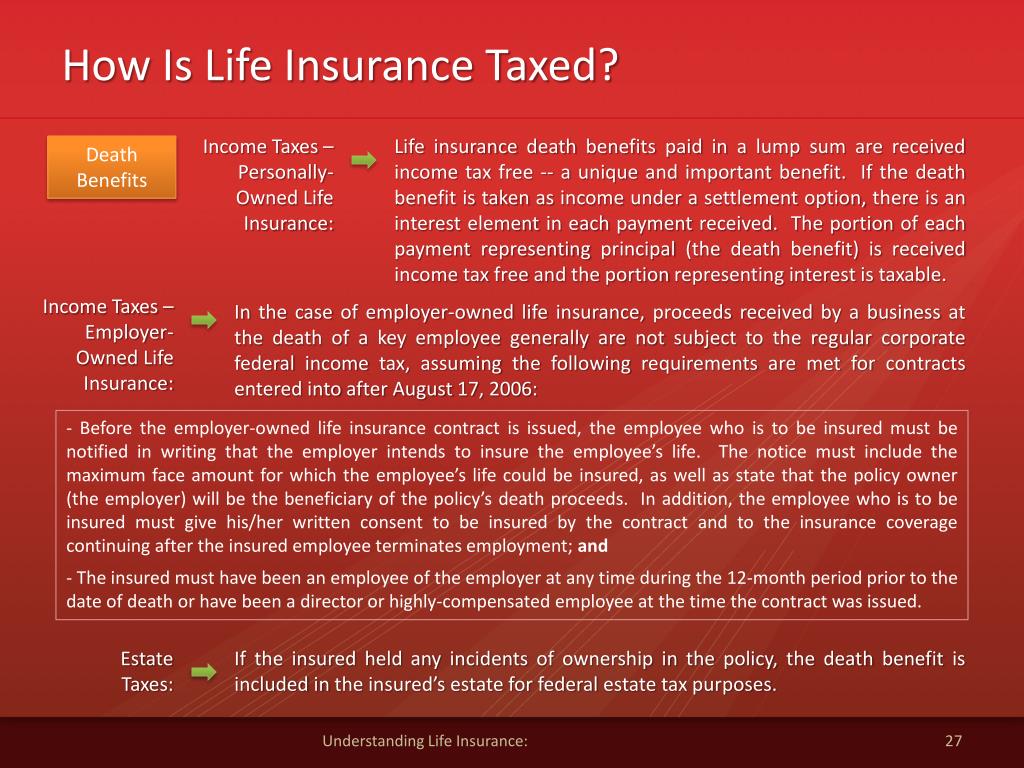
To understand whether a life insurance 1099-R taxable gain is subject to taxation, you must determine if the distribution represents a gain over your "investment in the contract," or cost basis. If the amount received exceeds your total premiums paid, that difference is generally considered taxable income. Distributions are reported on IRS Form 1099-R, and their taxability depends on the type of policy, the nature of the withdrawal, and whether the policy qualifies as a Modified Endowment Contract (MEC).
The Mechanics of Life Insurance and Taxable Distributions
Many policyholders view life insurance strictly as a death benefit protector. However, permanent life insurance products—such as Whole Life or Universal Life—often accumulate cash value. When you access these funds through withdrawals or policy loans, the Internal Revenue Service (IRS) requires documentation of these movements if they exceed certain thresholds.
The Form 1099-R is the standard tax document used to report distributions from pensions, annuities, retirement plans, IRAs, and insurance contracts. When you see a 1099-R associated with a life insurance policy, it usually indicates that you have received funds from the policy that potentially trigger a tax event. The most critical factor in this process is the "cost basis." The cost basis is the total amount of premiums you have paid into the policy, minus any previous non-taxable dividends or distributions you have already received.
Defining Taxable Gain vs. Non-Taxable Recovery
Under the "cost recovery" rules established by the Internal Revenue Code, you are generally allowed to withdraw an amount equal to your cost basis without incurring immediate income tax. Because you paid these premiums with "after-tax" dollars, the IRS does not tax you again when you retrieve that capital.
However, the situation changes once you begin withdrawing amounts that exceed your total premiums paid. This excess is referred to as "taxable gain." For example, if you have paid $50,000 in premiums and your policy’s cash value is $60,000, a full surrender would result in a $10,000 taxable gain. This gain is reported in Box 2a of Form 1099-R as the "Taxable amount."
The Modified Endowment Contract (MEC) Factor
A significant complication in life insurance taxation is the Modified Endowment Contract, or MEC. If a policy fails the "seven-pay test"—meaning the premiums paid into the policy exceed the limits set by the IRS during the first seven years of the policy—it is reclassified as a MEC.
When a policy is classified as a MEC, it loses the "first-in, first-out" (FIFO) tax treatment that typically applies to standard life insurance. Instead, it is subject to "last-in, first-out" (LIFO) taxation. This means that any withdrawal is considered to come from the interest (gain) first, rather than your cost basis. Consequently, almost every withdrawal from a MEC is fully taxable as ordinary income until all gains are exhausted. Additionally, if the policyholder is under age 59½, these withdrawals may be subject to a 10% penalty, similar to premature withdrawals from a retirement account.
How to Read Your Form 1099-R
If your insurance carrier sends you a 1099-R, it is essential to parse the data correctly to understand your tax liability. While the form itself is standardized, the codes in Box 7 are the most critical for identifying the nature of the distribution.
- Box 1 (Gross Distribution): This is the total amount paid to you from the policy.
- Box 2a (Taxable Amount): This is the portion of the distribution that the insurance company believes is subject to income tax.
- Box 2b: This box indicates if the taxable amount is "not determined" or if the "total distribution" box is checked.
- Box 7 (Distribution Code): This code provides the IRS with context. For instance, code "1" typically indicates an early distribution from a retirement plan, while other codes may signify surrenders or death benefit payouts that have specific tax treatments.
Comparison of Tax Treatments by Policy Type
The table below outlines how different types of insurance-related distributions are generally handled for tax purposes.
| Feature | Standard Life Insurance | Modified Endowment Contract (MEC) |
|---|---|---|
| Withdrawal Ordering | FIFO (Basis first) | LIFO (Gains first) |
| Taxability of Basis | Tax-free | Taxable if gains exist |
| Taxability of Gains | Taxed as income | Taxed as income |
| Early Withdrawal Penalty | None | 10% penalty (if under 59½) |
| Death Benefit Tax Status | Generally tax-free | Generally tax-free |
When Life Insurance Distributions are Tax-Free
It is a common misconception that all life insurance distributions are taxed. There are distinct scenarios where you can access your cash value or receive a payout without incurring a tax burden:
- Death Benefit Proceeds: The primary purpose of the policy is to provide for beneficiaries. Proceeds paid upon the death of the insured are generally received income-tax-free by the beneficiary.
- Policy Loans: In many cases, taking a loan against your cash value is not considered a taxable distribution. Provided the policy remains in force and does not lapse, you are borrowing against your own value rather than receiving a distribution of earnings. However, if the policy lapses while a loan is outstanding, the remaining loan balance may be treated as a distribution and become taxable.
- Return of Premium: As mentioned, recovering your own cost basis is not a taxable event, as it is simply a return of money you previously earned and paid into the system.
Steps to Take Upon Receiving a 1099-R
If you receive a 1099-R regarding your life insurance policy, follow these steps to ensure compliance and accurate reporting:
- Verify the Basis: Contact your insurance carrier to confirm your cost basis. Do not rely solely on the insurance company’s calculation in Box 2a if you have records suggesting a different basis, though you must be prepared to justify any discrepancy with documentation.
- Review the Code: Check Box 7 to ensure the distribution is being categorized correctly by the provider. If you suspect an error in the reporting code, contact the company's policy services department immediately for a correction.
- Check Against Policy Status: Determine if your policy has reached MEC status. If you were unaware of this status, you might be facing higher tax implications than you originally anticipated.
- Consult a Tax Professional: Because tax law regarding life insurance is nuanced and varies based on individual policy riders, dates of issuance, and total premiums paid, it is highly recommended to consult a CPA or tax advisor when filing your return. They can assist in cross-referencing your 1099-R with your personal records to ensure you are not overpaying.
Common Pitfalls and Troubleshooting
A frequent error is the assumption that the "Gross Distribution" shown in Box 1 is the amount subject to tax. Always look at Box 2a. If Box 2a is blank, the insurance company may have marked "Taxable amount not determined" in Box 2b. This places the onus on you (or your tax preparer) to calculate the gain.
Another issue arises when policyholders surrender a policy to pay off a loan. If the surrender value is used to extinguish an outstanding loan, the IRS views the total value released—including the amount used to pay the loan—as a constructive distribution. This can lead to a surprise tax bill if the total amount exceeds your basis.
Finally, keep records of all premiums paid from the inception of the policy. In the event of an audit, your ability to prove the cost basis is the only defense against the IRS taxing the entire distribution as gain. Store your original policy illustration, annual statements, and proof of premium payments in a secure location for at least seven years after the policy is terminated or surrendered.
Next Actions
If you have received a 1099-R, start by obtaining an "in-force illustration" from your insurance provider. This document will show your current cash value, the total premiums paid, and the current loan balance. Once you have these figures, determine your cost basis (Premiums Paid - Previous Distributions). If the distribution exceeds this basis, you should set aside funds for the resulting tax liability. If you are unsure how to report this on your federal tax return, work with a professional to correctly complete Schedule 1 and Form 1040, ensuring that you accurately represent your "gain" rather than the "gross distribution."