The development and deployment of genetically engineered salmon, colloquially known as "frankenfish," have reached a new stage in 2026 as production capacities scale and regulatory monitoring matures. Following the initial approval of the AquaAdvantage Salmon, industry focus has shifted toward the viability of second-generation growth enhancement technologies and the expansion of land-based containment facilities.
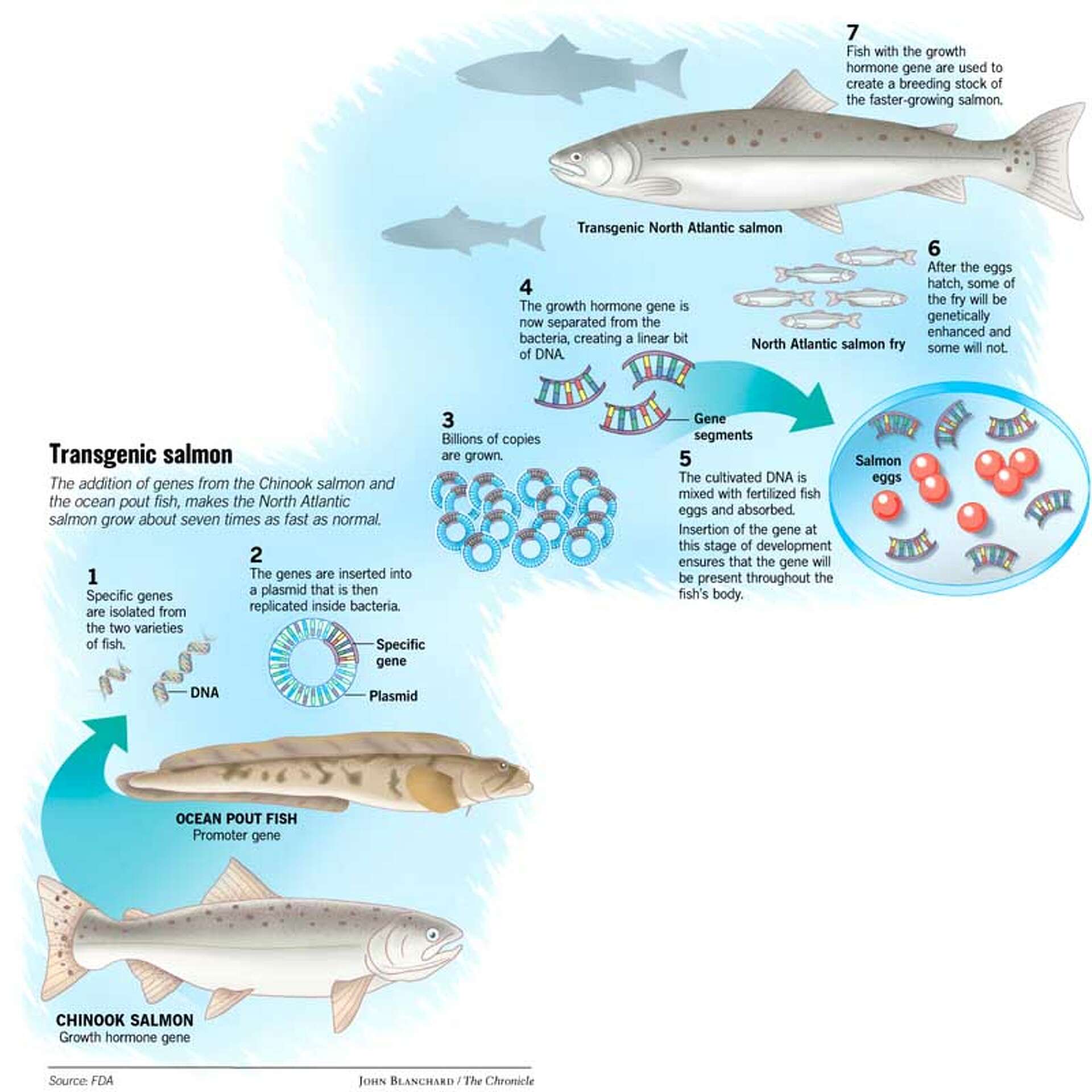
The term "Frankenfish 2" refers not to a singular, branded sequel product, but rather to the collective next wave of genetically modified aquatic organisms currently navigating the intersection of biotechnology, environmental regulation, and commercial aquaculture. While the primary AquaAdvantage salmon (the Salmo salar modified with Chinook salmon growth hormone and ocean pout genetic sequences) established the regulatory framework, the current landscape involves more complex genetic edits and localized, closed-loop farming systems.
The Genetic Architecture of Modern Aquaculture
To understand the updates surrounding these modified organisms, one must first distinguish between transgenic organisms and gene-edited organisms. The original "frankenfish" controversy centered on transgenic modification—the insertion of DNA from one species into another. As of 2026, the industry is transitioning toward CRISPR-Cas9 and other precision gene-editing techniques that allow for specific, targeted modifications without necessarily introducing foreign DNA.
These advancements are marketed as more efficient and less invasive than traditional transgenics. The primary technical goal remains the same: accelerating the growth cycle to reduce the time from egg to harvest. By shortening this window, producers can increase throughput in land-based Recirculating Aquaculture Systems (RAS), thereby minimizing the carbon footprint associated with shipping and traditional open-net pen farming.
Regulatory Landscape and Oversight in 2026
In 2026, the regulatory pathway for modified salmon remains bifurcated between food safety and environmental impact. In the United States, the Food and Drug Administration (FDA) maintains authority over the genetic modification as a "new animal drug." This classification requires rigorous data on the health of the fish, the stability of the genetic modification, and the safety of the product for human consumption.
The most significant update in recent years involves the maturity of Environmental Impact Statements (EIS). Because these organisms are designed for rapid growth, the primary regulatory concern remains containment. If such fish were to escape into the wild, their growth advantage could theoretically displace native populations. Consequently, the 2026 standards mandate:
- Multiple Physical Barriers: Facilities must maintain at least three independent, physical containment layers (screens, filters, and UV sterilization) to ensure no eggs or juveniles enter local watersheds.
- Biological Containment: The current generation of farmed modified salmon is exclusively female and triploid (having three sets of chromosomes instead of two), rendering them sterile. This biological fail-safe is the cornerstone of their environmental approval.
- Traceability Protocols: Supply chain transparency is now enforced through mandatory labeling requirements, ensuring that consumers can distinguish between conventional wild-caught, conventionally farmed, and genetically modified Atlantic salmon.
Comparing Production Methods: Then vs. Now
The following table outlines the technical and operational differences between early transgenic experiments and the current, matured production models utilized in 2026.
| Feature | First-Generation (Transgenic) | Modern 2026 Standard |
|---|---|---|
| Modification Type | Insertion of foreign DNA | Precision gene editing (CRISPR) |
| Growth Speed | 2x Faster than wild-type | 2.5x to 3x Faster than wild-type |
| Containment | Basic physical barriers | Multi-stage land-based RAS |
| Reproduction | Induced sterility (Triploidy) | Obligate sterility (Triploidy) |
| Feed Efficiency | Moderate conversion ratios | Optimized high-protein vegetable blends |
The Role of Recirculating Aquaculture Systems (RAS)
The "Frankenfish 2" era is inseparable from the adoption of RAS technology. Previous attempts to farm modified salmon faced criticism regarding the potential for escapes from coastal net pens. In 2026, the industry standard has shifted entirely to land-based, closed-loop facilities.
These facilities operate by recycling up to 99% of the water used in the tanks. Sophisticated filtration systems remove waste, balance oxygen levels, and maintain optimal temperatures, regardless of external weather conditions. This move to land-based systems has addressed several key critiques:
- Parasite Resistance: Because the fish are not in the ocean, they are naturally shielded from sea lice, which are a persistent problem in open-water farming. This reduces the need for chemical treatments or antibiotics.
- Carbon Neutrality Goals: By locating these facilities near major urban centers, producers are drastically reducing the "food miles" required to transport fresh salmon from remote coastal locations to grocery stores.
- Predictability: The controlled environment allows for precise management of growth metrics, leading to a more consistent product quality that mirrors the demands of the retail and restaurant sectors.
Economic Considerations and Market Adoption
The primary hurdle for modified fish in 2026 remains market perception rather than technical feasibility. While the scientific consensus generally supports the safety of these organisms, public sentiment continues to fluctuate. Producers have responded by focusing on the "sustainability narrative"—emphasizing that the rapid growth of these fish allows for a smaller environmental footprint per kilogram of protein compared to cattle or poultry.
Costs remain high due to the significant capital expenditure (CAPEX) required to build land-based facilities. Investors in 2026 are focused on the long-term ROI provided by increased harvest frequency. As the technology reaches parity with the cost of traditional farming, price points in retail environments have begun to stabilize, making them competitive with premium-grade conventional farmed salmon.
Common Misconceptions and Troubleshooting
As consumer interest grows, so does the prevalence of misinformation. Understanding the reality of these products is essential for informed purchasing.
Addressing the "Allergen" Concern A common question involves whether the genetic modification increases the allergenicity of the salmon. Current FDA findings indicate that the protein profiles of modified salmon are compositionally identical to non-modified salmon. There is no evidence that these fish pose a higher risk of allergic reaction to individuals with fish allergies.
Troubleshooting Quality Issues Some consumers report differences in texture or taste compared to wild-caught variants. This is typically not a result of the genetic modification itself, but rather the diet and environment of the fish. Fish raised in controlled RAS environments often have a different lipid profile than those living in the wild. If you find the flavor profile different, it is likely due to the highly regulated, consistent, and sustainable feed blends being utilized in current-year farming practices.
Frequently Asked Questions
1. Is "Frankenfish 2" currently available in grocery stores? Yes, products derived from genetically modified salmon are available in various markets, though availability depends heavily on regional retail policies. Always check the label, as current regulations require explicit disclosure regarding the genetic engineering of the animal.
2. How does the 2026 version differ from the original? The 2026 versions often utilize more refined genetic editing techniques and are exclusively grown in land-based closed-loop systems. The focus has shifted from mere existence to maximizing feed efficiency and environmental containment within these closed facilities.
3. Are these fish safe for children to eat? Regulatory bodies, including the FDA, have determined that these modified salmon are as safe to consume as conventional salmon. They provide the same nutritional benefits, including omega-3 fatty acids, proteins, and vitamins, with no identified increase in risk.
4. What is the environmental risk of an escape? Because the fish are engineered to be triploid and are strictly managed in land-based facilities, the risk of reproduction in the wild is effectively zero. The physical barriers required by current permits are designed to prevent even juvenile fish from reaching local water supplies.
5. Why are they called "Frankenfish"? This is a colloquial, pejorative term coined by opponents of biotechnology in the late 1990s and early 2000s. While it remains a popular media shorthand, it does not describe a scientific classification or an official product line.
Future Outlook and Next Actions
For those interested in the ongoing development of this technology, the next phase involves the expansion of genomic monitoring to ensure that the genetic modifications remain stable over multiple generations of breeding. If you are a consumer looking to navigate these options, the best course of action is to review the specific certification labels on your seafood products. Look for verifiable sustainability certifications and, if you prefer to avoid GMO products, prioritize labels that explicitly state "non-GMO" or "wild-caught."
As the technology continues to mature, look for upcoming reports from government agricultural departments regarding the long-term ecological data of land-based RAS facilities. These reports will be the primary source for understanding whether this model of aquaculture will become the global standard for protein production in the coming decade.