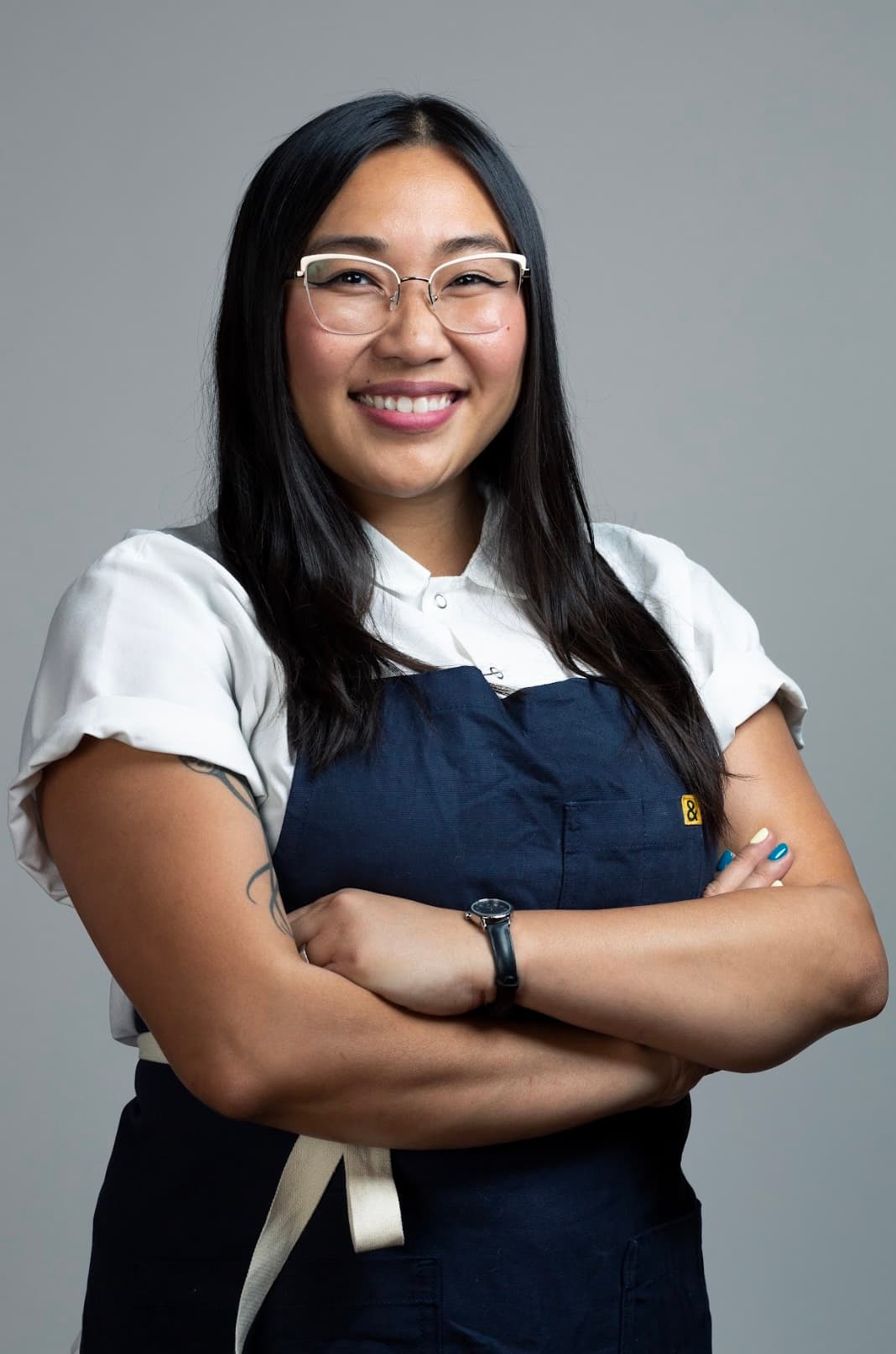
Kelsey Barnard Clark stands out as a defining Top Chef Kentucky winner for southern flavor lovers because she successfully elevated traditional Southern comfort cooking into sophisticated, Michelin-worthy cuisine without stripping away its soulful roots. Her victory on Bravo's culinary competition showcased regional American ingredients on a national stage, anchoring her legacy in the preservation and modern refinement of Southern culinary traditions.
The Cultural Significance of Top Chef Season 16
Bravo’s Top Chef series has long served as a definitive battleground for professional culinary talent, but Season 16, set primarily in Kentucky, carried unique cultural weight. The season embedded itself deeply in the heritage, agriculture, and traditions of the American South. From Louisville and Lexington to the rural bourbon trails and historic horse farms, contestants were forced to interact directly with the foundational ingredients of Southern cuisine—corn, sorghum, heritage pork, fresh river fish, and artisanal vinegars.
For southern flavor lovers, this season was a revelation. It moved the conversation beyond stereotypical representations of heavy, overly greasy diner food, demonstrating instead that Southern cooking is a nuanced, technically demanding culinary tradition. The contestants engaged with the complex history of the region, touching upon West African, European, and Indigenous influences that shaped modern southern gastronomy. Within this competitive landscape, Kelsey Barnard Clark emerged not merely as a victor, but as an ambassador for the contemporary Southern palate. Her background in deep Southern hospitality combined with rigorous French culinary technique allowed her to present dishes that resonated with both local purists and discerning critics.
Who Is Kelsey Barnard Clark?
Before claiming the coveted title on Top Chef Season 16, Kelsey Barnard Clark built a formidable culinary foundation that shaped her distinctive approach to flavor. Hailing from Dothan, Alabama, Clark grew up immersed in the agricultural abundance and home-style cooking of the Wiregrass region. Her early exposure to fresh produce, coastal influences from the nearby Gulf of Mexico, and traditional family gatherings instilled a deep respect for seasonal, local ingredients.
Her professional training took her far beyond home kitchens. Clark honed her knife skills and culinary discipline under acclaimed chefs in New York City, notably working at prestigious establishments like Café Boulud under chef Damien Hauck and luminary Daniel Boulud. This rigorous French training provided her with the technical framework needed to balance bold, rustic flavors with refined execution.
Upon returning to the South, she established herself as a formidable chef and entrepreneur in the region, eventually opening her own restaurant, KBC, in Dothan, Alabama. Her professional ethos bridges two worlds: the unpretentious, deeply comforting warmth of a Southern Sunday dinner and the precision, elegance, and high-level execution of a fine-dining establishment. This dual identity is precisely why her performance on Top Chef Kentucky resonated so deeply with audiences who appreciate both flavor and technical mastery.
Key Culinary Characteristics of Her Winning Style
What makes Clark stand out for fans of Southern flavor is her uncompromising commitment to authenticity paired with elevated execution. Her cooking avoids the trap of heavy-handed modernization that sometimes strips comfort food of its soul. Instead, she focuses on intensifying natural flavors through traditional methods while employing precise French techniques.
Several signature elements define her approach to Southern cuisine:
- Acid and Brightness: Many traditional Southern dishes rely heavily on fat, salt, and smoke. Clark frequently balances these elements with bright, clean acids—such as apple cider vinegar, citrus, or fermented preserves—to cut through richness and awaken the palate.
- Respect for Heritage Ingredients: She treats humble ingredients like field peas, collard greens, grits, and cornmeal with the same reverence usually reserved for truffles and foie gras, sourcing them from local farmers and emphasizing their distinct regional profiles.
- Balancing Textural Contrast: Her dishes often feature a careful interplay of textures, pairing creamy, slow-simmered elements with crisp, fried, or raw components to keep the dining experience dynamic.
- Pristine Seawater and Land Integration: Drawing from her proximity to both the deep rural South and the Gulf Coast, she seamlessly integrates coastal seafood into traditional inland preparations.
Flavor Profile Comparison: Traditional vs. Clark's Refined Southern Style
| Culinary Element | Traditional Home-Style Southern | Kelsey Barnard Clark's Refined Approach |
|---|---|---|
| Fats & Oils | Heavy reliance on rendered pork fat, butter, and heavy cream. | Utilizes rendered fats for deep flavor but balances with lighter oils and reduction sauces. |
| Acid Balance | Vinegar often added casually at the table via pepper sauce. | Acidity integrated directly into the cooking process to brighten heavy dishes. |
| Plating & Presentation | Rustic, family-style portions served informally on large platters. | Structured, elegant plating with intentional negative space and vibrant color contrasts. |
| Ingredient Sourcing | Local markets, family gardens, and regional community suppliers. | Direct partnerships with regional farmers paired with rigorous culinary selection standards. |
The Road to Victory on Top Chef Kentucky
Winning Top Chef requires far more than cooking one great meal; it demands adaptability, stamina, and consistency under immense pressure. Season 16 tested chefs across various environments, from cooking for legendary pitmasters at a Kentucky barbecue smokehouse to preparing high-end dishes inspired by the Kentucky Derby.
Throughout the competition, Clark demonstrated a remarkable ability to stay true to her culinary identity while executing complex creative challenges. When tasked with reinterpreting classic southern dishes, she avoided gimmicks. Instead, she leaned into her heritage, famously winning over judges like Tom Colcolic, Padma Lakshmi, and various high-profile guest chefs with flavors that tasted deeply personal and technically flawless.
Her finale meal in Macau, China, served as the ultimate test of her philosophy. Rather than abandoning her roots to appeal to international palates, she crafted a menu that paid homage to her Southern upbringing while incorporating global techniques. Her grits, pork, and regional vegetables were celebrated for their rich, comforting profiles, proving that Southern cuisine possesses a universal language of hospitality and flavor that transcends geographic borders.
Impact on Modern Southern Gastronomy
Clark’s victory marked a significant turning point in how national media and the culinary establishment view Southern food. For decades, regional American cooking was often pigeonholed as inexpensive, heavy, and unsophisticated. Chefs like Clark, alongside contemporaries who also championed Southern heritage on national stages, helped dismantle these outdated perceptions.
By demonstrating that Southern food can successfully occupy the fine-dining space without losing its identity, she inspired a new generation of cooks across Alabama, Georgia, the Carolinas, and beyond. Her success highlighted several vital shifts in contemporary food culture:
- Elevation of Regional Purists: Producers of heirloom seeds, stone-ground grits, and artisanal cured meats gained broader national recognition as viewers sought out the authentic ingredients highlighted on the show.
- Bridging the Gap: Her career proves that chefs do not need to abandon their cultural roots to earn respect in elite culinary circles; rather, deep regional knowledge can be a distinct competitive advantage.
- Empowerment of Women in Southern Kitchens: As a mother and a female entrepreneur succeeding in notoriously grueling environments, Clark became an influential role model for balancing intense professional ambition with regional culinary leadership.
Practical Guidance for Recreating Southern Flavors at Home
For home cooks inspired by Clark's philosophy, capturing authentic Southern flavor requires patience, quality ingredients, and an understanding of foundational techniques. Recreating this style does not require professional equipment, but it does demand attention to detail.
- Invest in Quality Cornmeal and Grits: Seek out stone-ground corn products from historic mills. The texture and natural corn flavor are vastly superior to mass-produced, quick-cooking alternatives.
- Master the Art of Seasoning in Layers: Do not wait until the end of cooking to season. Salt, fat, and acid should be introduced at different stages of the cooking process—especially when preparing beans, greens, and stocks.
- Embrace Slow Cooking with Purpose: Traditional dishes like collard greens or braised pork require time. Allow ingredients to simmer gently so connective tissues break down and flavors meld completely.
- Balance Richness with Acid: Always keep quality vinegars on hand. A splash of apple cider vinegar can instantly elevate a pot of beans or braised greens, brightening heavy fats.
Frequently Asked Questions
What season of Top Chef did Kelsey Barnard Clark win?
Kelsey Barnard Clark won Season 16 of Top Chef, which was primarily set in Kentucky and aired from 2018 to 2019. Her victory marked a historic win, making her the first woman to win the main US series in several seasons and the first winner representing Alabama.
What is the name of Kelsey Barnard Clark's restaurant?
She is the owner and executive chef of KBC, located in her hometown of Dothan, Alabama. The establishment operates as a bakery, lunch spot, and upscale dinner destination, reflecting her versatile culinary background.
How did Kelsey Barnard Clark incorporate her Southern roots into the competition?
She consistently utilized classic Southern flavor profiles—such as stone-ground grits, heritage pork, fresh local produce, and balanced vinegars—while applying rigorous French techniques learned during her professional training in New York City.
What makes Southern cuisine unique according to her culinary philosophy?
Southern cuisine is built on a foundation of hospitality, history, and agricultural abundance. Her philosophy emphasizes that the cuisine is not defined by heaviness, but by soulful flavor pairings, respect for seasonal ingredients, and the comforting emotional connection of shared meals.
Has Kelsey Barnard Clark published any cookbooks?
Yes, she authored Southern Grit: 100+ Down-Home Recipes for the Modern Cook, published in 2021, which provides home cooks with accessible yet elevated recipes inspired by her Southern heritage and professional experience.
Conclusion and Next Steps
Kelsey Barnard Clark's enduring appeal as a Top Chef Kentucky winner lies in her unwavering authenticity. She proved that deep-rooted Southern flavor, when executed with technical precision, holds a rightful place at the highest levels of global gastronomy. For culinary enthusiasts looking to explore her style further, visiting her establishment in Dothan, Alabama, exploring her published cookbook Southern Grit, or experimenting with traditional stone-ground grains and balanced acid profiles at home offer immediate ways to connect with her celebrated approach to food.