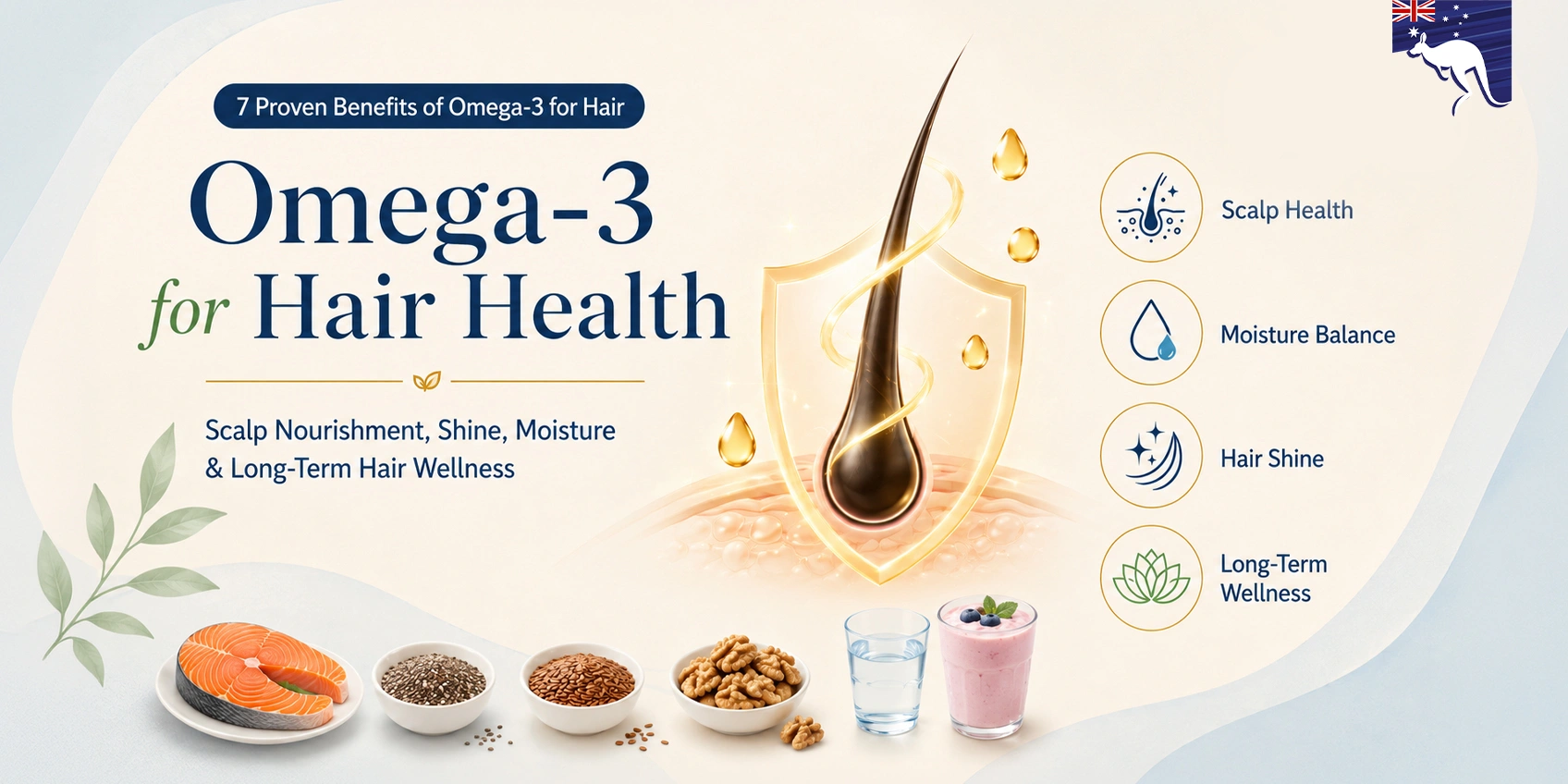
Omega-3 fatty acids support scalp health and follicle function by reducing systemic inflammation and improving localized blood circulation, which helps create an optimal biological environment for normal hair growth. While they are not a standalone cure for severe hair loss, maintaining adequate intake of these essential fats helps support the structural integrity and moisture balance of the scalp and hair shafts.
The quest for strong, lustrous, and thick hair often leads people down a labyrinth of topical treatments, expensive shampoos, and complex conditioning regimens. Yet, the foundational health of human hair begins beneath the surface, heavily influenced by systemic nutrition. Among the myriad dietary components studied for their dermatological benefits, omega-3 fatty acids occupy a prominent position. Understanding how these polyunsaturated fats interact with the human body clarifies their actual capabilities, separating evidence-based physiological effects from marketing exaggeration.
Understanding Omega-3 Fatty Acids and Their Biological Role
Omega-3 fatty acids are a family of polyunsaturated fats that play critical roles in human metabolic and cellular function. Because the human body cannot synthesize them independently in sufficient quantities, they must be obtained through diet or supplementation. The family comprises three primary molecules: alpha-linolenic acid (ALA), eicosapentaenoic acid (EPA), and docosahexaenoic acid (DHA).
ALA is predominantly found in plant sources such as flaxseeds, chia seeds, walnuts, and plant oils. Upon ingestion, the human body converts a small fraction of ALA into EPA and DHA, though this conversion rate is relatively inefficient. EPA and DHA are found primarily in marine sources, including fatty fish like salmon, mackerel, sardines, and herring, as well as in algal oil supplements.
At the cellular level, omega-3 fatty acids are incorporated into cell membranes throughout the body, including the cells that comprise the skin and hair follicles. They regulate membrane fluidity, modulate inflammatory pathways, and influence hormone production. Because hair follicles are among the most metabolically active and rapidly dividing organs in the human body, they require a steady supply of nutrients, oxygen, and regulatory molecules to function correctly. When systemic inflammation is suppressed and microcirculation is optimized through the presence of EPA and DHA, the cellular environment surrounding the hair root is better equipped to sustain the anagen (growth) phase of the hair cycle.
How Omega-3 Fatty Acids Influence Scalp and Follicle Health
The physiological connection between omega-3 intake and hair vitality is mediated primarily through the scalp—the biological soil from which hair grows. A compromised scalp environment, characterized by chronic micro-inflammation, dryness, or excessive sebum production, can negatively impact hair anchoring and shaft quality.
Reduction of Systemic and Localized Inflammation
Chronic inflammation can trigger various forms of hair shedding, including telogen effluvium and localized inflammatory alopecia conditions. Omega-3 fatty acids, particularly EPA, serve as precursors to anti-inflammatory eicosanoids and resolvins. By dampening pro-inflammatory cytokine cascades, omega-3s help protect hair follicles from immune-mediated damage and oxidative stress, which accelerates cellular aging in the follicle matrix.
Enhanced Scalp Circulation and Nutrient Delivery
Optimal blood flow is vital for delivering amino acids, vitamins, and minerals to the dermal papilla—the structure at the base of the hair follicle responsible for regulating hair growth. Omega-3 fatty acids help maintain vascular tone and endothelial function, promoting microcirculation in the capillaries that feed the scalp. Improved blood flow ensures that the matrix cells receive the high volume of nutrients necessary for rapid protein synthesis, specifically keratin production.
Moisture Regulation and Sebum Balance
The sebaceous glands in the scalp produce sebum, an oily substance that lubricates the skin and hair shaft. An imbalance in fatty acid profiles can lead to a compromised skin barrier, resulting in a dry, flaky, or overly irritated scalp. Omega-3s help regulate oil production and reinforce the skin barrier function, reducing transepidermal water loss and maintaining a hydrated scalp surface that resists irritation and flaking.
| Omega-3 Type | Primary Dietary Sources | Main Biological Conversion | Key Impact on Hair/Scalp |
|---|---|---|---|
| ALA (Alpha-Linolenic Acid) | Flaxseeds, chia seeds, walnuts, canola oil | Converted in small amounts to EPA and DHA | Supports general cell membrane structure and systemic health |
| EPA (Eicosapentaenoic Acid) | Fatty fish (salmon, mackerel, sardines), fish oil | Directly utilized by tissues | Reduces localized inflammation and supports scalp microcirculation |
| DHA (Docosahexaenoic Acid) | Fatty fish, algal oil supplements | Directly utilized by tissues | Maintains cellular membrane fluidity in rapidly dividing follicle cells |
Dietary Sources vs. Supplements: Which Is Better?
Achieving adequate daily intake of omega-3 fatty acids can be accomplished through whole foods or targeted supplementation. Each approach carries distinct advantages and considerations regarding bioavailability, purity, and convenience.
Incorporating Omega-3 Rich Foods
From a nutritional standpoint, consuming whole foods is generally preferred because it provides a synergistic matrix of protein, vitamins (such as vitamin D in fish), and minerals alongside the fatty acids.
- Marine Sources: Eating fatty fish two to three times per week satisfies standard nutritional recommendations for EPA and DHA. Wild-caught and farmed varieties both offer high concentrations of these beneficial fats, though fatty acid profiles can vary slightly based on feed composition.
- Plant-Based Sources: Vegetarians and vegans can rely on ALA from ground flaxseeds, hemp seeds, chia seeds, and walnuts. Because the conversion rate of ALA to EPA and DHA in the human body is low—often estimated at under 10% for EPA and even lower for DHA—individuals adhering strictly to plant-based diets should consider whether their absolute ALA intake is sufficient to compensate for this metabolic inefficiency.
Evaluating Omega-3 Supplements
When dietary intake of fish or plant sources is insufficient, supplements serve as a viable alternative.
- Fish Oil Capsules: The most common form of supplement, derived from the tissues of oily fish. Consumers should check labels for molecular distillation or third-party testing (such as USP, NSF, or IFOS) to ensure purity and freedom from heavy metals like mercury.
- Algal Oil: Derived directly from marine microalgae, algal oil provides a direct, vegetarian-friendly source of preformed DHA and EPA without the risk of marine contaminants or fishy aftertastes.
- Krill Oil: Harvested from Antarctic krill, these supplements contain omega-3s bound to phospholipids, which some studies suggest may improve cellular uptake, though overall efficacy is comparable to standard fish oil.
Common Misconceptions and Limitations
While omega-3 fatty acids are essential for overall health and contribute positively to hair conditioning, several common myths surround their capabilities. Clarifying these boundaries prevents unrealistic expectations.
Omega-3s Are Not a Cure for Genetic Hair Loss
Androgenetic alopecia (pattern baldness) is driven by genetic predispositions and the action of dihydrotestosterone (DHT) on susceptible hair follicles. While reducing inflammation can support overall follicle health, omega-3 fatty acids do not block DHT receptors or reverse advanced genetic miniaturization. Individuals experiencing progressive pattern hair loss require targeted medical interventions, such as minoxidil or 5-alpha-reductase inhibitors, rather than relying solely on dietary adjustments.
Results Require Consistency and Time
Hair grows at an average rate of approximately 0.5 inches (1.25 cm) per month. Consequently, any positive systemic intervention takes months to visibly manifest in the hair shaft emerging from the scalp. Users initiating an omega-3 supplementation protocol should anticipate a timeline of three to six months before noticing improvements in hair texture, reduction in excessive shedding, or enhanced scalp comfort.
Excess Dosage Risks
More is not always better. Consuming excessively high doses of omega-3 supplements (typically exceeding 3,000 mg per day of EPA and DHA combined) can thin the blood, increase the risk of bruising or bleeding, and cause gastrointestinal distress, nausea, or loose stools. Individuals taking anticoagulant medications should consult a healthcare provider before altering their supplement regimen.
Practical Steps to Optimize Hair Health Through Nutrition
Integrating omega-3 fatty acids into a comprehensive hair care strategy involves more than simply swallowing a pill. A holistic approach combines targeted dietary changes with supportive lifestyle habits.
- Assess Baseline Diet: Review weekly consumption of fatty fish, nuts, and seeds. If fish is consumed less than twice weekly, consider introducing a quality marine or algal supplement.
- Consult a Professional: Schedule an evaluation with a dermatologist or a registered dietitian, especially if experiencing sudden, unexplained hair shedding, as this can indicate underlying nutritional deficiencies, thyroid disorders, or hormonal imbalances.
- Monitor Quality and Dosage: Select third-party verified supplements and adhere to standard recommended dosages, typically ranging from 250 mg to 500 mg of combined EPA and DHA daily for healthy adults, unless otherwise directed by a clinician.
- Support with Micronutrients: Ensure adequate intake of other hair-essential nutrients, including protein, iron, zinc, biotin, and vitamin D, as hair health relies on a synergistic balance of multiple nutritional factors.
Frequently Asked Questions
Can omega-3 fatty acids stop hair from falling out?
Omega-3 fatty acids can help reduce hair shedding caused by systemic inflammation, scalp dryness, or nutritional deficiencies. However, they will not stop hair loss driven by genetic factors, autoimmune conditions (such as alopecia areata), or severe hormonal imbalances. A medical evaluation is necessary to diagnose the root cause of excessive hair fall.
How long does it take to see hair improvements after taking fish oil?
Because hair grows slowly—roughly half an inch per month—it typically takes three to six months of consistent omega-3 intake to observe visible changes in the strength, texture, and shedding rate of new hair growth.
Are plant-based omega-3 sources as effective as fish oil for hair?
Plant sources provide alpha-linolenic acid (ALA), which the human body converts into EPA and DHA with low efficiency. While plant-based omega-3s support overall health, individuals relying exclusively on plant sources may need higher total quantities of ALA or should consider algal oil supplements to ensure adequate direct intake of EPA and DHA.
Can applying fish oil directly to the scalp improve hair growth?
Applying fish oil topically is generally discouraged. It can leave a heavy, unpleasant residue, clog hair follicles, attract dirt and bacteria, and cause strong, undesirable odors. Omega-3s exert their beneficial effects primarily through systemic ingestion and internal cellular incorporation rather than surface application.
Are there any side effects of taking omega-3 supplements for hair?
Standard doses of omega-3 supplements are well-tolerated by most people. Mild side effects can include fishy burps, mild indigestion, or loose stools. High doses can increase bleeding risks, so individuals with bleeding disorders or those taking blood thinners must exercise caution and seek medical guidance.
Conclusion and Next Actions
Omega-3 fatty acids serve as valuable nutritional tools that support scalp health, reduce micro-inflammation, and optimize the biological environment necessary for normal hair growth. While they do not reverse genetic hair loss or serve as a miraculous cosmetic fix, maintaining adequate levels of EPA and DHA contributes to stronger, more resilient hair strands over time. To take action, evaluate your current dietary intake of healthy fats, consider incorporating sustainable marine or plant-based sources into your weekly meal planning, and consult a qualified healthcare professional or dermatologist if you are managing persistent hair thinning or scalp conditions.