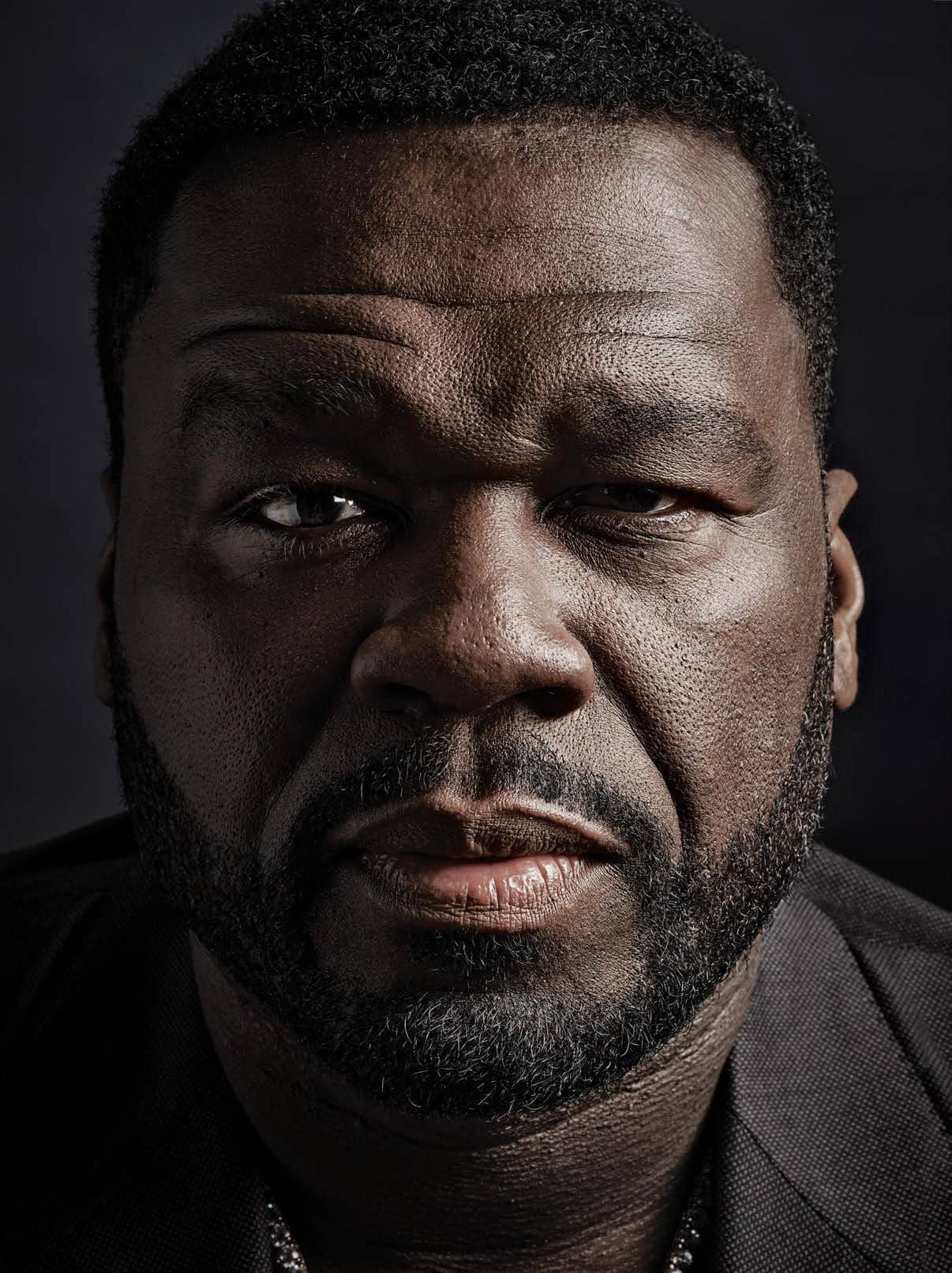
Curtis "50 Cent" Jackson transitioned from a dominant force in the hip-hop industry to a multifaceted media mogul by consistently applying one core business insight: maintaining absolute ownership of intellectual property and utilizing vertical integration to maximize long-term equity rather than settling for short-term endorsement checks.
Introduction: Beyond the Mic
When examining the trajectory of Curtis "50 Cent" Jackson, observers frequently focus on his chart-topping music catalog or his acting roles. However, analyzing his enduring impact reveals a profound masterclass in modern entertainment entrepreneurship. While many artists trade their creative output for upfront lump sums, Jackson's defining strategy relies on retaining equity, controlling distribution channels, and treating every creative venture as a foundational asset. This comprehensive examination explores how one fundamental insight—ownership over endorsement—drives his business empire, spanning television production, spirits, and digital media.
The Genesis of the Ownership Paradigm
To understand Jackson’s approach to commerce, one must examine his entry into the mainstream music market. Following the massive success of his 2003 debut studio album, Get Rich or Die Tryin’, Jackson quickly realized that traditional record contract structures often left artists vulnerable to exploitation, relinquishing the true long-term value of their master recordings.
Rather than remaining a standard recording artist dependent on label benevolence, Jackson pivoted toward establishing independent leverage. This early friction with traditional gatekeepers forged a philosophy that he would later apply to television, film, and corporate partnerships: never be merely a talent; always be the proprietor.
From Artist to Executive
- Leveraging Influence: Using his personal brand as a springboard to negotiate unprecedented profit-sharing models.
- Rejecting Pure Endorsements: Turning down lucrative one-off promotional deals in favor of equity stakes—most notably demonstrated during his early involvement with Vitaminwater.
- Contradicting Industry Norms: Demanding executive producer credits and creative control long before it became common practice for crossover musicians.
The Cornerstone Case: The Vitaminwater Masterclass
The most frequently cited textbook example of Jackson's business acumen occurred with Glacéau Vitaminwater. In 2004, rather than accepting a standard cash fee to endorse the beverage, Jackson negotiated a minority equity stake in exchange for his likeness, promotional reach, and active involvement in developing a signature flavor, Formula 50.
When The Coca-Cola Company acquired Glacéau for $4.1 billion in 2007, Jackson’s equity stake yielded an estimated payout of $100 million after taxes. This monumental transaction validated his core insight on a global scale, proving that retaining equity in an emerging product vastly outperforms traditional endorsement fees.
Comparative Analysis of Monetization Models
| Monetization Strategy | Primary Mechanism | Financial Risk | Long-Term Equity Potential | Jackson's Preference |
|---|---|---|---|---|
| Traditional Endorsement | Upfront cash for promotional rights | None | Zero | Rejected in major deals |
| Equity Partnership | Stake in company for likeness and promotion | Moderate | High | Primary strategy |
| Independent Production | Self-financing or co-financing content | High | Maximum | Standard practice in television |
Television Domination: The Starz Partnership and G-Unit Film & Television
Having conquered the beverage market, Jackson applied his ownership philosophy to the television industry. In 2018, he signed a landmark multi-year production deal with Starz, creating the sprawling Power universe.
Rather than acting merely as an actor or executive producer for hire, Jackson built G-Unit Film & Television into an independent production powerhouse. By maintaining a tight grip on the intellectual property rights associated with the Power franchise and its subsequent spin-offs (Power Book II: Ghost, Power Book III: Raising Kanan, and Power Book IV: Force), he ensured that his production company continued to generate revenue and leverage across multiple seasons and syndication deals.
Key Pillars of His Television Strategy
- IP Retention: Keeping ownership rights within G-Unit Film & Television rather than selling outright to major studios.
- Universe Building: Expanding a single successful premise into interconnected franchises to capture audience loyalty.
- Strategic Platform Mobility: Utilizing high-visibility premium cable networks while retaining the flexibility to shop unscripted and scripted projects to competing streaming platforms.
Financial Resilience and Asset Diversification
Jackson’s business career has not been without turbulence. His high-profile 2015 Chapter 11 bankruptcy reorganization highlighted the complex realities of managing sprawling liquidity, litigation expenses, and asset portfolios. However, the restructuring process ultimately served as a crucible that refined his administrative discipline.
In the years following his emergence from bankruptcy supervision, Jackson systematically diversified his portfolio across spirits (such as Branson Cognac and Le Chemin du Roi Champagne), apparel, and digital media. This diversification ensures that a downturn in one sector—such as traditional television advertising—is cushioned by resilient consumer goods markets.
Operational Checklist for Creative Entrepreneurs
- Audit Your Contracts: Review all legacy agreements to identify lost ownership or unmonetized intellectual property.
- Prioritize Equity Over Cash: When entering new commercial partnerships, negotiate for ownership percentages rather than flat fees.
- Build Proprietary Infrastructure: Invest in independent production companies or distribution channels to reduce reliance on third-party gatekeepers.
- Maintain Diversified Revenue Streams: Spread financial exposure across distinct industries, such as consumer packaged goods, media production, and live entertainment.
Frequently Asked Questions
What is the single most important business lesson from Curtis "50 Cent" Jackson?
The primary lesson is the absolute necessity of retaining equity and intellectual property ownership. Jackson consistently demonstrates that long-term wealth in entertainment and consumer goods is generated by owning the underlying asset rather than trading labor or likeness for short-term fees.
How did the Vitaminwater deal impact Jackson's career?
His equity partnership with Glacéau Vitaminwater, initiated in 2004, resulted in an estimated $100 million payout when Coca-Cola acquired the company in 2007. This success established his credibility as a serious venture capitalist and informed his subsequent business negotiations.
What role does G-Unit Film & Television play in his enterprise?
G-Unit Film & Television serves as Jackson's primary vehicle for producing scripted and unscripted content, most notably the Power franchise. By operating through his own production company, he retains creative control and financial upside in his television projects.
Did Jackson face financial difficulties before building his modern empire?
Yes. In 2015, Jackson filed for Chapter 11 bankruptcy protection to reorganize his finances amidst significant legal judgments and restructuring. He successfully emerged from bankruptcy ahead of schedule by streamlining his assets and focusing on high-margin production and endorsement ventures.
How does Jackson approach the liquor industry?
Jackson applies his ownership model to the spirits sector through brands like Branson Cognac and Le Chemin du Roi Champagne. Rather than serving as a celebrity spokesperson, he acts as an active brand owner, managing distribution relationships and marketing campaigns directly.
Conclusion and Next Actions
Curtis "50 Cent" Jackson's business evolution offers a clear blueprint for modern creators and entrepreneurs. By rejecting superficial endorsement deals in favor of equity stakes, maintaining rigorous control over intellectual property, and diversifying across media and consumer goods, he transformed transient pop-cultural fame into lasting financial infrastructure. To apply this insight, business leaders and creators should audit their current agreements, prioritize ownership in new ventures, and build independent operational structures that withstand industry shifts.