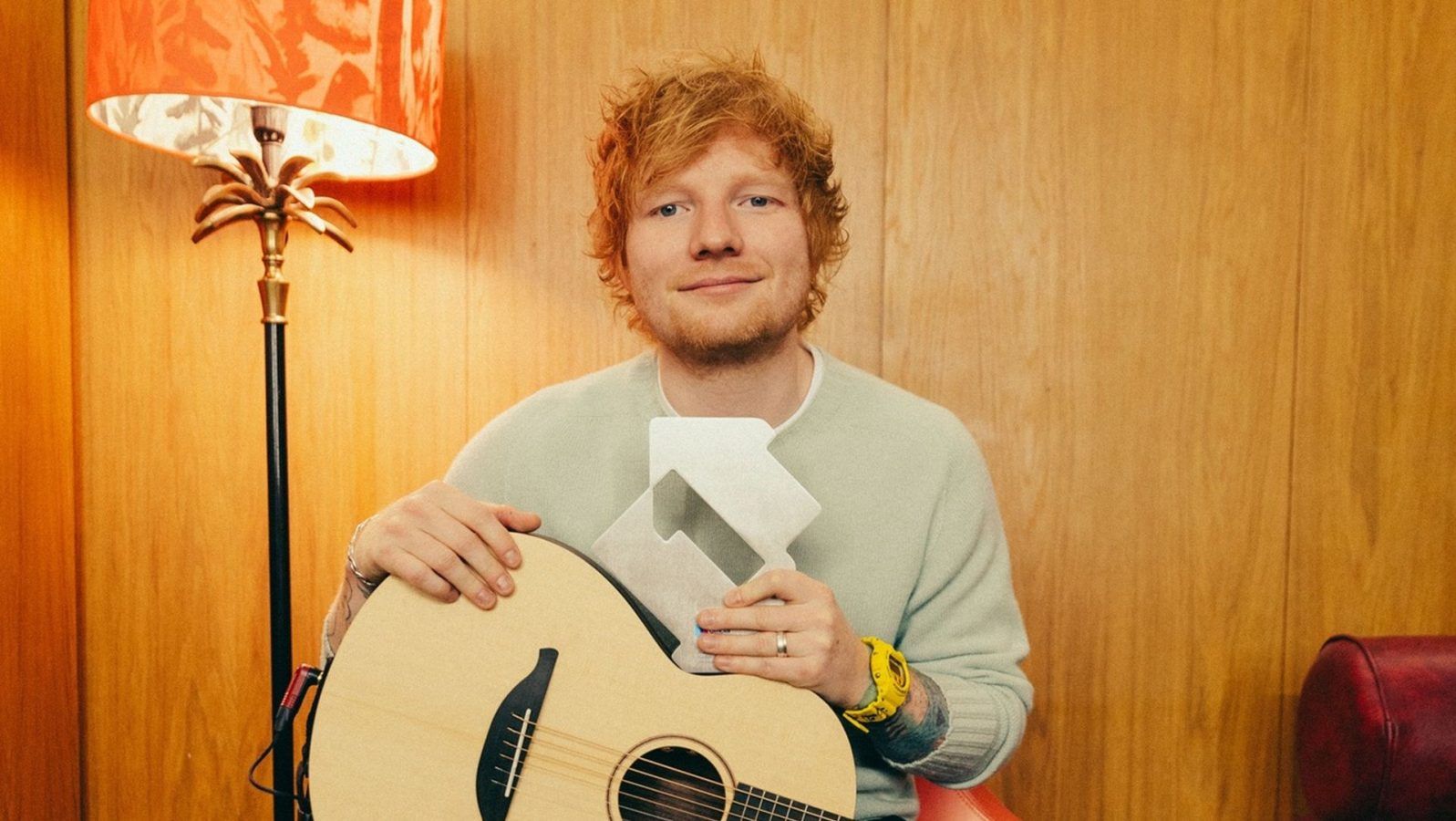
Ed Sheeran significantly impacted mainstream fashion through his "anti-fashion" aesthetic, which challenged the polished glamour of 2017 celebrity culture, while simultaneously reaching a career-defining financial milestone. During that year, he solidified his status as a global pop powerhouse, with his net worth estimated at approximately £52 million, driven by the massive success of his third studio album, ÷ (Divide).
The Rise of the Relatable Icon: Ed Sheeran’s Fashion Identity
In the mid-2010s, the global pop landscape was dominated by highly curated images. Stars frequently wore high-fashion labels, intricate couture, and trend-setting streetwear. Ed Sheeran’s emergence as a chart-topping artist disrupted this model. By 2017, Sheeran had established a signature look that prioritized comfort, accessibility, and a rejection of traditional celebrity artifice. His wardrobe—often consisting of plain hoodies, check shirts, graphic tees, denim jeans, and basic sneakers—served as a psychological bridge between the performer and the audience.
This sartorial choice was not merely an aesthetic preference; it was a branding masterstroke. By refusing to conform to the polished expectations of the music industry, Sheeran reinforced his persona as the "everyman." Fans saw themselves in him, creating a level of intimacy that few other artists of his caliber could replicate. His influence on fashion in 2017 was characterized by the normalization of the "low-effort" look. Retailers saw a shift in consumer demand during this period, with a move toward "normcore" and casual comfort, echoing the style choices of high-earning artists who deliberately dressed down.
Furthermore, Sheeran’s refusal to undergo a "glamorous makeover" during his rapid ascent sent a message to a younger demographic: that authenticity and talent could supersede traditional aesthetic standards. This helped pave the way for a more relaxed approach to celebrity fashion in the following years, where personal comfort began to share the stage with high-fashion brand endorsements.
2017: The Financial Tipping Point
The year 2017 was transformative for Ed Sheeran’s personal wealth. The release of his album ÷ (Divide) in March 2017 served as the primary catalyst for his exponential financial growth. This project included global chart-topping hits such as "Shape of You" and "Castle on the Hill," which ensured constant revenue streams through streaming royalties, mechanical licenses, and performance rights.
By the end of 2017, Sheeran’s net worth was reported by various financial trackers, including The Sunday Times Rich List, to be approximately £52 million. This figure represented a significant leap from previous years, reflecting the massive scale of his recording contracts and the early projections for his "Divide Tour."
Factors Contributing to 2017 Wealth Growth
The accumulation of wealth in the music industry is rarely the result of a single stream. For an artist of Sheeran’s stature in 2017, the financial landscape was complex and multi-dimensional:
- Album Sales and Streaming: Despite the decline of physical media, Divide broke multiple streaming records. In the United Kingdom and internationally, the album's dominance on platforms like Spotify and Apple Music provided a consistent, high-volume income source that did not rely on traditional unit sales.
- Songwriting Royalties: One of the most overlooked aspects of Sheeran’s wealth is his background as a songwriter. By writing for himself and other artists, he accumulated significant publishing royalties. Even when he was not performing, his catalog was actively generating revenue through radio play and public performance rights.
- Touring Revenue: Although the bulk of the "Divide Tour" revenue would peak in later years, the 2017 legs of the tour provided the cash flow necessary to solidify his net worth. Concert touring remains the most lucrative segment for top-tier artists, with ticket sales, merchandise, and premium seating packages forming the backbone of the enterprise.
- Brand Synergy: Unlike other pop stars, Sheeran rarely leaned into traditional fashion sponsorships or luxury goods endorsements in 2017. His financial growth was organic, derived almost entirely from his intellectual property (music and lyrics) rather than the commercialization of his physical image or lifestyle.
Comparative Analysis: Wealth and Influence in the Music Industry
To understand Sheeran’s position in 2017, it is helpful to compare his business model with that of his contemporaries. While many stars leveraged their fashion influence to secure multi-million-dollar endorsement deals with luxury houses (such as Gucci, Dior, or Adidas), Sheeran maintained a financial model centered on pure musical output.
| Financial Aspect | Ed Sheeran (2017) | Traditional Pop Star Model |
|---|---|---|
| Primary Income Source | Recording, Touring, Songwriting | Endorsements, Licensing, Brand Deals |
| Fashion Strategy | Anti-fashion, "Everyman" aesthetic | Trend-setting, luxury brand partnerships |
| Asset Base | Music Publishing, Touring Entity | Personal Brand, Fashion/Beauty Lines |
| Growth Driver | Streaming and Album Sales | Social Media Influence and Partnerships |
This comparison highlights that Sheeran’s net worth was built on long-term assets—his music catalog—rather than the transient, trend-driven income that often accompanies high-fashion celebrity status.
The Sustainability of the "Everyman" Brand
The synergy between Sheeran’s fashion choices and his financial growth is grounded in the concept of perceived authenticity. In 2017, consumers began showing increased skepticism toward heavily branded celebrity endorsements. By opting for a hoodie and jeans, Sheeran avoided the risk of "brand mismatch"—a scenario where an artist’s public image is compromised by corporate affiliations that conflict with their perceived values.
This choice allowed Sheeran to maintain a loyal fan base that felt he was "one of them." This loyalty is a significant intangible asset; it ensures that even as an artist's net worth grows, their connection to the demographic that fuels their streaming numbers remains intact. The financial success observed in 2017 was not despite his fashion choices, but partly because of them. He created an environment where the music was the sole focus, minimizing distractions that often arise when a celebrity enters the fashion sphere.
Addressing Common Misconceptions
There is often a misunderstanding regarding how celebrity wealth is calculated. It is important to note that a net worth figure of £52 million in 2017 refers to total assets—including cash, investments, and the valuation of his music catalog—rather than just liquid income.
Furthermore, some critics argued that his simple fashion sense was a calculated marketing ploy. However, whether intentional or not, the impact remained the same: it created a brand identity that was easy to maintain, highly scalable, and incredibly cost-effective. Unlike stars who required massive wardrobes and high-maintenance image consultants to stay relevant, Sheeran’s "maintenance cost" from an image perspective was minimal. This allowed him to focus his resources on production, touring logistics, and the creative process, further fueling the financial success of 2017.
Frequently Asked Questions
1. Was Ed Sheeran’s 2017 fashion style purely an aesthetic choice or a strategic one? His style was primarily an expression of his personal preference for comfort. However, it functioned as a strategic branding tool because it reinforced his "relatable" image, which helped differentiate him from more high-maintenance celebrity peers during a time of intense digital scrutiny.
2. How did his songwriting contribute to his 2017 net worth? Songwriting royalties are a recurring revenue stream. Because Sheeran writes his own music and contributes to the songs of other artists, he retains a percentage of the mechanical and performance rights. In 2017, with the massive consumption of Divide, these passive income streams were highly lucrative.
3. Did Ed Sheeran have any major fashion brand deals in 2017? No. Sheeran’s 2017 career was notable for its lack of traditional fashion brand partnerships. This was a deviation from the industry standard, where pop stars typically supplement their income through campaigns with luxury or sportswear labels.
4. Why is the year 2017 significant for his financial growth? 2017 saw the release of his third studio album, Divide, which shattered streaming records. This provided the foundation for his massive global tour and solidified his financial standing as one of the world's highest-earning musicians, moving his net worth into a new, higher bracket.
5. How does Ed Sheeran’s approach to wealth differ from other celebrities? Sheeran focuses on the "intellectual property" side of the industry. While many celebrities diversify into fashion lines, beauty brands, or real estate, Sheeran primarily invested in his own musical output, ensuring that the bulk of his earnings remained directly tied to his creative work.
Conclusion and Next Actions
For those analyzing the trajectory of high-earning artists, Ed Sheeran’s 2017 experience serves as a definitive case study in the power of brand consistency and IP-focused growth. His influence on fashion was not found in what he wore, but in his choice to prioritize his identity over trends, while his financial success was firmly rooted in the massive scale of his musical output.
To further explore this subject, consider examining the public filings of music publishing entities or reviewing independent financial reporting from reputable outlets like Forbes or The Sunday Times regarding annual musician earnings. These sources provide a granular look at how touring and mechanical royalties are divided, offering a deeper understanding of the modern music business model.