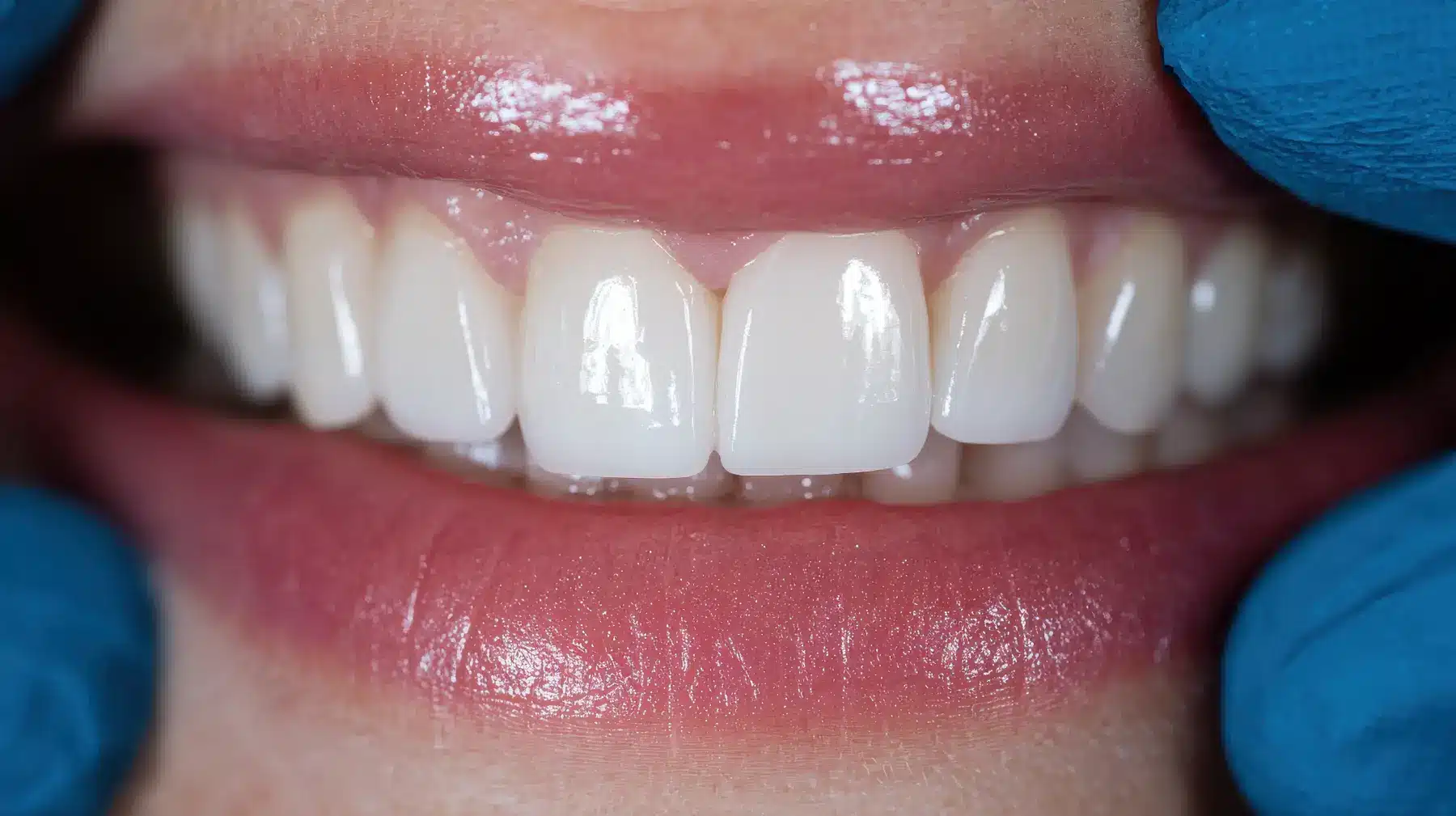
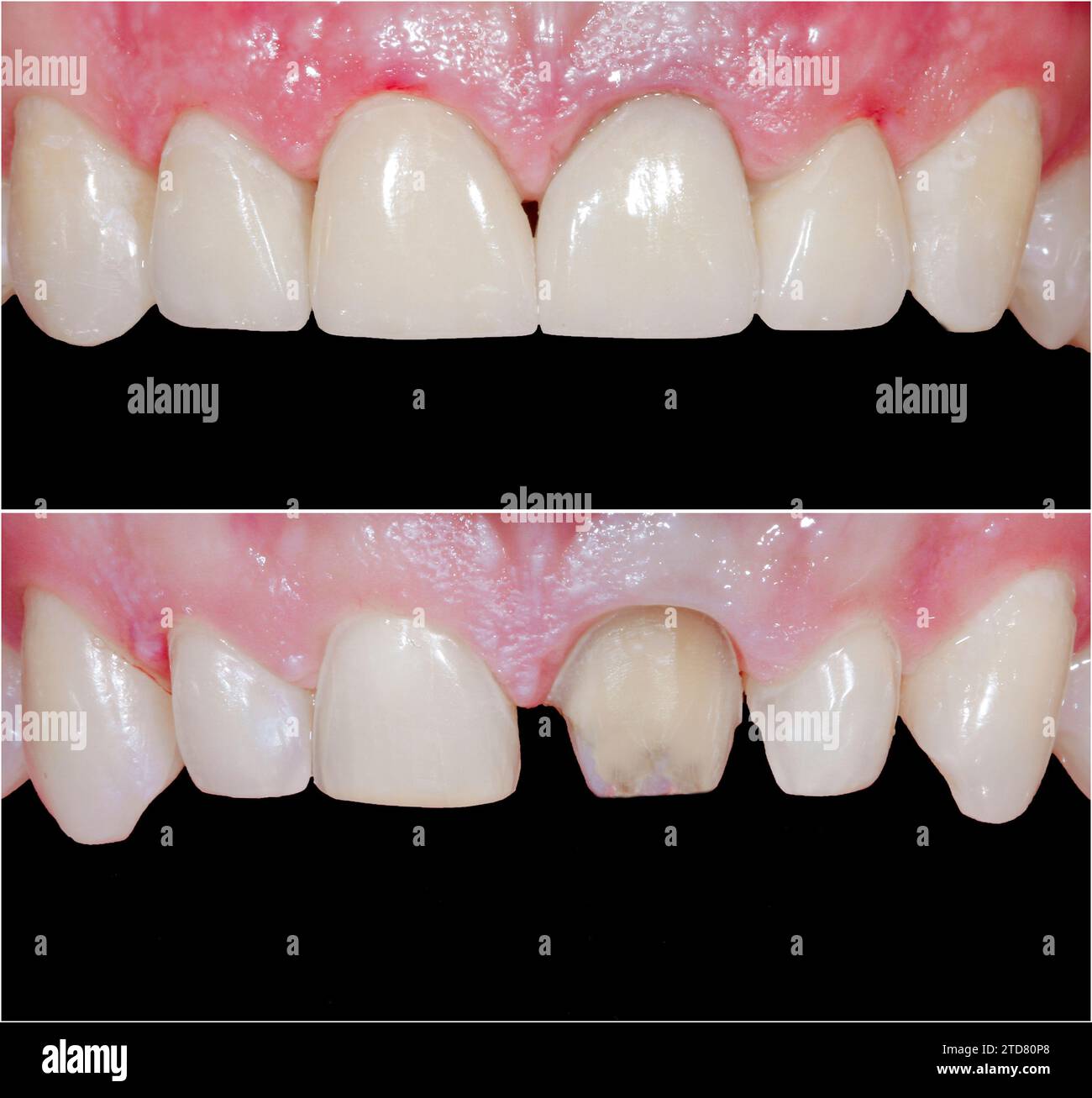
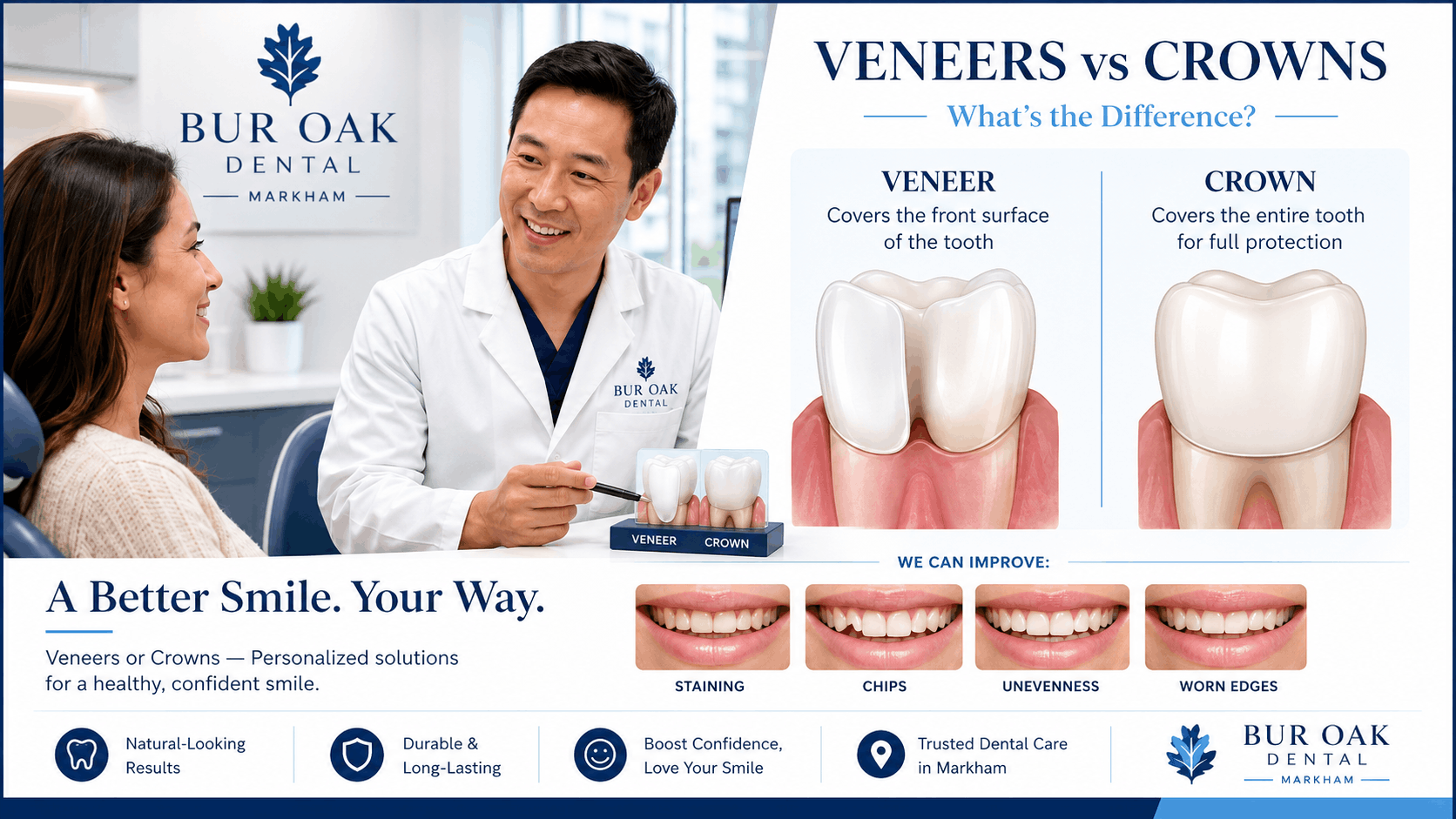
While both dental veneers and crowns are custom-made restorations designed to improve the appearance and function of teeth, they are fundamentally different treatments with distinct purposes, preparation requirements, and structural designs. A veneer covers only the front surface of a tooth primarily for cosmetic enhancement, whereas a crown encases the entire visible portion of a tooth above the gumline to restore its strength, structural integrity, and long-term protection.
Understanding Dental Restorations: An Overview
When patients visit a dental clinic seeking to correct chipped, discolored, worn, or misshapen teeth, practitioners often present multiple restorative pathways. Among the most common are dental veneers and dental crowns. Although both options fall under the umbrella of fixed prosthodontics—meaning they are permanently cemented into place and cannot be removed by the patient—they serve distinct clinical objectives.
Misconceptions between the two procedures are widespread because both involve laboratory fabrication, precise shade matching, and the removal of natural tooth enamel. However, understanding the functional boundary between them is essential. A veneer is fundamentally a cosmetic shell designed to mask surface imperfections, while a crown is an engineering solution meant to protect a compromised tooth from fracturing under heavy bite forces.
What Is a Dental Veneer?
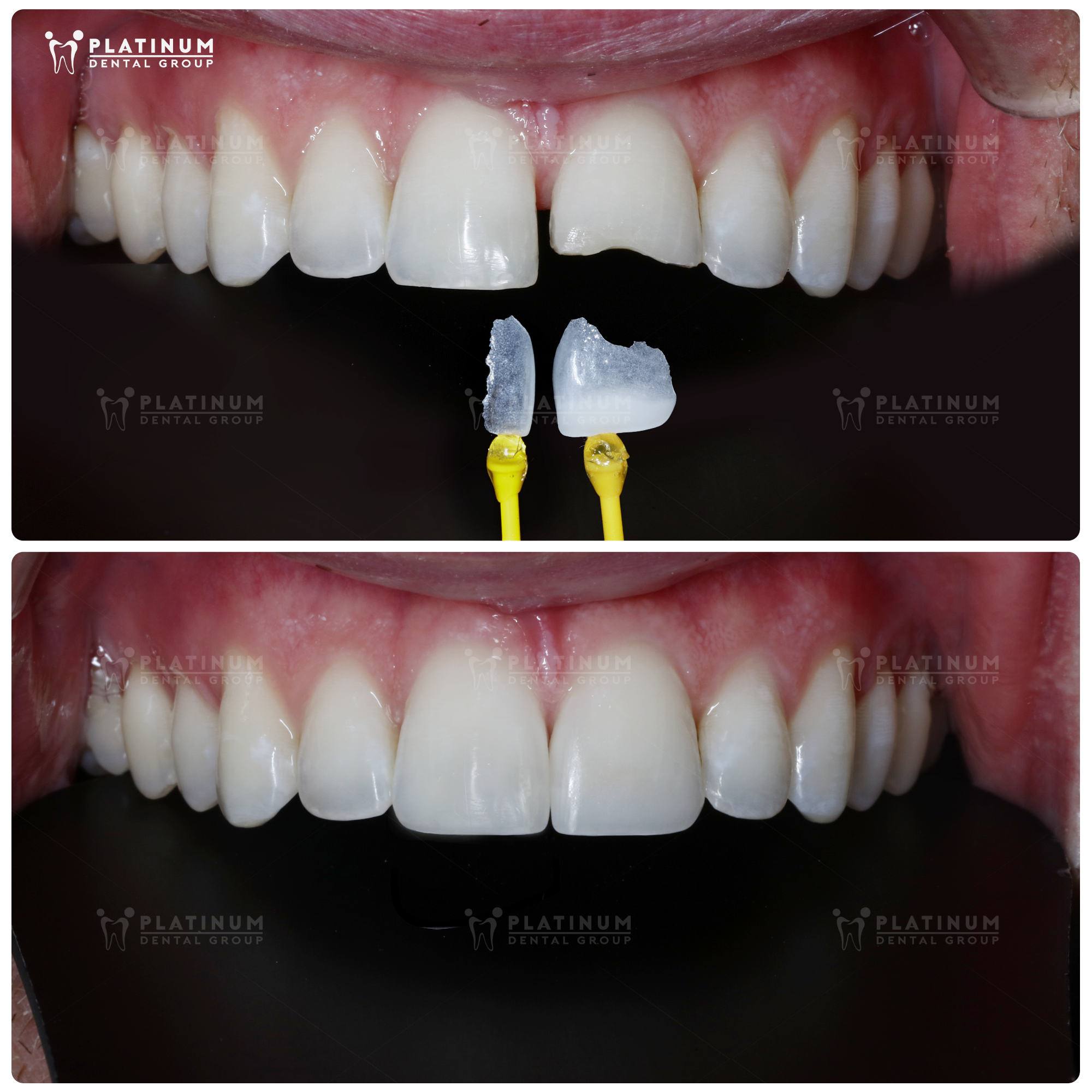
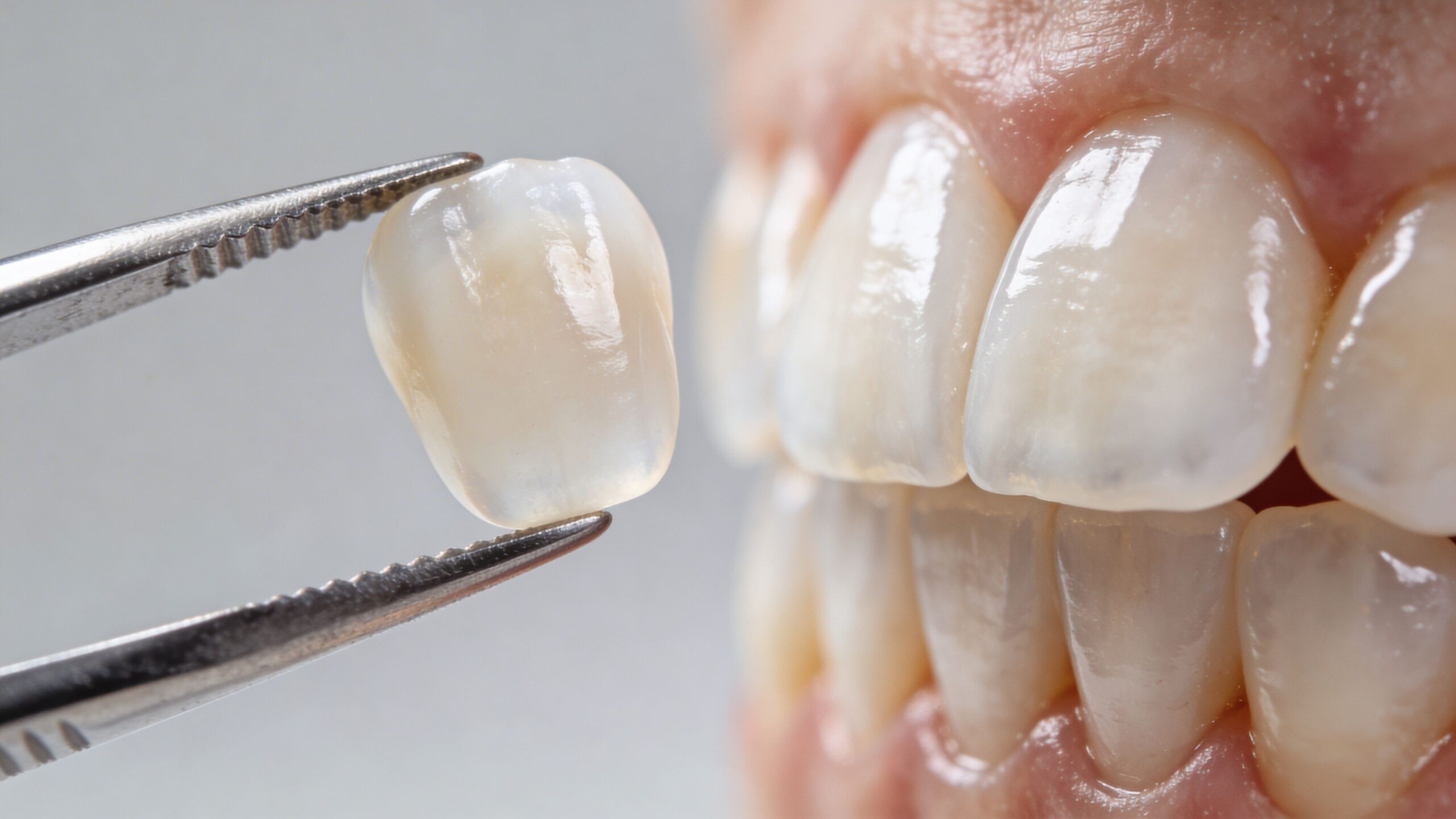
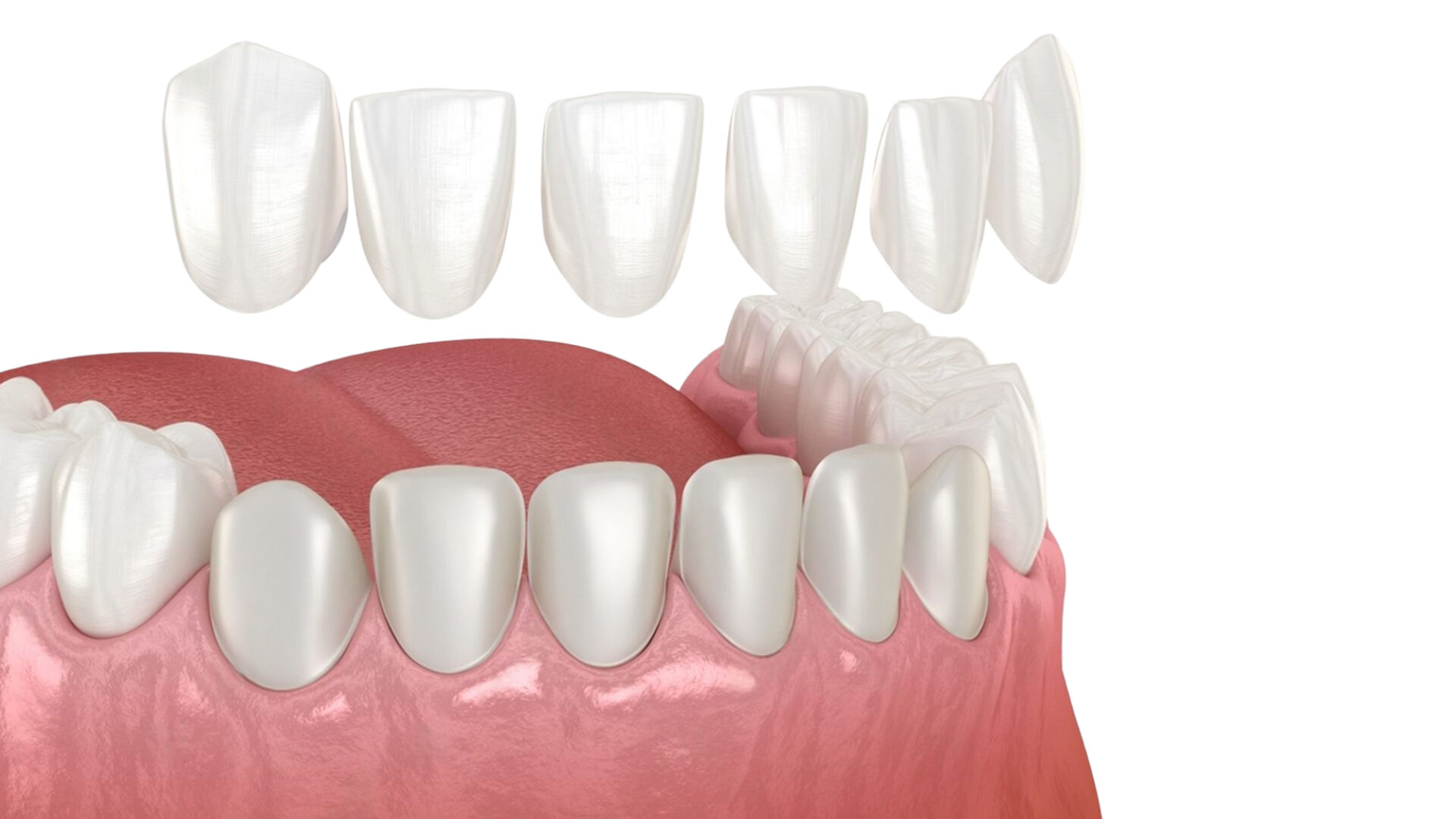
A dental veneer is a thin, custom-crafted shell—typically fabricated from porcelain, lithium disilicate, or composite resin—that is bonded exclusively to the facial (front) and incisal edge of a tooth. The primary goal of a veneer is aesthetic enhancement, making it a cornerstone of modern cosmetic dentistry.
Indications for Veneers
Veneers are typically recommended for patients with healthy, structurally sound teeth who wish to correct visual flaws. Common clinical indications include:
- Severe Discoloration: Stains that do not respond to professional teeth whitening, such as those caused by tetracycline antibiotics or fluorosis.
- Diastemas: Closing gaps or spaces between teeth without resorting to orthodontic braces.
- Minor Misalignment: Correcting the appearance of slightly crooked or rotated teeth where orthodontic movement is unfeasible or unwanted.
- Chipped or Worn Edges: Restoring the symmetrical length and contour of teeth worn down by bruxism or minor trauma.
The Procedure and Enamel Reduction
To accommodate a veneer, a dentist must typically remove a minimal amount of natural tooth enamel—usually between 0.3 millimeters and 0.7 millimeters from the front surface. This step ensures that the veneer sits flush with adjacent teeth and does not look bulky or unnatural. Once the enamel is prepared, an impression or digital scan is taken, and a dental laboratory fabricates the permanent shell. During a subsequent visit, the veneer is permanently bonded using a specialized resin cement that creates a micro-mechanical and chemical adhesion between the porcelain and the tooth structure.
What Is a Dental Crown?
A dental crown, often referred to as a "cap," is a rigid, hollow restoration that encases the entire visible portion of a tooth down to the gumline. Unlike a veneer, which relies on the underlying tooth for structural support, a crown acts as a protective helmet that distributes bite forces evenly across the root structure.
Indications for Crowns
Crowns are restorative and protective interventions necessitated by significant structural damage, decay, or endodontic treatment. Common clinical indications include:
- Extensive Decay: When a cavity is too large for a standard composite or amalgam filling, leaving insufficient natural tooth structure to support a filling.
- Root Canal Therapy: Teeth that have undergone root canals become brittle and are highly susceptible to fracture; a crown provides necessary reinforcement.
- Severe Fractures or Cracks: Holding together a cracked tooth to prevent catastrophic structural failure.
- Support for Bridges or Implants: Acting as an anchor for a multi-unit dental bridge or capping a single-tooth dental implant.
The Procedure and Structural Reduction
Preparing a tooth for a crown requires much more aggressive reduction than preparing for a veneer. The dentist must contour the tooth on all sides—reduction typically ranges from 1.0 to 2.0 millimeters circumferentially—to create adequate clearance for the thickness of the crown material. Crowns can be made from porcelain-fused-to-metal, full zirconia, lithium disilicate, or gold alloys, depending on the tooth's location in the mouth and aesthetic demands. Once fabricated, the crown is cemented over the entire remaining tooth structure, sealing it from bacteria and restoring full masticatory function.
Key Differences Between Veneers and Crowns
To clearly distinguish between the two treatments, it helps to examine their mechanical design, coverage area, and primary clinical purpose side by side.
| Feature | Dental Veneers | Dental Crowns |
|---|---|---|
| Primary Purpose | Aesthetic enhancement and cosmetic correction | Structural reinforcement, protection, and restoration |
| Tooth Coverage | Partial coverage (front surface and biting edge only) | Full coverage (360-degree encasement of the visible tooth) |
| Enamel Removal | Minimal (approx. 0.3mm to 0.7mm on the front) | Extensive (approx. 1.0mm to 2.0mm on all sides) |
| Structural Support | Relies entirely on underlying healthy tooth structure | Provides substantial structural support to weakened teeth |
| Common Placement | Anterior teeth (incisors and canines) | Posterior teeth (molars and premolars) as well as compromised anterior teeth |
Structural and Material Considerations
Both veneers and crowns leverage advanced dental materials designed to withstand the harsh mechanical environment of the human mouth, where biting forces can exceed hundreds of pounds per square inch, particularly in the molar regions.
Material Selection
- Porcelain and Ceramics: Both veneers and crowns frequently utilize advanced ceramics like lithium disilicate (e.g., IPS e.max) because they mimic the translucent light-reflecting properties of natural enamel.
- Zirconia: Primarily used for crowns due to its extreme flexural strength and fracture resistance, though highly aesthetic translucent zirconia formulations are increasingly utilized for anterior restorations.
- Composite Resin: Sometimes used for direct or indirect veneers as a more conservative and budget-friendly alternative, though they are more prone to staining and wear over time compared to porcelain.
Longevity and Maintenance
The lifespan of both restorations depends heavily on oral hygiene, parafunctional habits (such as teeth grinding or nail-biting), and regular professional maintenance. On average, high-quality porcelain veneers and crowns last between 10 to 15 years, and often longer with diligent care. Because margins exist where the restoration meets the natural tooth structure, patients must maintain strict brushing and flossing routines to prevent recurrent decay underneath the restoration.
Frequently Asked Questions
Can a veneer turn into a crown later?
Yes. If a tooth with a veneer suffers subsequent trauma, develops severe decay underneath, or fractures due to insufficient underlying structure, the veneer must be removed. The dentist will then re-prepare the tooth by reducing it circumferentially to fit a full dental crown.
Are veneers thicker or thinner than crowns?
Veneers are significantly thinner than crowns. A veneer is a shell measuring less than a millimeter in thickness, whereas a crown requires enough bulk to withstand heavy chewing forces without cracking, typically measuring 1.5 to 2 millimeters in thickness.
Do both procedures require local anesthesia?
In most cases, yes. While the enamel reduction for veneers is minimal, local anesthetic is frequently administered to ensure patient comfort during tooth preparation. Because crown preparation involves more extensive reshaping closer to the nerve space, local anesthesia is standard practice.
Which option looks more natural?
Both options can look exceptionally natural when fabricated by a skilled ceramicist. However, veneers often achieve a higher level of aesthetic translucency on front teeth because they do not require an opaque underlying core material (such as metal or dense zirconia) to block out severe discoloration or structural buildup.
Are veneers or crowns covered by dental insurance?
Dental insurance typically classifies veneers as purely cosmetic procedures and rarely provides coverage for them. Conversely, crowns are frequently categorized as major restorative treatments and are often partially covered by insurance plans when medically necessary due to decay, fracture, or following a root canal.
Conclusion and Next Actions
Veneers and crowns are distinct dental treatments tailored to different clinical scenarios. If your teeth are structurally sound and you primarily want to improve their color, shape, or alignment, veneers offer a conservative cosmetic solution. If your teeth are structurally compromised, decayed, or weakened by root canal therapy, crowns provide the essential protection and strength required for long-term health. Consult with a qualified, licensed dentist or prosthodontist to undergo a comprehensive evaluation, assess your bite alignment, and determine the most appropriate restorative pathway for your specific dental needs.