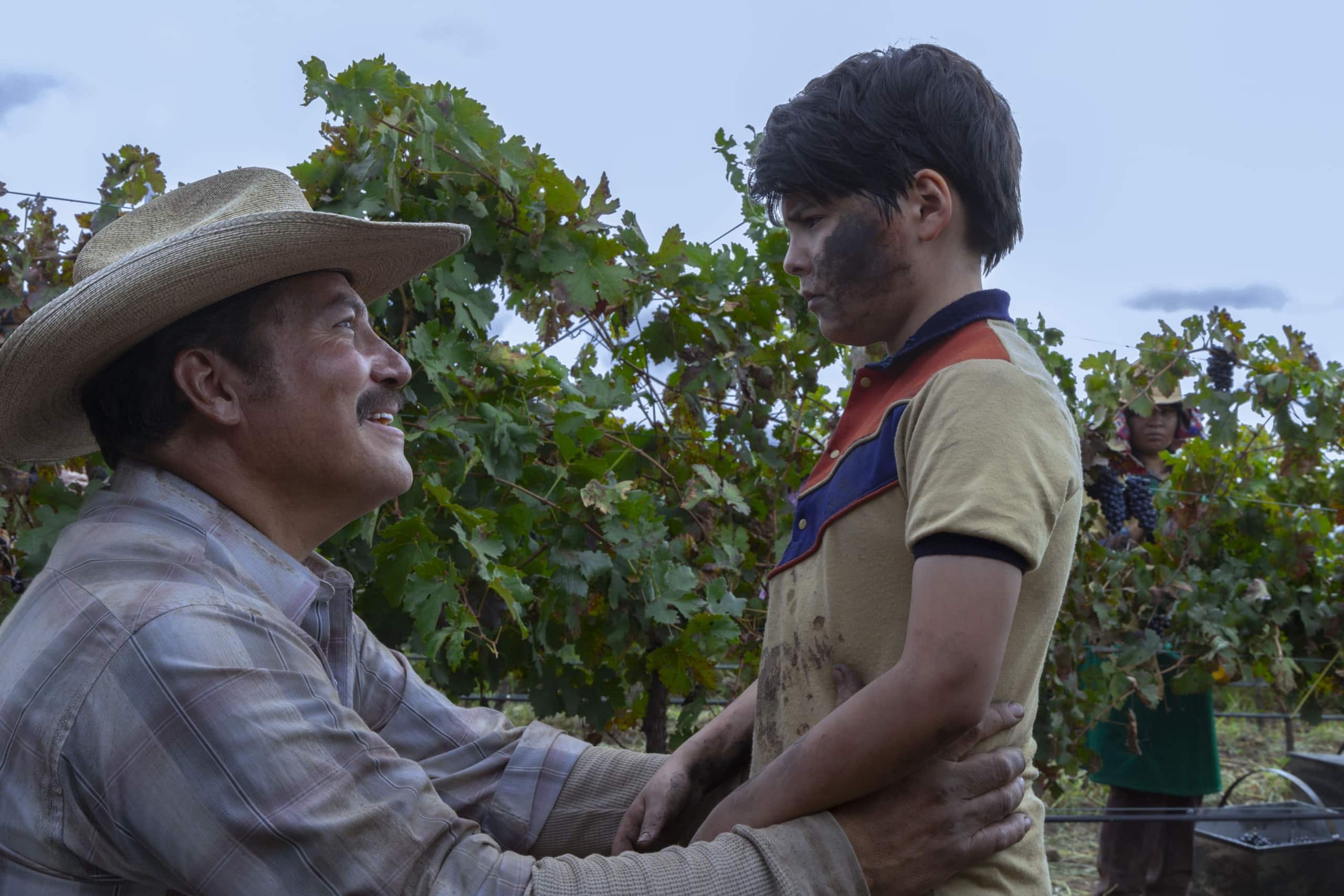
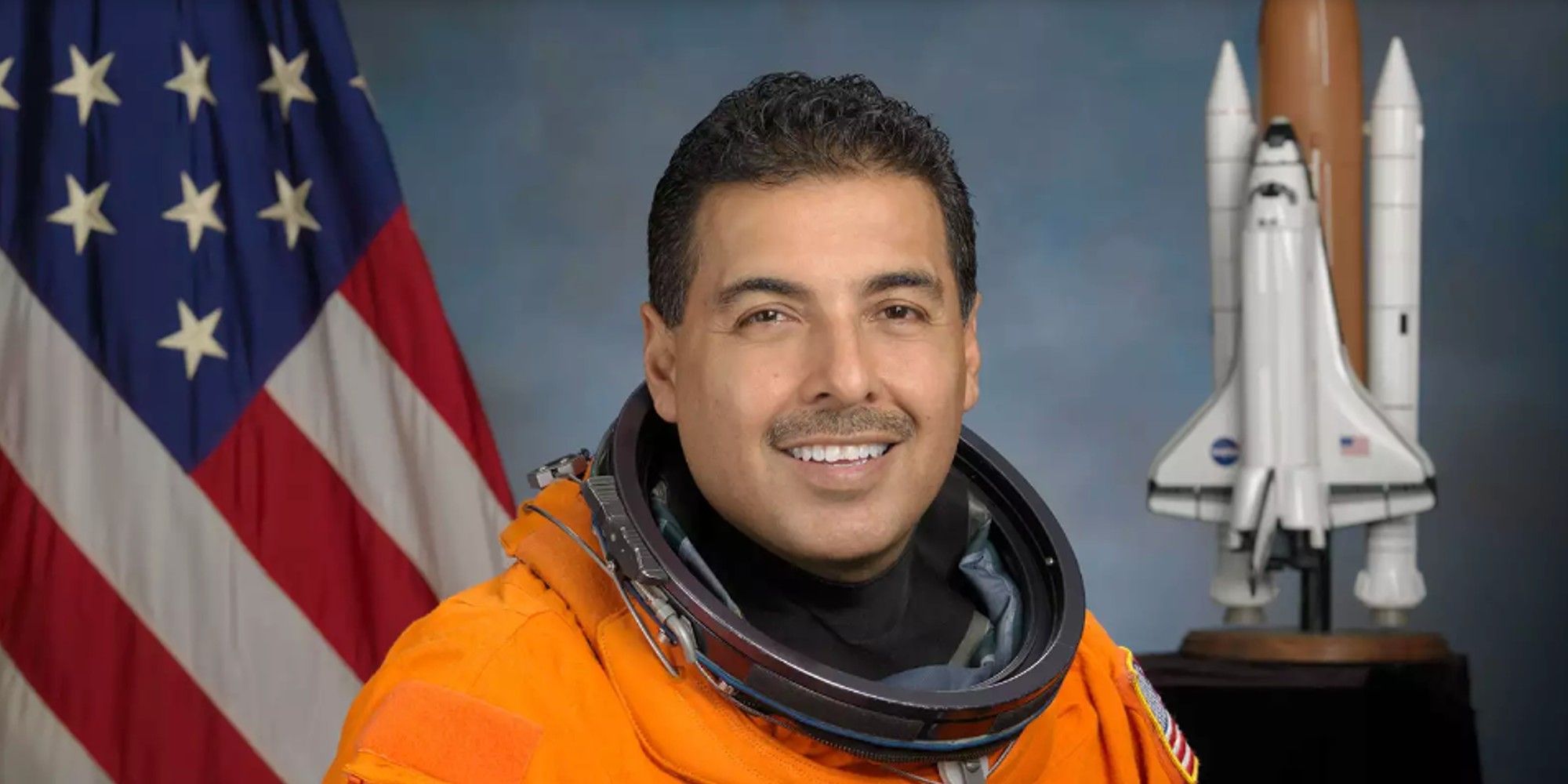
The real person featured in the film A Million Miles Away is José M. Hernández, a former NASA astronaut and engineer who rose from a childhood of migrant farmwork to travel into space. His journey is defined by his persistence in the face of eleven rejections from NASA before finally being selected for the space program in 2004.
José Hernández is not just a character in a movie; he is a living testament to the power of resilience and the American dream. His life story, portrayed by Michael Peña in the 2023 biographical drama, serves as a blueprint for overcoming systemic barriers and personal setbacks. As of 2026, Hernández continues to inspire new generations of engineers and scientists through his advocacy work, his writing, and his agricultural business in California. To understand the "real person" behind the film, one must look at the specific milestones of his career, the technical contributions he made to medicine and space exploration, and the rigorous discipline he applied to reach the stars.
Early Life and the Migrant Circuit
Born on August 7, 1962, in French Camp, California, José Hernández spent his childhood as part of a migrant labor family. His parents, Salvador and Julia, were originally from Michoacán, Mexico. Every year, the family followed the "zigzag" harvest, moving from Mexico to Southern California and up through the San Joaquin Valley.
For the young Hernández, "home" was a revolving door of labor camps and temporary housing. He did not learn to speak English fluently until he was twelve years old. Despite the constant movement, his parents prioritized his education. A pivotal moment occurred when his second-grade teacher, Miss Young, visited his parents at their home. She explained that the constant relocation was damaging José’s educational foundation. Influenced by her advocacy, the family eventually settled in Stockton, California, providing José with the stability he needed to excel academically.
The Five-Ingredient Recipe for Success
A central theme in the movie—and a fundamental part of the real José Hernández’s life—is the "recipe" for success given to him by his father, Salvador. After José shared his dream of becoming an astronaut (inspired by the Apollo 17 mission in 1972), his father sat him down at the kitchen table and outlined five steps:
- Define your goal.
- Recognize how far you are from it.
- Draw a roadmap to get there.
- If you don’t know how to do something, learn it.
- When you think you’ve made it, you probably have to work harder.
Hernández frequently credits these principles for his ability to maintain focus over the decades it took to reach NASA. In his public speaking engagements, he often adds a sixth ingredient of his own: Persistence.
Academic Achievements and Professional Contributions
Before he ever donned a NASA flight suit, Hernández established himself as a high-level engineer. He attended the University of the Pacific, where he earned a Bachelor of Science in Electrical Engineering. He later received a full fellowship to the University of California, Santa Barbara, earning a Master of Science in Electrical and Computer Engineering.
Breakthrough in Digital Mammography
In the late 1980s, Hernández joined the Lawrence Livermore National Laboratory (LLNL). While the film focuses heavily on his astronaut aspirations, his technical work at LLNL had a profound impact on global health. He co-developed the first full-field digital mammography imaging system.
Working with a team of scientists, Hernández applied his expertise in digital signal and image processing to detect breast cancer at its earliest stages. This technology allowed for much clearer imaging than traditional film-based mammograms, significantly improving survival rates through early detection. This achievement alone cemented his legacy in the scientific community long before he arrived at Johnson Space Center.
The Twelve-Year Journey to NASA Selection
One of the most remarkable aspects of the real José Hernández is the sheer number of times he was rejected by NASA. Between 1992 and 2004, Hernández applied for the astronaut program eleven times.
Each rejection letter could have been the end of his journey. However, Hernández used each failure as a diagnostic tool. He looked at the profiles of the people who were being selected and realized he needed to diversify his skill set. To make himself a more competitive candidate, he undertook the following:
- Pilot’s License: He became a licensed pilot to demonstrate his understanding of flight dynamics and cockpit operations.
- Scuba Certification: He became a certified SCUBA diver to show he could operate in high-pressure, underwater environments, which NASA uses to simulate microgravity.
- Language Proficiency: Realizing that NASA’s partnership with the Russian Space Agency (Roscosmos) was growing, he learned to speak Russian fluently.
- Government Experience: He took a position at NASA Headquarters in Washington, D.C., as a branch chief in the Materials and Processes branch, giving him an inside look at the agency’s operations.
On his twelfth attempt, NASA finally selected him as part of the 19th class of astronauts, known as "The Peacocks."
The STS-128 Mission
In August 2009, José Hernández finally fulfilled his childhood dream. He served as a mission specialist on STS-128 aboard the Space Shuttle Discovery. This mission was a 14-day journey to the International Space Station (ISS).
During the mission, Hernández’s primary responsibilities involved the operation of the Multi-Purpose Logistics Module Leonardo, which carried over 15,000 pounds of science equipment and supplies to the ISS. He was also the first person to use the Spanish language in space when he sent a tweet to his followers: "Espero que mi cosecha de estrellas sirva para que más jóvenes se interesen en las ciencias." (I hope my harvest of stars serves to interest more young people in science.)
Key Milestones of José Hernández’s Life
| Year | Milestone | Significance |
|---|---|---|
| 1962 | Born in French Camp, CA | Born to a migrant farmworking family from Mexico. |
| 1984 | B.S. in Electrical Engineering | Graduated from University of the Pacific. |
| 1990s | Digital Mammography | Co-developed life-saving cancer screening tech at LLNL. |
| 2004 | NASA Selection | Selected for the astronaut program after 11 rejections. |
| 2009 | STS-128 Mission | Spent 14 days in space aboard Space Shuttle Discovery. |
| 2011 | Retirement from NASA | Left the agency to focus on family and public service. |
| 2023 | A Million Miles Away | Film released on Amazon Prime Video chronicling his life. |
| 2026 | Current Status | Operating Tierra Luna Cellars and working as a consultant. |
Life After NASA: Vineyards and Advocacy
After retiring from NASA in 2011, José Hernández did not settle into a quiet retirement. He briefly entered politics, running for a seat in the U.S. House of Representatives in 2012, driven by a desire to improve educational opportunities for underserved communities.
In a full-circle moment, Hernández returned to the land he once worked as a laborer. He founded Tierra Luna Cellars, a vineyard in Lodi, California. This business allows him to honor his father’s agricultural roots while applying the scientific precision he learned as an engineer. His wine labels often feature celestial themes, bridging the gap between the soil and the stars.
As of 2026, he remains a highly sought-after motivational speaker. His book, Reaching for the Stars: The Inspiring Story of a Migrant Farmworker Who Became an Astronaut, serves as the primary source material for those looking to study his life beyond the screen.
Fact-Checking the Film: Movie vs. Reality
While A Million Miles Away is largely accurate, there are minor dramatizations typical of Hollywood productions.
- The Rejection Letters: In the movie, José is seen physically handing his application to a NASA receptionist who knows him by name because he visits so often. In reality, the application process was done through official channels, but the emotional weight of those eleven rejections was very real.
- The Training Process: The film accurately depicts the grueling nature of astronaut candidate training, including the "Neutral Buoyancy Lab" (the giant pool) and survival training.
- The Family Dynamic: The portrayal of his wife, Adela, is highly accurate. In real life, she owned a restaurant called Tierra Luna Grill near the Johnson Space Center. She was instrumental in encouraging him to keep applying when he was ready to give up.
Frequently Asked Questions
What did José Hernández study to become an astronaut?
José Hernández studied Electrical Engineering. He earned his undergraduate degree from the University of the Pacific and a Master’s degree from the University of California, Santa Barbara. His technical background in digital signal processing was a key factor in his eventual selection, as NASA requires astronauts to have advanced degrees in STEM (Science, Technology, Engineering, or Math).
How many times was José Hernández rejected by NASA?
He was rejected eleven times. He was selected on his twelfth application. This specific detail is a cornerstone of his motivational speeches, where he emphasizes that "perseverance is the hard work you do after you get tired of doing the hard work you already did."
Is José Hernández still alive?
Yes, as of 2026, José Hernández is very much active. He resides in Lodi, California, where he manages his vineyard, Tierra Luna Cellars, and continues to travel the world as a speaker and advocate for STEM education.
Who is José Hernández's wife, and did she really support his dream?
His wife is Adela Hernández. The film's depiction of her as his rock is entirely accurate. In real life, when José considered stopping after his sixth or seventh rejection, Adela challenged him by asking what the other candidates had that he didn't. This prompt led him to gain his pilot's license and learn Russian.
Did José Hernández really work in the fields?
Yes. From the age of six until he graduated from high school, Hernández worked in the fields of the San Joaquin Valley alongside his parents and siblings. He often recalls picking cucumbers, tomatoes, and grapes, experiences that he says gave him the "work ethic of a migrant worker" which he applied to his engineering studies.
Recommended Next Steps for Readers
For those inspired by the real person behind A Million Miles Away, the following actions provide a deeper look into José Hernández’s legacy:
- Read the Memoir: To get the full, un-Hollywoodized version of his life, read Reaching for the Stars: The Inspiring Story of a Migrant Farmworker Who Became an Astronaut. It contains more detail regarding the technical challenges he faced at LLNL.
- Explore Tierra Luna Cellars: Visit the official website for his vineyard to see how he has integrated his agricultural heritage with his passion for space.
- Support STEM Initiatives: Hernández is a vocal advocate for the Reaching for the Stars Foundation, which provides STEM opportunities for students. Contributing to or volunteering for similar local organizations helps carry forward the mission he champions.
- Review NASA’s Selection Criteria: If you are a student or professional interested in following in his footsteps, NASA’s official astronaut recruitment page provides current requirements, which still mirror many of the steps Hernández took (advanced degrees, diverse technical skills, and physical endurance).