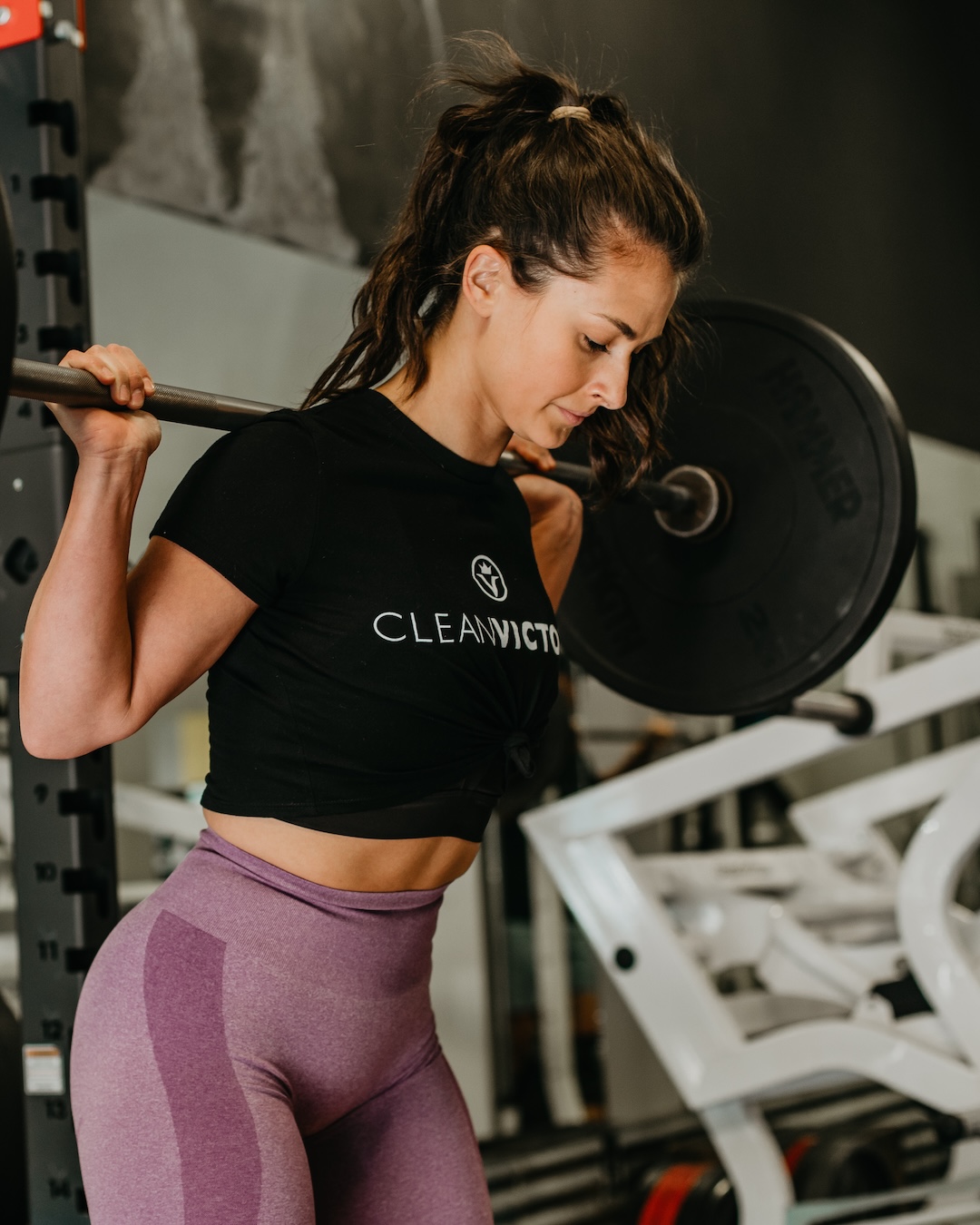
A good workout that actually works for you is a personalized regimen that balances physiological stimulus with your specific lifestyle, recovery capacity, and long-term goals. It prioritizes consistency over intensity, ensuring that exercise integrates into your daily routine without causing burnout or injury while facilitating measurable progress toward your objectives.
Understanding the Difference Between Movement and Training
In 2026, the fitness landscape has shifted away from "one-size-fits-all" programs toward a more nuanced understanding of biological individuality. To find a workout that works, one must first distinguish between general movement and structured training. General movement includes activities like walking the dog or light gardening—essential for health but often insufficient for specific physical transformations.
Structured training, conversely, involves the SAID Principle (Specific Adaptation to Imposed Demands). This principle dictates that the body will adapt specifically to the types of stress placed upon it. If your goal is to build bone density, a workout consisting solely of swimming will not work as effectively as resistance training. Conversely, if your goal is cardiovascular endurance for a marathon, lifting heavy weights twice a week is a supplement, not the primary solution. A workout "works" only when the stimulus matches the desired outcome.
The Foundations of Personalization: Assessing Your Context
Before picking up a dumbbell or lacing up running shoes, you must audit your current physiological and environmental state. Many people fail because they adopt the "ideal" workout of a professional athlete whose life revolves around recovery, whereas the average person in 2026 manages professional stress, family obligations, and fluctuating sleep quality.
Biological Individuality and Biomechanics
Every individual possesses unique skeletal structures, muscle insertion points, and fiber type compositions. For instance, a person with long femurs may find traditional back squats problematic for their lower back, whereas a goblet squat or a trap-bar deadlift allows them to train their legs effectively without pain. A workout that works for you honors your anatomy rather than forcing your body into standardized movements that cause joint inflammation.
The Recovery Debt and Stress Management
Exercise is a form of controlled stress. Your body does not distinguish between the "good" stress of a heavy deadlift and the "bad" stress of a looming work deadline; it all contributes to the total allostatic load. If your life is currently high-stress, a high-intensity interval training (HIIT) session five times a week may actually lead to regression, hormonal imbalances, and fatigue. In such cases, a workout that "works" might actually be a lower-intensity strength program or steady-state zone 2 cardio that promotes recovery rather than hindering it.
The Core Pillars of an Effective Program
Regardless of the specific exercises chosen, every successful workout routine is built upon three primary pillars: Progressive Overload, Frequency, and Specificity.
1. Progressive Overload: The Engine of Growth
For a workout to continue working over months and years, it must get progressively harder. This does not always mean adding more weight to the bar. Progressive overload can be achieved by:
- Increasing the number of repetitions performed with the same weight.
- Decreasing the rest periods between sets to improve metabolic efficiency.
- Improving the quality of the movement (tempo and control).
- Increasing the total volume (sets multiplied by reps).
Without a plan for progression, your body reaches a state of homeostasis where it no longer needs to adapt, leading to the dreaded "plateau."
2. Frequency and the Recovery Window
Frequency refers to how often you train a specific muscle group or energy system. Current research from the National Strength and Conditioning Association (NSCA) suggests that for most individuals, hitting a muscle group twice a week is superior to the traditional "bro-split" where each part is trained only once. This is because muscle protein synthesis—the process of repairing and building muscle—typically returns to baseline within 36 to 48 hours after a workout. A workout that works for you maximizes these growth windows without exceeding your ability to recover.
3. Specificity and Goal Alignment
If your primary aim is fat loss, your workout should prioritize maintaining lean muscle mass through resistance training while creating a caloric deficit through diet and increased non-exercise activity. If your goal is "functional fitness" to maintain independence as you age, the workout must include balance, rotational power, and eccentric control.
Designing Your Weekly Structure: Comparing Common Splits
Choosing the right "split" is the most practical way to ensure your workout fits your schedule. The best split is the one you can realistically maintain for at least 12 consecutive weeks.
| Workout Split | Frequency | Ideal For | Primary Benefit |
|---|---|---|---|
| Full Body | 2–3 days/week | Beginners & Busy Professionals | Maximum flexibility; if you miss a day, you've still hit every muscle. |
| Upper / Lower | 4 days/week | Intermediate Trainees | Allows for higher volume per muscle group while maintaining 72 hours of recovery. |
| Push / Pull / Legs | 3 or 6 days/week | Advanced / Hypertrophy focus | Highly specific; allows for maximum intensity on related muscle groups. |
| Body Part Split | 5–6 days/week | Competitive Bodybuilders | Extreme volume for specific muscles; requires high recovery capacity. |
The Role of Technology and Biometrics in 2026
In 2026, we have unprecedented access to real-time data that helps determine if a workout is working. Tools such as Heart Rate Variability (HRV) monitors and wearable sleep trackers provide a "readiness score."
If your HRV is significantly lower than your baseline, it is a physiological signal that your nervous system has not recovered from the previous session. A workout that works for you in 2026 is one that is autoregulated. Autoregulation means adjusting the intensity of your workout based on how you feel that day. Instead of forcing a personal record (PR) when you are sleep-deprived, you might reduce the load by 10%, ensuring you get the stimulus without the risk of injury.
Common Mistakes That Sabotage Progress
Even with a well-designed plan, certain behaviors can prevent a workout from being effective.
Over-complicating Exercise Selection
There is a common misconception that you need "muscle confusion" or a constant rotation of new exercises to see results. In reality, the most effective workouts are often boring. They consist of mastering the "Big Six" movements:
- Squat (e.g., Goblet, Back, Front)
- Hinge (e.g., Deadlift, Kettlebell Swing)
- Lunge (e.g., Split Squat, Step-up)
- Push (e.g., Overhead Press, Bench Press)
- Pull (e.g., Pull-up, Row)
- Carry (e.g., Farmer’s Walk)
Sticking to these movements for months allows you to become neurologically efficient, meaning you can recruit more muscle fibers and move more weight safely.
Ignoring the "Invisible" Factors: Sleep and Nutrition
A workout does not "work" in isolation; it works in tandem with your kitchen and your bedroom. Muscle is not built in the gym; it is built while you sleep in response to the damage done in the gym. If you are training hard but only sleeping five hours a night, you are effectively "digging a hole" that your body cannot fill. Similarly, without adequate protein intake (generally recommended at 0.7 to 1 gram per pound of body weight), your body lacks the building blocks to repair the tissues you’ve challenged.
The Psychological Component: Adherence is King
The most scientifically perfect workout is useless if you hate doing it. Psychological "buy-in" is a critical component of efficacy. If you find the gym environment oppressive, a workout that works for you might involve outdoor calisthenics, a home garage setup, or a community-based sport like Brazilian Jiu-Jitsu or rowing.
Sustainability is driven by intrinsic motivation. Ask yourself: "Can I see myself doing this five years from now?" If the answer is no, the program is likely too aggressive or misaligned with your values. A good workout should leave you feeling energized and capable, not broken and exhausted.
Practical Steps to Build Your Custom Workout
To transition from theory to practice, follow these steps to build a routine that actually works:
- Define the Primary Metric: Is it weight on the bar, inches off the waist, or a lower resting heart rate? Choose one.
- Audit Your Schedule: Be honest. If you can only commit to 30 minutes, three times a week, design for that. Do not design for a 90-minute, five-day-a-week plan you will quit in a fortnight.
- Select Your Movements: Choose one exercise from each of the "Big Six" categories mentioned above that feels good on your joints.
- Determine Your Sets and Reps: For general health and muscle building, 2–3 sets of 8–12 repetitions is a reliable starting point.
- Track Everything: Use an app or a simple notebook. If you aren't tracking, you aren't training; you're just exercising.
- Evaluate Every 4–6 Weeks: If your metric from Step 1 isn't moving, adjust your variables (usually by increasing intensity or improving recovery).
Frequently Asked Questions
How do I know if my workout is "working" if the scale isn't moving?
The scale is a blunt instrument that measures total mass, not body composition. A workout is working if you are getting stronger (lifting more weight or doing more reps), if your clothes fit differently, if your recovery between sets is improving, or if your energy levels throughout the day are more stable. In many cases, you may be losing fat and gaining muscle simultaneously, which keeps your weight stagnant while your health improves significantly.
Is cardio or weightlifting better for a "good" workout?
This depends entirely on your goals, but for most people, a combination is ideal. Resistance training is the best way to maintain metabolic rate and bone density, while cardiovascular exercise (like walking or cycling) is essential for heart health and mitochondrial function. A balanced 2026 approach often involves two days of strength training and 150 minutes of moderate-intensity aerobic activity per week, as recommended by the World Health Organization (WHO).
Should I feel sore after every workout?
No. Delayed Onset Muscle Soreness (DOMS) is a sign of novel stimulus, not necessarily a sign of a "good" workout. As your body adapts to a routine, you will likely feel less sore. If you are constantly so sore that it interferes with your daily life or your next workout, you are likely overtraining or failing to recover properly.
How long does a workout need to be to be effective?
Quality is far more important than quantity. A focused, high-intensity 20-minute session that follows the principle of progressive overload can be significantly more effective than two hours of distracted "socializing" at the gym. For most people, a well-structured workout takes between 45 and 75 minutes, including a proper warm-up.
Can I get a good workout at home without equipment?
Absolutely. Your body weight provides significant resistance. Exercises like push-ups, squats, lunges, and planks can be modified (e.g., using a backpack for weight or changing the leverage) to remain challenging for a long time. The key is still the application of progressive overload—finding ways to make the bodyweight movements harder as you get stronger.
Final Recommendation: The Power of the Small Start
The most effective action you can take today is to start smaller than you think you need to. Many people fail by attempting to overhaul their entire lifestyle overnight. Instead, pick three exercises, perform them twice a week, and focus on perfect form. Once that habit is "locked in" and you see the small wins of increased strength or improved mood, the momentum will naturally carry you toward more complex and demanding routines. A good workout that works for you is a journey of constant refinement, not a destination you reach and then stop.