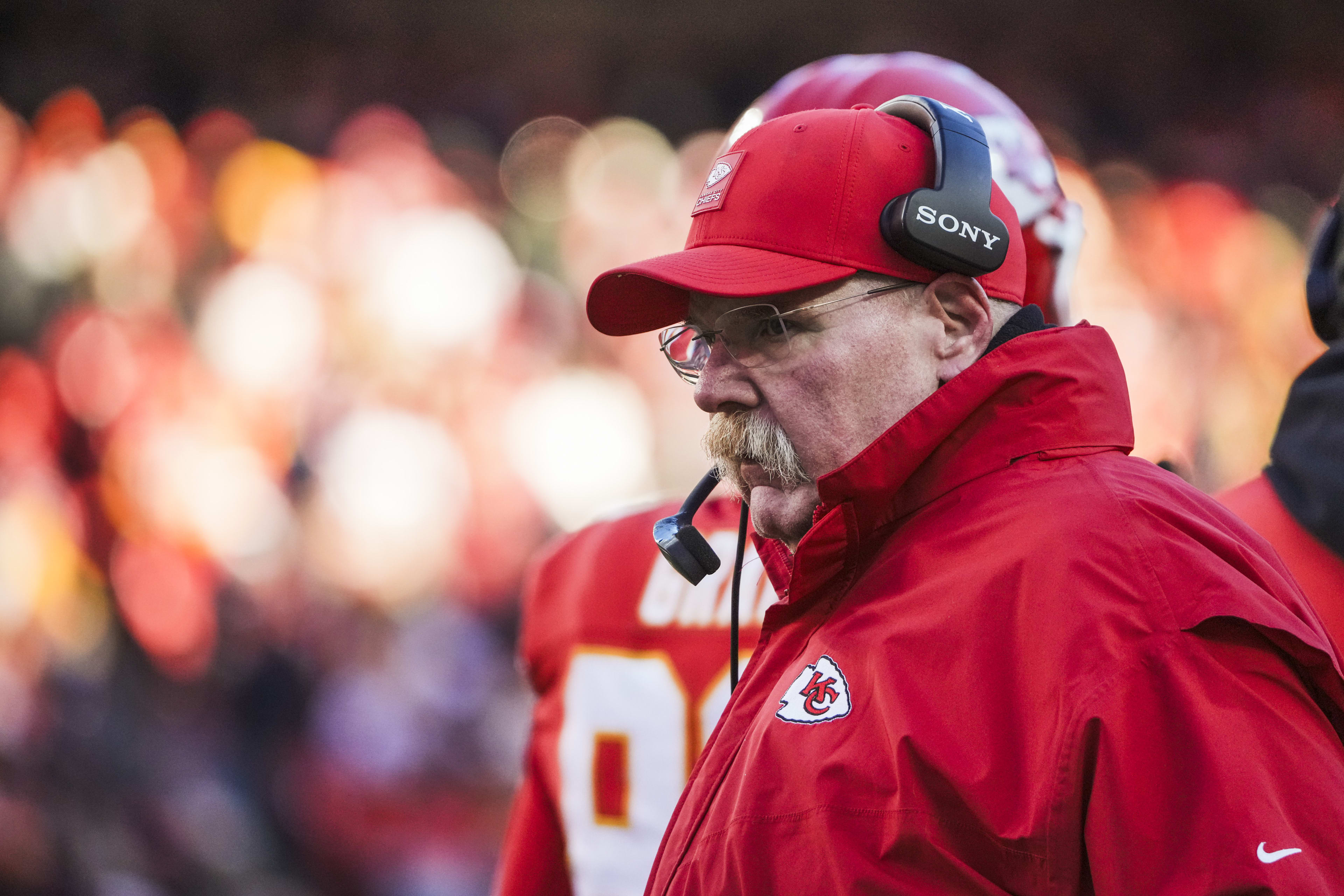
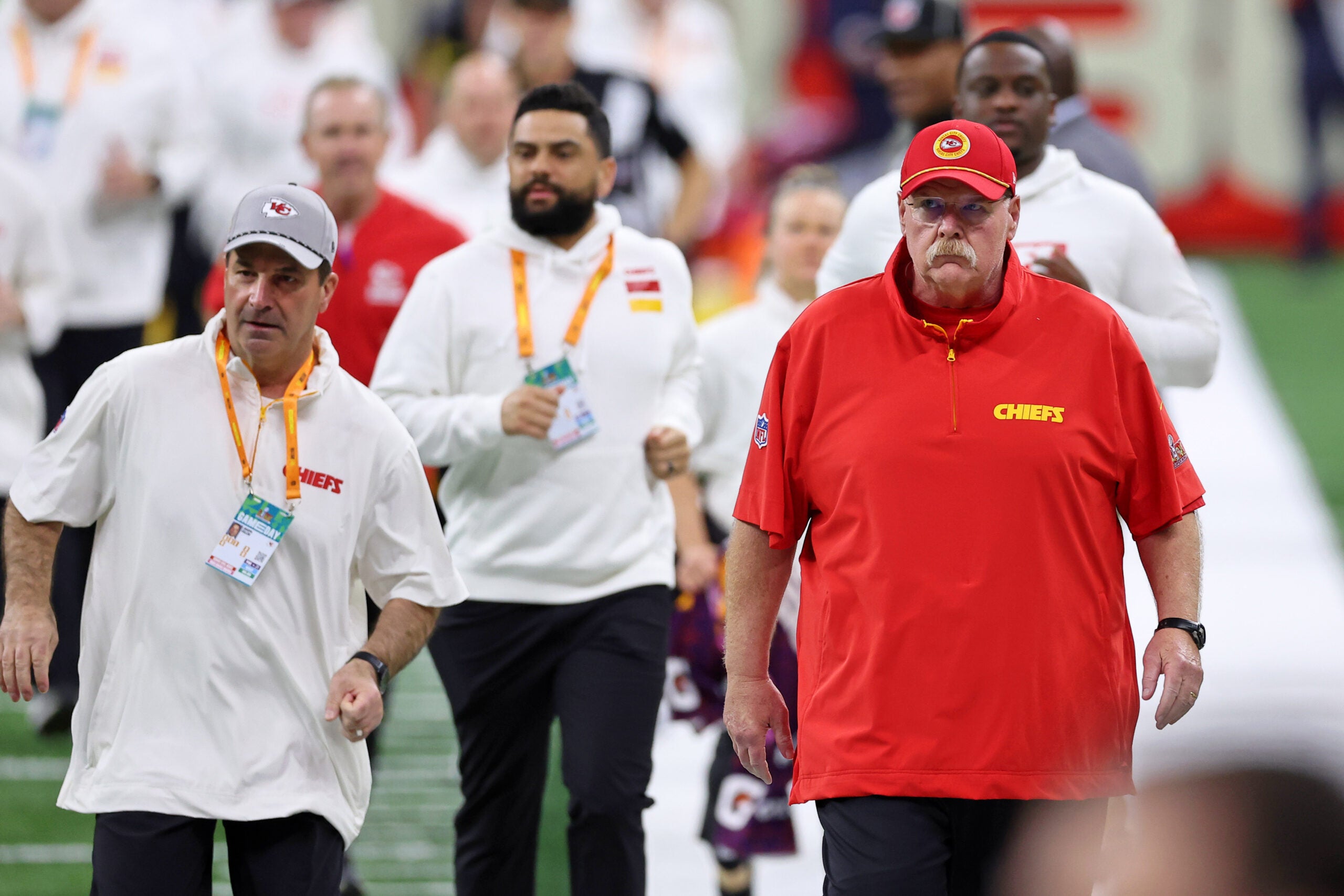
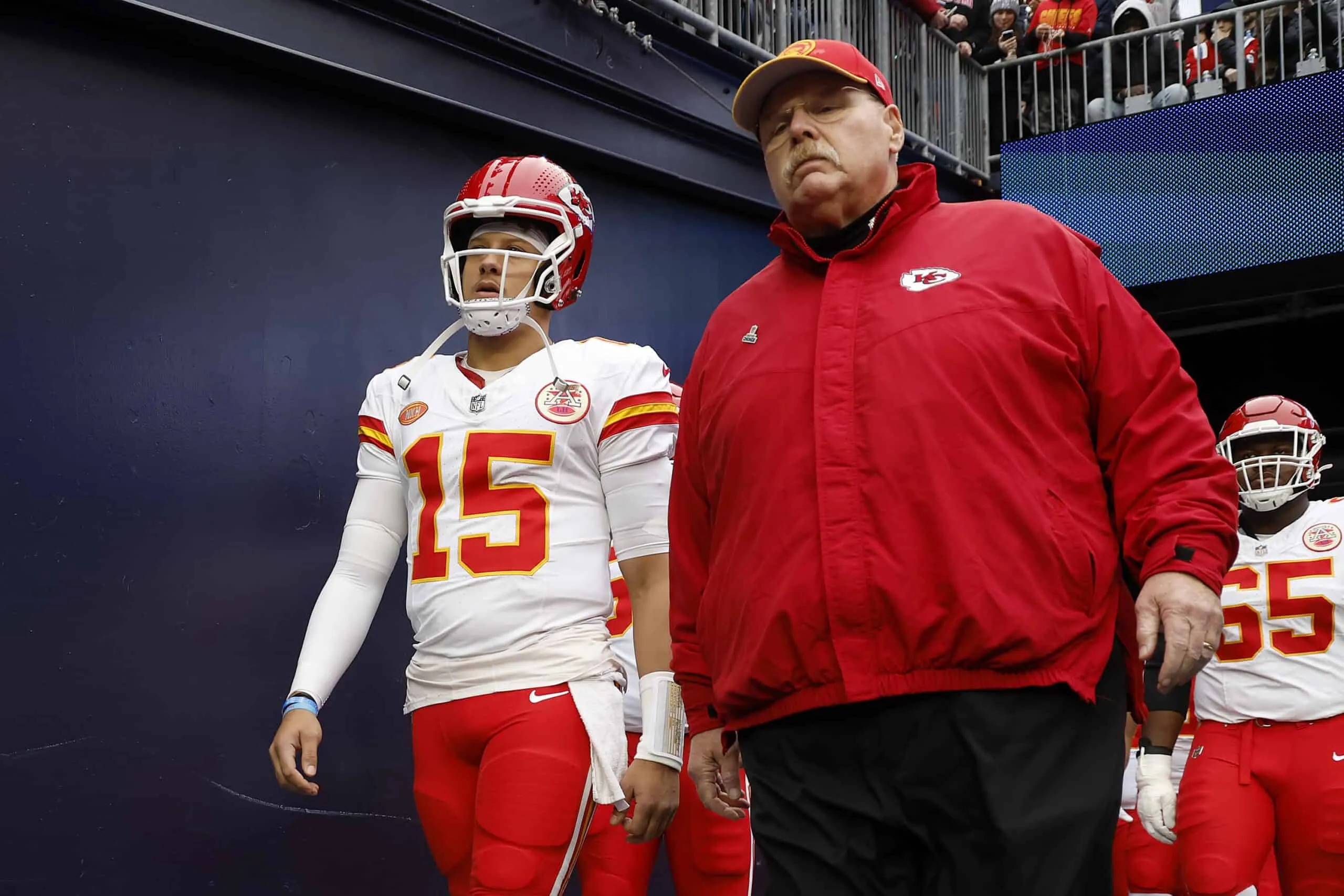
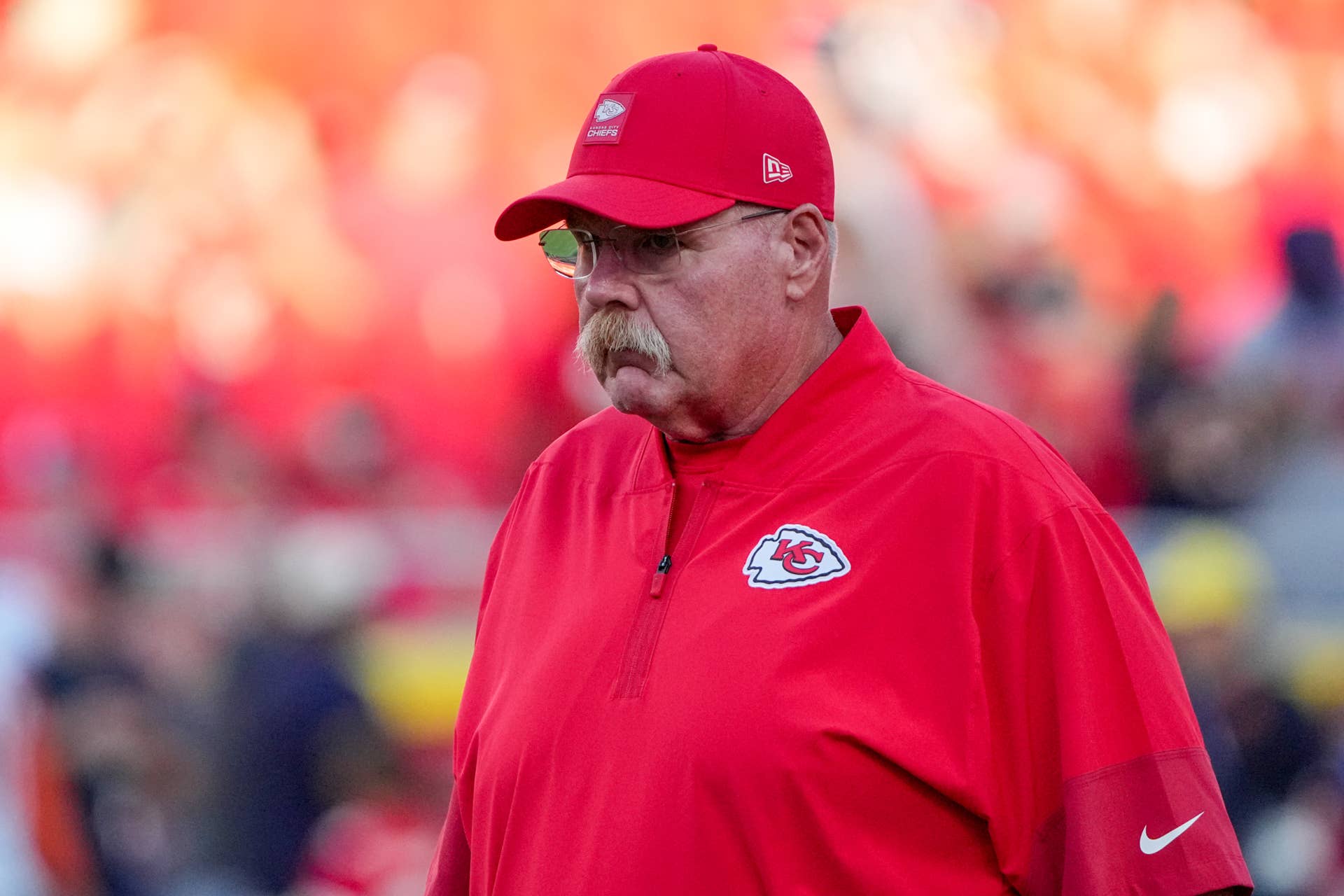
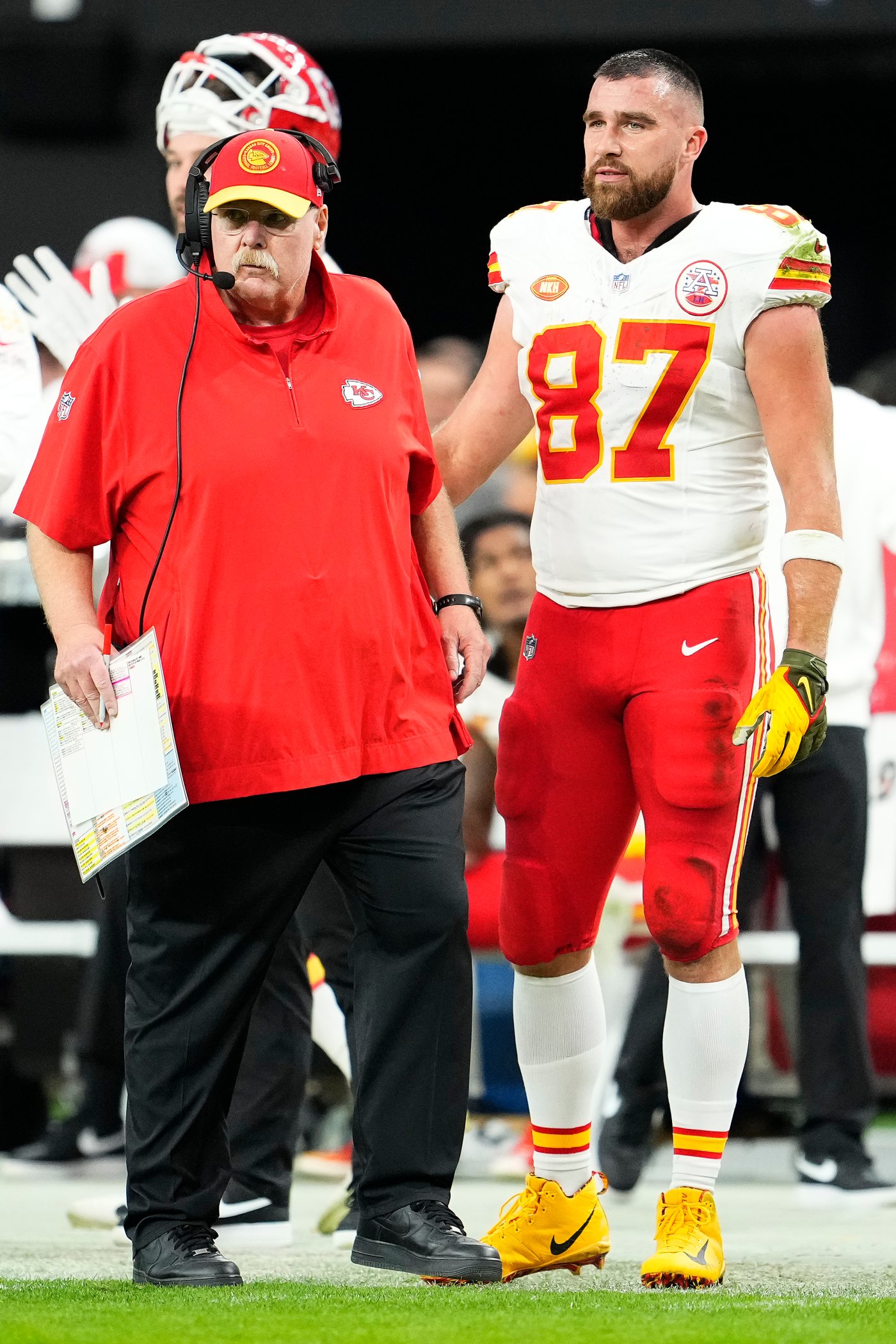
At age 13, Andy Reid stood approximately 6 feet 2 inches tall and weighed roughly 220 pounds. This remarkable physical stature was famously captured during a 1971 Punt, Pass, and Kick competition aired on Monday Night Football, where he towered over his middle-school peers while wearing a full-sized Los Angeles Rams uniform.
The Viral Moment: The 1971 Punt, Pass, and Kick Competition
To understand why the world is still fascinated by Andy Reid’s height at 13, one must look back to December 13, 1971. During a halftime break of a Monday Night Football game between the Los Angeles Rams and the Washington Redskins, a young Andy Reid participated in the national Punt, Pass, and Kick (PP&K) competition.
The footage, which has since become a staple of NFL lore and social media highlights, shows a group of 13-year-olds lined up on the field. While most of the participants looked like typical eighth-graders—slight of build and average in height—Reid looked like a fully grown man. Standing at 6'2", he was significantly larger than any other child in his age bracket. The visual discrepancy was so jarring that many modern viewers initially suspected the footage was a comedic sketch or a digital edit.
However, the footage is entirely authentic. Reid, born in 1958, was exactly 13 years old at the time of the broadcast. His physical development was so far ahead of the curve that he appeared to be a professional player who had accidentally wandered into a youth competition. This early physical dominance provided a glimpse into the future of a man who would eventually spend decades dominating the NFL from the sidelines.
Analyzing the Physical Stats: 6'2" and 220 Pounds
The specific measurements of Andy Reid at 13 are often cited as 6'2" and 220 pounds. To put this into perspective, the average 13-year-old male in the United States typically stands between 5'0" and 5'6" and weighs between 100 and 125 pounds. Reid was not just "tall for his age"; he was physically equivalent to a modern-day high school senior or a college freshman.
The Jersey Problem
One of the most enduring details of the 1971 video is Reid’s uniform. Because the PP&K organizers were unprepared for a 13-year-old of his dimensions, they did not have a youth-sized jersey that could fit him. As a result, Reid had to wear a jersey belonging to Les Josephson, a 6'1", 215-pound Pro Bowl running back for the Los Angeles Rams.
The fact that Reid fit comfortably into a Pro Bowler's jersey—and even filled it out more than the player himself might have—underscores just how massive he was. This logistical hurdle added to the comedy of the footage, as the jersey number and professional tailoring only served to make him look even more like an adult among children.
Comparison to Average Growth Charts
In the early 1970s, pediatric growth standards were similar to those today, though the general population was slightly shorter. Reid’s height placed him well above the 99th percentile. This rapid early growth is a trait seen in many professional linemen and power athletes, where the biological "head start" allows for a higher ceiling in strength and leverage during formative playing years.
Why the Footage Remained Famous Through 2026
As of 2026, Andy Reid has cemented his status as one of the greatest coaches in NFL history. His longevity with the Kansas City Chiefs and his previous success with the Philadelphia Eagles have kept him in the public eye for over a quarter-century. The 1971 video remains popular because it provides a "prequel" to his legendary career.
The video serves several purposes in NFL culture:
- Humanizing a Legend: It shows a young "Big Red" before the Super Bowl rings and the iconic mustache.
- Relatability: Fans enjoy the humor of a young person being significantly larger than their peers, a common trope in youth sports.
- The "Man Among Boys" Narrative: It reinforces the idea that Reid was always destined for a life on the gridiron, possessing the physical tools for the game before he even reached high school.
From 13-Year-Old Giant to Offensive Mastermind
While his 13-year-old stature was a physical anomaly, Reid’s career trajectory was built on more than just size. After his youth in Los Angeles, he attended John Marshall High School and eventually played tackle at Glendale Community College and Brigham Young University (BYU).
His time at BYU was particularly formative. Although he was a talented player, he began to transition toward coaching under the tutelage of LaVell Edwards. It was here that the massive teenager who once towered over his PP&K competitors began to develop the strategic mind that would eventually revolutionize the West Coast Offense.
Physicality and Coaching Style
Interestingly, Reid’s physical presence has always been a part of his coaching identity. Known affectionately as "Big Red," his stature commands respect, but his demeanor is famously calm and fatherly. There is a direct line between the confident 13-year-old standing in the Los Angeles Coliseum and the coach who leads the Chiefs in 2026. He has always occupied a lot of space—both physically and intellectually—within the game of football.
Comparing Andy Reid’s 13-Year-Old Stats to the Norm
To illustrate the sheer scale of Andy Reid's physical development in 1971, the following table compares his measurements to the averages for his age group during that era.
| Category | Andy Reid (Age 13) | Average 13-Year-Old (1971) | NFL Running Back (Average) |
|---|---|---|---|
| Height | 6'2" (188 cm) | 5'3" (160 cm) | 5'11" - 6'1" |
| Weight | 220 lbs (100 kg) | 110 lbs (50 kg) | 210 - 225 lbs |
| Jersey Size | Adult Pro (Les Josephson) | Youth Small/Medium | Adult Pro |
| Event | Punt, Pass, & Kick | Middle School Sports | Professional NFL Game |
The Impact of Early Physical Maturity on Athletic Careers
Andy Reid’s case is often studied in the context of "Early Bloomers" in sports. While being 6'2" at age 13 provided an immediate advantage in youth competitions, it does not always guarantee professional success. Many children who are large for their age rely solely on their size and fail to develop the technical skills necessary when their peers eventually catch up in height.
However, Reid’s journey was different. His size led him to the offensive line, a position that requires immense technical proficiency, hand-eye coordination, and an understanding of defensive schemes. By the time his peers reached their own adult heights, Reid had already mastered the "cerebral" side of the line of scrimmage. This combination of early physical gifts and late-stage intellectual development is exactly what made him such a successful coach. He understands the game from the perspective of the biggest man on the field.
Common Myths About the 1971 Video
Given the viral nature of the footage, several misconceptions have arisen over the years. It is important to clarify these points to maintain historical accuracy.
- Myth: Reid was older than 13 and lied about his age.
- Reality: There is no evidence for this. The PP&K competition had strict age verification through birth certificates. Reid was simply a very large child.
- Myth: He won the national championship that year.
- Reality: While he was a formidable competitor, Reid did not win the national title in 1971. His fame from the event came from the visual of the broadcast rather than his final ranking in the competition.
- Myth: The video is from a movie or a commercial.
- Reality: It is legitimate broadcast footage from Monday Night Football. The NFL has archived the original tapes, and Reid has discussed the event in numerous interviews.
Andy Reid's Status in 2026
As we look at Andy Reid in 2026, he remains a cornerstone of the NFL. His Kansas City Chiefs continue to be a dominant force, and his influence on modern offensive play-calling is seen in nearly every franchise. The "Big Red" persona has become a brand of its own, symbolizing consistency, innovation, and a certain level of jovial authority.
The story of his height at 13 is no longer just a trivia point; it is part of the "Origin Story" of an NFL icon. It serves as a reminder that the giants of the game often start out as literal giants, even in their youth.
Frequently Asked Questions
Did Andy Reid actually play in the NFL?
No, Andy Reid did not play in the NFL as a player. He played collegiate football at BYU as an offensive tackle. After his college career, he immediately transitioned into coaching, starting as a graduate assistant at BYU in 1982. His path to the NFL was through the coaching ranks, eventually landing a job with the Green Bay Packers under Mike Holmgren in 1992.
Whose jersey was Andy Reid wearing in the video?
Reid was wearing the jersey of Les Josephson, who was a standout running back for the Los Angeles Rams at the time. Josephson was a Pro Bowler known for his toughness, and the fact that a 13-year-old Reid could fill out his jersey remains one of the most cited facts about the 1971 broadcast.
How tall is Andy Reid now?
As an adult, Andy Reid is approximately 6 feet 3 inches tall. This means he had nearly reached his full adult height by the age of 13, growing only another inch or so throughout his high school and college years. This "early capping" of height is common among individuals who experience massive growth spurts in early puberty.
Was Andy Reid a good athlete as a kid?
Yes. Beyond the PP&K competition, Reid was a multi-sport athlete. His size made him a natural for football and track and field (specifically shot put and discus). His participation in the PP&K finals—a national event—proves he was among the top tier of youth athletes in the country in terms of coordination and leg strength.
Where can I watch the video of Andy Reid at 13?
The video is widely available on official NFL YouTube channels and social media platforms. It is frequently rebroadcast during Chiefs' games or during segments focusing on Reid's career history. Search for "Andy Reid 1971 Punt Pass and Kick" to find the original Monday Night Football clip.
Did any other famous players appear in that same competition?
The Punt, Pass, and Kick competition has featured many future NFL stars over the decades, including Dan Marino and Brett Favre. However, none of them had an entrance quite as visually impactful as the 13-year-old Andy Reid.
Practical Recommendation for Fans and Researchers
If you are researching Andy Reid's early life or looking for the famous 1971 clip for media purposes, ensure you are sourcing the footage from the NFL Archives or reputable sports history outlets. The clip is an excellent example of sports broadcasting history and provides unique insight into the physical development of elite athletes. For those interested in the evolution of the Punt, Pass, and Kick program, the NFL recently revamped youth outreach programs that follow the spirit of the original competition, focusing on fundamental skills for the next generation of players.