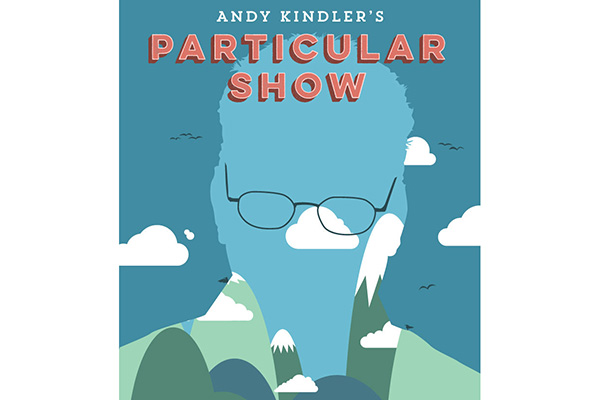
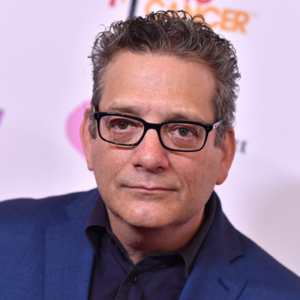
Andy Kindler is a seminal American comedian and innovator recognized for his biting "meta-comedy" and the annual "State of the Industry" address. He has spent decades deconstructing the mechanics of humor, influencing a generation of alternative comics while appearing in classic series like Everybody Loves Raymond and Bob's Burgers.
The Architect of Meta-Comedy
To understand Andy Kindler is to understand the soul of "meta-comedy." While most comedians aim to hide the "gears" of their performance, Kindler makes those gears the entire show. As an innovator of the form, he pioneered a style where the failure of a joke is often funnier than the joke itself. This approach is not merely about "anti-comedy"; it is a sophisticated critique of the tropes, clichés, and artificiality that often plague the entertainment industry.
In the landscape of 2026, where self-referential humor is a staple of digital content, Kindler’s influence remains more relevant than ever. He taught audiences and fellow performers that the performer's internal monologue—the doubt, the frustration with a quiet crowd, and the recognition of a "hacky" transition—could be the most authentic part of the set. By leaning into his "nervous energy," Kindler created a space where vulnerability and high-level industry criticism coexist.
This innovation was born out of the alternative comedy scene of the 1990s. While mainstream clubs were often filled with observational comics following a rigid setup-punchline formula, Kindler was part of a movement that prioritized experimentation. He frequented venues like Largo and UnCabaret, where the goal was to be "un-slick." For Kindler, innovation meant stripping away the polish to find the raw, often uncomfortable truth of being a person on a stage.
The "State of the Industry" Address: Comedy’s Annual Reckoning
Perhaps Kindler’s most significant contribution to the cultural landscape of comedy is his annual "State of the Industry" address, delivered at the Just For Laughs festival in Montreal. For over two decades, this speech has served as the unofficial "State of the Union" for the comedy world. It is here that Kindler’s role as an innovator and critic crystallizes.
In these addresses, Kindler takes aim at the biggest names and most powerful entities in entertainment. He critiques the "packaging" of talent, the homogenization of sitcoms, and the perceived "selling out" of performers. This is not mere heckling from the sidelines; it is a meticulously crafted satirical performance that holds the mirror up to the industry.
Why the JFL Speech Matters
The speech is an act of professional bravery. In an industry built on networking and "gatekeeping," Kindler openly mocks the very executives and stars who hold the power. By doing so, he provides a voice for the "comedian’s comedian"—those who value the craft over the fame. His critiques of figures like Jay Leno, Louis C.K., and various network executives have become legendary, not just for their vitriol, but for their accuracy.
In 2026, the tradition continues to be a highlight of the comedy calendar. Even as the platforms for comedy shift from cable television to streaming and social media, Kindler’s core message remains the same: the industry should reward original thought over manufactured appeal.
Television Career and Iconic Roles
While his stand-up is often geared toward the "in-crowd" of comedy nerds, Kindler has maintained a prolific career in mainstream television. His ability to translate his specific brand of neurotic, high-strung energy into character work has made him a recognizable face and voice for millions.
Everybody Loves Raymond and the Sitcom Era
Kindler’s recurring role as "Andy" on Everybody Loves Raymond allowed him to play a fictionalized, albeit slightly toned-down, version of his persona. As a friend of Ray Barone, his character served as a comedic foil, bringing a frantic energy that contrasted with the more traditional sitcom rhythms of the show. This role was crucial because it proved that "alternative" comedy sensibilities could thrive within the structure of a multi-camera sitcom if the performer was talented enough to bridge the gap.
Bob’s Burgers and the Power of Voice
In the realm of animation, Kindler found a perfect home as the voice of Mort, the mortician, on Bob's Burgers. His voice acting is a masterclass in subtlety. Mort is often the voice of reason—or at least the voice of low-stakes anxiety—amidst the chaos of the Belcher family. Kindler’s natural cadence, marked by mid-sentence pauses and self-corrections, gives Mort a unique humanity that has made the character a fan favorite over the show's long run.
Late-Night Regular
Kindler’s relationship with late-night television, particularly with David Letterman, further cemented his status. He appeared on The Late Show with David Letterman over 40 times, often performing sets that were essentially "comedic performance art." Letterman, a fellow innovator who appreciated the subversion of the medium, gave Kindler the room to be his most authentic, rambling, and brilliant self.
A Technical Analysis of Kindler’s Style
To truly appreciate Andy Kindler as an innovator, one must look at the technical aspects of his performance. He utilizes several specific techniques that have since been adopted by many modern comedians.
- The "Internal Commentary" Loop: Kindler will often tell a joke and then immediately review it as if he were an audience member or a critic. "That one didn't land," he might say, or "I'm losing 'em, folks!" This breaks the "fourth wall" and invites the audience into the process of the performance.
- Rhythmic Disruption: Unlike the rhythmic "one-two" punch of traditional stand-up, Kindler uses staccato bursts of speech, sudden pivots in topic, and intentional digressions. This forces the audience to stay engaged, as they cannot predict where the "punchline" will land.
- The Satire of "Hack" Tropes: Kindler often parodies other styles of comedy. He might use a stereotypical "comedy voice" or mock the way a comedian might say, "Has anyone noticed this?" By satirizing the form itself, he creates a secondary layer of humor that rewards the savvy viewer.
- Physicality and "The Notes": Kindler is famous for bringing notes on stage, often shuffling them frantically. This is not due to a lack of preparation, but rather a deliberate choice to emphasize the "work in progress" nature of his art. It suggests that the act of "trying" is just as funny as the result.
Significant Works and Performance History
The following table outlines the key milestones in Andy Kindler's career, highlighting his versatility across different media formats.
| Year/Era | Project/Event | Role/Contribution | Significance |
|---|---|---|---|
| 1990s–Present | Just For Laughs Festival | Keynote Speaker | Established the "State of the Industry" address as a comedy institution. |
| 1996–2005 | Everybody Loves Raymond | Character: Andy | Brought alternative comedy sensibilities to a major network sitcom. |
| 2011–Present | Bob's Burgers | Voice of Mort | Created an iconic animated character through unique vocal delivery. |
| Various | The Late Show with David Letterman | Frequent Guest | Over 40 appearances, showcasing his subversion of late-night stand-up. |
| 2010–2015 | Maron | Himself | Played a fictionalized version of himself, exploring the life of a veteran comic. |
| 2015–Present | Thought Spiral Podcast | Co-host | Explored the intersections of comedy, anxiety, and philosophy in a long-form format. |
The Legacy of an "Innovator" in 2026
As of 2026, the comedy landscape has been largely decentralized. Performers no longer need the approval of a few network executives to find an audience. However, this shift has led to a different kind of homogenization—the "algorithm-friendly" joke.
Kindler’s innovation remains a vital counterweight to this trend. He continues to advocate for "the difficult," "the weird," and "the honest." His influence can be seen in the works of comedians like James Acaster, Maria Bamford, and Bo Burnham, all of whom use the medium of comedy to interrogate the medium itself.
Kindler’s persistence in the industry is a testament to the value of a singular voice. In an era where "virality" is often prioritized over "vision," Kindler stands as a reminder that the most enduring comedy often comes from those who are willing to be the loudest critics of their own craft.
Navigating the Kindler Catalog: Where to Start
For those new to Andy Kindler’s work, the sheer volume of his appearances can be daunting. However, his work can be categorized into three distinct "entry points" depending on your interests:
- For the Industry Insider: Seek out recordings of the "State of the Industry" addresses. These are widely available on comedy archives and provide a masterclass in satire and industry criticism.
- For the Animation Fan: Watch early seasons of Bob's Burgers. Pay close attention to how Kindler uses Mort’s dialogue to ground the show’s more surreal elements.
- For the Stand-Up Purist: Look for his album I'm From New Jersey or his appearances on The Meltdown with Jonah and Kumail. These capture the raw energy of his live sets, where his "meta" style is most prominent.
FAQ: Understanding Andy Kindler
What exactly is "meta-comedy" in the context of Andy Kindler?
Meta-comedy is humor that is about the act of performing comedy. For Andy Kindler, this means his jokes often focus on how a joke is being told, why a particular trope is outdated, or his own anxieties about how the audience is perceiving him. It is a "self-aware" form of humor that deconstructs the traditional stand-up performance while it is happening.
Is Andy Kindler still performing in 2026?
Yes, Andy Kindler remains an active and influential figure in the comedy world. While he continues to perform live sets and deliver his signature industry critiques, he has also embraced modern platforms like podcasting and independent streaming specials, maintaining his role as a vocal critic and innovator within the evolving entertainment landscape.
Why does he criticize other comedians so much?
Kindler’s criticism is rarely personal; rather, it is professional and philosophical. He targets "hackiness"—the use of lazy, unoriginal, or manipulative comedic techniques. By calling out famous comedians, he is advocating for a higher standard of creativity and honesty in the art form. He views comedy as a sacred craft that should not be cheapened for easy fame.
What is his most famous television role?
Most mainstream audiences recognize him either as "Andy" from the hit sitcom Everybody Loves Raymond or as the voice of Mort the mortician on the animated series Bob's Burgers. These roles showcase his ability to adapt his unique persona to different genres while maintaining his signature comedic voice.
How did he influence "Alternative Comedy"?
Kindler was a foundational member of the 1990s alternative comedy scene in Los Angeles. By performing in non-traditional venues and rejecting the "setup-punchline" requirements of mainstream clubs, he helped create a new path for comedians who wanted to talk about personal struggles, industry frustrations, and complex ideas rather than just "airplane food" observations.
Practical Recommendation for Aspiring Comedians
If you are an aspiring comedian or writer looking to innovate within your own field, the most important lesson to take from Andy Kindler is the value of the "internal audit."
Kindler’s success comes from his willingness to constantly question his own work and the world around him. He does not take the "rules" of comedy for granted. To follow in his footsteps, you should:
- Identify the cliches in your own niche or industry.
- Expose those cliches through your work rather than ignoring them.
- Prioritize authenticity over being "polished" or "marketable."
By deconstructing the "standard" way of doing things, you create the opportunity for genuine innovation. Whether you are on a stage or in an office, the "Kindler Method" involves finding the humor and the truth in the gap between how things are and how they are supposed to be.