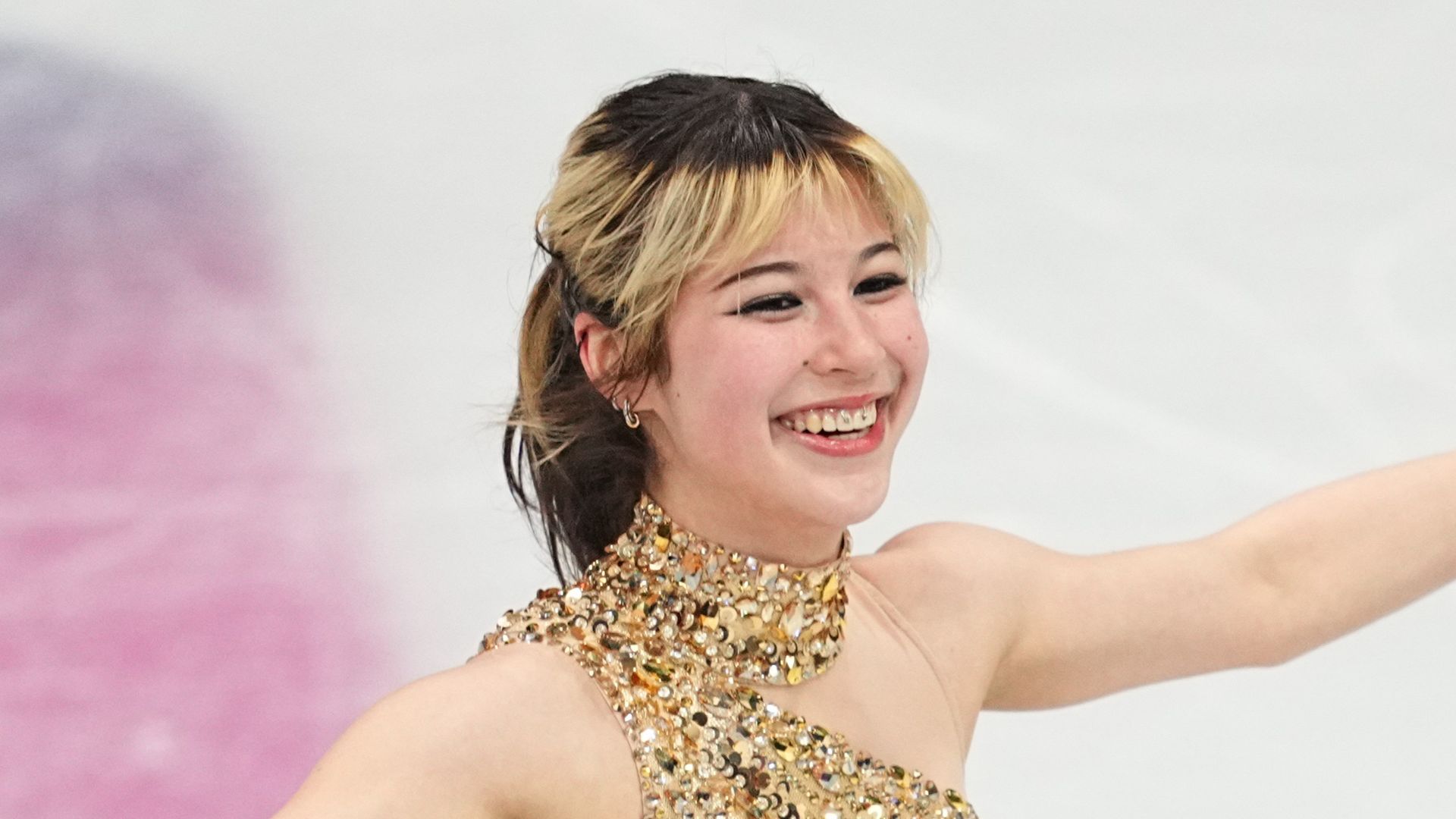
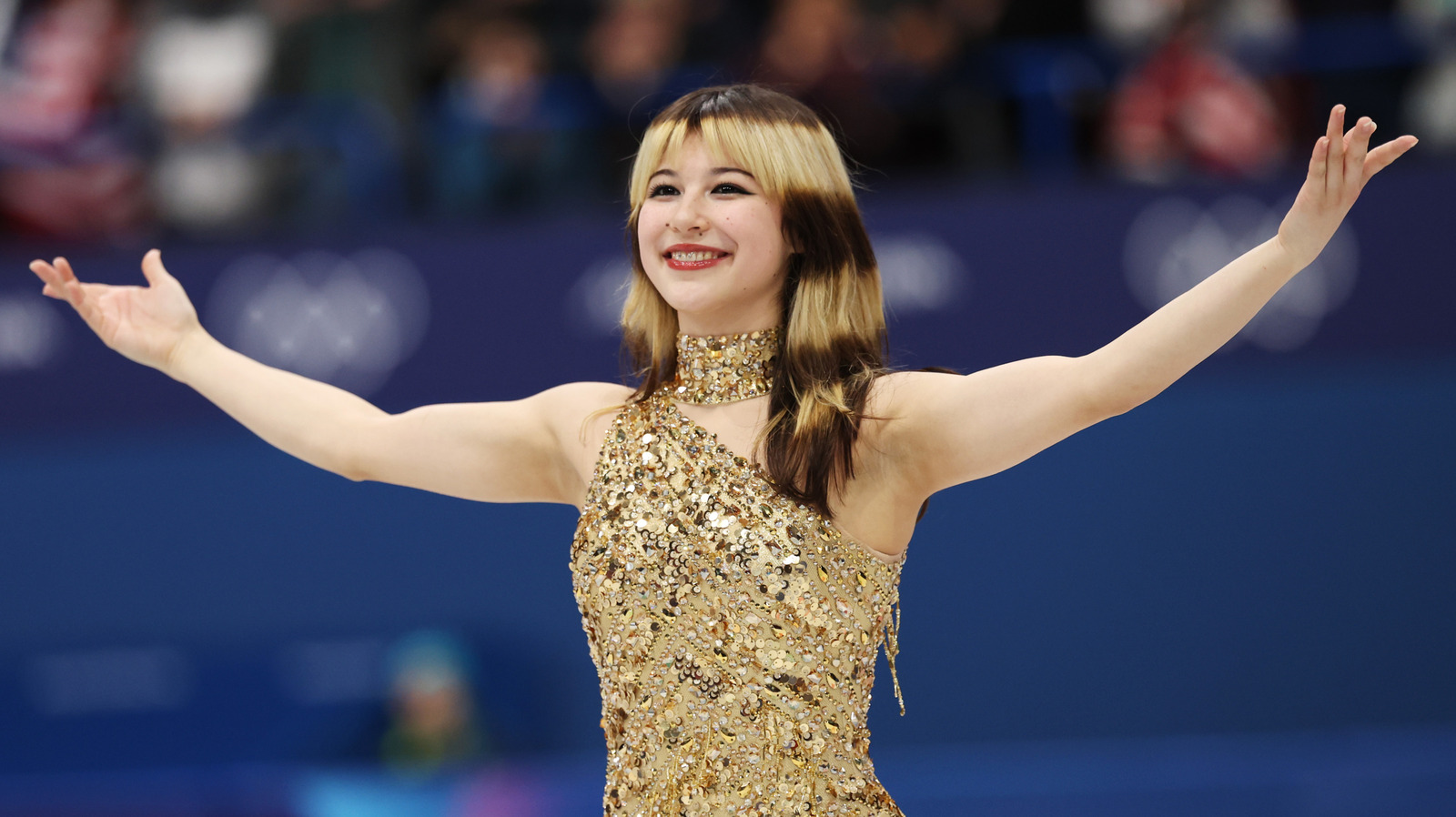
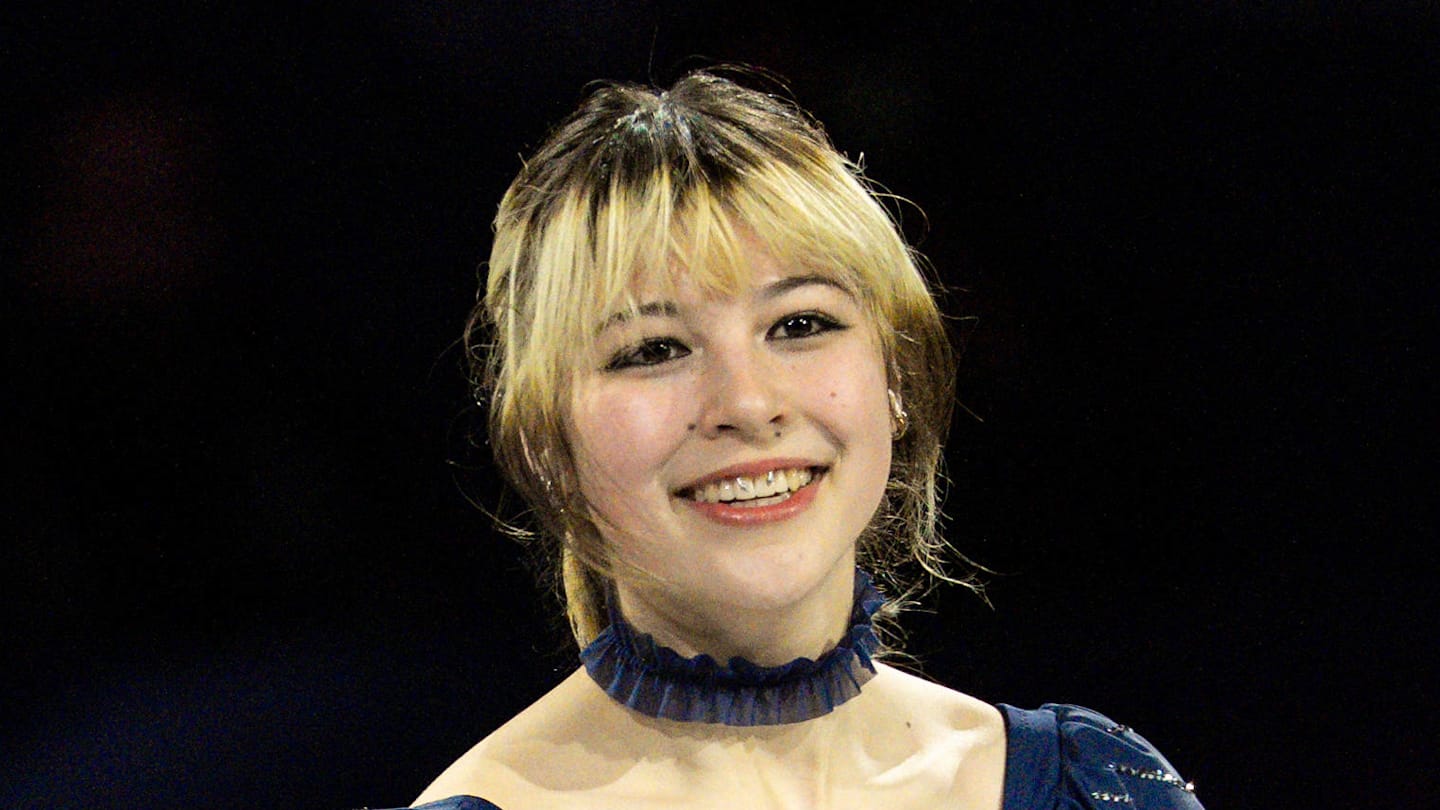
Alysa Liu, the two-time U.S. figure skating champion and Olympic athlete, revealed a prominent tattoo on her left arm and shoulder area during her hiatus from competitive skating between 2022 and 2024. The intricate ink, featuring butterflies and floral designs, serves as a powerful symbol of her personal autonomy and growth following years of intense pressure as a teenage prodigy. Since her competitive return for the 2024-25 season, the tattoo has become a celebrated hallmark of her mature identity as she prepares for the 2026 Winter Olympics.
The Revelation of Alysa Liu’s Tattoo: Timing and Context
The emergence of Alysa Liu’s tattoo was not a staged "reveal" in the traditional celebrity sense, but rather a natural progression of her self-expression shared through social media. Following her surprise retirement at the age of 16 in April 2022—just after winning a bronze medal at the World Championships—Liu stepped away from the rigid confines of elite athletics. During this period, which she spent focusing on her education and personal life, she began sharing photos that showcased a large, fine-line tattoo spanning her left deltoid and upper arm.
For many in the figure skating community, this was a significant visual departure from the "prodigy" image Liu had maintained since she became the youngest-ever U.S. women’s champion at age 13. The tattoo represents a "coming of age" moment, signaling that the skater who had spent her childhood meeting the expectations of judges, coaches, and the media was now making her own aesthetic and personal choices.
The Aesthetic Shift from Child Star to Adult Athlete
In figure skating, an athlete's image is often curated to fit specific archetypes: the elegant ballerina, the powerful technician, or the youthful ingenue. Alysa Liu spent much of her early career in the latter category. When the tattoo was first revealed in late 2023 and early 2024, it served as a definitive marker that her "break" from skating was not just about physical rest, but about identity formation. The tattoo is executed in a modern, illustrative style, utilizing thin lines and delicate shading that complements her natural grace while providing a stark, modern contrast to traditional skating costumes.
Symbolic Meaning: What the Ink Represents
While Liu has not released a formal "manifesto" regarding her body art, the imagery chosen for the piece—butterflies and botanical elements—carries deep cultural and personal resonance. In the context of her career trajectory, these symbols provide a roadmap of her emotional journey.
Butterflies and Transformation
The butterfly is a universal symbol of metamorphosis. For Liu, who achieved global fame at an incredibly young age and faced the immense scrutiny of the 2022 Beijing Winter Olympics, the butterfly signifies her transition from a "skating machine" to a self-actualized individual. The process of retiring, experiencing life outside the rink, and then choosing to return on her own terms is a textbook example of professional and personal transformation.
Floral Imagery and Resilience
The floral components of the tattoo suggest growth and resilience. Unlike the sterile environment of high-stakes ice rinks, botanical art evokes a sense of organic evolution. By choosing to place this art on her shoulder—a part of the body essential for the balance and rotation required in her signature triple Axels—Liu effectively integrated her new identity into her physical instrument of sport.
Figure Skating Culture and the Acceptance of Body Art
The revelation of Alysa Liu’s tattoo sparked a broader conversation within the International Skating Union (ISU) and U.S. Figure Skating regarding modern aesthetics. Historically, figure skating has been a conservative sport where visible tattoos were often discouraged or required to be covered with flesh-colored tape or heavy makeup.
Traditional Expectations vs. Gen Z Expression
The sport’s history is rooted in ballroom dance and military precision, where uniformity and "clean lines" were paramount. However, the rise of Gen Z athletes like Liu, as well as contemporaries like Amber Glenn and Starr Andrews, has pushed the boundaries of traditional presentation. The acceptance of Liu's tattoo reflects a shifting tide where judges and officials are beginning to prioritize the athlete's technical merit and artistic performance over antiquated "decorum" standards.
ISU Regulations on Tattoos
As of the current 2025-2026 season, there are no specific ISU rules that forbid tattoos. However, Rule 501 of the ISU General Regulations touches on "theatricality" and the "well-balanced" nature of a program. In the past, excessive or "distracting" body art could theoretically be penalized under "costume and prop" deductions if a judge deemed it inappropriate for the music. In practice, Alysa Liu’s tattoo has not resulted in any known deductions. Instead, it has been treated as a permanent part of her "costume," often incorporated into the design of her sleeveless or sheer-sleeved skating dresses.
Alysa Liu’s Career Path: From Retirement to the 2026 Winter Olympics
The tattoo is inextricably linked to Liu’s decision to return to the sport. When she announced her comeback in early 2024, the narrative shifted from "Why did she quit?" to "How will she redefine the sport?" Her return was not motivated by a lack of other options—she had been thriving in her studies—but by a rediscovered love for the ice that was no longer tied to external pressure.
The 2024 Comeback Announcement
Liu's return to the ice was one of the biggest stories in winter sports in 2024. She clarified that her time away allowed her to heal mentally and physically. The tattoo became a visible symbol of this "New Alysa." When she stepped onto the ice for her first post-comeback competitions, the ink was visible, signaling to the world that she was returning as her authentic self.
Preparing for Milan-Cortina 2026
As we move through the 2025-2026 season, Liu is a primary contender for the U.S. Olympic team. Her training has focused on consistency and artistic maturity rather than the frantic pursuit of quad jumps that defined her early teens. This "quality over quantity" approach mirrors the deliberate nature of her body art; both represent a choice to be intentional rather than reactive.
| Career Phase | Timeframe | Primary Focus | Identity Markers |
|---|---|---|---|
| The Prodigy Era | 2018–2021 | Technical mastery, Quad jumps | High-pressure, family-managed |
| Olympic Debut | 2022 | Beijing Winter Games, 7th place | Peak physical exertion, mental fatigue |
| The Hiatus | 2022–2024 | Education, personal growth | Retirement, Tattoo Reveal, autonomy |
| The Comeback | 2024–Present | Artistic maturity, Milan 2026 | Self-directed, expressive, veteran status |
Navigating Public Perception and Athlete Autonomy
The public reaction to Alysa Liu's tattoo revealed a divide between traditionalists and modern fans. While some purists expressed concern that the ink would "break the line" of her arm movements, the majority of the skating world embraced it as a sign of a healthy, independent athlete.
The Pressure on Young Female Athletes
The "revealed" tattoo became a talking point for the broader issue of how young women in sports are perceived. For years, Liu was treated as a public asset. Reclaiming her body through permanent art was a way of signaling that her body belongs to her, not to the fans or the federation. This level of autonomy is crucial for the longevity of athletes in a sport known for high burnout rates and early retirements.
Mental Health Advocacy
By being open about her need for a break and her desire to express herself through tattoos, Liu has inadvertently become a mental health advocate. She has shown that it is possible to step away from a high-pressure environment, find one's self, and return to that environment with a healthier perspective. Her tattoo is a permanent reminder of the period when she chose her own well-being over the podium.
Technical Aspects: Integrating Tattoos into Competitive Performance
For athletes at Liu's level, every detail of their appearance is scrutinized for its impact on the "total package" score in the ISU Judging System (IJS).
- Costume Coordination: Liu’s costume designers have worked to ensure that the colors of her dresses (often deep blues, blacks, or vibrant reds) do not clash with the ink on her arm.
- Skin Care and Performance: High-quality tattoos require care, especially under the harsh, dry conditions of ice rinks. Maintaining the vibrancy of the ink while sweating and moving is a minor but necessary part of her daily routine.
- Judges' Perspective: Modern judges are increasingly focused on the "Performance" and "Composition" components. A visible tattoo that aligns with the "story" of the program—such as a piece about freedom or transformation—can actually enhance the artistic narrative.
Frequently Asked Questions
When did Alysa Liu get her tattoo?
Alysa Liu appeared to have gotten her primary arm tattoo during her retirement period between late 2022 and early 2024. It first became widely visible in social media posts during the summer of 2023.
Does Alysa Liu have to cover her tattoo during competitions?
No, she is not required to cover it. While some skaters choose to cover tattoos for specific "classical" programs, Liu has competed with her tattoo visible during the 2024-25 and 2025-26 seasons, reflecting a more modern approach to figure skating aesthetics.
What is the specific design of Alysa Liu's tattoo?
The tattoo is a large-scale piece on her left upper arm and shoulder. It features fine-line illustrative work, including several butterflies and various floral/botanical elements that wrap around the deltoid and bicep.
Why did Alysa Liu's tattoo cause a stir?
It was notable because figure skating has long been a sport of rigid aesthetic traditions. As one of the most successful U.S. skaters of her generation, her choice to get a large, visible tattoo signaled a shift toward greater personal expression and the modernization of the sport's image.
Is Alysa Liu competing in the 2026 Winter Olympics?
As of 2026, Alysa Liu is a leading member of the U.S. Figure Skating team and is actively competing for a spot on the Olympic roster for the Milan-Cortina games, following her successful comeback in 2024.
Moving Forward: The Future of Expression in Figure Skating
The story of Alysa Liu’s tattoo is about more than just ink on skin; it is about the evolution of a sport and the empowerment of its participants. As Liu continues her journey toward the 2026 Winter Olympics, her body art serves as a visual testament to her resilience. For young skaters looking up to her, the message is clear: technical excellence and personal authenticity can coexist.
If you are following Alysa Liu’s journey, the best way to support her is to tune into the U.S. Figure Skating Championships and international Grand Prix events. Her performances now carry a depth of experience that was not present in her earlier years, proving that a break from the spotlight can sometimes be the best thing for a world-class career.