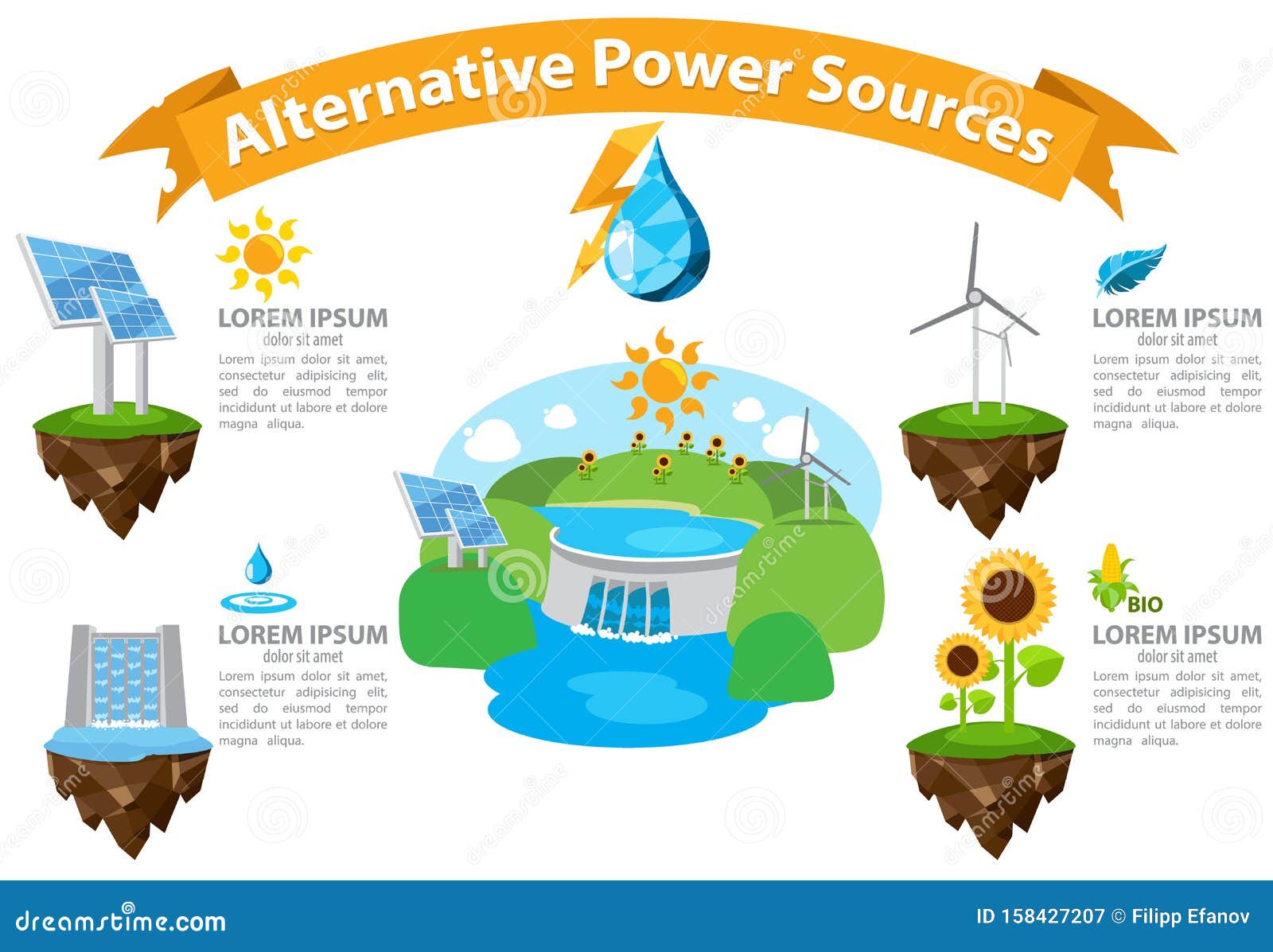
Alternative sources of electricity, primarily renewable energies like solar, wind, and geothermal, provide sustainable alternatives to traditional fossil-fuel-based power. By utilizing natural processes, these systems allow homeowners and businesses to reduce carbon footprints, lower utility costs, and achieve energy independence through decentralized generation and advanced storage technologies.
The Evolution of Alternative Energy in 2026
As of 2026, the landscape of electricity generation has shifted significantly away from centralized, fossil-fuel-dominated grids toward a diversified "energy mix." Alternative sources of electricity are no longer niche experiments; they are foundational components of the global power infrastructure. This shift is driven by a combination of falling hardware costs, improved battery storage density, and aggressive legislative mandates like the United States' Inflation Reduction Act of 2022, which continues to provide substantial tax credits for renewable installations through the mid-2030s.
The primary goal for most individuals seeking alternative electricity is decentralization. This means generating power at or near the point of use, reducing transmission losses, and ensuring that homes remain functional during grid outages. Whether you are looking to take a rural property entirely off-grid or simply want to offset the rising cost of municipal electricity, understanding the technical specifications and requirements of each source is the first step toward implementation.
Solar Photovoltaics (PV): The Most Accessible Alternative
Solar energy remains the most widely adopted alternative source of electricity for residential and commercial applications. By 2026, solar technology has matured to include high-efficiency N-type cells and bifacial panels that capture sunlight from both sides, significantly increasing energy yield per square foot.
How Solar PV Works
Solar panels consist of semiconductor materials, usually silicon, that exhibit the photovoltaic effect. When photons from sunlight strike the cell, they knock electrons loose, creating an electric current. This Direct Current (DC) is then sent to an inverter, which converts it into Alternating Current (AC) for use in standard household appliances.
Key Considerations for 2026
- Efficiency Rates: Modern consumer-grade panels now routinely achieve 22% to 24% efficiency.
- Inverter Technology: Micro-inverters and power optimizers have become the standard, allowing each panel to operate independently. This prevents a single shaded panel from dropping the output of the entire string.
- Mounting and Siting: A south-facing roof (in the Northern Hemisphere) with an inclination of 30 to 45 degrees is ideal. However, east-west orientations are increasingly popular for "peak shaving," providing more consistent power during the morning and late afternoon.
Storage Integration
In 2026, a solar installation is rarely considered complete without a Battery Energy Storage System (BESS). Lithium Iron Phosphate (LFP) batteries have overtaken traditional Lithium-ion (NMC) due to their superior thermal stability and longer cycle life. These systems allow users to store excess mid-day production for use during evening peak hours, a practice known as "time-of-use shifting."
Wind Power: Harvesting Kinetic Energy
For properties with consistent airflow, wind turbines offer a high-output alternative to solar. While solar is silent and passive, wind is dynamic and can generate power 24 hours a day, provided the conditions are right.
Residential Wind Turbines
Small-scale wind turbines generally fall into two categories:
- Horizontal Axis Wind Turbines (HAWT): These resemble traditional windmills and are the most efficient but require steady, non-turbulent air.
- Vertical Axis Wind Turbines (VAWT): These are more compact and can handle turbulent, omni-directional winds, making them better suited for urban or semi-rural environments.
Technical Requirements
To make wind power viable, a site typically needs an average annual wind speed of at least 9–10 mph (4–4.5 m/s). Turbines must be mounted on towers—often 30 to 100 feet high—to reach "clean" air above the turbulence caused by trees and buildings. In 2026, many jurisdictions have streamlined the permitting process for micro-wind, but local zoning laws regarding tower height and noise levels remain a critical prerequisite.
Micro-Hydropower: The Continuous Generator
If your property includes a source of flowing water, micro-hydropower is arguably the most reliable alternative source of electricity. Unlike solar (which needs sun) or wind (which needs gusts), a well-designed hydro system provides a constant, 24/7 stream of electrons.
Head and Flow
The power potential of a water source is determined by two factors:
- Head: The vertical distance the water falls.
- Flow: The volume of water passing a point over a specific time (usually measured in gallons per minute).
A "high-head" system uses a small amount of water falling a long distance, while a "low-head" system uses a large volume of water falling a short distance. In 2026, modular "plug-and-play" turbines have made these systems easier to install, but they still require significant environmental permitting to ensure that local aquatic ecosystems are not disrupted.
Geothermal Energy and Ground-Source Heat Pumps
While large-scale geothermal power plants tap into volcanic heat or deep tectonic plates, residential "alternative" geothermal usually refers to Ground-Source Heat Pumps (GSHP). These systems do not generate electricity directly from heat; rather, they use the constant temperature of the earth (roughly 55°F or 13°C) to provide heating and cooling with extreme efficiency.
By 2026, high-temperature heat pumps have become a viable replacement for gas boilers in older homes. While a GSHP requires electricity to run the compressor, it provides roughly 4 units of thermal energy for every 1 unit of electricity consumed. When paired with a solar array, a geothermal system can effectively eliminate a building's carbon footprint for climate control.
Biomass and Biogas: Waste-to-Energy Solutions
Biomass involves burning organic materials—such as wood pellets, agricultural waste, or processed energy crops—to produce heat or steam for electricity. In 2026, the focus has shifted toward anaerobic digestion for small-scale applications.
Biogas Digesters
Home-scale or farm-scale digesters use bacteria to break down organic waste (food scraps, animal manure) in an oxygen-free environment. This process produces biogas (primarily methane), which can be burned in a modified internal combustion engine to spin an alternator. This setup is particularly effective for off-grid homesteads that have a steady supply of organic "fuel" and require a backup for solar during the winter months.
Emerging Technologies: Hydrogen and V2H
As we navigate 2026, two "new" alternative sources have moved from the laboratory to the driveway:
- Hydrogen Fuel Cells: Small, stationary fuel cells can now provide backup power for homes. These units use "green hydrogen" (produced via electrolysis from renewable sources) to generate electricity through a chemical reaction, with water as the only byproduct.
- Vehicle-to-Home (V2H) Charging: With the massive adoption of Electric Vehicles (EVs), the car in the garage is now a primary alternative power source. V2H technology allows the massive battery in an EV (often 60–100 kWh) to power an entire home for several days during an emergency.
Comparative Analysis of Alternative Electricity Sources
The following table compares the primary alternative sources available in 2026 based on cost, reliability, and installation complexity.
| Source | Primary Requirement | Cost per kW (Estimated) | Reliability | Space Needed |
|---|---|---|---|---|
| Solar PV | Unobstructed sunlight | $2,500 – $3,500 | Intermittent (Day only) | High (Roof/Ground) |
| Wind | >10 mph average wind | $3,000 – $5,000 | Variable | Medium (Vertical/Tower) |
| Micro-Hydro | Flowing water source | $1,500 – $4,000 | Constant (24/7) | Low |
| Biogas | Organic waste stream | $2,000 – $4,500 | On-demand | Medium (Digester tank) |
| Hydrogen | Hydrogen fuel supply | $5,000 – $8,000 | On-demand | Low |
Note: Costs are estimated for 2026 and include typical installation and inverter hardware but exclude major battery storage banks.
Implementation Steps: How to Transition
Transitioning to an alternative source of electricity requires a structured approach to ensure the system meets your needs without over-investing in unnecessary capacity.
Step 1: Energy Audit
Before installing any generation source, you must minimize your demand. Use a thermal camera to check for insulation leaks and replace any remaining incandescent or halogen bulbs with LEDs. In 2026, smart home energy monitors can provide a "load profile" that shows exactly when and where you use the most power.
Step 2: Site Assessment
Use tools like the National Renewable Energy Laboratory (NREL) PVWatts Calculator to estimate solar potential or local meteorological data for wind. For hydro, you must measure the flow rate during both the wet and dry seasons to ensure year-round viability.
Step 3: Financial Planning and Incentives
In 2026, several financial mechanisms exist to offset costs:
- Federal Investment Tax Credit (ITC): Currently provides a 30% credit on the total cost of solar and battery systems.
- Net Metering 3.0: Many utility companies now use a "net billing" structure. This means they pay you less for the power you send to the grid than what they charge you for pulling power. This makes on-site battery storage a financial necessity rather than an optional luxury.
- REAP Grants: For rural small businesses and agricultural producers, the USDA Rural Energy for America Program offers significant grants for renewable transitions.
Step 4: Professional Installation and Permitting
Alternative energy systems involve high-voltage DC and AC electricity, which poses significant fire and electrocution risks if handled improperly. Always use a certified installer (such as those certified by NABCEP in the US) to ensure the system meets the National Electrical Code (NEC) and qualifies for manufacturer warranties.
Common Challenges and Troubleshooting
Even in 2026, alternative energy systems require occasional maintenance and troubleshooting.
- Intermittency: The "duck curve" remains a challenge—solar produces the most power when demand is lowest. Managing this requires smart appliances that can be programmed to run when the sun is shining.
- Hardware Degradation: Solar panels lose about 0.5% efficiency per year. In 2026, monitoring software can alert you if a specific panel is underperforming compared to its neighbors.
- Grid Isolation: If you have a grid-tied system, it will automatically shut down during a blackout to prevent "islanding" (sending power back into the grid where it could injure utility workers). You must have a "gateway" or "transfer switch" and a battery to maintain power during a grid failure.
FAQs
Can I run my whole house on alternative electricity?
Yes, but it requires a "hybrid" approach. Most modern off-grid or high-independence homes use a combination of solar for the majority of the year, a battery bank for nighttime use, and a small wind turbine or a backup generator (often running on propane or biogas) for extended periods of cloudy weather.
What is the lifespan of these systems?
By 2026 standards, high-quality solar panels are warranted for 25 to 30 years. Modern LFP batteries typically last 10 to 15 years (about 6,000 to 10,000 cycles). Wind turbines and hydro systems involve moving parts and require mechanical servicing every 3 to 5 years, but the structural components can last decades.
Do alternative sources work in cold climates?
Solar panels are actually more efficient in cold temperatures because heat increases electrical resistance. However, snow must be cleared from the panels to allow light to reach the cells. Ground-source heat pumps are excellent in cold climates because the earth remains warmer than the frigid air.
Is the 30% tax credit still available in 2026?
Yes, under the current provisions of the Inflation Reduction Act, the 30% Residential Clean Energy Credit is available for systems installed through 2032, after which it is scheduled to step down to 26% in 2033 and 22% in 2034.
Are there "plug-and-play" alternative energy options?
Portable power stations (solar generators) have become highly sophisticated by 2026. These are essentially "all-in-one" units containing an inverter, battery, and charge controller. While not sufficient for an entire home, they are excellent for apartments, workshops, or emergency backup for critical medical equipment.
Practical Recommendation
For the average homeowner in 2026, the most effective path toward alternative electricity is a tiered solar-plus-storage system. Start by installing a solar array sized to cover 100% of your annual kilowatt-hour usage, paired with at least 10-13 kWh of LFP battery storage. This configuration maximizes your return on investment by allowing you to avoid expensive peak-hour utility rates while providing a robust safety net during grid instabilities. Before signing any contracts, verify your home's roof health and consult your local utility's interconnection agreement to understand the current "net billing" rates in your specific jurisdiction.