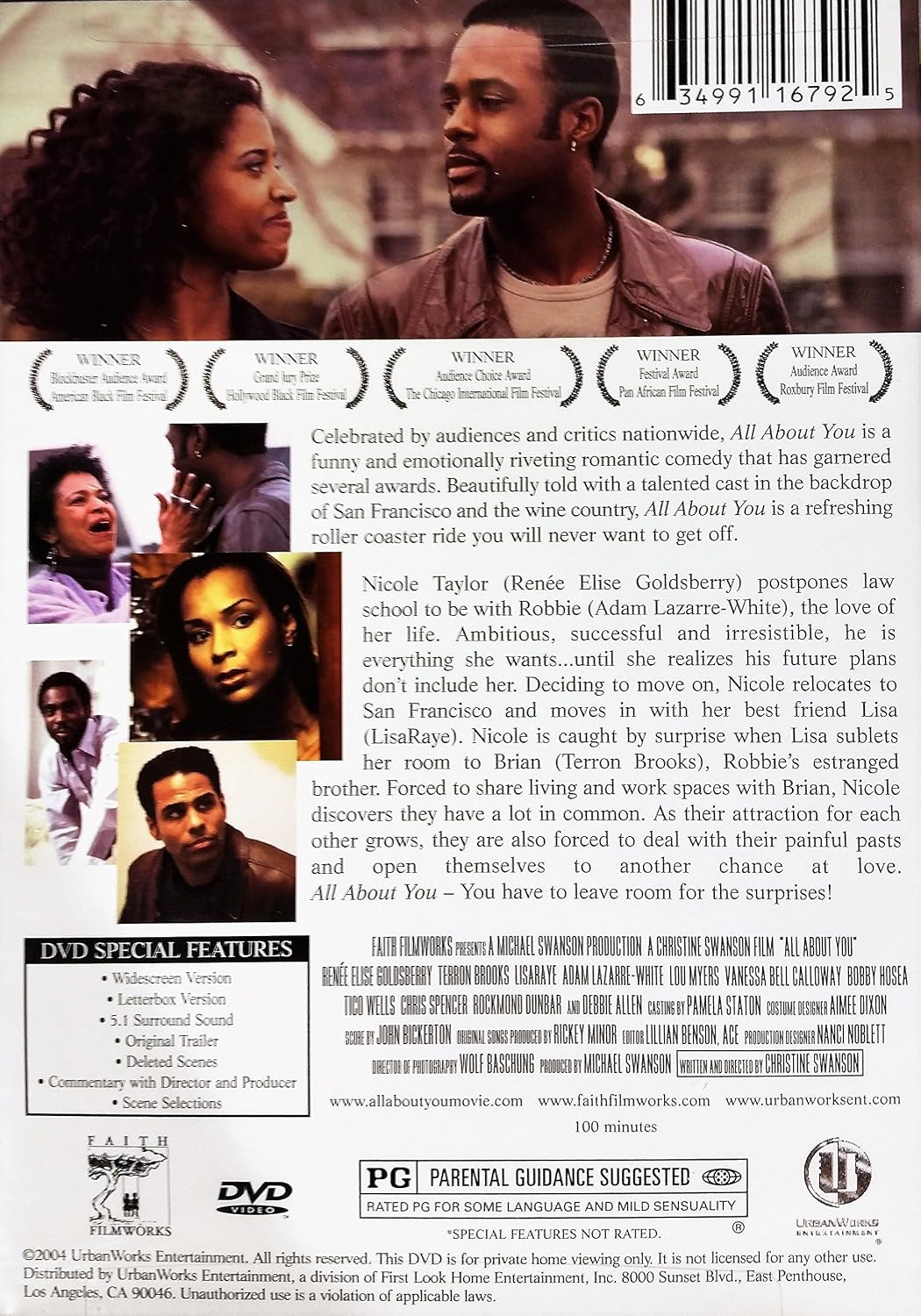
"All About You" is a notable romantic drama that explores the intricate layers of human relationships, emotional vulnerability, and personal reinvention, capturing audience attention through its character-driven storytelling and authentic exploration of modern romance.
Introduction to "All About You"
The cinematic landscape frequently visits the themes of love, loss, and self-discovery, yet few productions manage to balance emotional resonance with compelling narrative momentum quite like "All About You." As contemporary audiences increasingly seek authentic character studies over formulaic romantic comedies, this film addresses those demands by anchoring its narrative in genuine human flaws and relatable dilemmas. This overview examines the structural elements, thematic underpinnings, production context, and critical reception of the film, providing a comprehensive guide for viewers and analysts alike.
Understanding a film of this nature requires looking beyond its basic plot points to analyze how direction, cinematography, and scriptwriting coalesce. Whether approached as an evening viewing choice or as a subject of deeper cinematic study, "All About You" offers a multifaceted viewing experience. By evaluating its core components, prospective viewers and film enthusiasts can better appreciate the artistic choices that define its place in modern cinema.
Narrative Structure and Premise
At its core, the narrative of "All About You" centers on the unexpected intersection of two lives navigating personal stagnation. The protagonist, striving to balance professional ambition with emotional fulfillment, encounters a catalyst figure who disrupts established routines and forces a reckoning with past choices. This setup avoids common genre tropes by emphasizing internal conflicts over external obstacles.
The pacing of the film is deliberate, allowing viewers to absorb the emotional weight of key scenes. Rather than rushing toward a conventional resolution, the plot unfolds in distinct phases:
- The Status Quo: Establishing the protagonist's routine, emotional vulnerabilities, and latent dissatisfaction.
- The Inciting Disruption: An unplanned encounter or life event that challenges the established worldview.
- The Escalation: A series of choices that force both main characters to confront their deepest fears and insecurities.
- The Catharsis: A pivotal turning point where secrets are revealed, leading to a breakdown of emotional defenses.
- The Resolution: A nuanced conclusion that prioritizes personal growth over an idealized fairy-tale ending.
Character Dynamics and Performances
The strength of "All About You" relies heavily on the chemistry between its lead performers and the psychological depth written into their roles. Characters are constructed with complex motivations, ensuring they remain sympathetic even when making questionable choices.
The primary characters exhibit distinct traits that drive the narrative forward:
- The Protagonist: Defined by a defensive exterior and a hidden longing for authentic connection, serving as the primary lens through which the audience experiences the story.
- The Catalyst: Charismatic yet equally flawed, bringing an unpredictable energy that exposes the protagonist's vulnerabilities.
- Supporting Figures: Friends and family members who act as moral compasses, sounding boards, or cautionary examples, preventing the narrative from becoming an isolated two-person study.
The performances elevate the material by relying on subtle expressions and micro-interactions rather than over-the-top melodrama. This restraint allows viewers to project their own experiences onto the characters, fostering a deeper empathetic bond.
Cinematic Style and Production Design
Visually, "All About You" adopts a palette and shooting style that mirror the emotional states of its characters. In the early acts, cooler tones and sterile indoor environments emphasize isolation and routine. As the narrative progresses and emotional barriers begin to crumble, warmer lighting and more naturalistic settings take over, visually signaling the internal shift of the protagonists.
The cinematography utilizes close-ups to capture nuanced reactions, drawing the audience into intimate moments of doubt or realization. Meanwhile, the sound design relies on an understated musical score that supports dramatic beats without overpowering the dialogue. Pacing and editing work in tandem to give quiet moments adequate room to breathe, a technique that distinguishes thoughtful dramas from fast-paced commercial releases.
Comparative Analysis with Contemporary Romances
To understand where "All About You" fits within the broader cinematic ecosystem, it is helpful to compare its approach with standard genre conventions. While traditional romantic comedies focus on misunderstandings resolved by grand gestures, "All About You" leans toward psychological realism and emotional accountability.
| Feature | Traditional Romantic Comedies | "All About You" Approach |
|---|---|---|
| Conflict Source | External misunderstandings or scheduling quirks | Internal emotional blocks and past trauma |
| Character Growth | Minimal; characters change to win affection | Substantial; characters evolve for self-preservation and growth |
| Resolution Tone | Highly idealized, neat, and absolute | Grounded, open-ended, and realistic |
| Pacing | Rapid joke delivery and plot progression | Deliberate, character-focused rhythm |
This comparison highlights why the film resonates with audiences looking for mature storytelling that respects viewer intelligence.
Core Themes and Philosophical Underpinnings
Beyond the surface romance, "All About You" engages with several universal themes that elevate its artistic merit.
The Fear of Vulnerability
A central thesis of the film is that true intimacy cannot exist without mutual vulnerability. Both lead characters have erected protective barriers based on historical disappointments. The narrative explores the discomfort of lowering those guards and the courage required to risk rejection for the sake of genuine connection.
Personal Reinvention
Identity is treated as a fluid concept rather than a fixed state. The film posits that people are capable of breaking out of destructive cycles, provided they are willing to confront uncomfortable truths about their behavior and motivations.
Critical Reception and Audience Impact
Upon release, "All About You" garnered a mixed-to-positive response from critics, who frequently praised its emotional authenticity and strong lead performances while occasionally noting its deliberate pacing. Audiences, particularly those weary of formulaic studio releases, embraced the film for its honest portrayal of modern emotional landscapes. Word-of-mouth recommendations played a significant role in sustaining its visibility, proving that well-crafted character studies continue to find a dedicated following.
Frequently Asked Questions
What is the primary genre of "All About You"?
The film is primarily a contemporary romantic drama. It prioritizes emotional realism, character development, and psychological depth over traditional comedic tropes, making it suitable for viewers interested in character-driven narratives.
Who are the target audiences for this film?
"All About You" appeals largely to mature viewers, fans of independent-style dramas, and anyone interested in stories exploring interpersonal relationships, emotional healing, and personal growth.
Does the film have a happy ending?
Rather than a traditional, formulaic fairy-tale ending, the film concludes with a grounded and realistic resolution. It emphasizes personal accountability and emotional maturity, leaving characters in a place of genuine hope.
How does the film handle pacing?
The pacing is deliberately unhurried, allowing viewers to absorb the emotional subtleties of each scene. This gives the character arcs sufficient time to develop naturally without feeling rushed.
Conclusion and Recommendations
"All About You" stands out as a thoughtful entry in the realm of contemporary dramatic cinema, offering audiences a mature look at the complexities of modern connection. For viewers planning to watch, setting aside distractions to fully appreciate the dialogue and visual cues will yield the most rewarding experience. Those who appreciate nuanced character studies, grounded emotional conflicts, and strong cinematic framing will find this film a worthwhile addition to their watchlist.