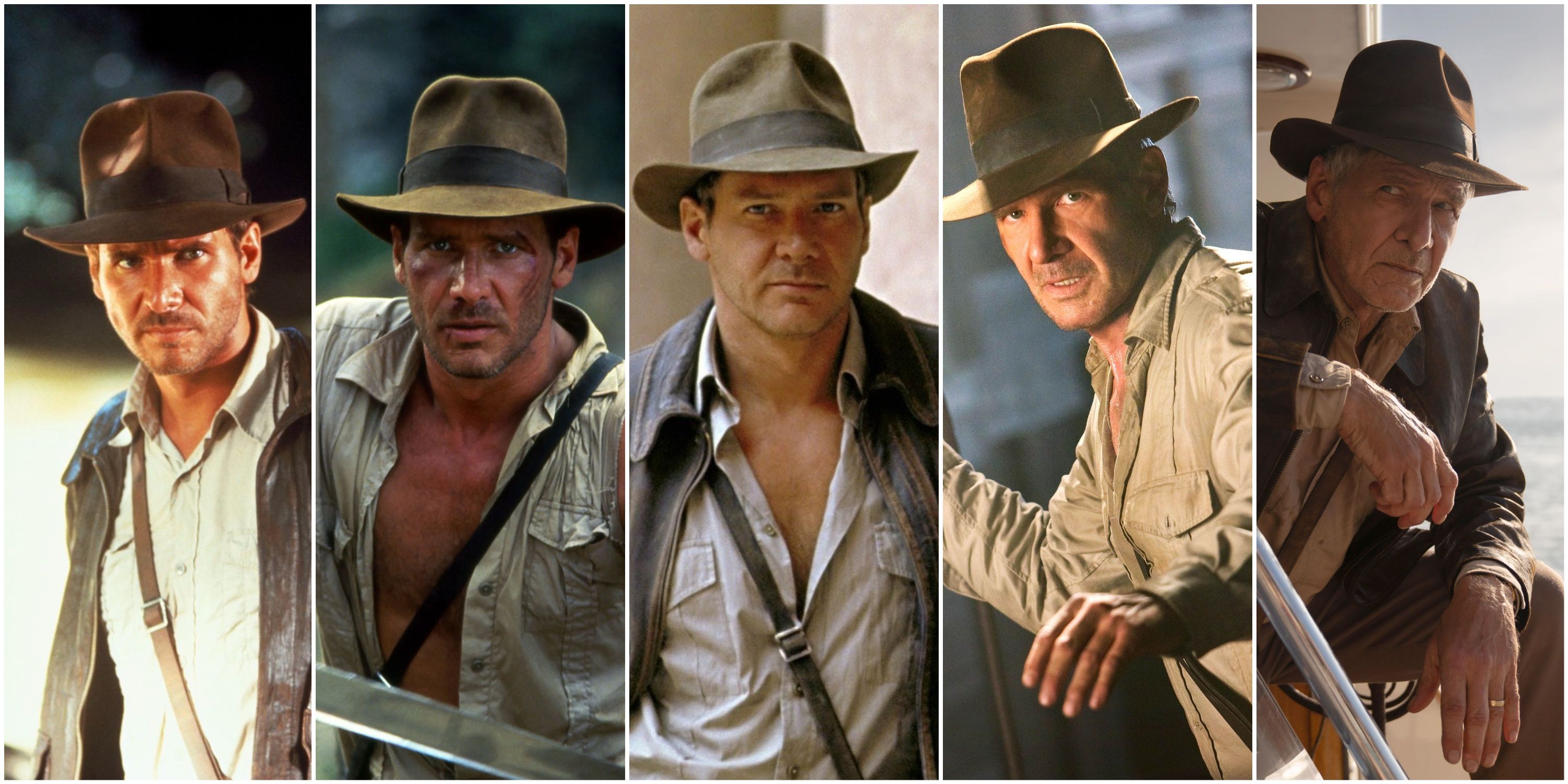
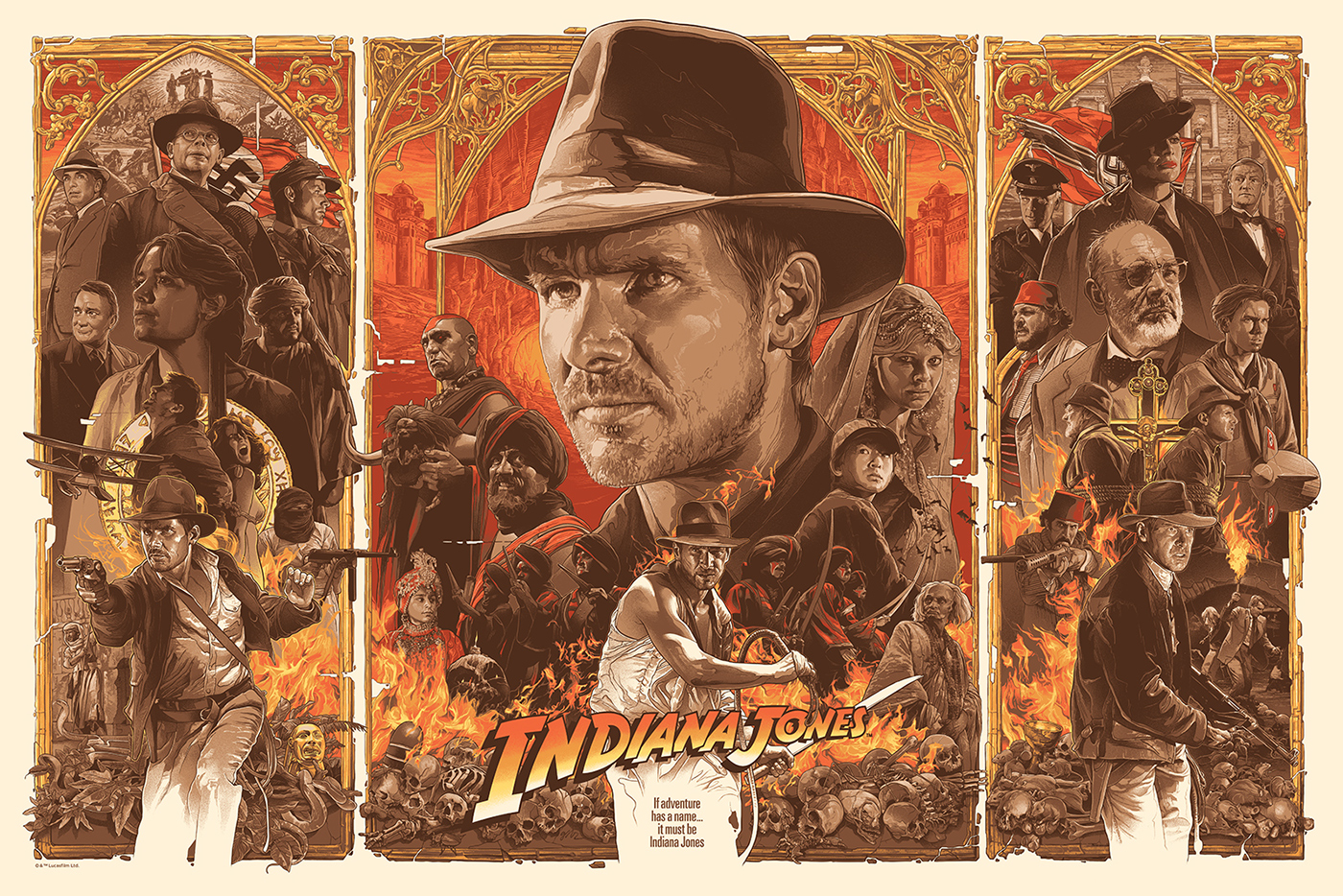
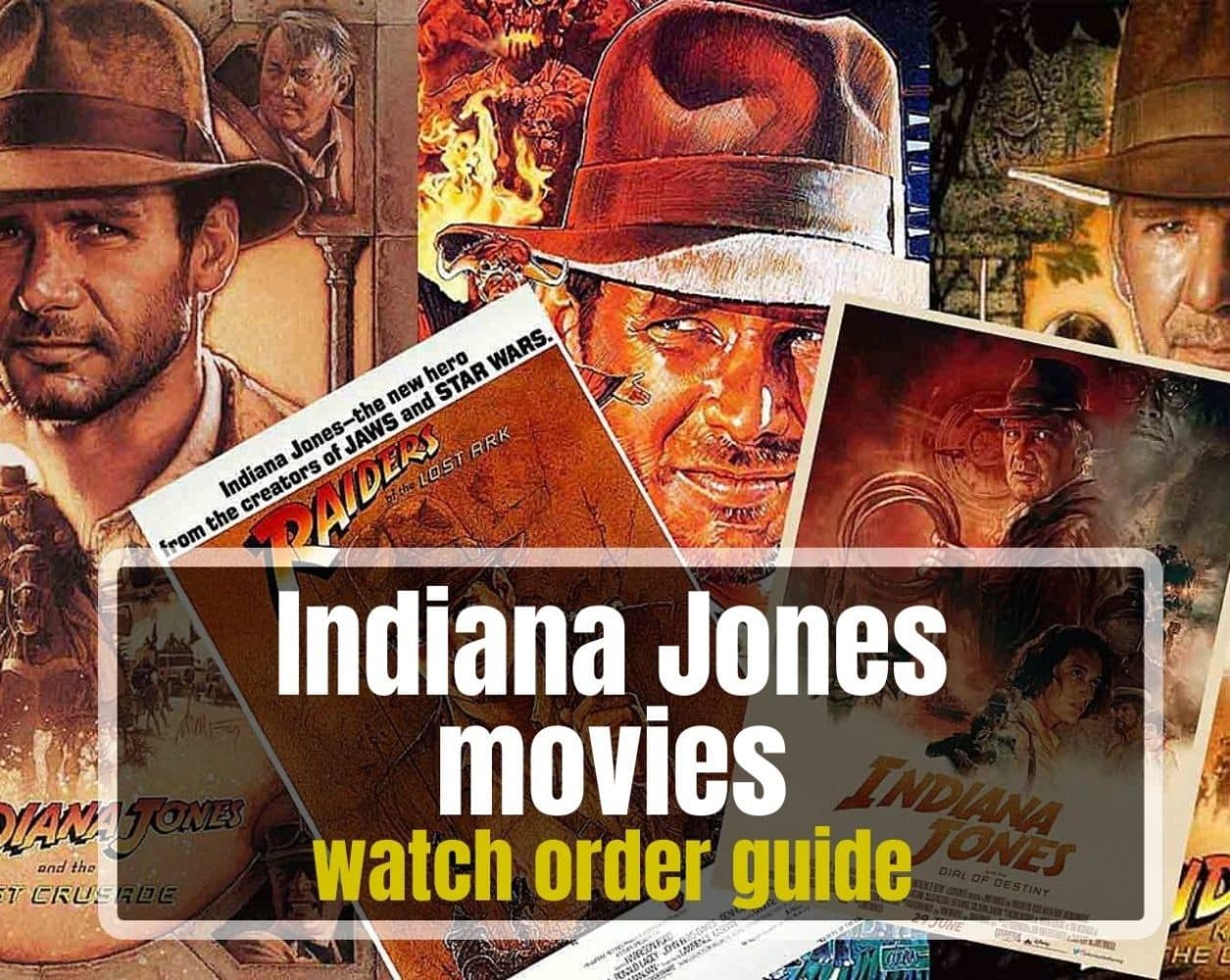
To watch every Indiana Jones film in order, you must follow the adventures of Dr. Henry Walton Jones Jr. across five feature films spanning over four decades of cinema history. The list includes Raiders of the Lost Ark (1981), The Temple of Doom (1984), The Last Crusade (1989), The Kingdom of the Crystal Skull (2008), and The Dial of Destiny (2023).
The Indiana Jones franchise, a collaboration between George Lucas and Steven Spielberg, stands as a cornerstone of the action-adventure genre. Since the debut of the whip-cracking archaeologist in 1981, the series has redefined blockbuster filmmaking through its blend of historical mystery, supernatural elements, and high-stakes stunt work. As of 2026, the series is considered a completed pentatlogy, following Harrison Ford’s final appearance as the character in the fifth installment.
Understanding the full scope of these films requires looking beyond a simple list. It involves examining the chronological timeline of the character’s life versus the order in which the films were released, the evolution of the "MacGuffin" (the central artifact of each film), and the technical shifts in filmmaking that occurred between the original 1980s trilogy and the 21st-century sequels.
The Evolution of an Icon: A Brief History
The character of Indiana Jones was born from a desire to revive the cliffhanger serials of the 1930s and 1940s. George Lucas envisioned a character who was a "professor by day, adventurer by night," blending intellectual rigor with rugged physical capability. Steven Spielberg, looking to direct a "James Bond-style" film without the constraints of the 007 franchise, found the perfect vehicle in Lucas’s concept.
The collaboration brought together Harrison Ford, fresh off his success in Star Wars, with a team of elite craftspeople. This included composer John Williams, whose "Raiders March" became one of the most recognizable scores in history, and sound designer Ben Burtt, who created the iconic sound of Indy’s whip and the heavy thud of a 1930s-style punch.
By 2026, the franchise has solidified its place in the National Film Registry and continues to influence modern adventure media, from the Uncharted video games to the Tomb Raider series. The following sections provide a comprehensive breakdown of every film, ensuring you have all the context needed for a complete marathon.
Every Indiana Jones Movie in Release Order
For most viewers, the release order is the preferred way to experience the series. This allows you to see the technological progression of the films and the natural aging of Harrison Ford, which becomes a central theme in the later entries.
1. Raiders of the Lost Ark (1981)
Set in 1936, the first film introduces Dr. Indiana Jones as he is recruited by Army Intelligence to recover the Ark of the Covenant before the Nazis can harness its supposed supernatural power. Directed by Steven Spielberg, the film set the template for the series: a globe-trotting quest, a formidable female lead (Marion Ravenwood), and a climax involving divine intervention.
The production of Raiders is legendary for its commitment to practical effects and location shooting in Tunisia, Hawaii, and La Rochelle. It was a massive critical and commercial success, proving that the "B-movie" serial format could be elevated to "A-list" cinema status.
2. Indiana Jones and the Temple of Doom (1984)
In a move that often surprises new fans, the second film is actually a prequel, set in 1935. The story follows Indy, his young sidekick Short Round, and nightclub singer Willie Scott as they stumble into a remote village in India. They discover a cult that has stolen the sacred Sankara Stones and is practicing ritual human sacrifice.
Temple of Doom is significantly darker than its predecessor. Its intensity and violence, particularly the infamous "heart-removal" scene, were primary catalysts for the creation of the PG-13 rating by the MPAA. While polarizing at the time of its release, it is now celebrated for its relentless pacing and inventive action sequences, such as the mine cart chase.
3. Indiana Jones and the Last Crusade (1989)
Returning to the 1938 setting, the third installment brings the focus back to the fight against the Nazis. This time, the stakes are personal, as Indy must rescue his father, Dr. Henry Jones Sr. (played by Sean Connery), while searching for the Holy Grail.
The chemistry between Ford and Connery is often cited as the high point of the franchise. The film explores Indy’s backstory, including why he uses a whip and how he got his signature hat, during a prologue featuring River Phoenix as a young Indiana Jones in 1912. It was intended at the time to be the final chapter of the series, ending with the iconic shot of the heroes riding off into the sunset.
4. Indiana Jones and the Kingdom of the Crystal Skull (2008)
After a 19-year hiatus, the franchise returned with a story set in 1957. Reflecting the era of its setting, the film moved away from the 1930s serial vibe and into the realm of 1950s science fiction and Cold War paranoia. Indy faces off against Soviet agents, led by Irina Spalko (Cate Blanchett), in a race to return a telepathic Crystal Skull to a hidden city in Peru.
The film introduced Mutt Williams, Indy’s son, and saw the return of Karen Allen as Marion Ravenwood. While it was a financial success, it received mixed reviews from fans, particularly regarding its heavy use of CGI and the "nuking the fridge" sequence. However, in the years since, many have come to appreciate its attempt to evolve the character into a different historical epoch.
5. Indiana Jones and the Dial of Destiny (2023)
The final film in the series takes place primarily in 1969 against the backdrop of the Space Race. An aging Indiana Jones is nearing retirement when he is drawn into one last adventure by his goddaughter, Helena Shaw. They seek the Antikythera, an ancient mechanism built by Archimedes that supposedly has the power to locate "fissures in time."
Directed by James Mangold (the first film in the series not directed by Spielberg), Dial of Destiny serves as a poignant coda to the character's journey. It features a high-tech de-aged Harrison Ford in an opening sequence set in 1944, providing one last look at "prime" Indy before settling into the melancholic reality of the late 1960s.
The Chronological Timeline
If you wish to watch the movies according to the "in-universe" dates of the adventures, the order changes slightly. Most notably, Temple of Doom moves to the front of the list.
- Indiana Jones and the Temple of Doom: Set in 1935.
- Raiders of the Lost Ark: Set in 1936.
- Indiana Jones and the Last Crusade: Set in 1938 (with a prologue in 1912).
- Indiana Jones and the Kingdom of the Crystal Skull: Set in 1957.
- Indiana Jones and the Dial of Destiny: Set in 1969 (with a prologue in 1944).
Watching in this order provides an interesting perspective on Indiana Jones’s character arc. You see him as a somewhat more cynical "fortune and glory" seeker in Temple of Doom before he becomes the more altruistic (though still grumbly) hero of the later films.
Comparison of the Indiana Jones Films
The following table provides a quick reference for comparing the key elements of each film in the franchise.
| Film Title | Release Year | Historical Setting | Primary Artifact | Primary Antagonist |
|---|---|---|---|---|
| Raiders of the Lost Ark | 1981 | 1936 | Ark of the Covenant | René Belloq / Nazis |
| Temple of Doom | 1984 | 1935 | Sankara Stones | Mola Ram / Thuggee Cult |
| The Last Crusade | 1989 | 1938 | The Holy Grail | Walter Donovan / Nazis |
| Kingdom of the Crystal Skull | 2008 | 1957 | Crystal Skull of Akator | Irina Spalko / Soviets |
| The Dial of Destiny | 2023 | 1969 | Archimedes' Antikythera | Jürgen Voller / Ex-Nazis |
Technical Achievements and Practical Stunts
A major reason the Indiana Jones movies have remained relevant through 2026 is their reliance on high-quality production values. In an era where many action films rely almost exclusively on digital environments, the original trilogy remains a masterclass in practical stunt work.
- The Truck Chase (Raiders): Performed largely by stuntman Terry Leonard, the sequence where Indy climbs around a moving truck was done without modern safety rigs or CGI.
- The Bridge Fight (Temple of Doom): This was filmed on a real rope bridge constructed by engineers over a 300-foot gorge in Sri Lanka.
- The Tank Chase (Last Crusade): This sequence utilized a full-scale, functional tank built specifically for the film, emphasizing physical weight and real explosions.
Even the later films, which utilized digital technology, tried to maintain a "hand-crafted" feel. Dial of Destiny used advanced AI de-aging for its 1944 sequence, but the production still built massive physical sets for the archaeological ruins to ensure the actors had a tangible environment to interact with.
Where to Watch the Indiana Jones Movies in 2026
As of 2026, the distribution rights for the Indiana Jones franchise are split but accessible. Because Disney acquired Lucasfilm in 2012, the most consistent way to stream all five movies is through Disney+.
However, because Paramount Pictures distributed the first four films, they are also frequently available on Paramount+ or through digital retailers such as Apple TV, Amazon Prime Video, and Vudu. For the highest quality experience, the 4K Ultra HD Blu-ray box sets remain the gold standard, offering the films in Dolby Vision with Atmos soundtracks that preserve the original theatrical power of John Williams' scores.
Frequently Asked Questions
Is there a sixth Indiana Jones movie planned?
No. Both Harrison Ford and the creative teams at Disney/Lucasfilm have confirmed that The Dial of Destiny is the final film for the character of Indiana Jones. Ford has been vocal about the character retiring with him, though the possibility of spin-offs in the same universe (not featuring Indy himself) is often a subject of industry speculation.
Do I need to watch the "Young Indiana Jones Chronicles" TV show?
While not required to understand the movies, The Young Indiana Jones Chronicles (originally aired in the early 1990s) is considered canon. It explores Indy’s childhood and teenage years, showing how he met various historical figures like Theodore Roosevelt and Leo Tolstoy. If you want a truly complete list of the "cinematic" life of the character, the television series (often repackaged as "The Adventures of Young Indiana Jones") provides deep context.
Why is Temple of Doom a prequel?
George Lucas decided to make the second film a prequel because he did not want to use the Nazis as villains again so soon after Raiders. By moving the clock back one year to 1935, the writers were free to explore a different region of the world and a different type of threat without having to reference the events of the first film.
Is the "Nuking the Fridge" scene in Kingdom of the Crystal Skull realistic?
In short: no. The scene, where Indiana Jones survives a nuclear blast by hiding in a lead-lined refrigerator, became a shorthand for "jumping the shark" in film criticism. While Lucas and Spielberg defended the idea as consistent with the "over-the-top" nature of 1950s B-movies, it remains the most controversial moment in the franchise’s history.
What is the correct order for a first-time viewer?
The release order is strongly recommended for first-time viewers. The films are designed to be seen in the order they were made, as each sequel often makes subtle nods or thematic developments based on the audience's familiarity with the previous entries.
Recommendation for Your Marathon
If you are planning an Indiana Jones marathon, the best approach is to dedicate a full weekend to the experience. Watch the original trilogy (Raiders, Temple, and Crusade) on the first day to see the character's classic era. On the second day, watch Kingdom of the Crystal Skull and The Dial of Destiny back-to-back. This allows you to appreciate the transition of Indiana Jones from a mid-century action hero into a man struggling to find his place in a rapidly modernizing world.
Ensure you have a high-quality sound system or headphones; the sound design of these films—from the crack of the whip to the roar of the engines—is as much a part of the storytelling as the script itself.