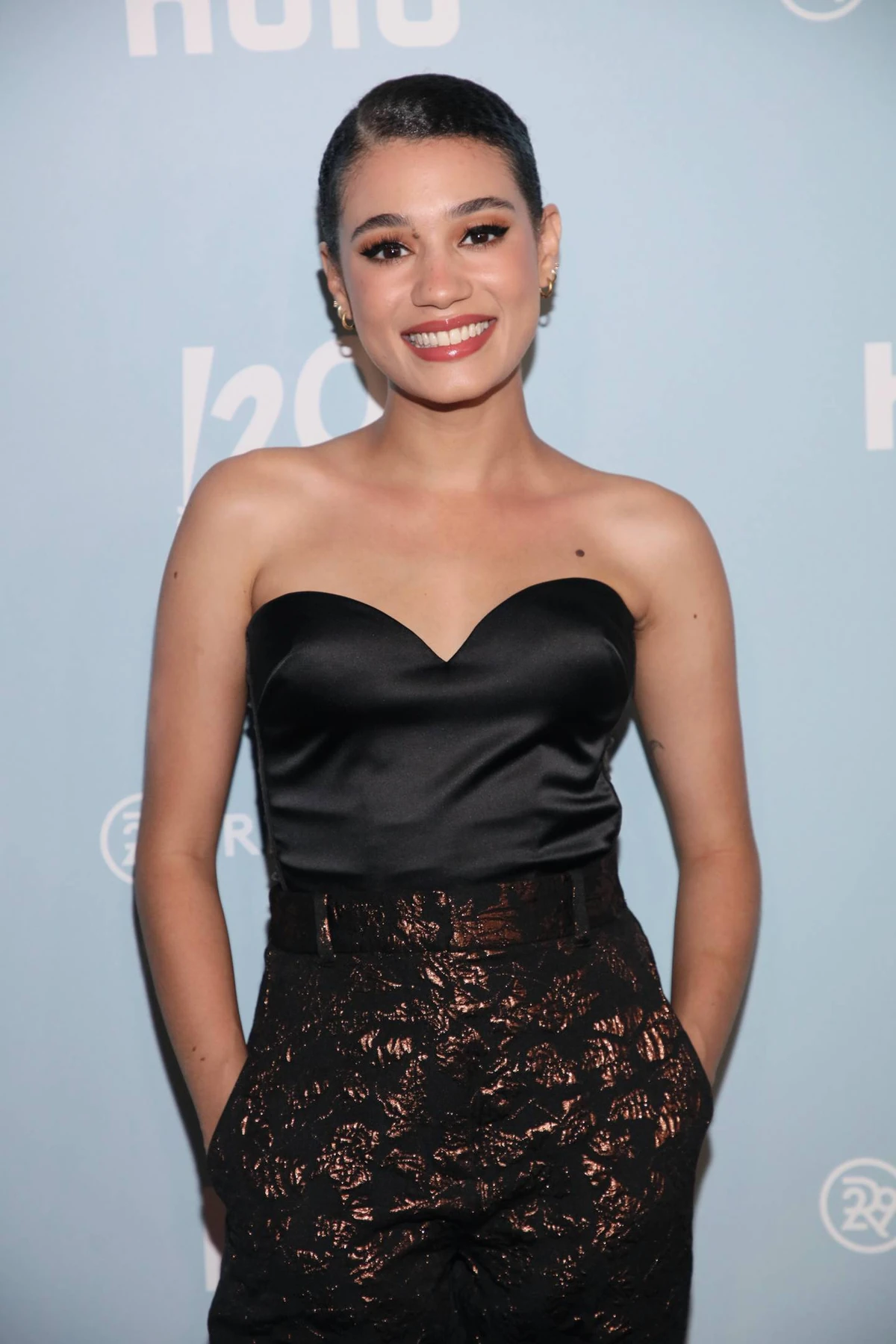
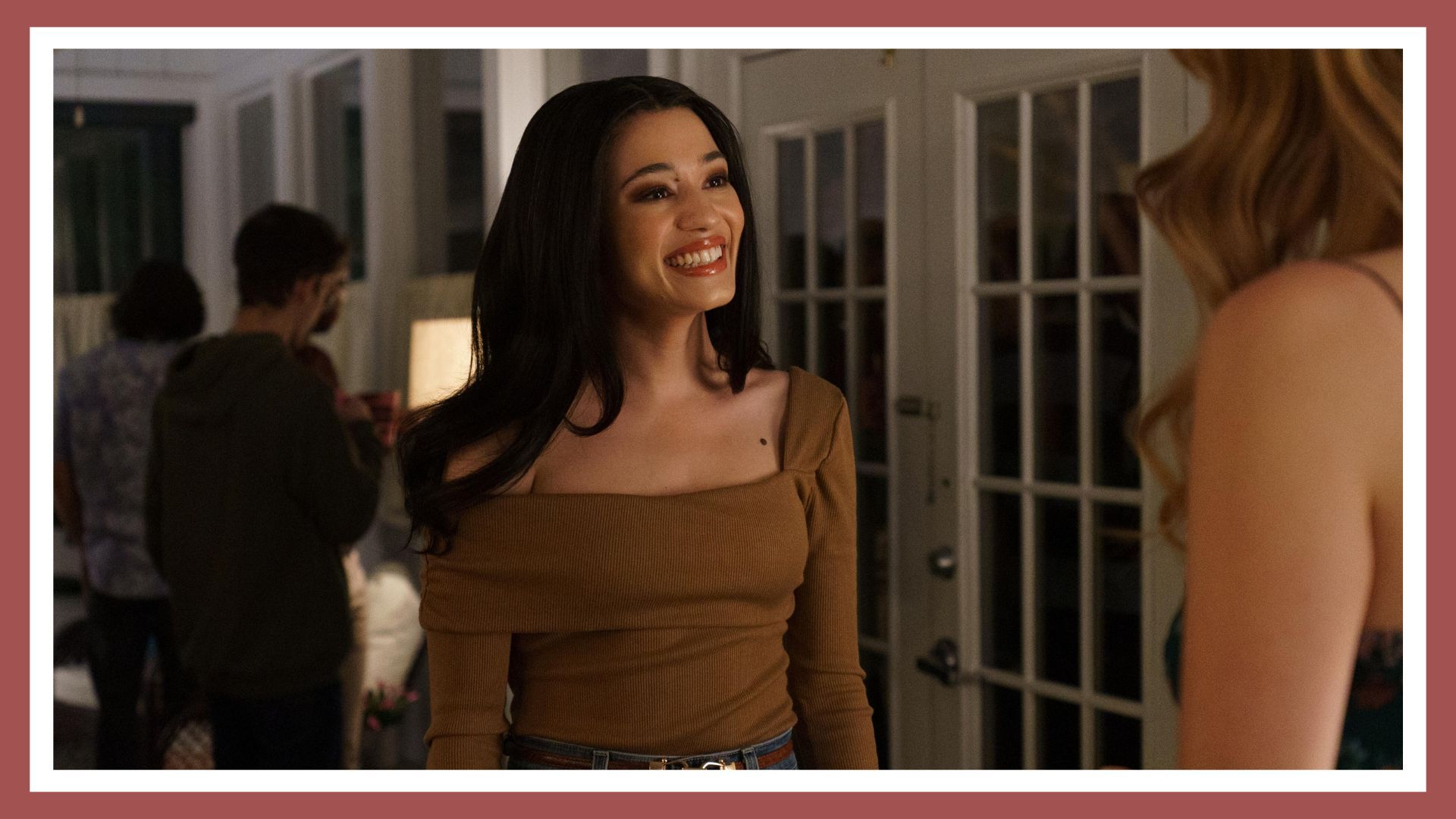
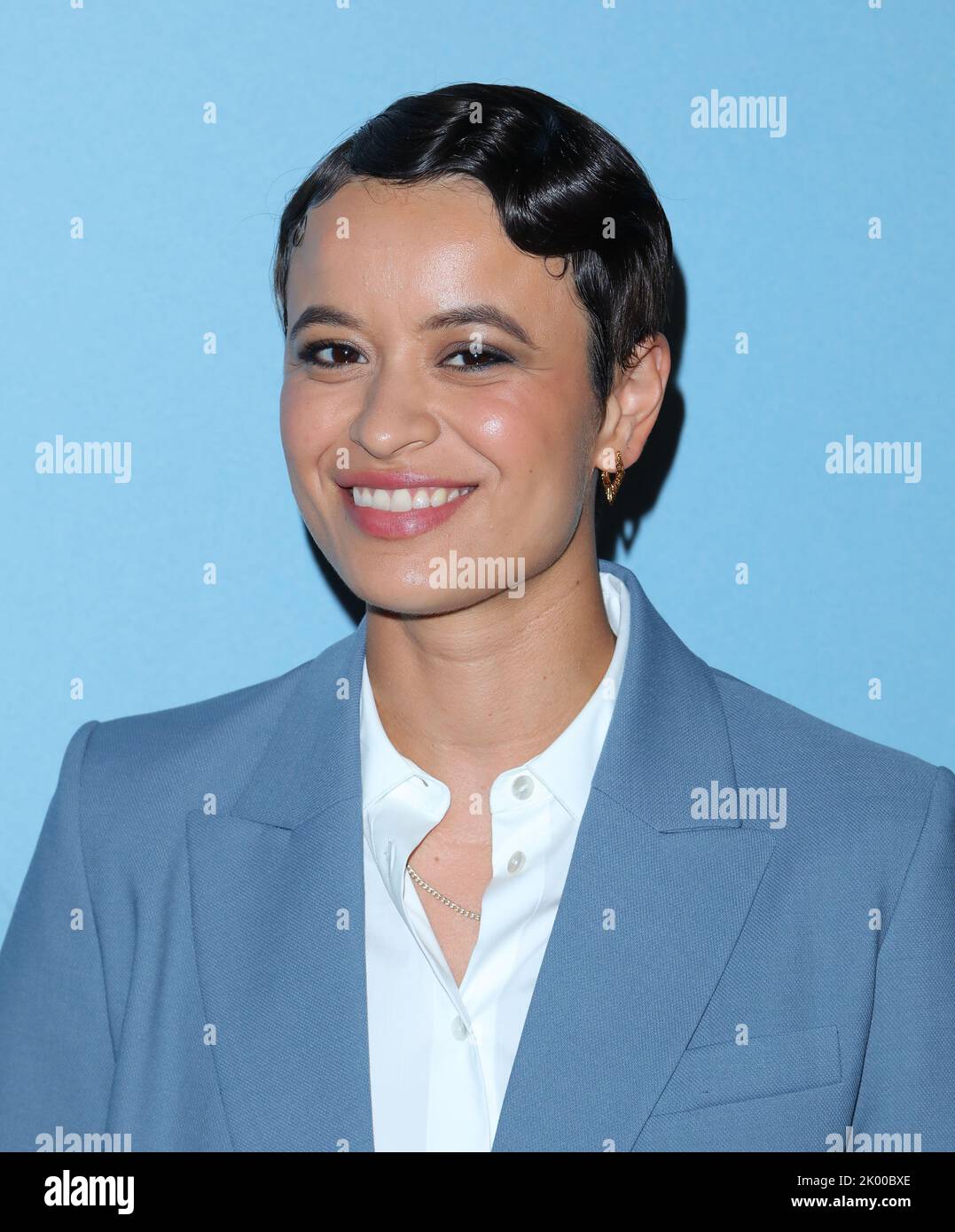
Alicia Crowder portrays Diana in the Hulu original series Tell Me Lies. As a central figure in the show’s exploration of toxic collegiate relationships, Crowder’s character serves as the sophisticated, ambitious foil to protagonist Lucy Albright and the long-term romantic interest of the manipulative Stephen DeMarco. Her performance is widely recognized for adding emotional depth and a sense of tragic intelligence to the high-stakes psychological drama.
The Significance of Alicia Crowder’s Role as Diana
In the landscape of modern television dramas, few characters embody the tension between outward perfection and internal turmoil as effectively as Diana in Tell Me Lies. Portrayed with nuanced restraint by Alicia Crowder, Diana is introduced not merely as a romantic rival to the show’s lead, Lucy Albright (Grace Van Patten), but as a complex woman caught in the same manipulative web spun by Stephen DeMarco (Jackson White).
As of 2026, Crowder’s portrayal of Diana remains a standout element of the series, particularly for how she navigates the character’s evolution from a seemingly untouchable campus "it-girl" to a woman forced to confront her own vulnerabilities and the "sunk cost fallacy" of her relationship. Diana represents the intellectual equal to Stephen, which makes her submission to his gaslighting all the more poignant for the audience. While Lucy is often driven by impulsive passion, Diana is driven by a calculated desire for a successful future, a future she believes Stephen is an integral part of.
Crowder’s ability to convey Diana’s internal architecture—her pride, her Ivy League aspirations, and her desperate need to be the "one" who can truly understand a broken man—elevates the series beyond a typical campus romance. She provides a mirror to the audience, illustrating how even the most capable and intelligent individuals can find themselves trapped in cycles of emotional abuse.
Alicia Crowder’s Background and Path to Tell Me Lies
Before becoming a household name for fans of psychological thrillers, Alicia Crowder established a foundation in both the arts and academia. A classically trained pianist, Crowder’s discipline in music often translates into the rhythmic precision of her acting. Her background in modeling also contributed to the poise she brings to the screen, which is a defining characteristic of Diana.
Crowder first gained significant attention for her role in the Netflix series The Society, where she played Erika. Although that series was short-lived, it served as a proof of concept for her ability to handle ensemble-driven dramas with high emotional stakes. When she was cast in Tell Me Lies, an adaptation of Carola Lovering’s 2018 novel, she faced the challenge of bringing to life a character that readers often had polarizing views on.
In the transition from page to screen, the showrunners expanded Diana’s role, giving Crowder the space to explore the character’s backstory and her life independent of Stephen. This expansion was vital for the show’s success, as it allowed the narrative to move away from a simple "hero vs. villain" dynamic and into a more realistic exploration of how toxic people exploit different types of personalities.
Understanding Diana’s Arc Across the Timelines
One of the defining features of Tell Me Lies is its dual-timeline structure, primarily shifting between the characters’ college years at Baird College in 2007-2008 and a wedding in 2015. Alicia Crowder’s performance is essential in bridging these two eras, showing the long-term psychological fallout of collegiate trauma.
The College Era: The Pursuit of Perfection
In the earlier timeline, Diana is the woman who seems to have it all. She is headed for a prestigious law school, possesses a refined social grace, and maintains a complicated, multi-year history with Stephen. Crowder plays this version of Diana with a visible "armor." She is the person Lucy wants to be and the person Lucy envies. However, as the episodes progress, Crowder reveals the cracks in that armor. We see Diana’s desperation to maintain her status as Stephen’s "primary" partner, often at the expense of her own dignity and mental health.
The 2015 Timeline: The Aftermath
By the time the narrative reaches 2015, the audience sees the permanent changes in Diana’s persona. The show explores how the manipulation she endured in her early twenties shaped her professional life and her later romantic choices. Crowder’s performance in these scenes is more somber and reflective, providing a stark contrast to the competitive energy of her college years. This timeline emphasizes the theme that toxic relationships do not just end; they leave a residue that dictates future behavior.
Analytical Comparison: Diana vs. Lucy
To understand the impact of Alicia Crowder’s character, it is helpful to compare her to the show’s protagonist, Lucy Albright. While both women are under the influence of the same man, their reactions and roles in the narrative differ significantly.
| Feature | Diana (Alicia Crowder) | Lucy Albright (Grace Van Patten) |
|---|---|---|
| Primary Motivation | Professional success and social standing | Emotional validation and truth-seeking |
| Relationship Style | Intellectual partnership and "fixing" Stephen | Passionate, obsessive, and reactive |
| Social Perception | Polished, mature, and intimidating | Guarded, cynical, and impulsive |
| Approach to Stephen | Sees his potential and tries to manage him | Sees his darkness and is drawn to the chaos |
| Career Path | Law and high-level academia | Writing and editorial work |
| Narrative Role | The "Ideal" that Stephen uses as a benchmark | The "Obsession" that fuels Stephen’s ego |
The Technical Execution of the Character
Alicia Crowder’s approach to Diana is a masterclass in "acting between the lines." Because Diana is a character who prides herself on self-control, Crowder cannot rely on big, histrionic outbursts to show her pain. Instead, she utilizes micro-expressions—a slight tightening of the jaw when Stephen mentions Lucy, or a fleeting look of exhaustion when she is alone.
This technical depth is what makes the character’s eventual breakdowns so impactful. When Diana finally confronts the reality of Stephen’s betrayal, the release of emotion feels earned because Crowder has spent so much time building the character’s rigid exterior. Critics have noted that Crowder’s performance prevents Diana from becoming a "victim" stereotype, instead portraying her as a survivor who is still in the process of recognizing her own circumstances.
Furthermore, the chemistry between Alicia Crowder and Jackson White (Stephen) is central to the show's tension. Their interactions often feel like a high-stakes chess match. Unlike the scenes between Stephen and Lucy, which are often fueled by raw, erratic energy, the scenes between Stephen and Diana are characterized by a chilling familiarity. Crowder plays these moments with a sense of "knowing," suggesting that Diana is the only person who truly sees Stephen for who he is, yet chooses to stay anyway.
Impact on the Show’s Success and Cultural Conversation
Tell Me Lies has become a cultural touchstone for its unflinching look at "red flags" and the psychological mechanics of gaslighting. Alicia Crowder’s Diana is frequently at the center of online discourse regarding the show. Fans often debate whether Diana is a "villain" for her treatment of Lucy or a secondary victim of Stephen’s machinations.
In 2026, the series continues to be cited in discussions about collegiate mental health and the importance of recognizing emotional abuse. Crowder has been vocal in interviews about the responsibility of playing such a character, emphasizing that she wanted to ensure Diana felt like a real human being rather than a plot device. This commitment to authenticity helped the show find a dedicated audience that values character-driven storytelling over simple melodrama.
Alicia Crowder’s Career Trajectory and 2026 Outlook
Following the success of Tell Me Lies, Alicia Crowder has seen an expansion in her career opportunities. Her ability to handle complex, dramatic material has made her a sought-after talent for both television and independent film.
As of 2026, Crowder has balanced her time between prestige TV and her passion for music. There has been significant interest in her potential move into more leading roles, particularly in genres that allow her to utilize her background as a pianist. Her trajectory suggests a move toward "actor’s actor" status—someone known for transformative performances rather than just celebrity status.
Industry insiders point to her work in Tell Me Lies as the definitive turning point in her career. By taking a character that could have been a one-dimensional antagonist and making her the emotional heart of several key episodes, Crowder proved her range and her ability to anchor a high-profile production.
Frequently Asked Questions
Is Diana in the Tell Me Lies book the same as in the show?
While the core of the character remains the same, the Hulu series expands Diana’s role significantly. In Carola Lovering’s novel, the story is primarily told from the perspectives of Lucy and Stephen. The television adaptation, thanks in large part to Alicia Crowder’s performance, gives Diana her own agency and explores her life outside of her interactions with the main duo.
What other shows has Alicia Crowder been in?
Before Tell Me Lies, Alicia Crowder was best known for her role as Erika in the Netflix series The Society. She has also appeared in the film Bleecker and has a background in short films and modeling. By 2026, her filmography has grown to include several independent dramatic features.
Does Alicia Crowder actually play the piano?
Yes, Alicia Crowder is a highly skilled, classically trained pianist. This musical background is often credited with helping her develop the discipline and focus required for her demanding dramatic roles.
How many seasons of Tell Me Lies feature Alicia Crowder?
Alicia Crowder is a series regular in both Season 1 and Season 2 of Tell Me Lies. Her character’s arc is essential to the progression of the story in both the 2007/2008 timeline and the 2015 timeline.
Why is Diana’s relationship with Stephen considered toxic?
The relationship is defined by Stephen’s use of "triangulation," where he uses Diana to make Lucy jealous and vice versa. Diana also suffers from emotional manipulation, where Stephen devalues her accomplishments and exploits her loyalty to maintain control over her.
Practical Recommendations for Fans and Viewers
For those looking to fully appreciate Alicia Crowder’s work and the complexities of Tell Me Lies, the following steps are recommended:
- Watch for the Timelines: Pay close attention to the subtle differences in Diana’s styling and demeanor between 2007 and 2015. Alicia Crowder uses these physical cues to signal the character’s internal changes.
- Read the Source Material: Reading Carola Lovering’s novel provides a different perspective on the story, allowing you to see how the showrunners and Crowder added layers to Diana that weren't present in the original text.
- Follow Character-Driven Analysis: Engaging with podcasts or articles that analyze the psychology of the characters can enhance the viewing experience, as the show is designed to be a deep dive into human behavior.
- Explore Crowder’s Earlier Work: To see her range, watch her performance in The Society. It provides a look at her earlier developmental stages as an actress before her breakout role in Tell Me Lies.
Alicia Crowder’s portrayal of Diana is more than just a supporting performance; it is a vital component of the show’s exploration of the human condition. In 2026, the character of Diana stands as a cautionary tale and a deeply empathetic portrait of a woman trying to find her way out of a beautiful, yet destructive, cage.