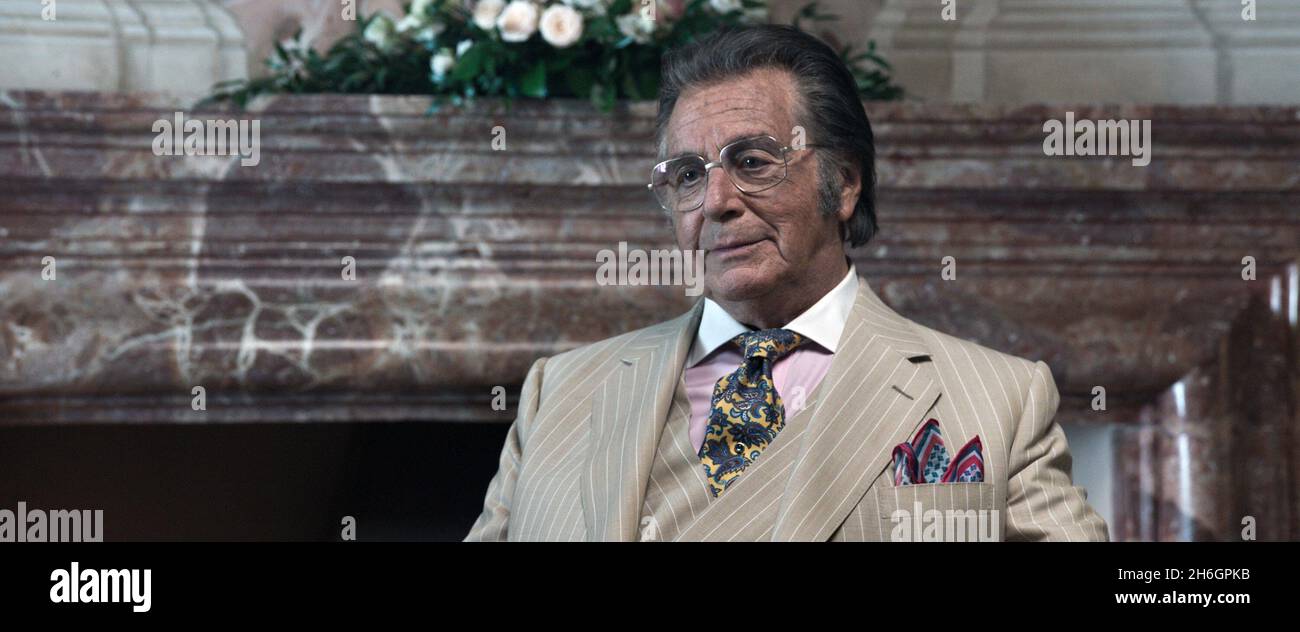
Aldo Gucci's net worth at the time of his death in 1990 was estimated to be between $200 million and $400 million, adjusting for inflation and asset valuation. This wealth was primarily derived from his 50% stake in the Gucci fashion house, though family litigation, tax evasion fines, and the forced sale of the company to Investcorp significantly impacted his final estate.
Building a comprehensive understanding of Aldo Gucci’s financial legacy requires looking beyond a single figure. As the eldest son of Guccio Gucci, Aldo was the primary driver behind the brand's global expansion, transforming a local Florentine leather shop into an international symbol of status. However, his financial story is also one of dramatic decline, characterized by a high-profile prison sentence for tax evasion and a bitter family feud that ultimately stripped the Gucci family of their ownership.
The Pillars of Aldo Gucci’s Wealth Generation
To understand Aldo Gucci's net worth in context, one must examine the period between 1953 and 1986, during which he served as the chairman of Gucci. During this era, the brand's value was not tied to the stock market—as it is today under Kering—but was held in private family equity.
International Expansion and Revenue Growth
Aldo was the visionary who insisted on moving Gucci beyond Italy. In 1953, he opened the first New York boutique in the Savoy Plaza Hotel. This move was the catalyst for his personal wealth accumulation. By establishing a presence in New York, London, Paris, and eventually Tokyo and Hong Kong, Aldo ensured that the "Double G" logo became a global currency.
The revenue generated from these international hubs was unprecedented for a family-owned luxury firm at the time. Aldo’s wealth grew through a combination of:
- Direct Dividends: As a 50% shareholder, he received half of the profits generated by the company’s global operations.
- Licensing Agreements: Aldo pioneered the practice of licensing the Gucci name for a vast array of products, from lighters to car interiors (the AMC Hornet). While this eventually diluted the brand, it generated massive short-term cash flow.
- Real Estate Holdings: Through the company and personal investments, Aldo acquired significant real estate in Manhattan, Beverly Hills, and Rome.
The 50-50 Ownership Structure
Following the death of Guccio Gucci, the company was split between Aldo and his brother, Rodolfo. This 50% stake was the primary source of Aldo's net worth. In the 1970s and early 1980s, if Gucci had been valued at the multiples seen in modern luxury conglomerates, Aldo’s paper wealth would have been in the billions. However, the lack of liquidity in a family-held firm meant his actual net worth was tied to the annual profitability and the eventual valuation during the Investcorp takeover.
The Financial Impact of the 1986 Tax Evasion Case
A significant turning point in Aldo Gucci’s financial trajectory was his 1986 conviction for tax evasion in the United States. This event was not merely a legal setback; it was a major financial drain that redirected millions of dollars away from his estate.
Penalties and Restitution
The U.S. government found that Aldo had siphoned approximately $11 million from Gucci’s American operations into offshore accounts and shell companies. As a result, Aldo was ordered to pay:
- Back Taxes and Interest: Significant portions of the diverted funds had to be repaid to the IRS.
- Fines: In addition to the taxes, Aldo faced heavy fines as part of his sentencing.
- Legal Fees: The cost of defending a multi-year federal investigation in the 1980s was astronomical, likely costing his estate several million dollars.
At the age of 81, Aldo served a year and a day in federal prison. The combination of the financial penalties and the damage to his reputation began the process of destabilizing his control over the Gucci empire, which directly led to the eventual dilution of his net worth.
The Sale to Investcorp: Liquidating the Legacy
The context of Aldo Gucci's wealth is incomplete without discussing how that wealth was transitioned from luxury equity into liquid assets. The internal family warfare between Aldo, his son Paolo, and his nephew Maurizio created a "forced sale" environment.
The Maurizio Gucci Power Play
Maurizio Gucci, who inherited the other 50% of the company from his father Rodolfo, sought to modernize and consolidate the brand. To do this, he needed to remove his uncle Aldo. Maurizio partnered with the Bahrain-based investment firm Investcorp.
Aldo’s net worth during this period became a matter of negotiation. Between 1988 and 1989, Aldo and his sons (Giorgio, Roberto, and Paolo) were pressured to sell their shares.
- Initial Buyouts: Investcorp began buying out the disgruntled family members.
- Aldo’s Exit: By 1989, Aldo had surrendered his shares. While the exact figures for Aldo’s individual payout were kept private, historical records of the total acquisition suggest the family members received hundreds of millions of dollars collectively.
Valuation Discrepancy
It is important to note that the Gucci family sold their stakes at a time when the brand was struggling due to over-licensing and internal mismanagement. In 1993, Maurizio Gucci sold his remaining 50% for roughly $170 million. Given that Aldo and his sons sold their portions slightly earlier and under different conditions, the total "net worth" Aldo walked away with was substantial but far less than the billions the brand would be worth just a decade later under the leadership of Domenico De Sole and Tom Ford.
Comparative Financial Analysis: Gucci Family Era vs. Modern Era
To put Aldo Gucci's wealth into perspective for a 2026 audience, we must compare the historical value of the brand during his tenure with the modern valuation of the Gucci entity under Kering.
| Metric | Aldo Gucci Era (Circa 1980s) | Modern Gucci (2026 Context) |
|---|---|---|
| Ownership Structure | Private Family Equity (50/50 Split) | Subsidiary of Kering (Publicly Traded) |
| Primary Revenue Driver | High-volume licensing and leather goods | High-fashion apparel, accessories, and digital luxury |
| Estimated Brand Value | $400M - $600M | $15B - $20B+ |
| Aldo's Personal Stake | 50% (approx. $200M-$300M value) | N/A (Family has 0% ownership) |
| Global Footprint | ~200 points of sale | 500+ direct boutiques and extensive e-commerce |
The table illustrates that while Aldo Gucci was incredibly wealthy for his time, the true financial potential of the Gucci name was not fully realized until the family was no longer involved. Aldo's net worth represented the peak of a family-run business model, whereas the current valuation represents the power of a global corporate conglomerate.
The Distribution of the Estate and Legacy
Upon his death in January 1990, Aldo Gucci's wealth was distributed among his heirs, including his sons and his daughter, Patricia Gucci. The "context" of his net worth at this stage becomes one of inheritance and ongoing litigation.
Inheritance Disputes
The distribution of Aldo's wealth was not seamless. Having multiple children from different relationships—some of whom were involved in the legal actions that led to his imprisonment—created a complex probate process. Much of the liquid wealth from the Investcorp sale was divided, but the "Gucci" name itself was no longer an asset they could leverage for new wealth.
The Loss of the Gucci Name
A crucial aspect of Aldo’s net worth was the intangible value of the Gucci name. Once the shares were sold, the family lost the right to use the name in any commercial fashion ventures. This meant that the "wealth" was capped; there was no longer a machine generating new millions for the Gucci heirs based on the brand Aldo built. Any subsequent business ventures by his children had to be launched under different names, with varying degrees of financial success.
Examining the "Context" of His 1980s Lifestyle
To grasp the magnitude of his wealth, one must look at the operational costs of Aldo Gucci’s lifestyle. He maintained a level of opulence that required a massive net worth to sustain.
- Palatial Residences: Aldo lived between a grand villa in Rome and luxury apartments in New York City. The maintenance and staffing of these estates cost hundreds of thousands of dollars annually.
- The "Chairman" Image: Aldo viewed himself as the "Michelangelo of Merchandising." His personal branding involved bespoke tailoring, private travel, and hosting high-society events that served as marketing for the brand.
- Philanthropy and Art: Aldo was a collector of fine art and a patron of various Italian cultural initiatives, further indicating a high level of disposable liquidity beyond his business equity.
Why the Figures Are Often Debated
Determining a precise "net worth" for historical figures like Aldo Gucci is difficult because of the era's privacy laws and the nature of private equity. Unlike modern billionaires whose wealth is tracked daily via stock market fluctuations, Aldo's wealth was largely shielded from public view until the tax evasion trial and the Investcorp filings.
Furthermore, the 1980s were a period of extreme currency fluctuation for the Italian Lira against the U.S. Dollar. Since Gucci operated globally, Aldo’s wealth was held in multiple currencies and across various jurisdictions, making a single "net worth" number a simplified representation of a very complex international balance sheet.
FAQs About Aldo Gucci’s Financial Status
How much did Aldo Gucci lose in the tax evasion scandal?
Aldo Gucci was accused of evading $7 million in U.S. taxes. By the time he paid back taxes, interest, and fines, the total financial impact likely exceeded $15 million in 1980s dollars. This was a significant hit to his liquid reserves but represented only a fraction of his total asset value in the company.
Did Aldo Gucci die a billionaire?
No. While the brand he built is now worth billions, Aldo Gucci never achieved billionaire status in his lifetime. His net worth peaked in the hundreds of millions. The transition from a multi-million dollar family business to a billion-dollar global brand happened after the family sold their interests to Investcorp and eventually to what is now Kering.
What happened to Aldo Gucci's money after he died?
His estate was divided among his children. However, the wealth was significantly diluted through the division of assets and the lack of ongoing revenue from the Gucci brand. Most of his heirs live comfortably, but they do not possess the level of "dynastic wealth" associated with modern luxury families like the Arnaults or the Wertheimers.
Did the movie "House of Gucci" accurately portray his wealth?
The film captures the luxury and the high stakes of the family business, but it simplifies the financial mechanics. It accurately reflects that the family’s wealth was tied entirely to their ownership of the company and that the loss of those shares meant the end of their financial empire.
Is any of Aldo Gucci's wealth still in the family today?
The wealth remains in the form of private inheritances and independent business ventures. However, the Gucci family no longer receives any royalties or profits from the Gucci brand. Their current financial status is based on how well the individual heirs managed their portions of the Investcorp buyout funds.
Summary of the Financial Legacy
Aldo Gucci’s net worth was a reflection of his role as the primary architect of the global luxury market. He took a regional brand and gave it the scale of a multinational corporation. While his life ended amidst legal turmoil and the loss of his company, the financial foundation he built allowed the brand to eventually reach the multi-billion dollar valuations seen in 2026.
For those looking to study his financial life, the lesson is clear: Aldo Gucci succeeded in creating immense "brand equity," but the failure to maintain family unity and legal compliance led to the liquidation of that equity at a price far below its future potential.
Practical Action: For those interested in the history of luxury business, researching the 1988–1993 Investcorp filings provides the most accurate historical record of how the Gucci family’s net worth was liquidated and distributed.