The intersection of alcohol and acid creates significant chemical reactions, biological impacts, and industrial applications. Understanding this relationship requires examining organic chemistry, beverage production, laboratory safety, and human physiology to see how these two distinct classes of compounds interact under various conditions.
Fundamental Chemistry: Understanding Alcohols and Acids
To understand how alcohol and acid interact, one must first examine the chemical nature of both substances independently. Alcohols are organic compounds characterized by the presence of one or more hydroxyl (-OH) groups attached to a carbon atom. Common examples range from low-molecular-weight solvents like methanol and ethanol to complex biological molecules. Acids, in the context of organic chemistry and aqueous solutions, are substances that donate protons (Brønsted-Lowry definition) or accept electron pairs (Lewis definition), typically featuring carboxyl (-COOH) groups in organic contexts or hydrogen ions in inorganic solutions.
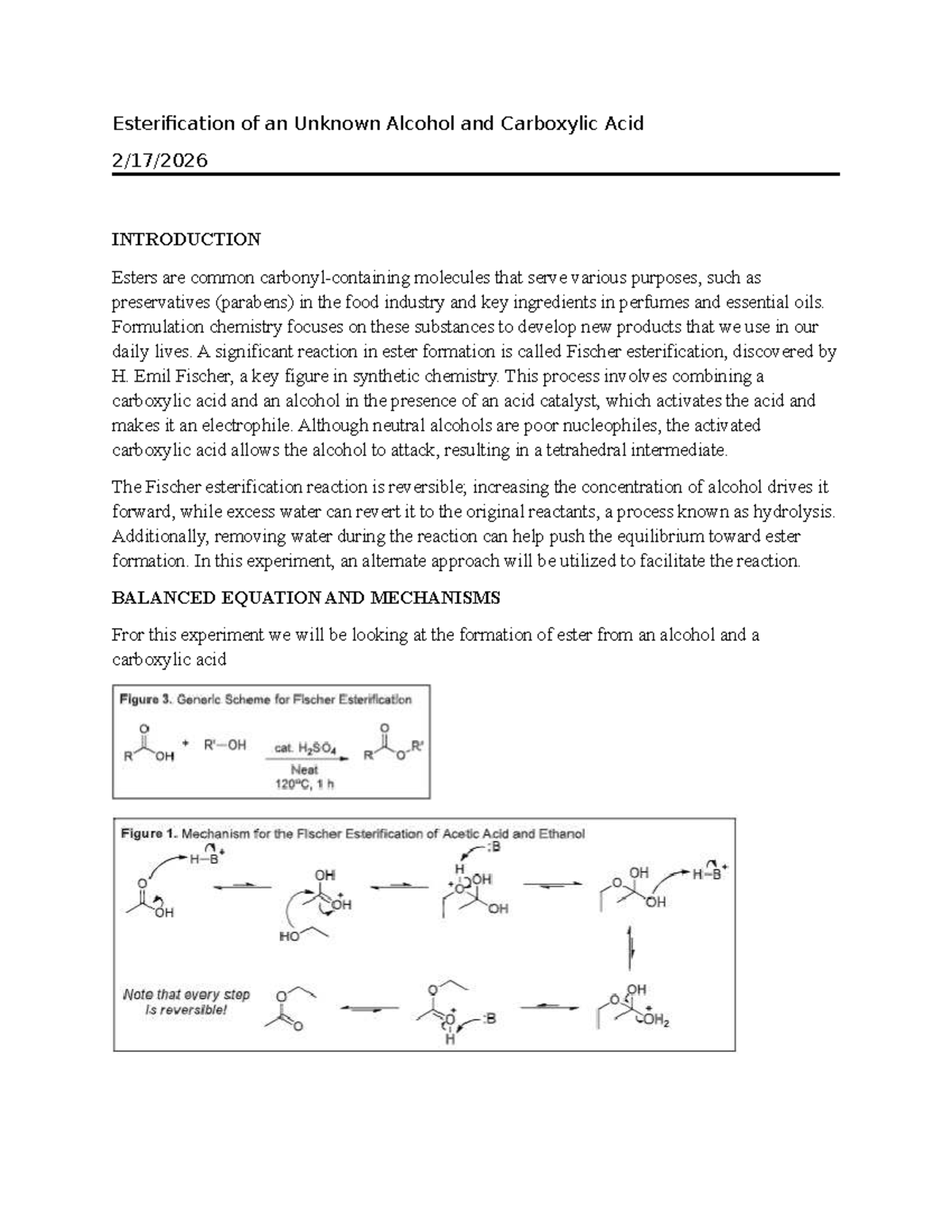
When an alcohol and an organic acid are brought together, particularly in the presence of a strong acid catalyst such as sulfuric acid, a foundational chemical reaction occurs: esterification. During esterification, the hydroxyl group of the alcohol and the carboxyl group of the acid react to form an ester and water. This reaction is reversible and is fundamental to both laboratory synthesis and industrial manufacturing.
$$R\text{-COOH} + R'\text{-OH} \rightleftharpoons R\text{-COOR'} + \text{H}_2\text{O}$$
Beyond synthetic esterification, alcohols and acids coexist in many natural and commercial environments. Their behavior depends heavily on pH, temperature, and the presence of catalysts. In aqueous solutions, weak organic acids like acetic acid or tartaric acid exist in equilibrium with their conjugate bases, while alcohols generally remain uncharged, acting as polar solvents.
Industrial and Laboratory Applications
The interaction between alcohols and acids is not merely a theoretical concept; it drives major industrial processes, chemical manufacturing, and laboratory protocols.
Esterification and Flavor Chemistry
In the flavor and fragrance industry, synthesizing esters through alcohol-acid reactions is a primary method for creating artificial and natural-identical aromas. For instance, reacting ethanol with acetic acid yields ethyl acetate, a compound with a characteristic sweet, fruity scent used widely in solvents and flavorings. Similarly, combining various long-chain alcohols with organic acids produces complex esters utilized in perfumery.
Solvent Chemistry and Formulation
In manufacturing settings, mixtures of alcohols (such as isopropyl alcohol or ethanol) and acids are often used in surface preparation, cleaning formulations, and chemical etching. However, formulators must exercise caution. Certain concentrated mineral acids, such as nitric acid or chromic acid, are powerful oxidizing agents. Mixing strong oxidizing acids with alcohols can trigger violent, exothermic reactions, leading to fires, explosions, or the rapid release of toxic gases.
| Alcohol Type | Common Acid Reactant | Primary Reaction Product | Industrial or Laboratory Use |
|---|---|---|---|
| Ethanol | Acetic Acid | Ethyl Acetate | Solvents, artificial flavorings, coatings |
| Isopropyl Alcohol | Sulfuric Acid | Propene / Diisopropyl Ether | Chemical synthesis intermediates |
| Methanol | Salicylic Acid | Methyl Salicylate | Topical analgesics, liniments, flavorings |
| Fatty Alcohols | Sulfuric / Phosphoric Acid | Alkyl Sulfates/Phosphates | Surfactants, detergents, emulsifiers |
Alcohol and Acid in Food, Wine, and Fermentation
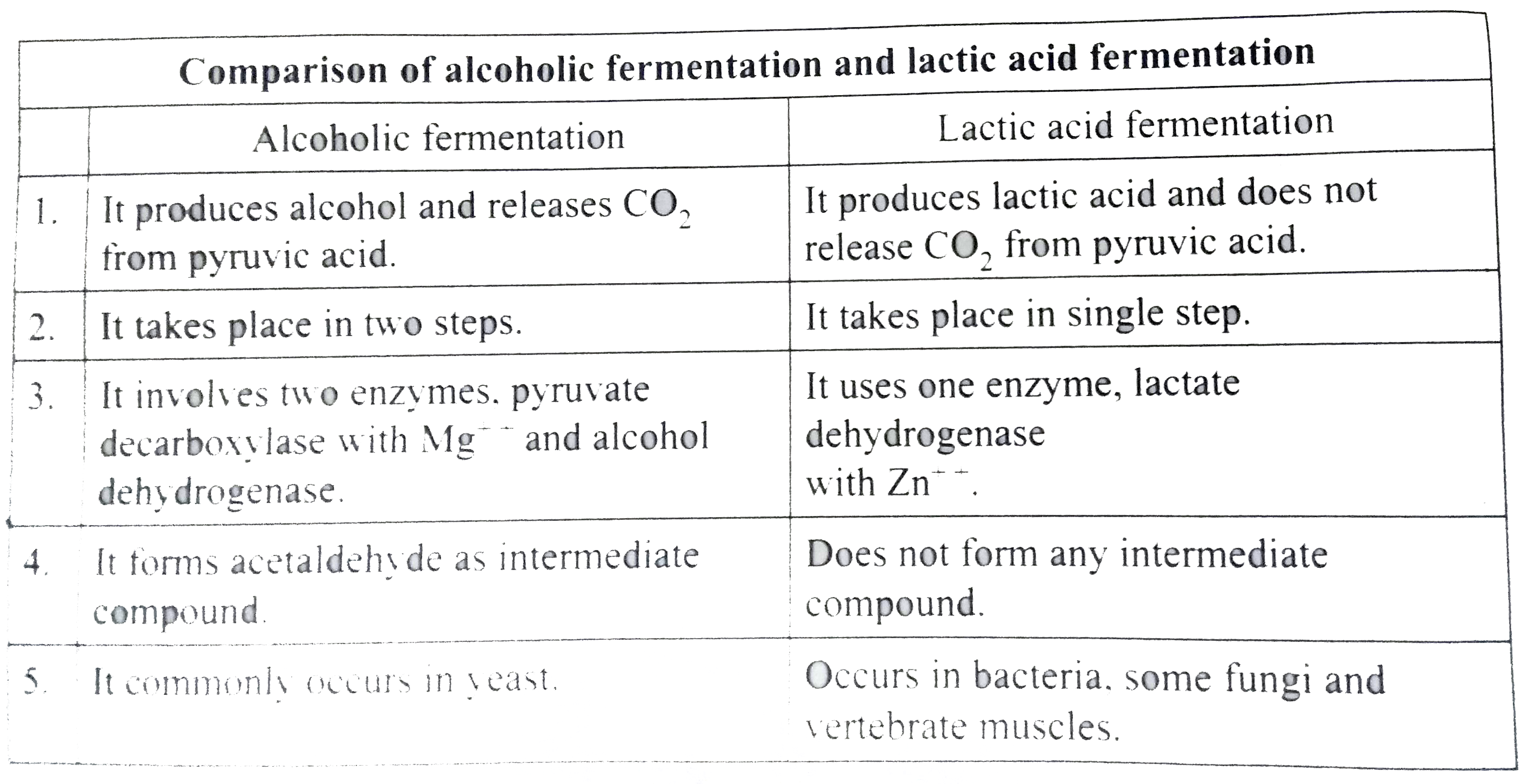
In culinary arts and enology, the balance between alcohol and acidity is critical to flavor profiles, preservation, and sensory perception. Fermentation converts sugars into ethanol and carbon dioxide, while various organic acids—such as malic, tartaric, lactic, and citric acid—are naturally present in fruits or produced during secondary fermentation processes.
Enology and Wine Balance
In winemaking, total acidity and alcohol content are two pillars of a wine’s structural framework. High alcohol can mask perceived acidity, making a hot wine taste flabby if acid levels are too low. Conversely, high acidity without sufficient alcohol or residual sugar can make a wine taste tart, sharp, or unbalanced. Winemakers carefully monitor the pH and titratable acidity throughout fermentation to ensure chemical stability, microbial safety, and optimal sensory balance.
Food Preservation and Pickling
Acidity (low pH) combined with the preservative properties of alcohol or concentrated organic acids creates an inhospitable environment for spoilage microorganisms and pathogens like Clostridium botulinum. While pickling typically relies on acetic acid (vinegar), some traditional culinary preparations utilize alcoholic fermentation alongside acid production, as seen in certain regional beverages and fermented foods.
Physiological and Biological Impacts
When alcohol and dietary or gastric acids interact within the human body, several physiological mechanisms come into play. Ethanol is rapidly absorbed in the stomach and small intestine, while the stomach secretes hydrochloric acid (HCl) to aid digestion.
Gastrointestinal Effects
The simultaneous presence of high concentrations of alcohol and high acidity can irritate the gastric mucosa. Alcohol stimulates gastric acid secretion while simultaneously weakening the mucosal barrier that protects the stomach lining from acid damage. This dual action explains why consuming alcohol, particularly strong spirits or acidic alcoholic beverages, on an empty stomach can exacerbate symptoms of gastritis, acid reflux (GERD), and peptic ulcer disease.
Metabolic Acidosis Risks
In clinical contexts, severe alcohol abuse can lead to metabolic disturbances, notably alcoholic ketoacidosis. This condition occurs due to a combination of starvation, dehydration, and heavy alcohol consumption, which alters the body's NADH/NAD+ ratio and leads to an accumulation of organic acids (ketones) in the blood, dropping blood pH to dangerous levels. This represents a medical emergency requiring professional intervention.
Safety Protocols and Handling Guidelines
Handling concentrated acids and alcohols requires strict adherence to safety protocols to prevent chemical burns, inhalation hazards, and fire incidents.
- Ventilation: Always work in a certified chemical fume hood when mixing volatile alcohols with concentrated acids to avoid inhaling hazardous vapors or fumes.
- Ignition Source Control: Alcohols are highly flammable liquids. Keep them away from open flames, hot plates, and sparks, especially when conducting reactions that generate heat.
- Order of Addition: When diluting concentrated mineral acids (like sulfuric or hydrochloric acid), always add the acid to the water or solvent slowly while stirring, never the reverse, to prevent violent splattering caused by rapid exothermic reactions.
- Personal Protective Equipment (PPE): Wear appropriate chemical-resistant gloves (nitrile or neoprene depending on the specific chemicals), splash-proof safety goggles, and a laboratory coat or apron.
Frequently Asked Questions
What happens when you mix alcohol and an acid?
Depending on the specific compounds, mixing an alcohol and an organic acid in the presence of a catalyst produces an ester and water. However, mixing an alcohol with a concentrated oxidizing acid can cause a violent, exothermic reaction or fire.
Can acidic alcoholic drinks cause acid reflux?
Yes. Alcoholic beverages such as wine, beer, and citrus-based cocktails are both acidic and relax the lower esophageal sphincter. This combination allows stomach acid to flow back into the esophagus, triggering heartburn and acid reflux symptoms.
Why is sulfuric acid used in esterification?
Sulfuric acid acts as a strong acid catalyst. It donates protons that protonate the carbonyl oxygen of the carboxylic acid, making the carbonyl carbon more electrophilic and facilitating nucleophilic attack by the alcohol molecule.
Is it safe to store alcohol in acidic cleaning solutions?
Generally, no. Combining high-proof alcohols with strong mineral acids or oxidizing cleaning agents creates unstable chemical mixtures that pose significant fire, corrosion, and toxicity hazards. Always consult material safety data sheets (MSDS) before combining chemical agents.
How do alcohol and acid affect wine aging?
Over time, slow esterification reactions occur between the alcohols and acids present in bottled wine. These reactions produce pleasant aromatic compounds that contribute to the complex bouquet of aged wines, altering their flavor profile over years of storage.
Conclusion and Best Practices
The interaction between alcohol and acid spans diverse domains, from industrial chemical synthesis and food science to human physiology and laboratory safety. Whether you are managing chemical reagents in a laboratory, evaluating the balance of a fine wine, or considering the physiological impacts of acidic beverages, respecting the chemical reactivity of these substances is essential. Always prioritize safety gear, adhere to proper chemical handling procedures, and consult qualified professionals or safety documentation when handling concentrated reagents.