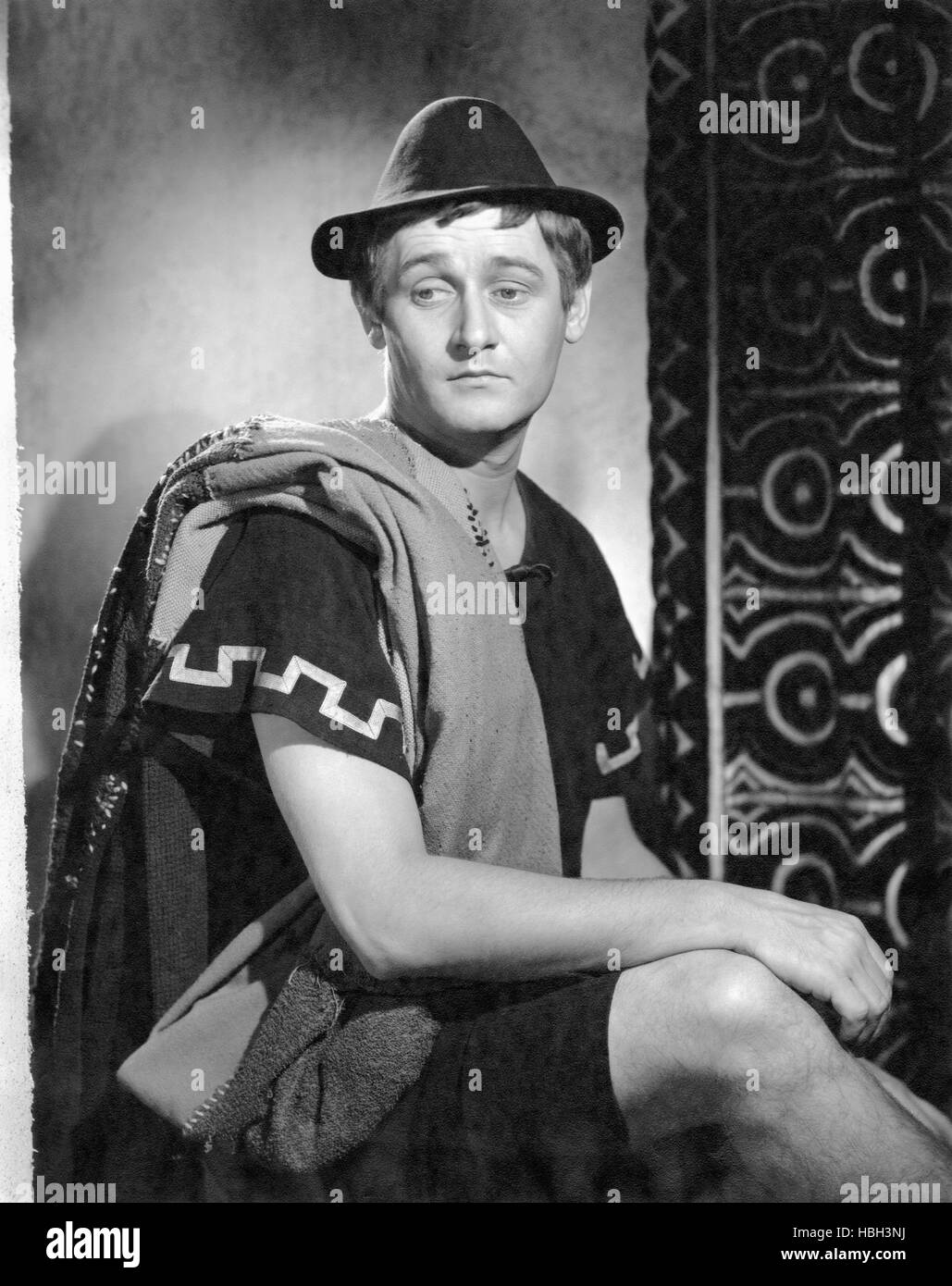
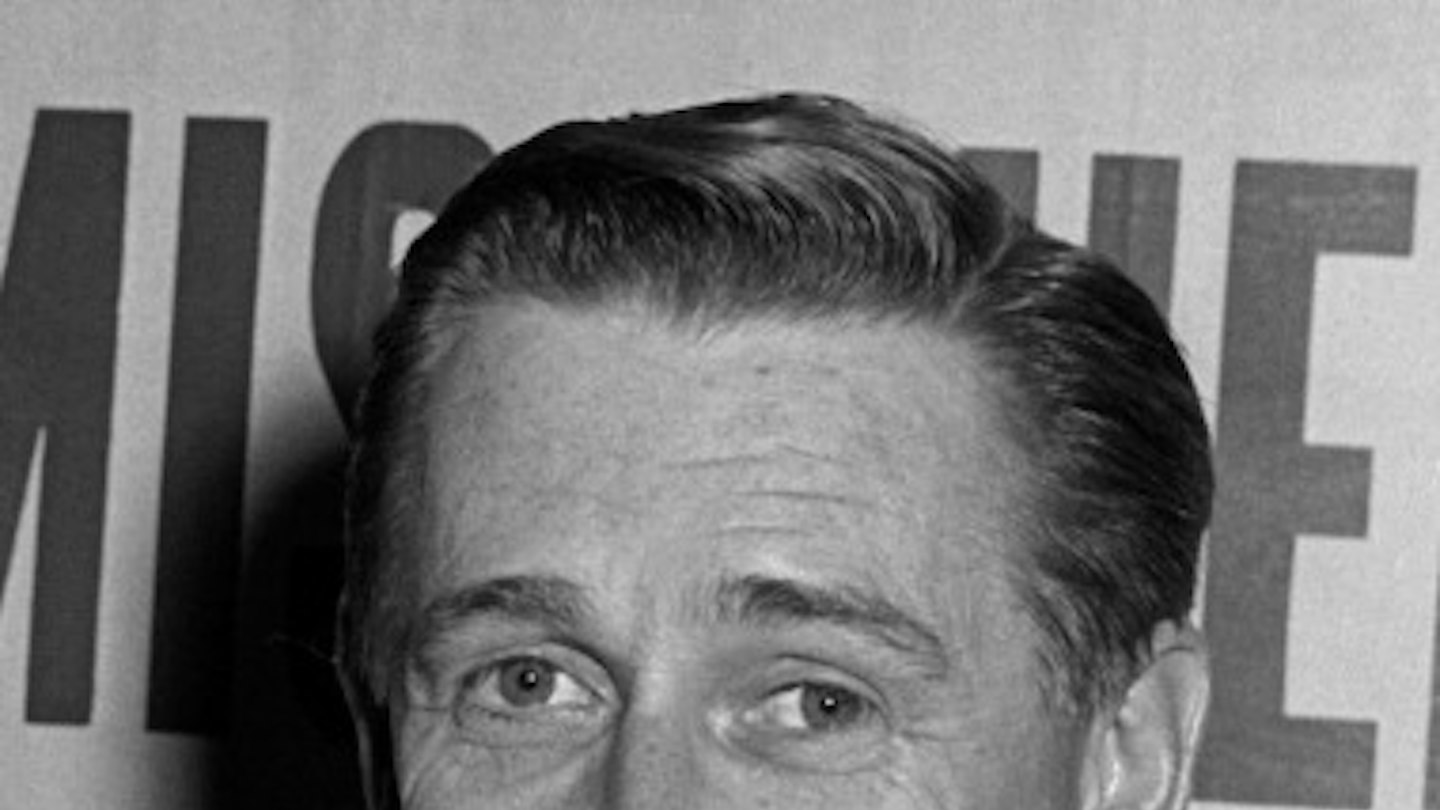
Alan Young was a versatile actor, comedian, and writer whose career spanned over seven decades across radio, television, and film. Best remembered as Wilbur Post in the classic sitcom Mister Ed and as the iconic voice of Scrooge McDuck for Disney, Young’s legacy is defined by his transition from a radio wunderkind in Canada to a staple of American popular culture, marking him as a pivotal figure in mid-20th-century entertainment.
Early Life and Radio Beginnings
Born Angus Young on November 19, 1919, in North Shields, Northumberland, England, he was the son of Scottish parents. His family relocated to Edinburgh, Scotland, and subsequently settled in Vancouver, British Columbia, when he was six years old. It was in Canada that Young first discovered his affinity for performance. His childhood was marked by severe asthma, which often kept him confined to his home. During these periods of isolation, he listened to the radio extensively, developing a deep appreciation for the medium’s ability to conjure imagery through sound alone.
By his teens, Young had entered the professional sphere. He began his career in radio broadcasting at a local station in British Columbia, where his natural comedic timing and vocal dexterity quickly earned him a reputation. By the early 1940s, he had moved to Toronto to pursue larger opportunities. His ability to mimic dialects and create distinct character voices made him a sought-after talent for the Canadian Broadcasting Corporation (CBC). These formative years in radio established the technical foundation for his future success in both voice acting and screen performance, as he learned to manipulate his vocal range to define personality traits—a skill he would famously employ decades later for Disney.
The Transition to Hollywood and Television
Following his success in Canada, Young moved to the United States to explore the booming entertainment industry. In 1944, he launched The Alan Young Show on NBC radio. The show was an immediate success, highlighting his talent for playing a mild-mannered, often bewildered everyman—a persona that would become his trademark. The success of the radio program led to a transition into film, where he signed a contract with 20th Century Fox.
His film career included notable roles in Margie (1946), Chicken Every Sunday (1949), and the 1960 adaptation of H.G. Wells’ The Time Machine. In the latter, Young played the dual role of David Filby and James Filby, showcasing his range as a dramatic actor in a major motion picture. However, it was the advent of the television era that would provide Young with his most enduring claim to fame.
Defining a Legacy: The Mister Ed Years
In 1961, Young took on the role of Wilbur Post in the television sitcom Mister Ed. The premise—a man whose horse, Ed, talks exclusively to him—was inherently absurdist, yet the show’s success relied heavily on the chemistry between Young and the titular character. As the straight man to a palomino, Young’s physical comedy and expressive, exasperated reactions provided the show with its grounding.
Mister Ed ran for six seasons, concluding in 1966. For many, Young’s performance as the architect Wilbur Post remains the definitive portrayal of the "perpetually perplexed" television husband. The show’s production was technically innovative for the era; the process of "making" the horse talk—which involved placing a piece of nylon thread in the horse’s mouth—required immense patience and timing from Young. His ability to deliver lines while engaging in the physical mechanics of the set established him as a master of ensemble performance, even when his scene partner was an animal.
Voice Acting and the Scrooge McDuck Era
After the conclusion of Mister Ed, Young entered a prolific second act in his career as a voice actor. While he provided voices for numerous animated series during the 1970s and 1980s, he is globally recognized for his portrayal of the Scottish miser Scrooge McDuck. He first voiced the character in the 1974 featurette Mickey’s Christmas Carol.
His performance as Scrooge was a masterclass in characterization. He leaned into his Scottish heritage to provide a gravelly, distinct, and ultimately endearing voice for the character, which he reprised in the acclaimed series DuckTales (1987–1990), various video games, and later revivals. Young voiced the character for over four decades, becoming synonymous with the role. His work in animation allowed him to maintain a connection with younger generations long after his live-action primetime career had slowed, solidifying his status as a legendary figure in the voice-acting community.
Comparison of Career Phases
The following table highlights the distinct phases of Alan Young’s career, showcasing the breadth of his professional output.
| Career Phase | Primary Medium | Iconic Roles / Works | Impact |
|---|---|---|---|
| Radio (1940s) | Broadcast Radio | The Alan Young Show | Established comedic persona and technical vocal skills. |
| Early Film (1946–1960) | Cinema | The Time Machine | Demonstrated dramatic range and transition to feature film. |
| Television (1961–1966) | Television | Mister Ed | Created a cultural icon; mastered physical comedy. |
| Voice Acting (1974–2016) | Animation | DuckTales (Scrooge McDuck) | Achieved multi-generational recognition and status as a voice legend. |
Personal Life and Interests
Beyond the screen, Young was a man of diverse interests and deep convictions. He was a committed member of the Church of Jesus Christ of Latter-day Saints, which often influenced his philanthropic work and his professional choices. He was known for his humility and his dedication to his craft, often prioritizing roles that aligned with his values.
Young was also a dedicated advocate for animal welfare, a passion that arguably informed the patience and respect he displayed toward his equine co-star during the filming of Mister Ed. His life was characterized by a lack of the typical tabloid drama often associated with Hollywood figures; instead, he was regarded by peers as a professional, kind, and immensely talented colleague who enjoyed the quiet aspects of life, including writing and charitable service.
Notable Achievements and Recognitions
Throughout his life, Young received numerous accolades, including a Primetime Emmy Award for The Alan Young Show in 1951. In 2016, his contributions were honored with a star on the Canada's Walk of Fame, recognizing his journey from a young Canadian radio host to an international star. His influence on the animation industry is particularly significant, as his portrayal of Scrooge McDuck set the standard for how the character is voiced and understood in popular media today.
Frequently Asked Questions
Did Alan Young actually train the horse in Mister Ed? While Alan Young did not personally train the horse, he spent extensive time bonding with the animal, Bamboo Harvester. He credited the horse’s intelligence and trainer Les Hilton for the show’s success. Young noted in various interviews that the horse was highly disciplined, which allowed for the intricate blocking required for their scenes.
How many episodes of DuckTales did Alan Young voice? Alan Young voiced Scrooge McDuck in the original 1987 series, which spanned 100 episodes. He also voiced the character in the 1990 film DuckTales the Movie: Treasure of the Lost Lamp and continued to portray the character in various video games and specials well into the 2010s.
What was Alan Young’s relationship with the Disney studio? Young maintained a long and productive relationship with Disney. Aside from Scrooge McDuck, he provided voices for characters in The Great Mouse Detective (1986) and appeared in various Disney-related productions. His reliability and distinct voice made him a favorite of Disney casting directors for decades.
What is the significance of his role in The Time Machine? In the 1960 version of The Time Machine, Young’s performance as David Filby provided an essential human connection to the protagonist. It was one of the few instances where Young was given a significant dramatic role in a major studio science-fiction film, proving he was more than a comedic actor.
Final Reflections
Alan Young’s career was a testament to the power of reinvention. From the golden age of radio to the invention of the sitcom and the growth of modern animation, he navigated the shifting landscapes of entertainment with grace and adaptability. His legacy is not only found in the millions of hours of film and television he left behind but in the warmth and humanity he brought to his characters. For those looking to study the history of mid-century performance, Young’s body of work remains an essential starting point, serving as a masterclass in both physical acting and vocal nuance.