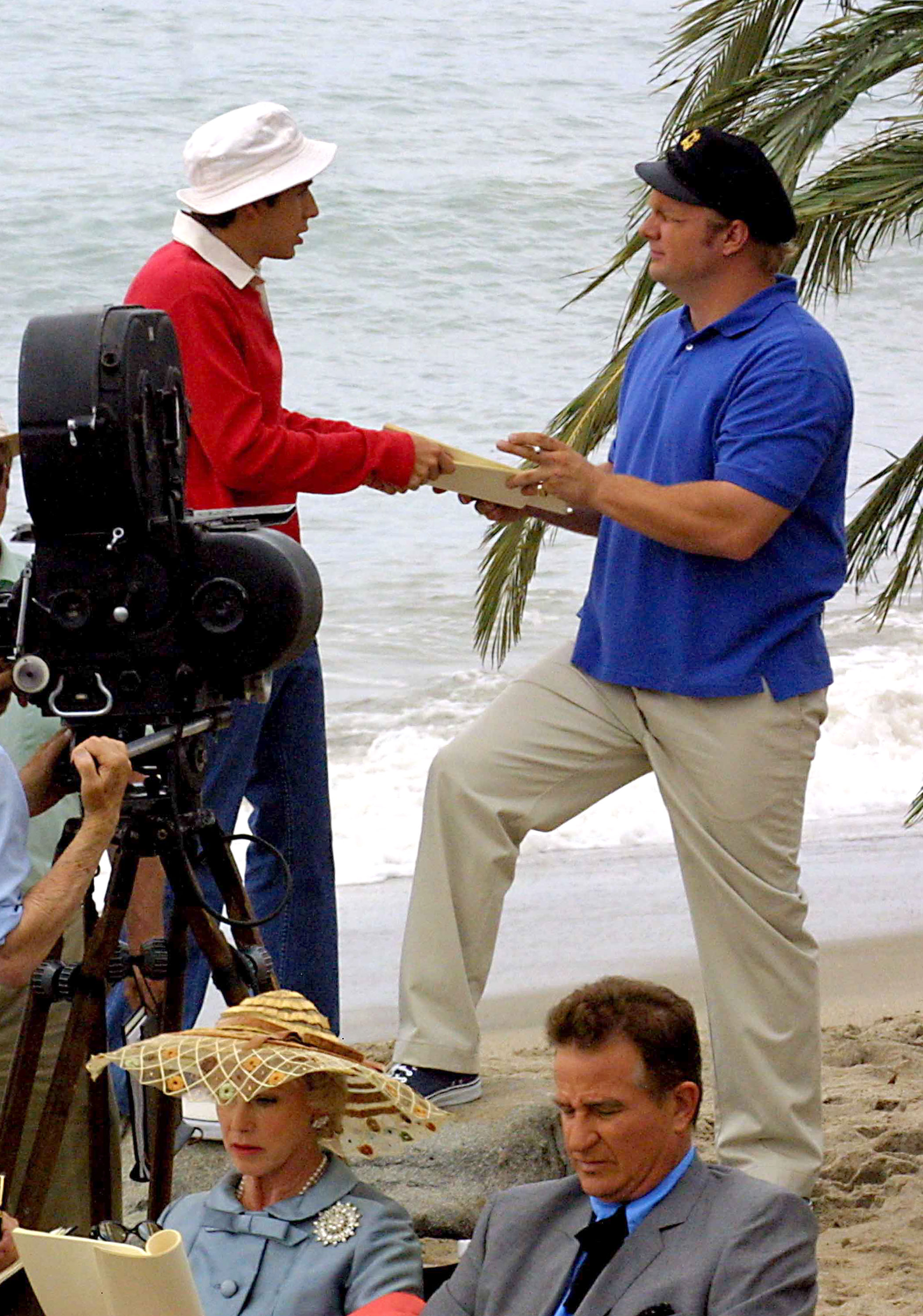
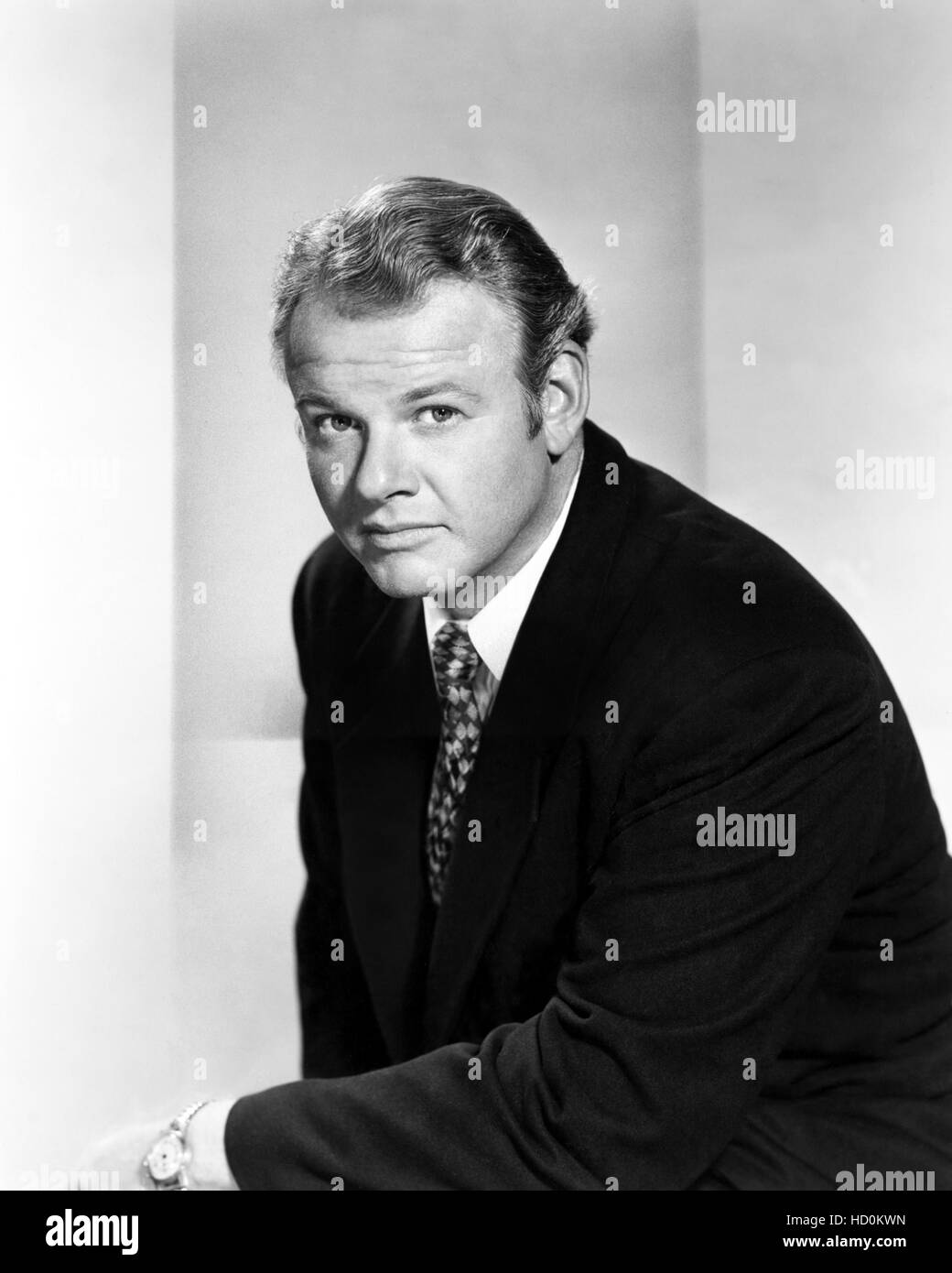
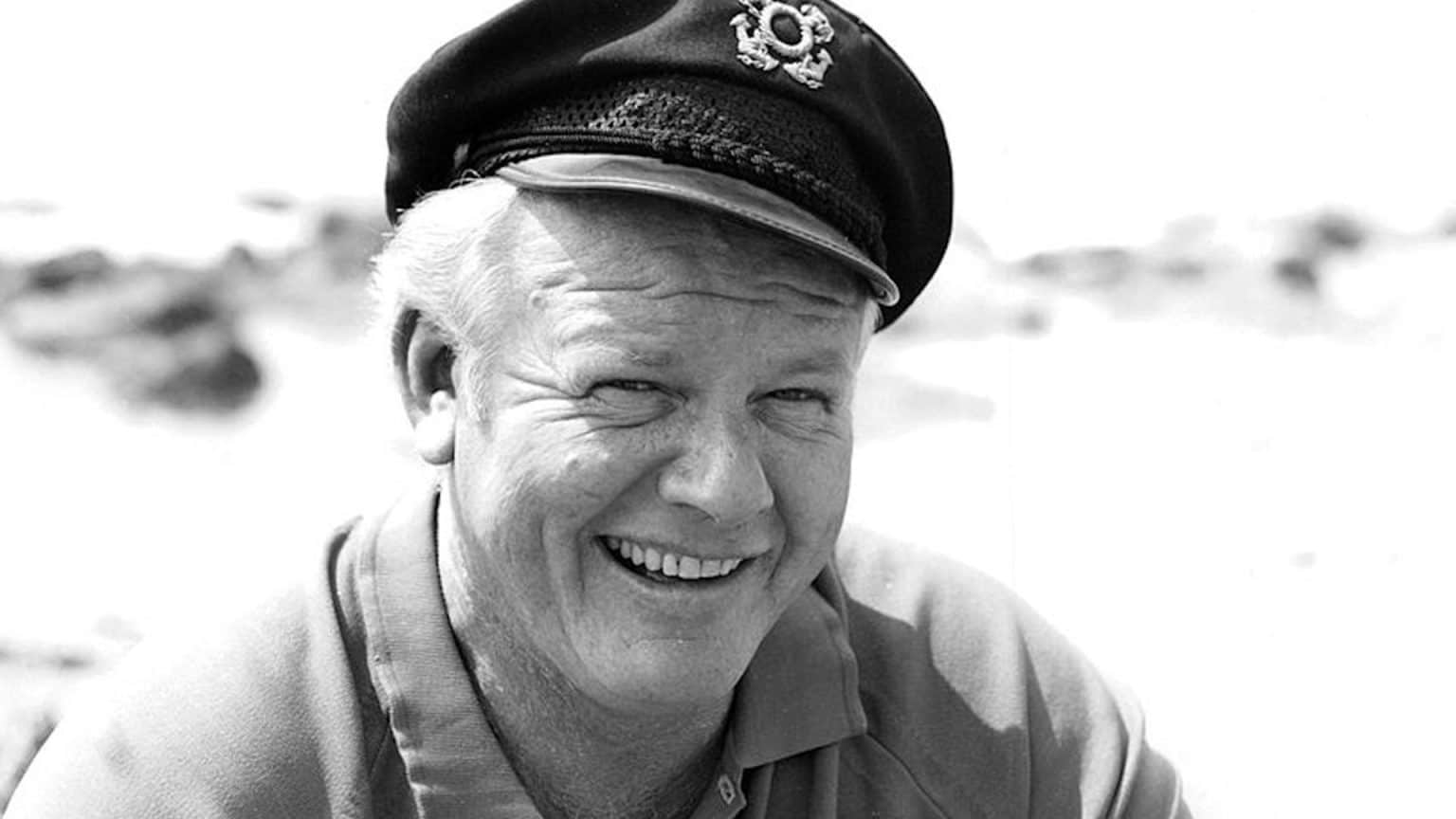
Alan Hale Jr. stood exactly 6 feet 2 inches (188 cm) tall, a stature that defined his legendary role as the Skipper on Gilligan’s Island. His father, Alan Hale Sr., was also 6 feet 2 inches tall, utilizing his imposing frame to become one of the most successful character actors in Hollywood history.
The physical presence of the Alan Hales—both father and son—played a pivotal role in their respective casting and career trajectories. In the Golden Age of Hollywood and the subsequent era of classic television, height was often used as a tool for visual storytelling, establishing hierarchy, authority, or comedic contrast. For both men, standing at 6'2" provided a perfect balance: they were tall enough to be commanding and heroic, yet possessed a "gentle giant" quality that made them approachable to audiences.
Resolving the Alan Hale Identity: Senior vs. Junior
When searching for "Alan Hale height," it is essential to distinguish between the two men who shared the name and the stature. While they looked remarkably alike and stood at the same height, their careers occupied different eras of entertainment history.
Alan Hale Sr. (1892–1950)
The elder Hale was a titan of the studio system. Standing 6'2" and weighing roughly 220 pounds in his prime, he was the quintessential "big man" of the 1930s and 1940s. He is perhaps best remembered for his three separate turns as Little John in various Robin Hood films, most notably alongside Errol Flynn. His height allowed him to stand eye-to-eye with the leading men of the day, making him a credible threat or a stalwart ally.
Alan Hale Jr. (1921–1990)
Following in his father's literal and figurative footsteps, Alan Hale Jr. reached the same 6'2" height. While he appeared in many Westerns and films, he achieved immortality as Jonas "The Skipper" Grumby. In the context of Gilligan's Island, his height was a critical component of the show's visual comedy, particularly when contrasted with the slighter build of Bob Denver.
The Physicality of the Skipper: Alan Hale Jr. on Gilligan’s Island
In the world of television production, height is rarely an accidental detail. For the producers of Gilligan’s Island, casting a man of Alan Hale Jr.’s proportions was a deliberate move to establish the character’s role as the leader of the castaways.
Contrast with Bob Denver
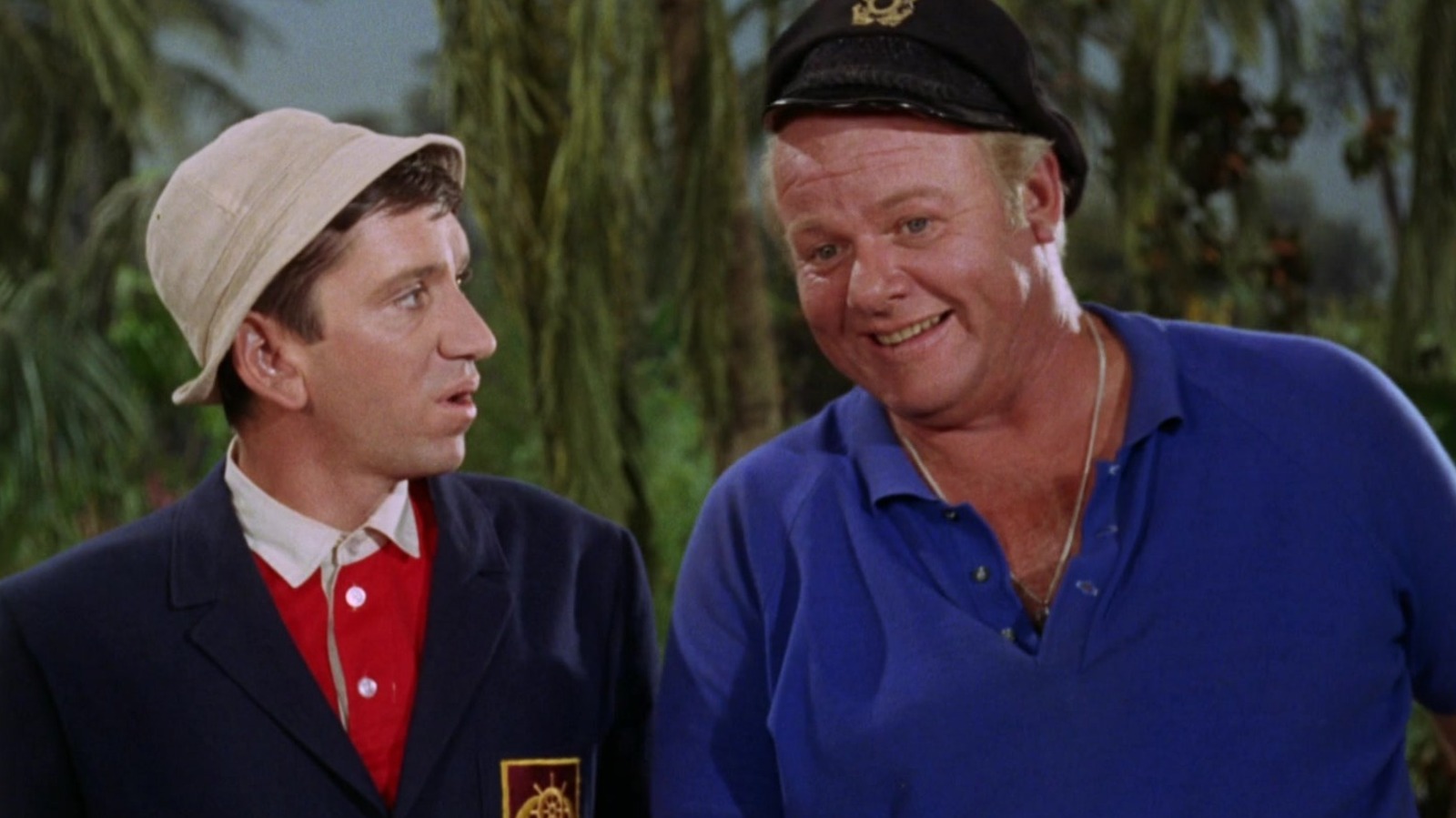
The most significant use of Alan Hale Jr.’s height was in his interactions with Gilligan, played by Bob Denver. Denver stood approximately 5 feet 8 inches tall. The six-inch height difference, combined with Hale’s significantly broader frame, created a classic "large and small" comedic duo. This disparity emphasized the "Little Buddy" dynamic, where the Skipper acted as a protective, albeit often frustrated, paternal figure to the clumsy Gilligan.
Authority and Presence
On a deserted island, the physical capability of the leader is a silent narrative driver. Hale’s 6'2" frame suggested he was a man capable of handling a ship and protecting the passengers. His "bear-like" physicality allowed him to perform slapstick comedy—such as his famous hat-swatting—without losing the audience's respect for his character’s underlying strength.
Alan Hale Sr. and the "Little John" Standard
To understand the impact of the 6'2" stature of the Hales, one must look at the career of Alan Hale Sr. He was frequently cast in roles where his height served as a benchmark for masculinity.
In The Adventures of Robin Hood (1938), Hale Sr. played Little John. The irony of the name "Little" John relied entirely on the actor being exceptionally large. At 6'2", Hale Sr. was taller than the average man of the 1930s (where the average American male height was roughly 5'8"). Standing next to Errol Flynn, who was also approximately 6'2", Hale provided the physical backup necessary for a band of outlaws.
His height was not just about vertical inches; it was about the "heft" he carried. He was a broad-shouldered actor who could fill a frame, which made him a favorite of directors who needed to fill the foreground of wide-screen compositions or provide a sturdy presence in action sequences.
Comparative Height Analysis: The Gilligan’s Island Cast
To better visualize how Alan Hale Jr.’s height influenced the production of his most famous work, it is helpful to compare him with the rest of the "S.S. Minnow" crew and passengers. In the mid-1960s, a 6'2" actor was considered quite tall, and the casting was balanced to make him the "biggest" presence on screen.
| Actor | Character | Height (Imperial) | Height (Metric) |
|---|---|---|---|
| Alan Hale Jr. | The Skipper | 6'2" | 188 cm |
| Bob Denver | Gilligan | 5'8" | 173 cm |
| Jim Backus | Thurston Howell III | 5'10" | 178 cm |
| Russell Johnson | The Professor | 5'10" | 178 cm |
| Natalie Schafer | Lovey Howell | 5'7" | 170 cm |
| Tina Louise | Ginger Grant | 5'6" | 168 cm |
| Dawn Wells | Mary Ann Summers | 5'4" | 163 cm |
As the table illustrates, Alan Hale Jr. was the tallest member of the core cast by at least four inches. This vertical dominance was a key reason why he was naturally viewed as the "Captain" or "Skipper" by the audience. Even the Professor (Russell Johnson), who was the intellectual lead, was physically subordinate to Hale's stature.
Technical Considerations: Height in the Studio Era
In 2026, we often look back at the Golden Age and the 1960s TV era through a lens of nostalgia, but the technical aspects of height were matters of precision. Actors like the Hales had to be mindful of how their height affected lighting, framing, and co-star chemistry.
Framing and Composition
When an actor is 6'2", camera operators must adjust the "headroom" in a shot. In many scenes of Gilligan's Island, you will notice that Hale is often positioned slightly further back from the camera than Bob Denver when they are in the same frame. This prevents his height from completely overwhelming the composition. Alternatively, when the show wanted to emphasize his authority, the camera would use a slightly lower angle, making Hale appear even more massive.
The Evolution of the "Big Man" Archetype
The Hale family helped define the "Jovial Giant" archetype. Before them, many large actors were relegated to playing villains or "heavy" muscle. The Hales, with their height and wide, easy smiles, proved that a large man could be the most likable person in the room. This shift in casting allowed for more nuanced roles for tall men, moving away from purely antagonistic "thugs" to reliable, humorous, and heroic supporting characters.
The Genetic Legacy: Passing Down the Frame
The physical similarities between Alan Hale Sr. and Alan Hale Jr. were so striking that the younger Hale was often mistaken for his father, even in his youth. Beyond just height, they shared:
- A broad, barrel-chested torso.
- A distinctive jawline and facial structure.
- A booming, resonant voice that matched their physical size.
When Alan Hale Sr. passed away in 1950, Hollywood lost one of its most recognizable "big men." When Alan Hale Jr. began his career in earnest, he didn't just inherit the name; he inherited the physical "space" his father had occupied in the industry. For decades, the name "Alan Hale" was synonymous with a specific kind of 6'2" dependable presence.
Impact on Wardrobe and Production Costs
Height often carries practical implications for television and film production. For Alan Hale Jr., his height and build meant that costumes—specifically his iconic Skipper outfit—had to be custom-tailored to ensure a proper fit that didn't look comical unless intended.
- Tailored Uniforms: The Skipper’s blue polo shirts and khaki trousers were designed to accommodate his 250-pound, 6'2" frame without restricting his movement during physical comedy sequences.
- The Hat Factor: The Skipper’s cap added an additional inch or two to his perceived height, making him appear nearly 6'4" in certain shots. This was a common costume trick to ensure the character always looked like the biggest man on the island.
- Set Design: On the S.S. Minnow set, the ceilings and doorways had to be measured carefully. Hale often had to slightly duck or posture himself to fit into the cramped "cabin" sets, which ironically added to the realism of a large man living on a small boat.
Frequently Asked Questions
Was Alan Hale Jr. taller than his father?
No, both Alan Hale Sr. and Alan Hale Jr. were reported to be the same height: 6 feet 2 inches. While the younger Hale appeared "larger" to many modern audiences due to the close-up nature of television and his weight during the filming of Gilligan's Island, their vertical measurements were identical.
How did Alan Hale Jr.'s height compare to the average man in the 1960s?
In the mid-1960s, the average height for an American male was approximately 5 feet 8.5 inches. Standing at 6'2", Alan Hale Jr. was significantly taller than the average viewer and most of his contemporary actors, placing him in the 95th percentile for height at the time.
Did Alan Hale Jr. use lifts to look taller?
There is no historical evidence or production record suggesting that Alan Hale Jr. used shoe lifts. Given that he was already significantly taller than his costars (specifically Bob Denver and the female cast members), there was no narrative or aesthetic need to artificially increase his height. In fact, his height was already a challenge for framing in the 4:3 aspect ratio of the time.
Was he actually 6'2" or was that a "studio height"?
In the Golden Age of Hollywood, it was common for studios to exaggerate the heights of their leading men. However, the 6'2" measurement for both Hales is widely considered accurate by historians and biographers. This is supported by their appearances next to other actors with verified heights, such as Errol Flynn (6'2") and Ronald Reagan (6'1").
Did his height cause health issues later in life?
Large-framed individuals often face joint issues as they age, but Hale’s primary health challenges in his later years were related to respiratory and oncological issues (he passed away from thymus cancer). His height and weight did contribute to his "jovial" screen persona, but they were also factors he managed carefully during his active years through physical activity on set.
Conclusion: The Magnitude of the Hale Legacy
The 6-foot-2-inch stature of the Alan Hales was more than just a biological fact; it was a career-defining characteristic. For the father, it facilitated a legendary run as Hollywood’s premier sidekick. For the son, it provided the physical foundation for one of the most recognizable characters in the history of the medium.
Whether standing on a Sherwood Forest set or the sandy beaches of a soundstage island, the Hales utilized their height to convey a sense of security, humor, and strength. For researchers or fans looking at "Alan Hale height" in 2026, it serves as a reminder of how physical presence can shape an actor's legacy just as much as their talent.
If you are interested in the technical aspects of classic television production or the history of Hollywood’s most famous families, studying the career of Alan Hale Jr. provides excellent insight into how physical casting influences narrative dynamics. To see this in action, a viewing of early Gilligan's Island episodes, focusing specifically on the camera blocking between the Skipper and Gilligan, reveals the mastery of utilizing height for comedic effect.